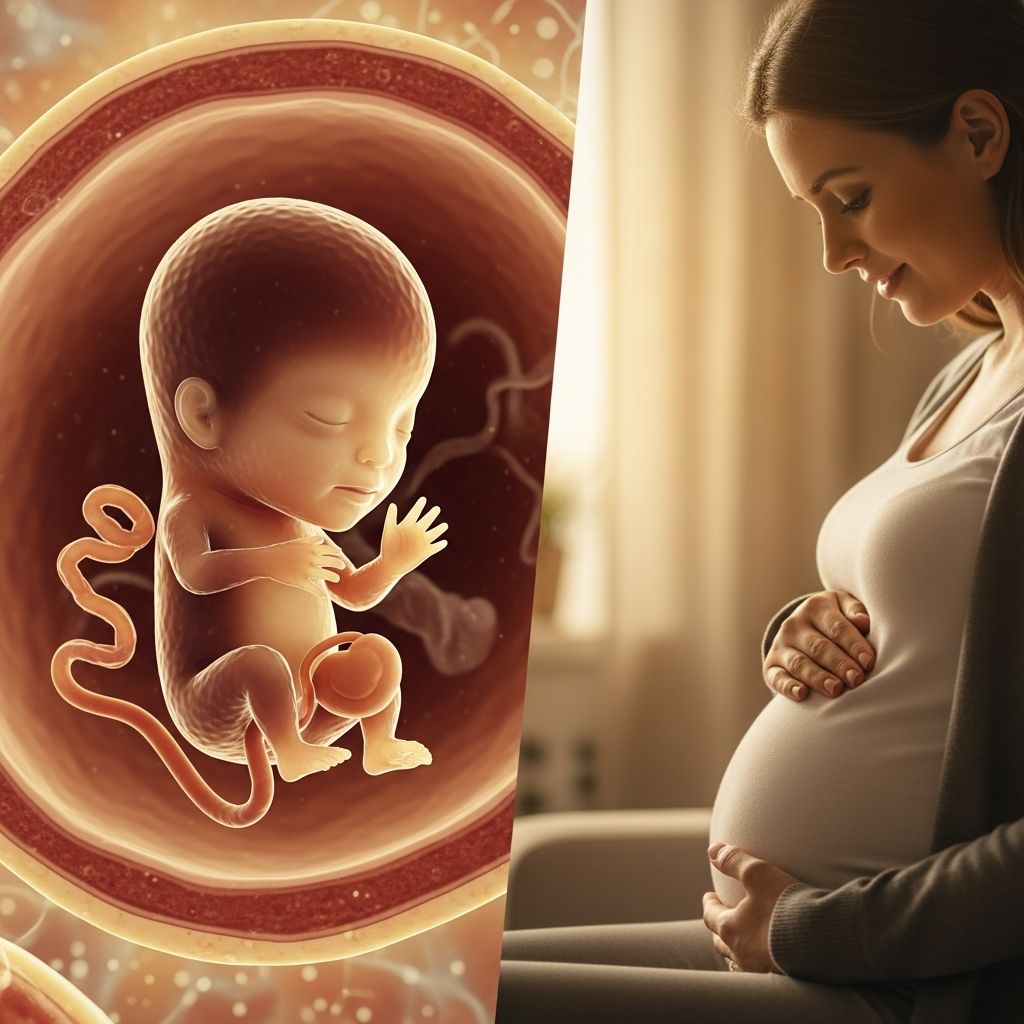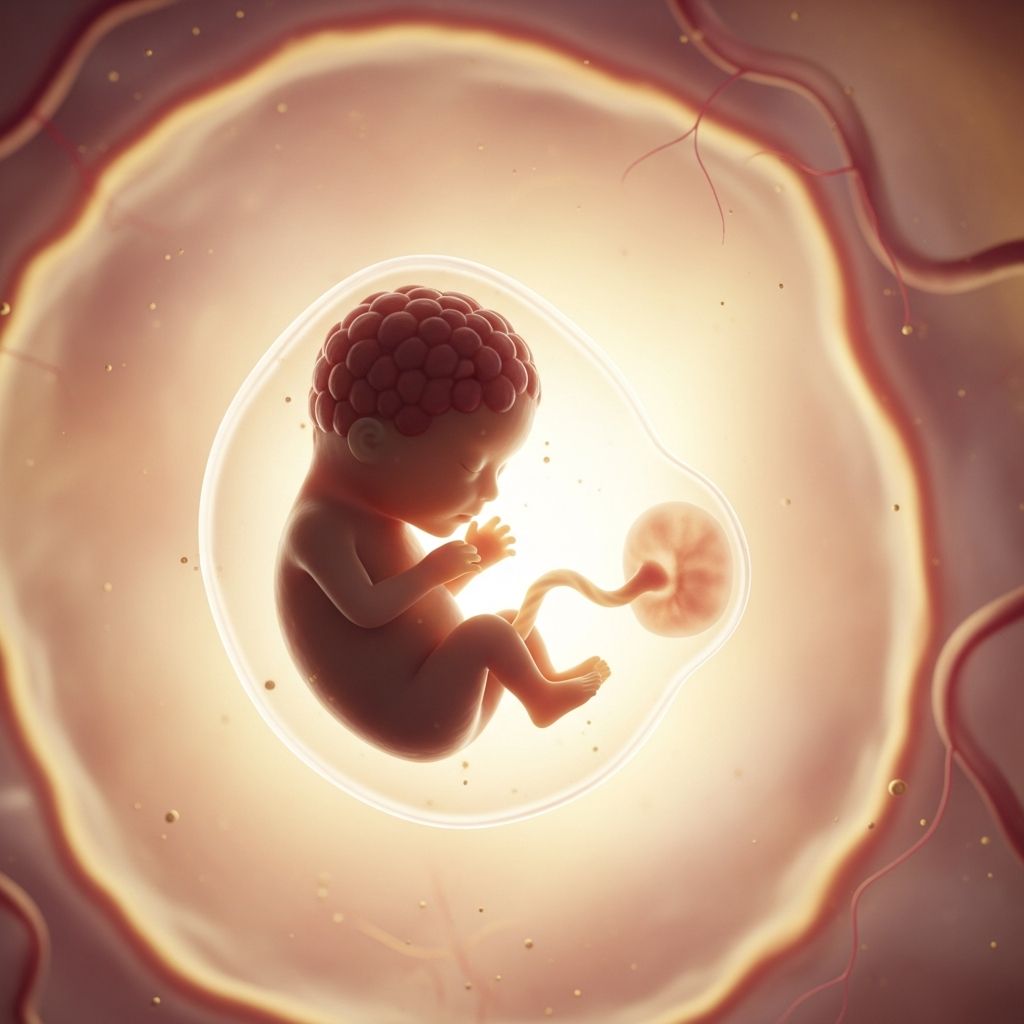
The **first trimester** marks the most transformative period in pregnancy, spanning from conception to week 12. During these initial 12-13 weeks, a single fertilized cell rapidly divides and organizes into an embryo, then a fetus, with all major organs and body systems taking shape. This phase lays the foundation for your baby’s future health, as critical structures like the heart, brain, and limbs form.
Understanding the Timeline of Early Pregnancy
Pregnancy weeks are counted from the first day of your last menstrual period, making the gestational age about two weeks ahead of the embryo’s actual age. By the end of week 8 post-conception (week 10 gestational), the embryo transitions to a fetus. Growth accelerates dramatically: from a microscopic cluster of cells to about 3 inches long and weighing around 1 ounce.
- Key phases: Fertilization and implantation (weeks 1-4), organogenesis (weeks 5-8), and early fetal maturation (weeks 9-12).
- Risks: This is when most birth defects can occur, emphasizing the importance of prenatal vitamins like folic acid to support neural tube closure.
- Maternal changes: Hormones surge, often causing nausea, fatigue, and breast tenderness as the body supports rapid fetal development.
Weeks 1-4: Fertilization and Implantation
In the earliest weeks, pregnancy begins with ovulation and fertilization. The sperm meets the egg in the fallopian tube, forming a zygote that divides into a blastocyst. This tiny ball of cells travels to the uterus and implants into the thickened lining around day 6-10 post-fertilization.
By week 4, the blastocyst embeds deeply, triggering hCG production detectable by pregnancy tests. Three germ layers emerge: ectoderm (skin, nerves), mesoderm (heart, bones, muscles), and endoderm (lungs, intestines). The embryo is smaller than a poppy seed, about 1/16 inch, with no visible human features yet.
| Week | Size | Milestones |
|---|---|---|
| 1-2 | Microscopic | Fertilization; cell division begins. |
| 3-4 | 1/16 inch | Implantation; germ layers form; placenta starts developing. |
Electrical signals initiate in primitive cells, setting the stage for heartbeat and neural activity soon after.
Weeks 5-6: Heartbeat Emerges and Limb Buds Appear
Around week 5, the heart tube forms and begins pulsing—often the first sign of life detectable via ultrasound. Arm and leg buds sprout as paddles, while the neural tube closes to form the brain and spinal cord. Early eye and ear structures appear as dark spots.
The embryo measures about 1/6 to 1/4 inch, resembling a C-shaped curve. Rudimentary blood vessels circulate yolk sac nutrients before the placenta fully activates. Jaw, nose, and palate outlines emerge.
- Heart rate: 80-100 beats per minute, rising quickly.
- Brain: Divides into five regions; cranial nerves visible.
- Other: Digestive tract and kidney precursors develop.
Weeks 7-8: Facial Features and Digit Formation
By week 7, the embryo straightens slightly, with a prominent head. Fingers and toes start as webbed paddles; eyelids form. The trunk elongates, and upper lip/nose refine. Lungs bud off, and genitals begin differentiating, though not visible yet.
At 1/2 inch by week 8, all major organs are present, though immature. The face gains a more human profile with shell-shaped ears. Heart chambers divide into four, beating at 140-170 bpm. The embryo weighs less than a kidney bean.
Ultrasound may show flickering heartbeat and tadpole-like movements, too subtle for maternal sensation.
Weeks 9-10: Transition to Fetus and Rapid Refinement
Week 9 officially designates the embryo a fetus. Head comprises half the 1-inch length. Neck develops; eyelids close over protected eyes. Fingers/toes separate, nails begin. Small, uncoordinated twitches occur.
Face humanizes with defined mouth, nostrils, and profile. Vertebrae ossify, and trunk straightens fully. Kidneys produce urine; swallowing starts. For males, prostate forms; females see ovarian follicles.
| Milestone | Week 9-10 | Significance |
|---|---|---|
| Heartbeat Detection | Doppler possible | Confirms viability. |
| Limb Movement | Random flexes | Nervous system activation. |
| Sex Differentiation | Internal organs | Visible later via ultrasound. |
Weeks 11-12: Maturing Systems and Human Proportions
The fetus reaches 2-3.5 inches crown-to-rump, weighing 1/2 to 1.5 ounces. Bones harden; skin covers with lanugo hair starting. Blood forms in marrow; genitals externalize slightly. Reflexes like sucking emerge.
Major risks drop post-week 12, as organs function basically. Brain waves strengthen; lungs branch. Fetus urinates into amniotic fluid, swallowed and recycled.
- Size comparison: Lime to plum.
- Movements: Yawning, stretching—electronic detection only.
- Sex ID: Possible via specialized scans.
Maternal Experiences and Health Tips During First Trimester
Expect nausea (affecting 70-80% due to hCG peaks), fatigue from progesterone, and frequent urination. Breasts enlarge as milk ducts prepare. Food aversions and metallic tastes are common.
Nutrition essentials:
- Folic acid: 400-800 mcg daily for neural tube health.
- Iron, calcium, omega-3s for blood volume and bones.
- Hydration: 8-10 glasses water to combat constipation.
Avoid alcohol, smoking, and certain fish; manage stress with rest. Prenatal visits start around week 8 for ultrasounds confirming heartbeat and dating.
Diagnostic Milestones and When to Seek Care
First ultrasound (week 6-9) visualizes sac, yolk, heartbeat. Nuchal translucency scan (week 11-14) assesses risks. Blood tests screen for chromosomal issues.
Warning signs: Severe bleeding, cramping, absent heartbeat—contact provider immediately, as miscarriage risk is highest early.
Frequently Asked Questions (FAQs)
Can I feel the baby move in the first trimester?
No, movements are microscopic until week 12-16; earliest flutters felt around 13-20 weeks.
When does the heartbeat start?
Around week 5-6 post-conception; audible via transvaginal ultrasound by week 6.
Is the first trimester the riskiest for birth defects?
Yes, organ formation (weeks 3-8) is vulnerable; folic acid reduces neural tube defects by 70%.
How accurate are early ultrasounds for due dates?
Very—within 5-7 days up to week 13.
What if I have spotting?
Common implantation sign, but report heavy bleeding or pain.
Looking Ahead Beyond the First Trimester
By trimester’s end, your baby has human features, functional organs, and protective vernix coating. Second trimester brings growth spurts, felt kicks, and gender reveal possibilities. Celebrate this foundational phase!
References
- Stages of Fetal Development – First Trimester — Louisiana Department of Health. Accessed 2026. https://ldh.la.gov/office-on-womens-health-and-community-health/stages-of-fetal-development-first-trimester
- Fetal Development: First Trimester – Sutter Health — Sutter Health. Accessed 2026. https://www.sutterhealth.org/health/first-trimester-fetal-development
- The First Trimester – UR Medicine — University of Rochester Medical Center. Accessed 2026. https://www.urmc.rochester.edu/encyclopedia/content?contenttypeid=85&contentid=P01218
- Fetal Development: Week-by-Week Stages of Pregnancy — Cleveland Clinic. 2023-10-20. https://my.clevelandclinic.org/health/articles/7247-fetal-development-stages-of-growth
- Fetal Development: First Trimester – American Pregnancy Association — American Pregnancy Association. Accessed 2026. https://americanpregnancy.org/healthy-pregnancy/pregnancy-health-wellness/first-trimester-of-pregnancy/
- Fetal development: The first trimester – Mayo Clinic — Mayo Clinic. Accessed 2026. https://www.mayoclinic.org/healthy-lifestyle/pregnancy-week-by-week/in-depth/prenatal-care/art-20045302