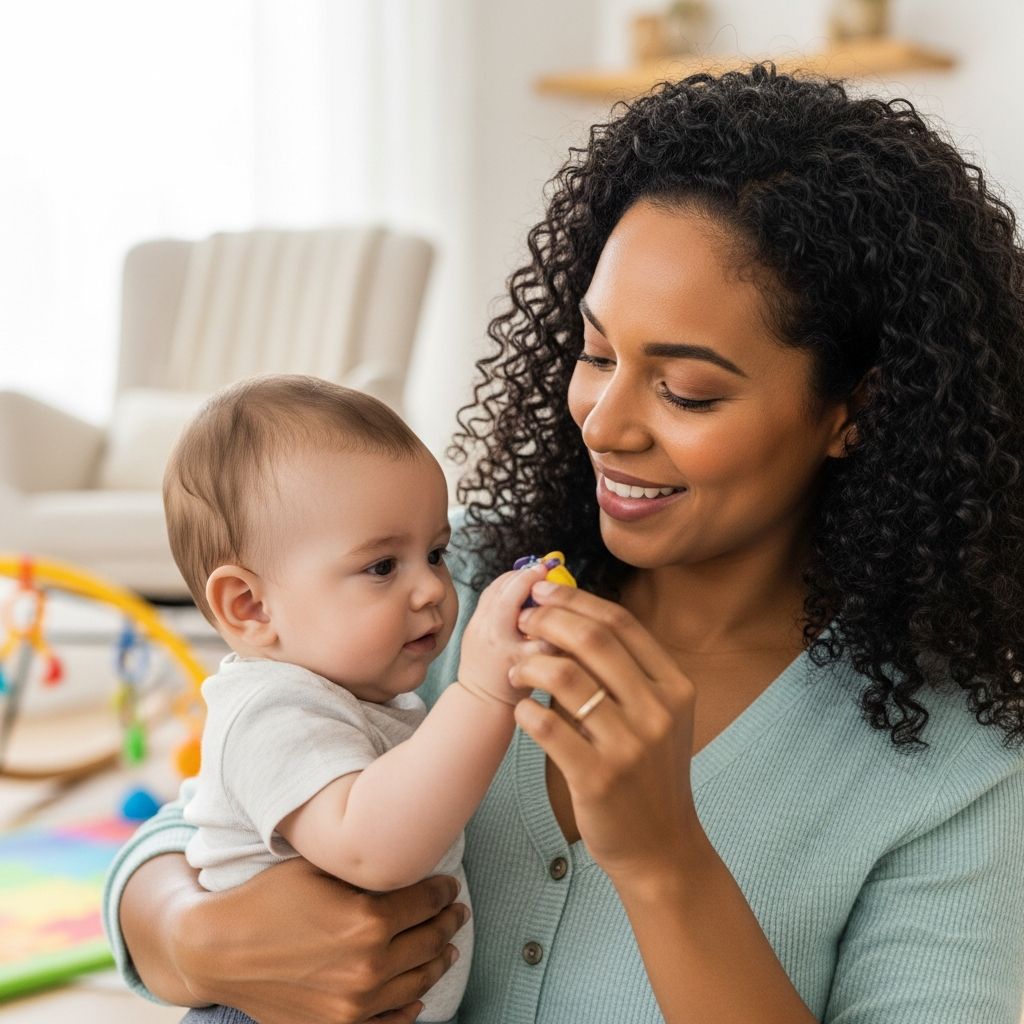
Becoming a first-time mom marks the start of an extraordinary journey filled with tiny triumphs and profound emotional shifts. These milestones go beyond just your baby’s physical feats—they encompass your growth as a parent, from navigating sleepless nights to cherishing those first genuine smiles. Grounded in pediatric guidelines, this guide highlights key stages, offering practical tips to support development while celebrating your unique path.
Embracing the Newborn Phase: Building Instincts
The initial weeks introduce you to motherhood’s raw intensity. Your baby arrives with innate reflexes like rooting for feeds and startling at loud noises, signaling readiness for nourishment and protection. As a first-time mom, your milestone here is mastering the swaddle and soothing a cry, fostering that vital skin-to-skin bond which regulates their heartbeat and temperature.
Expect brief head lifts during tummy time around 1-2 months, alongside tracking your face with wide eyes. This period tests your patience but rewards you with coos and fleeting eye locks. To nurture this:
- Initiate daily tummy sessions on a firm surface to strengthen neck muscles.
- Speak softly, describing your actions to spark early language exposure.
- Track wet diapers and feeds to ensure healthy intake—aim for 6-8 per day.
Your personal win: Confidently changing a diaper solo, a skill that builds with each messy adventure.
Months 2-3: The Dawn of Smiles and Sounds
By two months, responsive smiles emerge, turning your baby’s self-soothing grins into interactive joy. This social milestone reassures you of secure attachment. Physically, they hold their head steady briefly on tummy time and open-close fists, prepping for grasping.
First-time moms often mark this as their ‘lightbulb’ moment—realizing baby recognizes them. Support growth by:
- Mirroring facial expressions during play to encourage imitation.
- Offering black-and-white patterns for visual stimulation.
- Singing lullabies to soothe and introduce rhythm.
| Milestone | Typical Age | Parent Tip |
|---|---|---|
| Social Smile | 2 months | Respond with exaggerated grins |
| Head Control | 3 months | Increase tummy time to 10 mins |
| Cooing | 2-3 months | Reply with varied tones |
Emotionally, you graduate to sleeping in 3-hour stretches—a monumental mom milestone.
Months 4-6: Rolling into Independence
Rolling over, often front-to-back first, showcases emerging strength around 4-6 months. Babies reach for toys, babble melodically, and laugh outright, filling your home with delight. Sitting with support follows, boosting exploration confidence.
For first-timers, witnessing that first roll feels like witnessing flight. Enhance skills with:
- Safe toys for raking and transferring hand-to-hand.
- Mirror play for self-discovery and giggles.
- Reading board books, letting baby pat pages.
Red flags include no rolling attempts by 6 months or disinterest in faces—consult your pediatrician promptly. Your triumph: Introducing purees without major spit-up disasters.
Months 7-9: Mastering Movement and Mimicry
Sitting unsupported by 7 months heralds greater freedom, often paired with scooting or crawling. Pincer grasp develops for picking tiny bits, while waving bye-bye and responding to names highlight cognitive leaps. Stranger anxiety peaks, affirming selective bonding.
New moms cherish peekaboo mastery here, as baby grasps object permanence. Foster progress via:
- Baby-proofed floors for safe army crawls.
- Finger foods like soft fruits for self-feeding practice.
- Repetitive games naming body parts.
| Area | Key Achievement | Support Strategy |
|---|---|---|
| Gross Motor | Sits alone | Pillows for propped practice |
| Fine Motor | Pincer grasp | Cheerios for pinching |
| Social | Plays peekaboo | Hide-reveal toys |
Milestone for you: Hosting a playdate where baby engages others, easing isolation blues.
Months 10-12: Steps Toward Toddlerhood
Pulling to stand, cruising furniture, and first words like ‘mama’ define this exciting finale. By 12 months, many stand alone or take steps, using cups and stacking blocks. Imitation surges, from clapping to mimicking gestures.
First-time moms beam at hearing their name spoken specifically. Aid this phase by:
- Push toys for balance practice.
- Label everything during routines to build vocabulary.
- Encourage waving during outings.
Variations abound—walking from 9-18 months is normal. Celebrate your first family outing sans carrier overload.
Emotional Milestones for New Moms
Beyond baby feats, your journey includes:
- Postpartum Recovery: Fitting into pre-pregnancy jeans or resuming exercise.
- Sleep Breakthrough: Night of 5+ uninterrupted hours.
- Confidence Surge: Handling doctor’s visits independently.
- Connection Moments: Uninterrupted eye-gaze feeds.
These validate your adaptation, reducing ‘imposter syndrome’ common in 70% of new moms per studies.
Nutrition and Daily Routines Evolve
From exclusive breastfeeding to solids at 6 months, feeding shifts dramatically. Introduce textures gradually: purees, mashes, then finger foods. Consistent routines—bath, book, bed—anchor security.
Track via apps or journals; aim for balanced plates with iron-rich foods post-6 months.
Warning Signs and When to Seek Help
Monitor for delays: No babbling by 6 months, no sitting by 9, or limited eye contact. Early intervention via specialists improves outcomes significantly. Regular well-visits at 1,2,4,6,9,12 months ensure tracking.
Frequently Asked Questions
What if my baby skips a milestone?
Variations are normal; discuss at checkups if concerned.
How much tummy time is enough?
Start 3-5 mins daily, building to 20-30 by 7 months.
When should solids begin?
Around 6 months, per pediatric consensus.
Is stranger anxiety normal?
Yes, peaks 8-10 months, fades by 18.
How to boost language?
Narrate daily, read often, respond to coos.
This comprehensive year equips you for toddler adventures, blending evidence-based growth with heartfelt wins.
References
- Infant Milestones First Year | Baby First Year Milestones — Metropolitan Pediatrics. 2023-10-15. https://www.metropediatrics.com/pediatric-blog/the-first-year-milestones-what-to-expect-in-a-babys-first-year-and-how-to-support-them/
- Baby Development Stages: The First Year — WebMD. 2024-05-20. https://www.webmd.com/parenting/baby/features/stages-of-development
- Baby Developmental Milestones By Month — Cleveland Clinic. 2025-01-10. https://my.clevelandclinic.org/health/articles/22063-baby-development-milestones-safety
- CDC’s Developmental Milestones | Learn the Signs. Act Early. — Centers for Disease Control and Prevention (CDC). 2025-04-18. https://www.cdc.gov/act-early/milestones/index.html
- Milestones by 1 Year | Learn the Signs. Act Early. — Centers for Disease Control and Prevention (CDC). 2025-01-15. https://www.cdc.gov/act-early/milestones/1-year.html