Understanding the Baby Boom Phenomenon Among First Responders
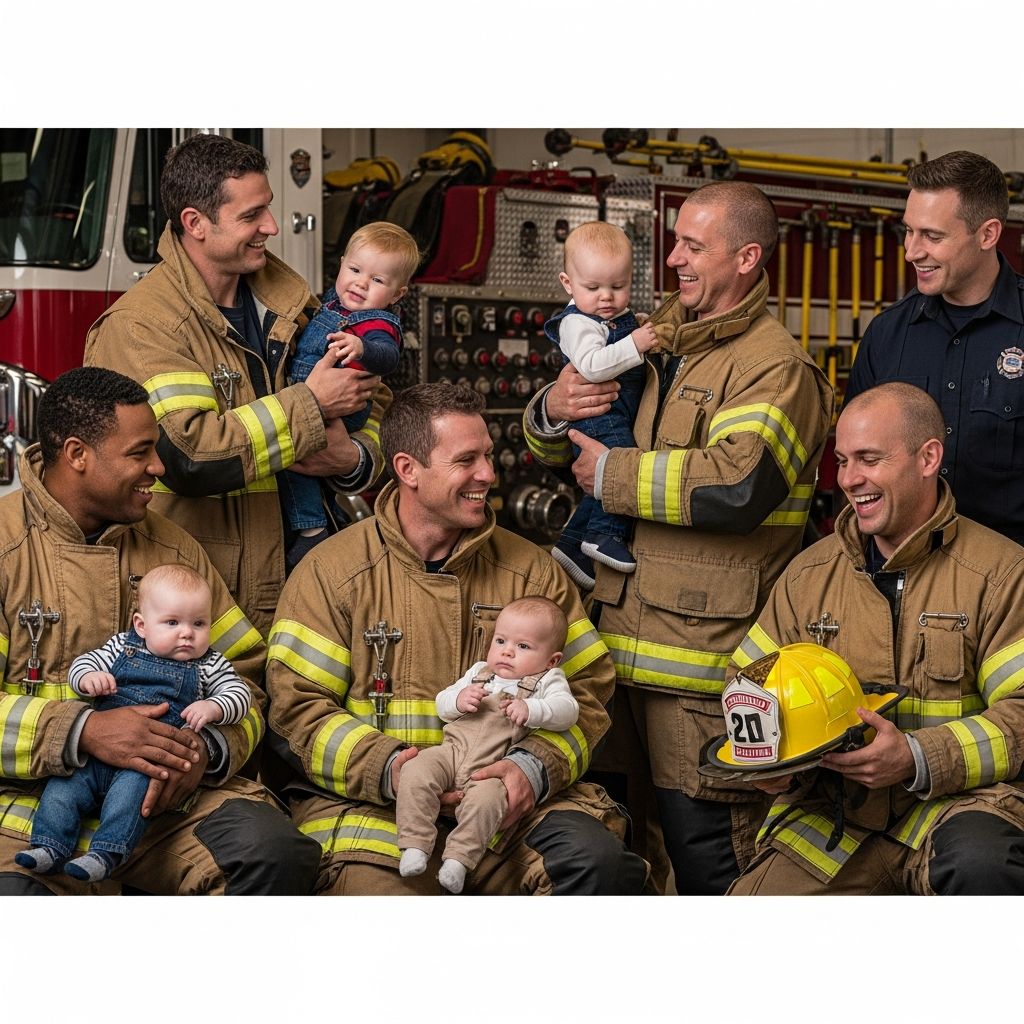
In recent years, a remarkable trend has emerged across fire departments throughout the United States: an unusual concentration of births occurring within relatively short timeframes and among closely-knit groups of firefighters. This phenomenon, often referred to as a “baby boom,” represents more than just a statistical coincidence. It reflects deeper patterns about workplace camaraderie, life planning among first responders, and the unique bond that develops within fire station communities. The viral photos capturing these celebrations have garnered significant attention on social media, prompting questions about why this trend occurs and what it reveals about the culture within fire departments.
The California Fire Station That Started It All
One of the most notable examples of this baby boom trend originated in Cucamonga, California, where a remarkable cluster of births captured the imagination of the internet. Nine firefighters working at the same fire station welcomed nine babies within an impressively short four-month window. This extraordinary coincidence motivated the proud parents to organize a special commemorative photoshoot, bringing together all their newborns for a single memorable group picture. The resulting photographs quickly spread across social media platforms, sparking conversations about the likelihood of such events and generating widespread interest in how fire department communities respond to and celebrate major life milestones.
The decision to hold a professional photoshoot demonstrated the strong sense of unity and celebration within the fire station. Rather than treating these births as individual occasions, the firefighters recognized an opportunity to commemorate a shared experience that would bond their community even more closely. This approach highlighted how first responder communities often approach significant life events with a collective mindset, understanding that their professional relationships extend far beyond the typical workplace dynamic.
Regional Variations in Baby Boom Occurrences
The baby boom trend is not limited to a single location or fire department. Different regions across the United States have experienced their own versions of this phenomenon, each with unique characteristics and celebration methods. The variation in how different departments experience and respond to these birth clusters provides insight into the diverse workplace cultures that exist within the fire service industry.
In Arizona, the Chandler Fire Department experienced a particularly significant baby boom when eighteen of its firefighters welcomed nineteen babies throughout 2024, with one firefighter welcoming twins. The gender distribution among these newborns was notably skewed, with thirteen girls and six boys born to the department’s firefighters during that year. This substantial number of births within a single year transformed the Chandler Fire Department into a notable case study of the baby boom phenomenon. The department’s leadership, including Blas Minor, the chief of public relations, recognized that these celebrations helped strengthen community bonds and foster a supportive environment among team members.
Phoenix’s fire department also experienced its own baby boom celebration, welcoming eight new babies among its firefighting staff. These regional examples demonstrate that the phenomenon is not an isolated incident but rather a recurring pattern across multiple fire departments, suggesting underlying factors that encourage this clustering of births among first responders.
Why Fire Departments Experience Baby Booms
Several interconnected factors contribute to the baby boom phenomenon observed in fire departments across the country. Understanding these drivers provides context for why these births tend to cluster rather than distribute evenly across time.
Workplace Camaraderie and Social Connection: Fire departments are uniquely positioned to develop strong interpersonal bonds among their members. The shared experiences of dangerous work, long shifts, and high-stress situations create a tight-knit community atmosphere. When certain members of this close community start families, it often inspires others to consider or accelerate their own family planning timelines. The positive energy surrounding new births can create a cultural momentum that encourages others to take similar life steps.
Shift Work and Life Planning: The unique scheduling demands of firefighting, with its rotating shift patterns, create specific windows where family planning becomes feasible or preferable. Multiple firefighters may align their family planning decisions based on similar scheduling considerations, leading to synchronized conception and birth timelines. This occupational factor creates a structural reason for births to cluster rather than distribute randomly.
Peer Influence and Social Dynamics: The visibility of peers entering parenthood within a close-working environment can significantly influence others’ decisions about timing and family planning. Seeing colleagues navigate parenthood successfully, especially within a supportive workplace environment, can normalize and encourage similar decisions among other team members. This social contagion effect may be stronger in fire departments due to the intensity of professional relationships.
Workplace Support Systems: Progressive fire departments that actively support employees with family benefits, parental leave policies, and workplace flexibility create environments where starting or expanding families feels more feasible. This organizational support may motivate employees to pursue family planning at similar times, knowing they have institutional backing.
The Role of Professional Photography in Celebration
One consistent element across these baby boom stories is the decision to hire professional photographers for commemorative group pictures. This practice serves multiple purposes within the fire department community and reflects broader cultural trends about documenting significant life events.
The professional photoshoots accomplish several important objectives. First, they create lasting memories of a unique collective moment in the department’s history. These photos serve as tangible records of a specific time when the fire department experienced unprecedented growth in its extended family. Second, the organized photoshoots provide an opportunity for all the families involved to gather together, strengthening bonds among colleagues and their families. This social gathering has value beyond the photographs themselves, creating opportunities for networking, friendship building, and community connection among fire department staff and their loved ones.
The viral nature of these photos has also transformed them into powerful tools for fire department public relations and community engagement. When these images are shared on social media and news outlets, they humanize firefighters and first responders, showing them in a different light than their typical professional roles. This positive visibility helps build community support for fire departments and demonstrates their role as integral members of their local communities.
Impacts on Fire Department Culture and Workplace Dynamics
The occurrence of a baby boom within a fire department creates ripple effects that extend far beyond the individual families involved. These events shape workplace culture and interpersonal dynamics in meaningful ways.
Strengthened Community Bonds: According to leadership at the Chandler Fire Department, celebrating nineteen births in 2024 helped foster an exceptionally strong sense of community within the organization. Shared celebrations of major life events create common ground among coworkers and reinforce the sense that the fire department functions as an extended family rather than merely a professional organization.
Workplace Morale and Positivity: The generally positive nature of celebrating births and new arrivals creates an uplifting workplace atmosphere. In an occupation that regularly exposes workers to trauma and difficult situations, this concentration of positive energy can have meaningful psychological benefits for all department members, not just those directly affected by the births.
Mentorship and Knowledge Sharing: When multiple firefighters become parents simultaneously, it creates unique opportunities for peer mentorship and shared learning about parenthood. Experienced parents among the staff can provide guidance to new parents, and new parents can support each other through the challenges of balancing parenthood with the demanding schedule of firefighting.
Operational Considerations: From a practical standpoint, fire departments must consider how these concentrated births affect staffing levels and shift schedules. However, most departments view these challenges as manageable and acceptable costs of maintaining a supportive, family-friendly workplace culture.
The Origin Stories Behind These Celebrations
In many cases, the photoshoots documenting these baby booms originate from creative ideas proposed by family members of the firefighters. In the Chandler Fire Department case, the idea for the special photoshoot came from Jack Bernard’s fiancée, Lexi Friedman. This detail highlights how fire department communities often extend to include the family members of firefighters, who become invested in and contributory to the department’s culture and celebrations.
These family members often serve as cultural ambassadors, proposing ways to celebrate and commemorate important milestones. Their outside perspective can lead to creative ideas that might not emerge from within the department itself. The willingness of fire departments to embrace these suggestions demonstrates organizational flexibility and a commitment to recognizing and celebrating the whole lives of their employees, including their roles as parents and family members.
Social Media and the Viral Spread of Fire Department Baby Boom Stories
The modern phenomenon of fire department baby booms is inextricably linked to social media and digital communication. These stories gain traction through platforms like Facebook, YouTube, and news outlet websites, reaching audiences far beyond the immediate communities served by these fire departments.
The viral nature of these stories reflects several factors about contemporary media consumption. First, the photos are inherently charming and emotionally engaging, featuring multiple adorable newborns in coordinated or themed settings. Second, the statistical improbability of multiple births within a short timeframe adds a human interest angle that appeals to news organizations and social media users. Third, these stories provide a welcome antidote to the often negative or stressful news cycle, offering audiences something genuinely heartwarming and celebratory.
The widespread sharing of these images has transformed individual fire departments into minor celebrities within their communities and online. This positive visibility can enhance recruitment efforts, improve community relations, and strengthen public support for fire departments during budget discussions or policy debates.
Comparing Baby Booms Across Different Fire Departments
| Fire Department | Location | Number of Babies | Number of Firefighters | Timeframe | Notable Features |
|---|---|---|---|---|---|
| Cucamonga Fire Station | California | 9 | 9 | 4 months | Professional photoshoot organized |
| Chandler Fire Department | Arizona | 19 (including twins) | 18 | Full year (2024) | 13 girls, 6 boys; strengthened community bonds |
| Phoenix Fire Department | Arizona | 8 | Multiple | Holiday season | Described as significant celebration |
Frequently Asked Questions About Fire Department Baby Booms
How common are these baby booms in fire departments?
While exact statistics are not extensively documented, multiple fire departments across different states have reported baby booms in recent years, suggesting it may be more common than initially assumed. However, the degree of clustering and the rapid timeframes make significant booms relatively unusual.
What causes firefighters to have babies around the same time?
Multiple factors contribute, including workplace camaraderie, similar shift scheduling needs, peer influence, and organizational support for family planning. Social dynamics within close-knit communities also play a role in encouraging synchronized family planning timelines.
How do fire departments manage staffing during these baby booms?
Fire departments typically manage these situations through advance planning, temporary staffing adjustments, and parental leave policies. Most departments view these challenges as manageable and worth the benefit of maintaining a supportive, family-friendly workplace culture.
Do these photoshoots happen spontaneously or are they planned events?
The photoshoots are typically planned special events, sometimes organized at the suggestion of family members of the firefighters. The departments often hire professional photographers and coordinate schedules to ensure all families with newborns can participate.
What impact do these baby booms have on fire department morale?
Fire department leadership reports that these celebrations significantly boost workplace morale and strengthen community bonds. The positive energy of celebrating new births creates an uplifting atmosphere that benefits all department members.
Are there any challenges associated with fire department baby booms?
The primary challenges are operational, involving temporary staffing adjustments and scheduling coordination. However, departments generally consider these manageable challenges that are offset by the benefits to workplace culture and employee satisfaction.
The Future of Baby Boom Celebrations in Fire Departments
As awareness of these baby boom phenomena increases through social media and news coverage, more fire departments may intentionally cultivate workplace cultures that support and celebrate family planning among their staff. This could include enhanced parental leave policies, flexible scheduling options, and organizational recognition of major life milestones.
The baby boom trend also highlights broader conversations about workplace culture in high-stress professions. Fire departments that successfully foster supportive environments where employees feel comfortable planning families and celebrating major life events may find themselves better positioned for recruitment and retention of quality personnel. The positive stories emerging from these celebrations serve as powerful recruiting tools for fire departments seeking to attract dedicated professionals who view the job as compatible with building and raising families.
References
- Arizona fire department welcomes 19 babies from 18 firefighters in 2024 — ABC News. January 2025. https://abcnews.com/GMA/Family/arizona-fire-department-welcomes-19-babies-18-firefighters/story
- Arizona fire department seeing baby boom — 12 News. January 5, 2025. https://www.youtube.com/watch?v=fQiC9gNqD4M
- VIDEO: There’s a baby boom at the Phoenix Fire Department — Arizona’s Family (3TV/CBS 5). https://www.youtube.com/watch?v=ke5p05rV-zg
- Phoenix Fire baby boom photo goes viral — FOX 4 News. https://www.fox4news.com/news/phoenix-fire-baby-boom-photo-goes-viral