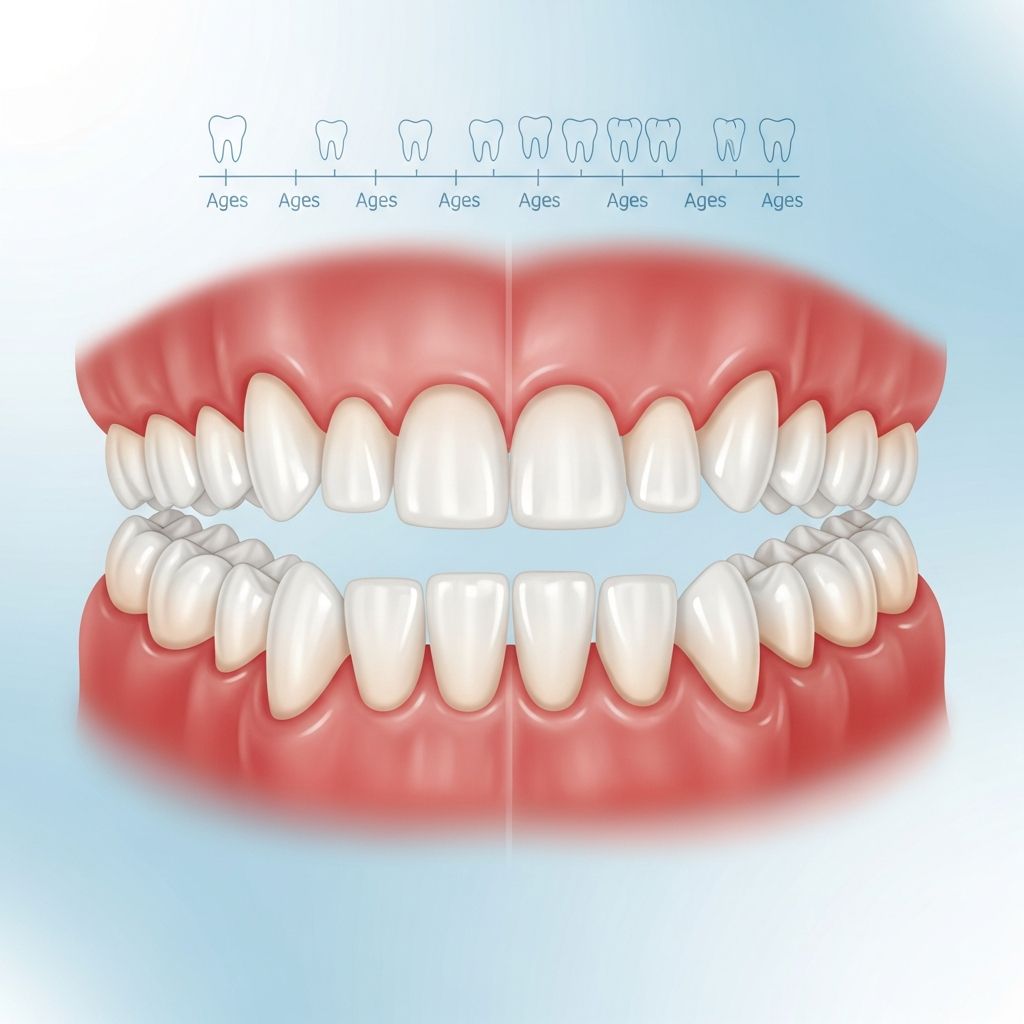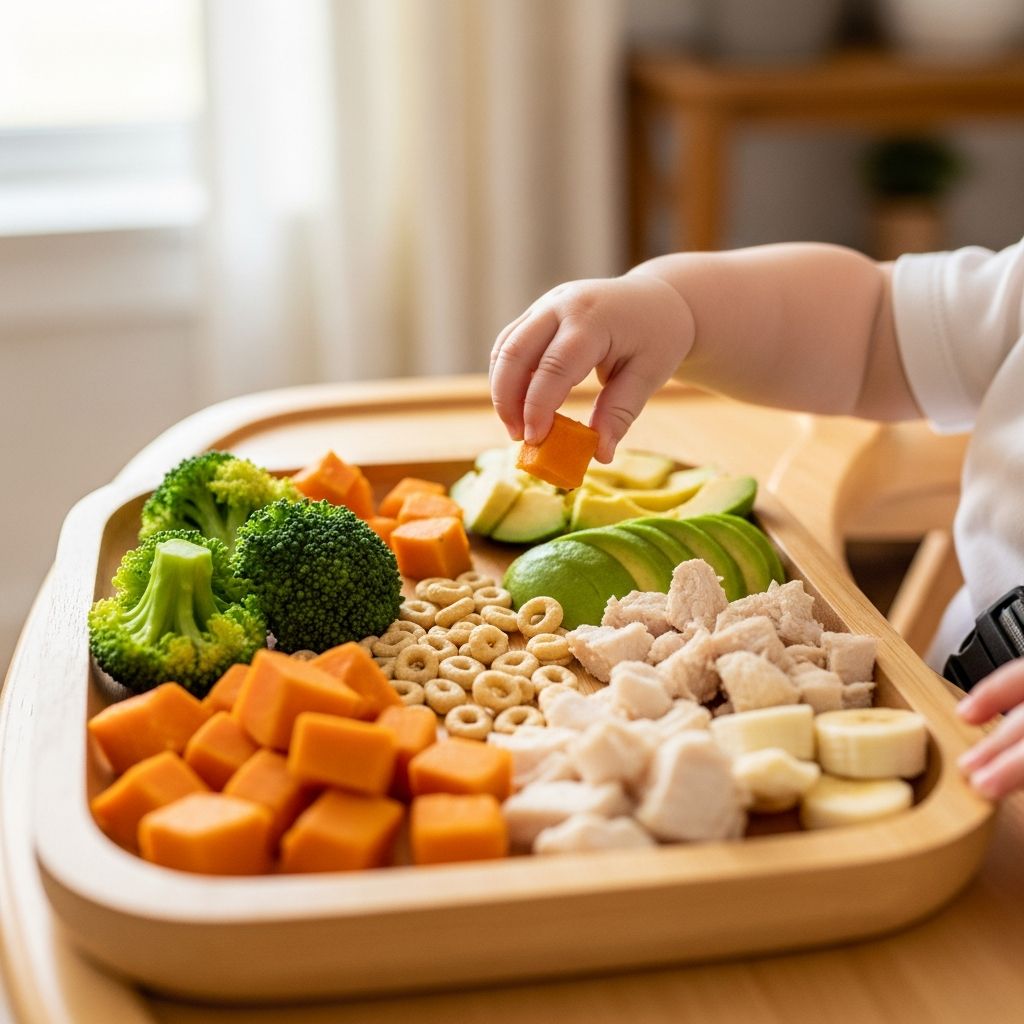
Finger foods are small, graspable pieces of food that babies and toddlers can pick up and eat on their own. They are an essential bridge between purees and regular family meals, helping little ones build independence, fine motor skills and confidence with real food.
What Are Finger Foods?
Finger foods are bite-sized pieces of soft, age-appropriate foods that children can manage with their hands. The goal is to offer foods that are easy to pick up, easy to mash with gums or teeth, and sized to reduce choking risk.
- Small pieces or soft strips of food a child can grasp.
- Textures that are soft enough to squash between fingers or gums.
- Foods that help children practice chewing, biting and self-feeding.
When Can Babies Start Finger Foods?
Most babies are ready to explore soft finger foods around 6 months of age, when they can sit with support and show good head and neck control. Some may start a little earlier or later depending on their development and your healthcare provider’s guidance.
Readiness signs often include interest in your food, bringing objects to the mouth and the ability to move food from the front to the back of the mouth. Always discuss concerns with a pediatrician if you are unsure whether your baby is ready.
Benefits of Finger Foods
Offering healthy finger foods early can support both nutrition and development. Babies and toddlers who self-feed learn to recognize their own hunger and fullness cues and become more comfortable with different textures.
- Supports hand-eye coordination and fine motor skills.
- Encourages chewing skills and oral-motor development.
- Builds confidence and independence at mealtimes.
- Introduces a variety of flavors, colors and food groups.
Safety Guidelines for Finger Foods
Safety is the top priority when introducing finger foods. Always stay with your baby or toddler while they are eating, and seat them upright in a highchair rather than letting them wander or recline with food.
Focus on texture and size to minimize the risk of choking. Foods should be soft enough to mash easily and prepared in shapes appropriate for your child’s stage, such as long, thin strips for early self-feeders and pea-sized pieces for older toddlers.
Choking Hazards to Avoid
Some foods are more likely to cause choking and are best avoided or heavily modified for young children. Hard, round or sticky foods are particularly risky for babies and toddlers.
- Whole nuts, large seeds and spoonfuls of nut or seed butter.
- Whole grapes, cherry tomatoes and large chunks of raw apple or carrot.
- Hard candies, popcorn, marshmallows and chewing gum.
- Hot dogs or sausages in coin shapes (always slice lengthwise, then into small pieces).
Safe Preparation Tips
How you prepare food matters just as much as what you serve. Adjust cooking methods and cutting styles as your baby’s skills improve.
- Cook firm vegetables and fruits until soft enough to pierce easily with a fork.
- Cut cylindrical foods (like grapes or cherry tomatoes) into quarters lengthwise.
- Shape early finger foods as long strips about the size of an adult finger for easier gripping.
- Remove tough skins, seeds and bones from meats and fish.
Finger Foods by Age and Stage
Although every child is different, it helps to think about finger foods by broad stages. Use these ranges as rough guides rather than strict rules.
| Age (approx.) | Skills | Food Shape and Texture |
|---|---|---|
| 6–8 months | Palmar grasp, starting to chew and mash with gums. | Very soft strips or wedges; foods that squish easily. |
| 8–10 months | Developing pincer grasp, better control of hand movements. | Soft cubes or pea-sized pieces; small, tender pasta shapes. |
| 10–12 months | More confident chewing and biting, improved self-feeding. | Small bites of most family foods if soft and appropriately cut. |
| 12 months+ | Toddler skills, stronger chewing and wider variety accepted. | Mixed textures, more complex meals, still cut into small pieces. |
Healthy Finger Foods from Each Food Group
A balanced diet for babies and toddlers includes a mix of fruits, vegetables, grains, proteins and dairy or suitable alternatives. Finger foods can include all of these groups, making it easy to build nutrient-dense meals and snacks.
Soft Fruits
Fruits provide natural sweetness, vitamins and fiber. Choose ripe, soft fruits for younger babies and cut them into age-appropriate pieces for toddlers.
- Banana sticks or small chunks.
- Soft ripe pear or peach slices, with skin removed if needed.
- Berries cut or lightly mashed (e.g., halved blueberries, mashed raspberries).
- Stewed apple slices or unsweetened applesauce offered on a loaded spoon.
Vegetables
Vegetables introduce a wide range of flavors and textures while providing key vitamins and minerals. Focus on soft-cooked options at first, then slowly add some raw options for older toddlers who can chew well.
- Steamed carrot sticks, broccoli florets or green beans.
- Soft roasted sweet potato wedges or cubes.
- Cucumber sticks with the seeds removed for toddlers.
- Peas or corn kernels for older babies who have developed a pincer grasp.
Starchy Foods and Grains
Starchy foods are an important source of energy for growing children. Choose minimally processed options most of the time and adjust size and texture for easy chewing.
- Soft toast fingers, pitta strips or small pieces of flatbread.
- Well-cooked pasta shapes, such as small shells, spirals or penne cut in half.
- Rice shaped into small clumps, or soft rice balls for easier gripping.
- Plain pancakes or waffles cut into strips, ideally low in added sugar and salt.
Protein-Rich Finger Foods
Protein foods support growth, tissue repair and immune function. Offer a variety of animal and plant proteins to broaden flavor and nutrient exposure.
- Shredded or finely chopped chicken, turkey or tender beef.
- Flaked cooked fish with all bones carefully removed.
- Soft cooked beans or lentils, lightly mashed for younger babies.
- Scrambled eggs broken into small, soft pieces.
- Bite-sized pieces of tofu or soft veggie patties.
Dairy and Alternatives
Dairy foods and fortified alternatives offer protein, fat and calcium. Make sure any dairy alternatives are unsweetened and appropriate for young children if you choose not to serve cow’s milk products.
- Strips or small cubes of mild cheese.
- Full-fat yogurt served on a spoon or as a dip for fruit and soft vegetables.
- Cottage cheese offered in small dollops or spread thinly on soft bread.
Simple Finger Food Meal Ideas
Once you understand the basics, building balanced plates becomes much easier. Aim to include at least three different food groups at meals and two groups at snacks when possible.
Below are some sample combinations that work well for babies ready for finger foods and for toddlers who are perfecting their self-feeding skills.
Sample Breakfast Ideas
- Soft banana slices, scrambled egg pieces and toast fingers with a thin spread of avocado.
- Mini oat pancakes cut into strips, stewed apple slices and a spoonful of full-fat yogurt.
- Soft cooked pear wedges, cottage cheese and small cubes of whole-grain bread.
Sample Lunch and Dinner Ideas
- Shredded chicken, soft sweet potato cubes and steamed broccoli florets.
- Flaked fish, soft peas and well-cooked pasta spirals with a light tomato or vegetable sauce.
- Mashed beans formed into small patties, roasted carrot sticks and ripe avocado chunks.
Healthy Snack Ideas
Snacks for babies and toddlers should be small, simple and nourishing. Think of them as mini-meals rather than treats, and avoid grazing all day to keep appetites for main meals.
- Soft fruit slices with cheese strips.
- Vegetable sticks with a yogurt- or bean-based dip for toddlers.
- Plain mini muffins made with fruit or vegetables, cut into small pieces.
- Rice cakes or soft crackers topped with thinly spread hummus or mashed avocado.
Practical Tips for Parents and Caregivers
Finger foods can be messy, but they are also a wonderful learning experience. A little preparation and patience go a long way toward smoother, calmer mealtimes.
- Offer small portions to start and add more if your child is still hungry.
- Expect mess and allow time for your child to explore and practice.
- Try to serve the same or similar foods to the whole family, adjusted for texture and size.
- Stay calm if your child refuses foods; repeated, low-pressure exposure works best.
Frequently Asked Questions About Finger Foods
1. How many times a day should I offer finger foods?
For babies starting solids, finger foods are often offered alongside breastmilk or formula at one or two meals a day, gradually increasing to three meals and snacks as your baby approaches the toddler years. As your child grows, finger foods naturally become part of most meals and many snacks.
2. Should I offer finger foods with purees or instead of them?
Many families use a mixed approach, serving both purees and finger foods during the same meal. This method can be a gentle way to support self-feeding while still offering spoon-fed foods for comfort and additional nutrients.
3. What if my baby gags on finger foods?
Gagging is common as babies learn to manage new textures and does not always mean the food is unsafe. However, if gagging is frequent or severe, consider offering softer textures, cutting foods into smaller pieces and speaking with a healthcare professional for personalized advice.
4. How can I tell if a food is the right texture?
A simple guide is that most early finger foods should be soft enough to mash easily between your thumb and forefinger. If you cannot squish it without effort, it is usually too firm for a young baby and may be better suited for an older toddler.
5. How do I introduce common allergens as finger foods?
Many common allergenic foods, such as egg, dairy, wheat, peanuts and tree nuts, can be introduced in safe forms once your baby is ready for solids, following guidance from your healthcare provider. Offer them in small amounts, one at a time, and watch for reactions, avoiding whole nuts or thick globs of nut butter that pose choking risks.
6. Can I use packaged snacks as finger foods?
Some packaged snacks designed for babies and toddlers can be convenient options, but it is still important to read labels and choose items lower in added sugar and salt. Whole foods such as fruits, vegetables, grains, dairy and simple proteins should remain the foundation of most meals and snacks.
7. How do I manage a picky toddler who refuses new finger foods?
Toddlers often go through phases of neophobia, or fear of new foods. Continue to offer small portions of new items alongside familiar favorites, without pressure, and expect that it may take many exposures before a new food is accepted.
Conclusion: Making Finger Foods Work for Your Family
Healthy finger foods for babies and toddlers do not have to be complicated. With simple ingredients, safe preparation and a relaxed attitude, you can help your child explore a wide range of foods, nourish their growing body and build positive mealtime habits that last well beyond the early years.