Understanding the Connection Between Yoga and Reproductive Health
The relationship between physical wellness and fertility has long been recognized in traditional medicine systems, and modern research continues to validate these connections. Yoga represents a holistic approach to enhancing reproductive capacity by addressing multiple physiological and psychological factors that influence conception. Through deliberate movement sequences and breathing techniques, practitioners can positively influence blood circulation, nervous system regulation, and hormonal balance—all critical components of a healthy reproductive system.
The practice of yoga for fertility operates on several interconnected principles. First, targeted physical postures help redirect blood flow toward reproductive organs, ensuring they receive adequate oxygen and nutrients. Second, yoga’s emphasis on stress reduction activates the parasympathetic nervous system, counteracting the cortisol elevation that can interfere with reproductive hormone production. Third, specific stretches and gentle pressure on the pelvic region can release muscular tension and emotional holding patterns that many individuals store in their hips and lower abdomen.
Restorative Postures for Pelvic Relaxation and Circulation
Restorative yoga poses create a foundation for fertility work by establishing deep relaxation and improved blood flow to the reproductive organs. These gentle postures are particularly valuable because they can be held for extended periods, allowing the body to fully release tension and adjust to new positioning patterns. Unlike more vigorous practices, restorative poses activate the body’s natural relaxation response, promoting the hormonal environment most conducive to conception.
Legs-Elevated Wall Technique
One of the most accessible and effective restorative poses involves positioning the body against a wall with legs elevated. To practice this variation, lie on your back with your lower body near a wall, then gently lift and rest your legs against the wall surface, creating approximately a 90-degree angle at your hips. This inversion promotes lymphatic drainage, reduces pelvic pressure, and encourages blood circulation back toward the heart and reproductive organs. The pose naturally softens vaginal wall musculature while promoting deep relaxation. Maintain this position for 10 to 15 minutes during quiet evening hours, focusing on slow, deliberate breathing patterns. This extended hold allows your nervous system to fully transition into a restorative state.
Reclined Hip Opening Variation
The reclined butterfly configuration offers another powerful restorative approach. Begin by lying on your back and positioning the soles of your feet together, allowing your knees to fall naturally outward toward the floor. To enhance comfort and support, place a bolster or pillow beneath your neck and spine. This pose gently stretches the inner thigh musculature and groin region, areas where many individuals unconsciously store stress and emotional tension. The position also creates a natural opening through the pelvic bowl, enhancing circulation throughout the reproductive organs. Hold this configuration for 3 to 5 minutes, breathing steadily and allowing your body to sink deeper into the stretch with each exhalation.
Dynamic Strengthening Postures for Reproductive Vitality
While restorative practices establish the foundation, dynamic strengthening postures build functional capacity and optimize blood flow through active engagement. These more vigorous poses stimulate reproductive tissues through movement and muscular activation, creating conditions for enhanced fertility.
Bridge Pose for Pelvic Activation
The bridge configuration effectively strengthens pelvic floor musculature while simultaneously stimulating reproductive organs through targeted compression and release. To perform this pose, lie on your back with knees bent and feet positioned hip-width apart, flat on the floor. Press through your feet to lift your hips and lower back off the ground, supporting your weight through your shoulders and upper back. Keep your chest lifted and arms extended along your sides. This position engages the pelvic muscles, improves blood supply to the uterus, and stimulates thyroid function—an important regulator of reproductive hormones. Maintain the pose for 30 to 60 seconds, breathing steadily throughout. This strengthening work creates a more supportive pelvic environment.
Cobra Configuration for Spinal Flexibility
The cobra pose works by softening spinal musculature and improving flexibility through the entire front body. Lie face-down on your mat, positioning your palms near your shoulders. Press through your hands to gently lift your torso, keeping your abdomen engaged with the floor. This gentle backbend sends fresh oxygenated blood toward the ovaries while boosting overall circulation that nourishes reproductive tissue. The pose also helps release tension stored in the lower back, an area closely connected to fertility function. Hold this position for 15 to 30 seconds, repeating 2 to 3 times during your practice session.
Hip-Opening Sequences for Pelvic Flexibility
The hip joints and surrounding tissues represent crucial focal points in fertility yoga, as tightness in these areas can restrict blood flow to reproductive organs and trap emotional tension. Dedicated hip-opening sequences systematically release this holding pattern, improving mobility and circulation throughout the pelvic region.
Garland Configuration
This deep hip opener gently expands the hip joint while strengthening tissues that directly support pelvic health. Begin in a standing position, then lower into a deep squat with your feet positioned hip-width apart or slightly wider. Your knees should point outward, and your hands can either press together in front of your chest or rest on the ground for balance. This posture gently stretches the hip flexors, inner thighs, and groin while creating subtle pressure on reproductive areas. The configuration also engages the core and pelvic floor muscles. Hold this position for 30 to 60 seconds, breathing deeply and allowing your body to sink lower with each exhale.
Frog Pose for Deep Hip Release
One of the most intense hip openers, the frog pose delivers a deep, restorative stretch that helps pelvic alignment remain balanced while supporting overall organ health. Begin on your hands and knees, then widen your knees as far as is comfortable, positioning your feet so the inner edges rest on the floor. Your hips should sink toward the ground, creating an intense but manageable stretch through your inner thighs and groin. Take 3 to 6 deep breaths in this position, or hold for up to 3 minutes as your flexibility improves. This pose directly targets the areas where reproductive tension often accumulates.
Extended Triangle Extension
This standing pose opens the hips through a different plane of motion while activating key reproductive structures. Stand with feet positioned wide apart, then rotate your right foot outward and extend your right arm forward. Hinge at your hips, lowering your right hand toward your right leg while extending your left arm upward. Your body forms one long line from your left fingertips to your back foot. This configuration opens the hip joint, improves pelvic circulation, and strengthens muscles supporting fertility. Hold each side for approximately 1 minute, breathing steadily throughout.
Flowing Movement Sequences for Hormonal Harmony
Rhythmic, flowing sequences create a harmonizing effect on hormonal systems while gently activating reproductive tissues through continuous movement. These dynamic practices help awaken the reproductive area and improve abdominal circulation.
Cat-Cow Oscillation Pattern
This fundamental flowing sequence synchronizes breath with movement, creating a wave-like action through the spine and abdomen. Begin on your hands and knees in tabletop position. As you inhale, drop your belly toward the floor, lift your gaze, and roll your shoulders back—this is the cow variation. As you exhale, round your spine, tuck your chin toward your chest, and draw your navel in—this is the cat position. Move between these two positions fluidly with your breath, repeating 10 to 15 cycles. The rhythmic motion stimulates hormonal production through spinal movement and awakens reproductive sensations in the lower abdomen.
Seated Forward Folding Technique
This gentle forward bend stimulates reproductive organs through compression and improved blood flow. Sit on your mat with both legs extended in front of you. Inhale to lengthen your spine, then exhale as you fold forward from your hips, reaching toward your feet or shins. Keep your back relatively straight rather than rounding excessively. This position helps improve reproductive organ function by increasing circulation, eases stress through forward folding’s calming effect, and stretches the hamstrings and lower back. Take 5 deep breaths in this position, allowing your body to relax deeper with each exhale.
Specialized Techniques for Pelvic Tissue Mobilization
Certain yoga-inspired techniques specifically target pelvic tissue mobilization and stagnation release, moving energy and blood through areas where circulation may have become blocked or restricted.
Sufi Rolling Practice
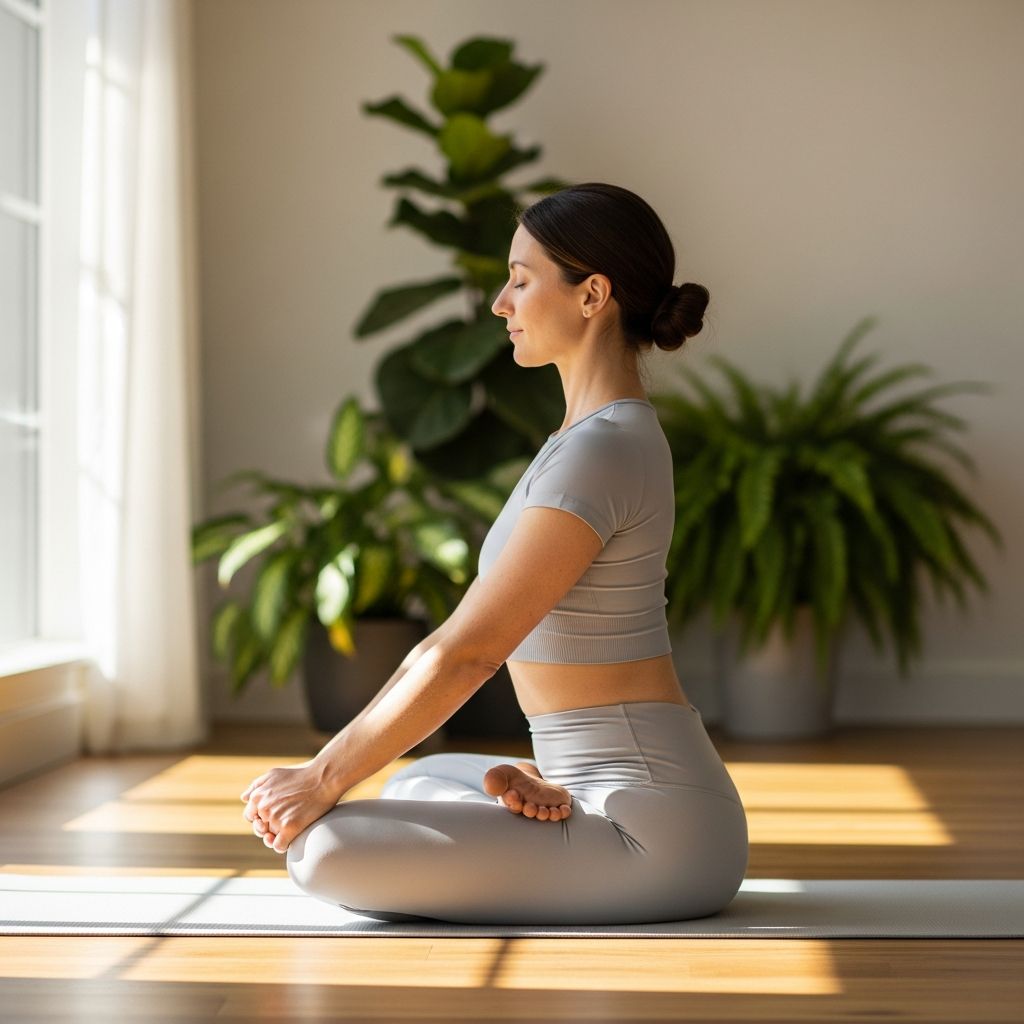
This circular movement pattern frees stagnation accumulated within the hip area while providing gentle massage to reproductive tissue. Sit cross-legged or in any comfortable seated position, then slowly make circular motions with your torso, allowing your weight to shift around your sitting bones. Move through 10 to 15 complete circles in each direction. This spiraling action massages the reproductive area while boosting lymphatic rhythm and releasing tension patterns held in the hips.
Spinal Rolling Movements
Gentle rolling movements along the spine massage the spinal base while regulating nervous system responses that influence fertility hormones. Lie on your back and slowly rock your spine against the mat, rolling gently from your upper back toward your lower back and then reversing. These 10 to 15 rolling rounds massage the nervous system while promoting digestive health and the parasympathetic activation necessary for conception.
Integration of Breath Work with Movement
Pranayama, or yogic breathing techniques, amplifies the fertility benefits of physical postures by directly influencing the nervous system and hormonal regulation. Incorporating specific breathing patterns elevates the reproductive benefits of your yoga practice. Deep, diaphragmatic breathing activates the parasympathetic nervous system, counteracting stress hormones that suppress reproductive function. When combined with yoga postures, intentional breathing patterns create a synergistic effect on fertility optimization.
One effective technique involves extending your exhalation beyond your inhalation, which triggers deeper relaxation and hormonal balance. During restorative poses, practice inhaling for a count of 4, holding for a count of 4, then exhaling for a count of 6. This extended exhale signals safety to your nervous system, promoting the internal environment most conducive to conception.
Creating Your Personal Fertility Yoga Sequence
An effective fertility yoga practice combines multiple pose categories into a coherent sequence that progresses from gentle warm-up through deeper work, concluding with restorative closure. A typical 30 to 45-minute session might begin with 5 minutes of gentle movement and breath awareness, followed by 10 minutes of dynamic strengthening postures, 15 minutes dedicated to hip openers and flexibility work, and conclude with 10 minutes of restorative poses emphasizing deep relaxation.
Consistency matters more than intensity when using yoga to support fertility. Practitioners report optimal results when maintaining a regular practice of 3 to 4 sessions weekly rather than occasionally engaging in intensive sessions. This consistent engagement allows your nervous system to remain in a parasympathetic state more frequently, creating sustained hormonal benefits.
| Pose Category | Duration/Repetitions | Primary Benefits | Frequency |
|---|---|---|---|
| Restorative Hip Openers | 3-15 minutes | Stress reduction, pelvic relaxation | Daily |
| Dynamic Strengthening | 30-60 seconds each | Pelvic muscle activation, blood flow | 3-4x weekly |
| Flowing Sequences | 10-15 repetitions | Hormonal harmony, circulation | 3-4x weekly |
| Tissue Mobilization | 10-15 rounds | Stagnation release, lymphatic movement | 2-3x weekly |
Frequently Asked Questions
Q: How quickly might someone expect to see fertility improvements from practicing fertility yoga?
A: Fertility improvements typically develop gradually over several months of consistent practice. While some individuals report reduced stress and improved pelvic sensation within weeks, significant improvements in menstrual regularity and reproductive hormone balance usually require 3 to 6 months of sustained engagement. The nervous system and hormonal systems respond best to gradual, consistent changes rather than intensive short-term efforts.
Q: Can fertility yoga be practiced alongside conventional fertility treatments?
A: Yes, fertility yoga complements conventional treatments effectively. Many fertility clinics recommend yoga as a supportive practice during IVF cycles, as it reduces stress and promotes blood circulation to reproductive organs. However, individuals undergoing active fertility treatment should consult with their healthcare provider or fertility specialist before beginning a new yoga practice, particularly regarding intensity and specific poses that might interact with their treatment protocol.
Q: Is fertility yoga appropriate for individuals with pelvic pain or endometriosis?
A: Many individuals with pelvic conditions benefit from gentle, restorative fertility yoga practices. However, certain dynamic poses might intensify symptoms for some people. Working with a yoga instructor experienced in pelvic health and fertility allows for pose modifications that respect individual limitations while still providing benefits. Always prioritize comfort over depth in any yoga practice, and discontinue poses that cause sharp or increasing pain.
Q: What is the optimal time of day to practice fertility yoga?
A: Evening practice often produces the most profound relaxation benefits for fertility, as the nervous system can fully transition into parasympathetic activation without the competing demands of daily activities. However, morning practice can effectively energize and prepare your body for the day. The most important factor is consistency—practicing at the same time daily helps establish a hormonal rhythm that supports fertility objectives.
Q: Are there specific yoga styles that work best for fertility enhancement?
A: Gentler yoga styles such as Restorative, Yin, and Slow Vinyasa typically provide superior fertility benefits compared to more intense styles like Power or Hot Yoga. These moderate-intensity practices activate parasympathetic nervous system function while still improving circulation and flexibility. High-intensity practices can sometimes elevate cortisol, potentially interfering with reproductive hormones, so emphasize stress reduction over cardiovascular challenge.
References
- Fertility Yoga: Top 11 Yoga Poses That Help Boost Fertility — Conceive India IVF. 2023. https://conceiveindiaivf.com/fertility-yoga-top-11-yoga-poses-that-help-boost-fertility-2023-new/
- 12 Fertility Yoga Asanas that Can Help You Conceive — Banker IVF. https://bankerivf.com/blog/fertility-yoga-asanas-that-can-help-you-conceive/
- Yoga to Conceive Fast: Top Poses to Improve Fertility — Indira IVF. https://www.indiraivf.com/blog/yoga-to-conceive-fast
- 7 Yoga Poses That Help Boost Fertility — Genesis Fertility NY. https://www.genesisfertility.com/blog/7-yoga-poses-that-help-boost-fertility/
- Fertility Yoga: 10 Poses & Routines for When You’re TTC — Miracare. https://shop.miracare.com/blogs/resources/at-home-yoga-poses-that-boost-fertility
- Practicing Yoga for Fertility — The Womb Room. https://www.wombroom.mom/post/yoga-for-fertility