Fertility potential changes predictably with age due to declining egg quantity and quality, but targeted strategies can significantly improve conception odds at every stage. Women under 30 enjoy peak fertility with about 25% monthly natural success rates, dropping to 20% in early 30s, 15% mid-30s, and under 5% by 40. Understanding these shifts empowers proactive steps for natural conception, lifestyle tweaks, or assisted reproductive technologies like IVF, where success can reach 54% per cycle under 35.
Understanding Age-Related Fertility Dynamics
A woman’s reproductive lifespan hinges on her ovarian reserve, the pool of eggs present from birth that diminishes over time. Peak fertility occurs in the mid-20s, with roughly 25% of eggs genetically normal at ages 25-30, escalating to 60% abnormal by 38-40 and 90% by 44. This chromosomal anomaly rise, termed aneuploidy, drives lower implantation rates, higher miscarriage risks (1 in 62 at 40 vs. 1 in 475 at 25), and age-linked infertility.
Male fertility also wanes post-40, though less sharply, affecting sperm motility and DNA integrity. Combined parental age impacts outcomes, underscoring couple-wide health focus. Anti-Müllerian hormone (AMH) levels reflect reserve: 5.4 ng/ml at 25, falling to 1.3 at 40 and 0.07 over 43, guiding clinical assessments.
Fertility Odds in Your 20s: Capitalizing on Prime Window
The 20s represent optimal fertility, with 25% natural monthly pregnancy chance and 86% success within one year for ages 20-24. Egg quality peaks, miscarriage risk stays low, enabling swift family starts.
- Track Ovulation Precisely: Use apps, basal body temperature, or ovulation predictor kits for fertile window accuracy, boosting odds by timing intercourse.
- Maintain Ideal Weight: BMI 18.5-24.9 optimizes hormones; excess fat disrupts cycles, underweight impairs ovulation.
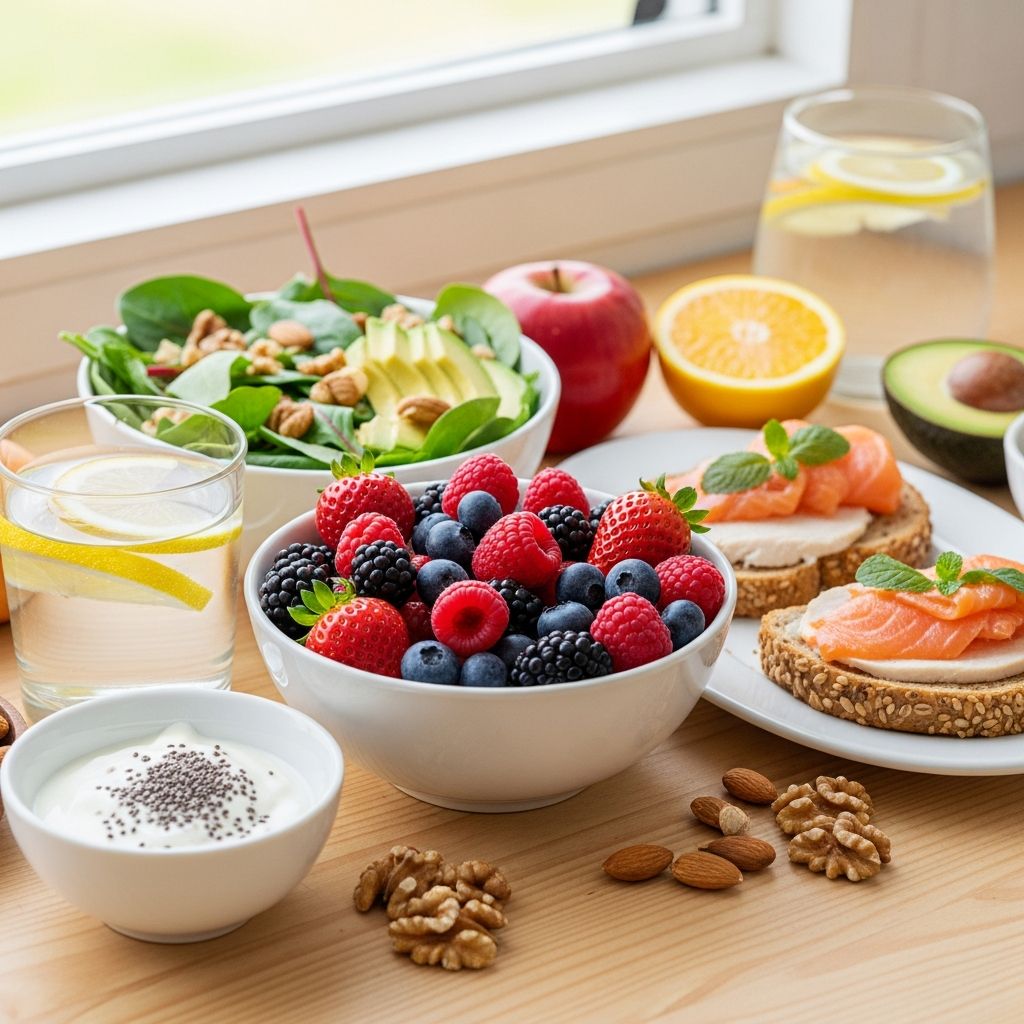
- Adopt Balanced Nutrition: Folate-rich foods (leafy greens, legumes), omega-3s (fish, nuts), and antioxidants support egg health.
- Limit Toxins: Avoid smoking (halves fertility), cap alcohol at 1 drink/day, minimize caffeine under 200mg daily.
- Exercise Moderately: 150 minutes weekly aerobic activity enhances circulation without overtraining stress.
Even in prime years, 15% take over a year; consult if no success in 12 months under 35.
Navigating 30s Fertility: Strategies Amid Gradual Decline
Early 30s hold strong 20% monthly odds, 78% yearly for 25-29, dipping to 63% for 30-34 and 52% for 35-39. From 35, aneuploidy hits 35-45%, elevating miscarriage to 1 in 178.
| Age Group | Natural Monthly Chance | 1-Year Success |
|---|---|---|
| 30-34 | 20% | 63% |
| 35-39 | 15% | 52% |
Enhancement Tactics:
- Preconception Checkup: Screen for PCOS, thyroid issues, or low reserve via AMH/FSH tests; treatable conditions restore fertility.
- Supplements Evidence-Based: CoQ10 (200-600mg) combats oxidative stress on eggs; prenatal vitamins with 400-800mcg folic acid prevent defects.
- Stress Management: Yoga, meditation lower cortisol, which hampers ovulation; acupuncture shows promise in trials.
- Optimize Partner Health: Men’s sperm quality dips; zinc, selenium, and abstinence 2-5 days pre-ovulation aid.
- Fertility Preservation: Egg freezing before 35 yields 30-40% live birth per 10 eggs thawed.
Overcoming 40s Challenges: Advanced Options Shine
Post-40, natural odds plummet below 5% monthly, 44% yearly under 40 overall, with 60-90% eggs aneuploid. Miscarriage risk soars to 1 in 18 by 45.
| Age | IUI Success/Cycle | IVF Success/Cycle (Own Eggs) |
|---|---|---|
| <35 | 13% | 54% |
| 35-37 | 10% | 40% |
| 38-40 | 7% | 26% |
| 40+ | 4% | 8% |
Key Interventions:
- Assisted Reproduction: IVF with preimplantation genetic testing (PGT) selects euploid embryos, lifting success.
- Donor Eggs: Young donor eggs maintain 50% IVF rates regardless of recipient age.
- Lifestyle Overhaul: Quit smoking entirely (accelerates ovarian aging); Mediterranean diet rich in veggies, fish boosts outcomes.
- Hormone Support: DHEA supplements may improve responders over 40; consult specialists.
- Regular Monitoring: Frequent ultrasounds track follicles; clomiphene or letrozole induces ovulation.
Lifestyle Foundations for All Ages
Universal habits amplify fertility across decades:
- Sleep Hygiene: 7-9 hours nightly regulates reproductive hormones.
- Environmental Caution: Dodge BPA plastics, pesticides; choose organic produce.
- Vaccinations Up-to-Date: Rubella immunity prevents complications.
- Dental Health: Infections link to infertility; routine checkups essential.
Evidence underscores: Smokers’ fertility drops 30%; moderate exercise raises success 20-30%.
Medical Evaluations and When to Seek Help
Under 35, investigate after 12 months; over 35, after 6. Tests include semen analysis (40% male factor), hysterosalpingogram for tubes, laparoscopy for endometriosis. Fertility awareness clinics aid planning, with 65% low-risk women conceiving spontaneously in 12 months.
Frequently Asked Questions
What’s the best age for natural conception?
A: Mid-20s offer 25% monthly odds; still viable into early 30s at 20%.
Does IVF overcome age effects?
A: Partially with own eggs (54% under 35 to 8% over 40), fully with donor eggs at ~50%.
Can lifestyle truly boost fertility over 40?
A: Yes, optimizing weight, diet, and avoiding toxins improves egg quality and IVF response.
How accurate are fertility apps?
A: Effective for tracking when combined with BBT/OPKs, increasing timed intercourse success.
Is egg freezing worthwhile?
A: Before 35, 30-40% live birth chance per 10 eggs; ideal for delayers.
Empowering Your Path Forward
Age informs but doesn’t dictate fertility; data-driven choices—from tracking cycles in 20s to IVF in 40s—maximize outcomes. Consult reproductive endocrinologists for personalized plans, blending natural vigor with medical advances for joyful parenthood.
References
- Chance of Pregnancy by Age: Naturally vs. IUI vs. IVF — New Hope Fertility. 2023. https://www.newhopefertility.com/blog/chance-of-pregnancy-by-age-naturally-vs-iui-vs-ivf/
- Odds of Getting Pregnant at Any Age: Fertility by Age — RMA Network. 2023. https://rmanetwork.com/blog/what-are-my-odds-of-getting-pregnant-at-any-age/
- What Are Your Odds of Getting Pregnant? Age Chart, Ages 20-40 — CCRM IVF. 2023. https://www.ccrmivf.com/fertility/age-and-infertility/
- Knowledge about the impact of age on fertility: a brief review — PMC (NCBI). 2020-12-01. https://pmc.ncbi.nlm.nih.gov/articles/PMC7721003/
- Facts & Figures | Fertility Statistics — Extend Fertility. 2023. https://extendfertility.com/your-fertility/fertility-statistics-by-age/