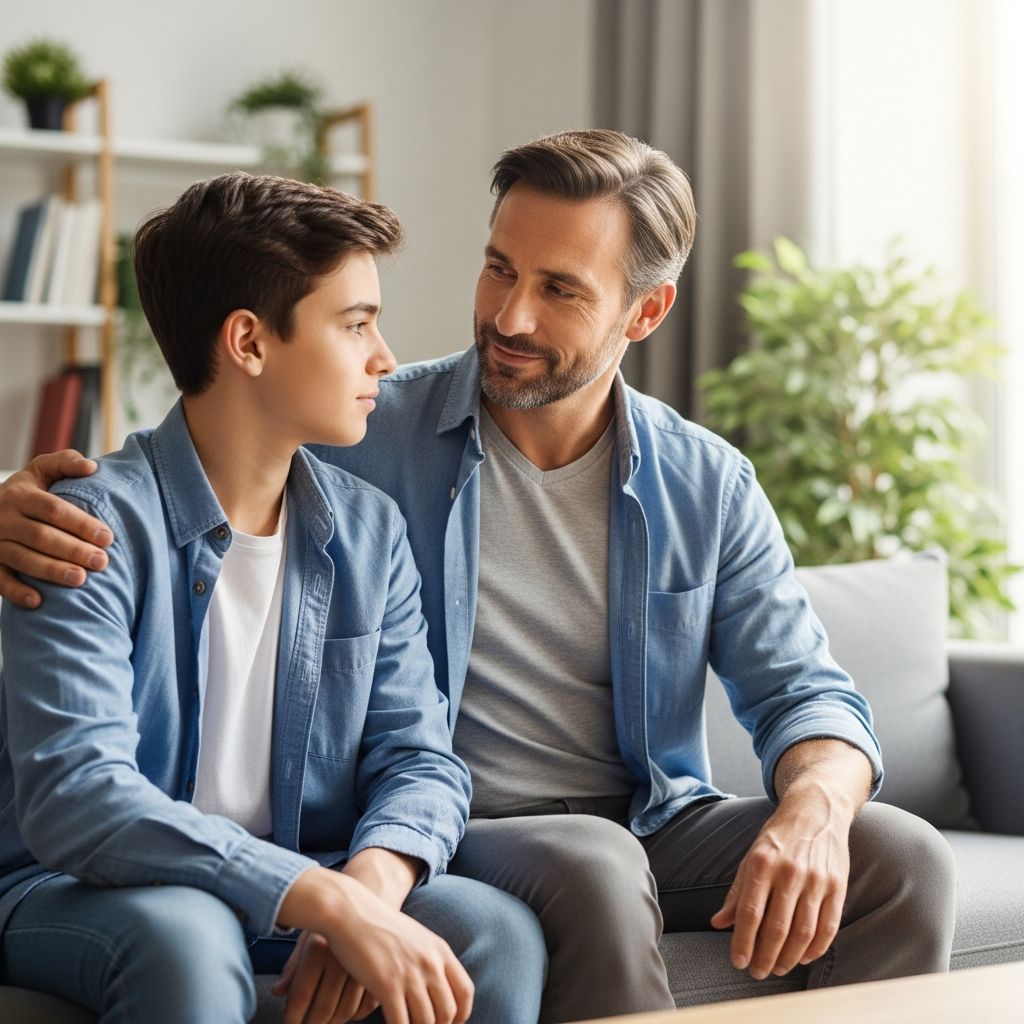
Fathers play a pivotal role in their sons’ emotional and psychological growth, particularly when questions arise about sexual orientation. Open communication, unconditional love, and informed understanding can foster resilience and self-acceptance in children navigating their identity.
Understanding Sexual Orientation in Boys
Sexual orientation refers to an enduring pattern of emotional, romantic, and sexual attractions to men, women, or both. It typically emerges during adolescence but may show early indicators through behavior and preferences. Research indicates that while biology contributes, family dynamics, especially father-son bonds, influence gender identity and relational patterns.
Studies have explored how atypical childhood gender behaviors correlate with later same-sex attractions, often linked to emotional distance in father-son relationships rather than orientation itself. For instance, boys exhibiting cross-gender traits in youth reported poorer paternal connections, suggesting that relational factors shape identity formation.
The Critical Role of Father-Son Bonding
A strong father-son relationship provides a foundation for masculine identification and emotional security. When this bond forms early, boys develop confidence in their gender role and peer interactions. Conversely, emotional detachment can lead to feelings of rejection, impacting self-perception.
Clinical observations note that fathers of boys with gender nonconformity often struggle to engage emotionally, deferring to mothers and repeating patterns from their own upbringing. This avoidance hinders the son’s ability to internalize positive male role models, potentially exacerbating identity struggles.
- Key bonding elements: Regular shared activities like sports or outdoor adventures build trust.
- Affirmation needs: Boys crave affection, attention, and approval from dads to affirm their worth.
- Proactive steps: Focus on temperament matches; invest extra time with sensitive or nonconforming sons.
Recognizing Early Indicators Without Assumptions
Parents may notice signs such as preference for female playmates, aversion to rough play, or emotional sensitivity. These do not predetermine orientation but highlight areas for support. Importantly, such traits alone do not cause homosexuality; they interact with family environment.
Evidence from multiple studies shows that boys with distant paternal ties and feminine behaviors in childhood are more likely to identify as androphilic (attracted to men), distinguishing this from erotic preference by linking it to gender nonconformity.
| Potential Indicator | Healthy Response |
|---|---|
| Preference for non-competitive play | Encourage diverse activities without pressure |
| Close bonds with mother over father | Initiate one-on-one dad-son time |
| Sensitivity to criticism | Offer consistent praise and gentle guidance |
Building a Resilient Father-Son Connection
To strengthen ties, fathers should prioritize presence over perfection. Engage in the “three A’s”: affection through hugs and words, attention via undivided focus, and approval with specific commendations. These counteract detachment and promote secure attachment.
For families with existing distance, therapeutic interventions help. Prepared dialogues allow sons to express needs constructively, while fathers learn to respond beyond their emotional blocks. This process rebuilds trust, aiding the son’s path to healthy identity.
When Your Son Comes Out: Responding with Grace
Discovery of a son’s gay identity can evoke shock, grief, or fear. Dads often worry about societal challenges or personal regrets in past parenting. The key response is unconditional love, affirming the son as cherished regardless of orientation.
Forums and personal accounts reveal fathers regretting emotional unavailability, vowing to heal rifts. Approach calmly: express love, apologize for past shortcomings, and commit to ongoing support without demanding changes.
“I love my son unconditionally; I want him to know that.” – A father’s reflection on rebuilding after learning of his son’s orientation.
Navigating Family Dynamics and Support
Mothers may act as intermediaries, but fathers must step forward. Involve the whole family in open discussions, possibly with counseling. Professional guidance from therapists experienced in sexual orientation helps address underlying hurts and fosters empathy.
Research emphasizes that pushing heteronormative behaviors harms more than helps; instead, nurture the bond to support natural development.
Long-Term Outcomes and Family Healing
Families who prioritize acceptance report stronger relationships and son well-being. Sons with supportive dads show lower rates of mental health issues, thriving in authenticity. Fathers, too, find growth through vulnerability and renewed connection.
While some older theories linked poor fathering causally to homosexuality, contemporary views highlight multifactorial influences. Focus remains on relational repair for all outcomes.
Frequently Asked Questions (FAQs)
Can a father influence his son’s sexual orientation?
No direct causation exists, but strong bonding supports healthy gender identity and reduces distress. Proactive engagement helps regardless of outcome.
What if my son shows feminine traits young?
Observe without judgment; provide affirming male role models and activities. Consult professionals if distress is evident.
How do I start repairing a distant relationship?
Begin with small, consistent interactions. Seek therapy for guided communication expressing needs mutually.
Is homosexuality linked to poor parenting?
Studies correlate it with father-son distance and childhood gender atypicality, but not as sole cause. Many factors interplay.
What support exists for fathers of gay sons?
Counseling, support groups, and resources like podcasts from fathers’ perspectives offer solidarity and strategies.
This article draws on psychological research and clinical insights to empower fathers. Prioritize love and presence for your son’s flourishing.
References
- Is the distant relationship of fathers and homosexual sons related to the sons’ erotic preference for male partners, or to the sons’ atypical gender identity… — PubMed. 1983-10-01. https://pubmed.ncbi.nlm.nih.gov/6644002/
- FATHERS OF MALE HOMOSEXUALS — Joseph Nicolosi. N/A. https://www.josephnicolosi.com/articles/fathers-of-male-homosexuals/
- Can A Dad Prevent His Son from Becoming Gay — Forging Bonds. N/A. https://www.forgingbonds.org/blog/detail/can-a-dad-prevent-his-son-from-becoming-gay
- Wanting to be the Dad his gay son needs — Beyond Blue Forums. N/A. https://forums.beyondblue.org.au/t5/sexuality-and-gender-identity/wanting-to-be-the-dad-his-gay-son-needs/td-p/11749
- 143: Love: From Our Perspective | Fathers of Gay Sons — YouTube. N/A. https://www.youtube.com/watch?v=PvBnKBKaZug