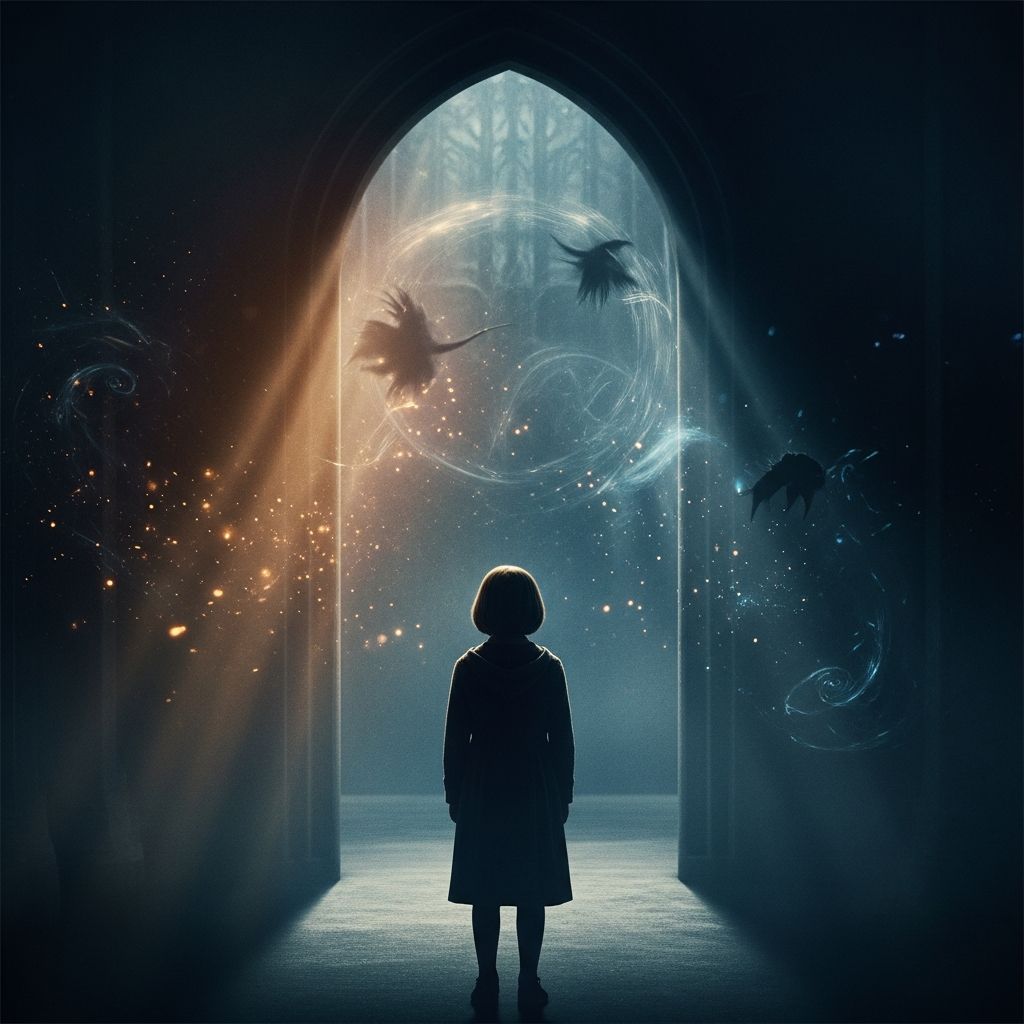
“Fantastic Beasts: The Crimes of Grindelwald” expands the Wizarding World with darker magic, more intense conflict, and complex emotional themes, so many parents naturally wonder how well it fits young viewers.
The film carries a PG-13 rating for sequences of fantasy action and runs over two hours, which signals that it targets tweens, teens, and older fans rather than very young children.
Quick Answer for Busy Parents
For most families, “Fantastic Beasts: The Crimes of Grindelwald” is best suited to children around 12 and up, especially those already comfortable with the darker later Harry Potter films.
Parents of sensitive or younger viewers should be aware of frequent peril, intense magical battles, some disturbing off-screen deaths, and heavy emotional themes like manipulation, betrayal, and loss.
- Official rating: PG-13 for fantasy action sequences.
- Good fit: Kids used to darker fantasy (later Harry Potter movies, superhero films with serious stakes).
- Use caution: Highly sensitive kids, younger than 12, or children who struggle with frightening imagery or tragic storylines.
What the Rating Really Means
The PG-13 label indicates that some material may be inappropriate for pre-teens, mainly because of sustained fantasy violence and intense sequences rather than gore, profanity, or sexual content.
There is no significant sexual content or strong language, and scenes involving alcohol are mild, which shifts the main concern firmly onto tone, peril, and dark story elements.
| Category | Level | Notes |
|---|---|---|
| Violence & peril | Moderate to strong | Frequent magical battles, deaths (some implied), intense chases, and destructive fire sequences. |
| Frightening imagery | Moderate | Dark wizard, sinister creatures, and ominous settings that may unsettle younger viewers. |
| Language | Low | No notable coarse language flagged in major parental guides. |
| Sex & romance | Very low | No explicit sexual content; romantic tension and past relationships are mostly implied. |
| Alcohol & substances | Mild | Occasional adult characters drinking, presented matter-of-factly. |
| Running time | 134 minutes | Longer runtime may tax younger kids’ attention and emotional stamina. |
How Dark Is the Story?
This installment leans further into political tension, moral ambiguity, and the rise of a dangerous, charismatic dark wizard who rallies followers with extremist ideas.
The narrative touches on subjects like pure-blood supremacy, war, and the burden of family secrets, which can be powerful but also heavy for kids who mainly expect whimsical creatures and lighthearted spells.
- The central villain is persuasive and manipulative, appealing to feelings of fear and injustice in others.
- Several characters struggle with identity, loyalty, and guilt, making the tone more somber than typical children’s fantasy.
- Flashbacks and revelations about past trauma and complicated family histories add emotional weight.
Violence, Scares, and Intense Moments
Although the film avoids graphic gore, it includes a steady stream of magical battles, fatal spells, and dire situations that create an almost constant sense of danger.
Some sequences suggest the deaths of vulnerable characters off-screen, and a climactic scene involving supernatural fire is visually spectacular but can be frightening and emotionally overwhelming.
Examples of Potentially Disturbing Content
- Characters are killed by wand blasts or consumed by magical fire, sometimes with little warning, which can shock younger viewers.
- There are tense pursuits, imprisonments, and escapes that sustain a high level of suspense.
- Certain creatures look eerie or monstrous, and transformations can be sudden and unsettling.
- An implied harm to a baby and other civilians underlines the villain’s ruthlessness without graphic detail but with strong emotional impact.
Because of this intensity, children who are especially attuned to violence against innocents, or to imagery involving fire and destruction, might carry these scenes with them long after the credits.
Emotional Themes Your Child Will Encounter
Beneath the spells and creatures, the film focuses on heavy emotional issues like regret, betrayal, and the temptation to join a cause that promises belonging at a terrible cost.
Characters wrestle with secrets, adoption questions, and unsure family histories, which can resonate deeply with children navigating their own sense of identity or complicated family structures.
- Belonging and identity: Several characters wonder where they come from and who they truly are, making the story poignant but potentially triggering for kids already anxious about their own background.
- Loyalty vs. morality: Characters must decide whether to follow authority figures they admire or do what they feel is right, even at a personal cost.
- Regret and guilt: The idea that adults can carry secrets and remorse for years is a major theme, which might prompt deeper questions at home.
Age-by-Age Viewing Guide
Every child is different, but general age-based guidance can help you decide whether to watch now, wait a bit, or skip this chapter until your child is older.
Consider not just age but also your child’s previous exposure to darker fantasy, ability to sit through a long film, and emotional resilience to loss and high-stakes conflict.
Under 9 Years
- Most experts and parental guides do not recommend this movie for younger children due to its dark tone and intense sequences.
- Length, complex plotting, and implied harm to innocents make it more demanding than typical children’s fantasy.
- Consider lighter Wizarding World entries or other magical films with milder peril for this age.
Ages 9–11
- Some mature nine- to eleven-year-olds familiar with later Harry Potter films might handle the intensity, but guidance is strongly recommended.
- Watching together, pausing to explain political and emotional subplots, and debriefing afterward can make the experience less overwhelming.
- Highly sensitive children may still find recurring peril and tragic outcomes distressing.
Ages 12–13
- Many parenting resources suggest that this is the age where the movie becomes more broadly appropriate, with active parental engagement.
- Tweens at this stage can better follow complex storylines and discuss moral choices, propaganda, and manipulation.
- Some visual and emotional moments may still be intense, so be ready to talk through reactions.
14 and Up
- Most teens who enjoy fantasy or are invested in the Wizarding World are likely to handle the film’s content without undue distress.
- Older viewers can engage critically with the film’s politics, parallels to real-world extremism, and questions of moral responsibility.
Questions to Ask Before You Buy Tickets
Thinking through a few practical and emotional questions beforehand can help you make a confident decision that fits your child, not just the age rating.
Use the prompts below as a quick checklist to decide whether to stream, see in theaters, or hold off for now.
- Has your child already watched and comfortably handled the darker Harry Potter films (especially the last three)?
- Does your child tend to replay frightening scenes in their mind or have trouble sleeping after scary content?
- Is your child interested in complex stories with many characters and political undertones, or do they get frustrated by dense plotting?
- Do you have time and emotional bandwidth to talk through questions about death, extremism, and betrayal afterward?
How to Support Sensitive Viewers
If you decide to let a more sensitive child watch, preparation and follow-through can make the experience feel safer and more manageable.
Managing expectations, watching in a familiar environment, and taking breaks when needed all help kids regulate their emotions around intense scenes.
Before Watching
- Explain that this chapter is darker and more serious than some earlier Wizarding World films, with higher stakes and sadder moments.
- Briefly outline that not every character survives, without detailing specific plot points, so kids aren’t blindsided by loss.
- Let your child know they can ask to pause, skip a scene, or stop if they feel overwhelmed.
During the Film
- Watch together rather than having your child view alone, especially for ages under 12.
- Use intense sequences as opportunities to offer quiet reassurance or physical closeness if your child welcomes it.
- Remind them that the world on screen is fictional and that special effects make the magic and destruction appear real.
Afterward
- Ask what parts felt the scariest or saddest and why, acknowledging those feelings without minimizing them.
- Talk about which characters made brave or kind choices, balancing the darkness with examples of courage and empathy.
- Return to lighter stories or comforting routines if your child seems shaken after viewing.
Themes You Can Turn into Teachable Moments
Although the film can be intense, it also opens doors to meaningful conversations about ethics, prejudice, and resisting harmful ideologies.
Discussing these ideas helps children process what they have seen and connect it to real-life values in age-appropriate ways.
- Power and responsibility: Explore how characters use magic either to protect or to dominate others, and what that says about character.
- Following vs. thinking: Contrast characters who blindly follow a charismatic leader with those who question and resist.
- Family and found family: Talk about how bonds can be chosen as well as inherited, and how loyalty sometimes means making difficult choices.
- Standing up for others: Highlight moments where characters defend the vulnerable or reject bigoted ideas.
Frequently Asked Questions
Is “The Crimes of Grindelwald” scarier than the first Fantastic Beasts film?
Most parents and reviewers consider it darker and more intense than the first “Fantastic Beasts” movie, with higher stakes, more sustained peril, and heavier storylines.
The tone moves closer to the final Harry Potter films than to the earlier, more whimsical school-year adventures.
Can my child watch this without seeing the first Fantastic Beasts film?
Children can technically follow the main conflict, but the dense plot and many returning characters make much more sense if they’ve seen the first film.
Because the sequel is also darker, it often helps to start with the earlier, slightly lighter entry to ease them into this corner of the Wizarding World.
Is there strong language, sex, or graphic gore?
Parental guides generally note little to no coarse language, no explicit sexual content, and violence that is intense but not graphic.
The primary concerns are emotional heaviness, frightening imagery, and repeated death or destruction in a magical context.
What if my child only cares about the creatures?
The film still includes imaginative magical animals and some humorous moments with them, but the creature focus is less central than in the first movie.
If your child mainly wants creature-centric fun, the darker political and emotional plot may feel slow, confusing, or more upsetting than they expect.
Should we watch this at home or in a theater?
For younger or more sensitive kids, watching at home offers the advantage of pausing, discussing, or skipping particularly intense scenes.
The big-screen experience emphasizes spectacle and sound, which can heighten both excitement and fear, so consider your child’s reaction to loud, immersive environments.
Final Thoughts for Parents
“Fantastic Beasts: The Crimes of Grindelwald” can be a rewarding watch for older kids and teens who are ready for darker fantasy, complex politics, and emotionally weighty twists.
For younger or sensitive viewers, however, the mix of sustained peril, implied deaths, and somber themes is likely too much, so most families will be best served by waiting a few years or choosing a lighter magical adventure instead.