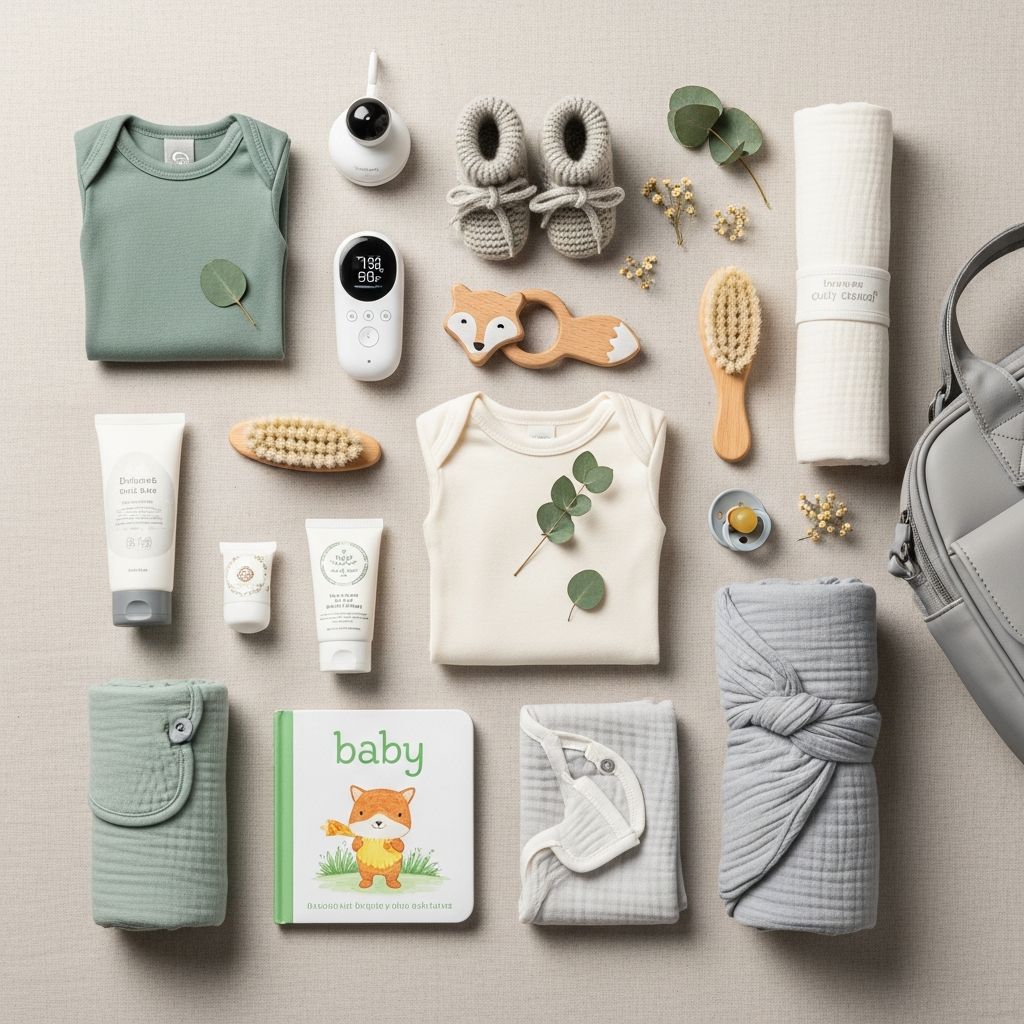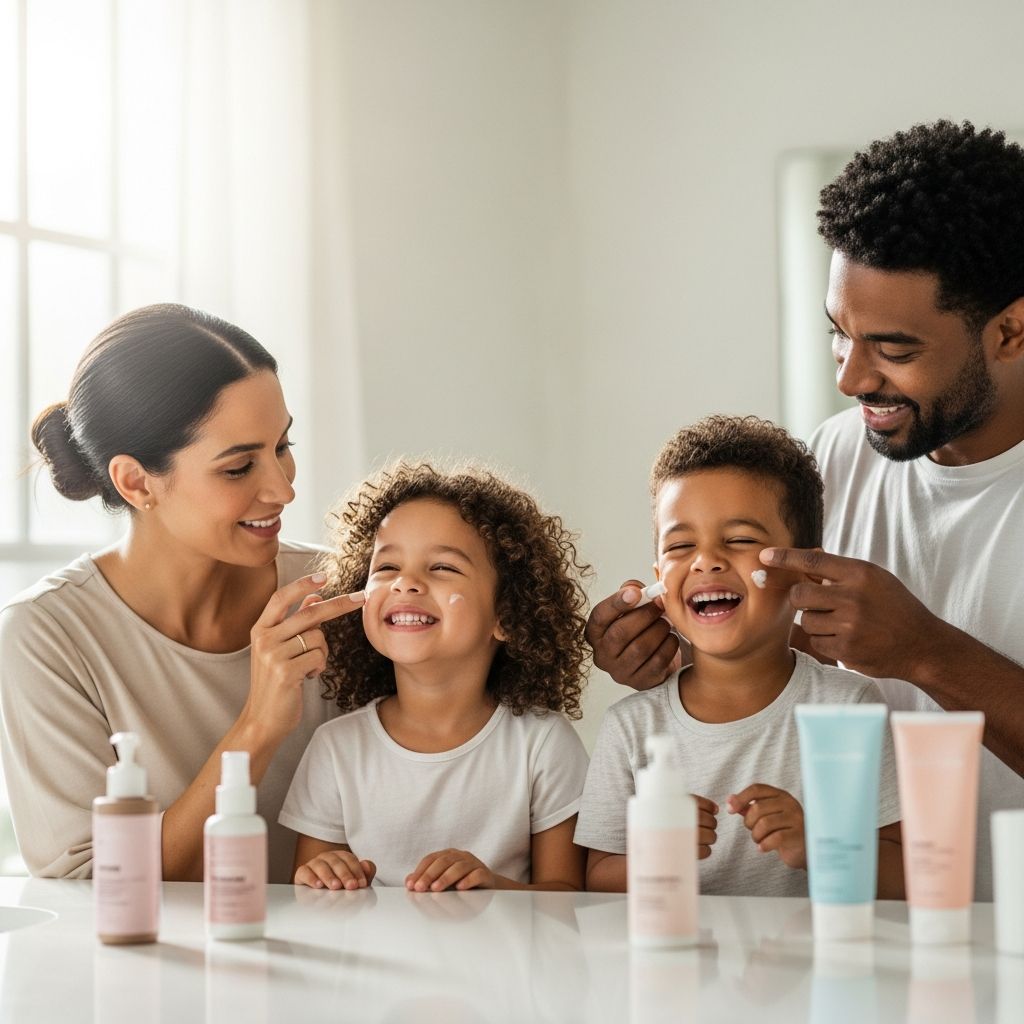
Creating a skincare routine that works for the entire family can transform daily care into meaningful moments of connection. For parents juggling endless responsibilities, integrating gentle, shared products simplifies life while ensuring everyone’s skin stays healthy and hydrated. This approach emphasizes safety, natural ingredients, and ease, making it perfect for households with infants, toddlers, and growing kids.
Why Shared Skincare Strengthens Family Ties
Skincare goes beyond cleansing and moisturizing—it’s an opportunity for bonding. When moms and children use the same safe products, it builds trust and routine. Busy parents often skip their own care, but family-focused options restore balance. Natural balms and creams, free from harsh chemicals, protect delicate skin barriers for all ages, reducing irritation risks and promoting long-term health.
Experts highlight that consistent, simple habits yield the best results. For instance, fragrance-free formulas prevent allergies, crucial for babies’ sensitive skin and parents dealing with postpartum changes. This shared practice also teaches children self-care early, instilling lifelong wellness values.
Building a Simple Daily Routine for Everyone
A streamlined routine takes mere minutes yet delivers glowing results. Start mornings with a gentle cleanse, followed by moisturizer and sun protection. Evenings focus on repair and hydration. Adapt for ages: babies need minimal steps, while older kids can join in fun applications like face masks.
- Cleansing: Opt for mild, soap-free washes that preserve natural oils. Avoid sulfates to prevent dryness.
- Hydration: Multi-use balms with shea butter, beeswax, and plant oils nourish deeply without greasiness.
- Protection: Broad-spectrum SPF is essential daily, even indoors, using mineral-based options safe for little ones.
For busy mornings, combine steps with tinted SPF moisturizers. Nightly, a quick balm application soothes the day’s stresses, prepping skin for renewal.
Safe Ingredients for Sensitive Family Skin
Choosing products certified for purity ensures safety. Look for labels like COSMOS organic or allergy-tested seals, confirming no irritants or synthetics. Key heroes include calendula for soothing rashes, chamomile for calming inflammation, and hyaluronic acid for hydration without heaviness.
| Ingredient | Benefits for Moms | Benefits for Kids |
|---|---|---|
| Shea Butter | Deeply moisturizes dry, postpartum skin | Protects baby bottoms from diaper irritation |
| Beeswax | Forms a breathable barrier against environmental stressors | Locks in moisture for eczema-prone areas |
| Calendula | Reduces stretch mark inflammation | Heals minor cuts and rashes gently |
| Sunflower Oil | Balances oil production | Softens cradle cap naturally |
These components mimic skin’s natural lipids, making them ideal for shared use. Steer clear of fragrances, parabens, and alcohols, which disrupt hormones and cause reactions.
Multi-Purpose Products That Simplify Life
One jar serving multiple needs cuts clutter and cost. A versatile balm becomes lip salve, cuticle cream, highlighter, and baby ointment. During pregnancy, it eases belly itch; postpartum, it heals cracked nipples; for kids, it tames wild brows or dry elbows.
Imagine a single product for:
- Pregnancy belly rubs to prevent stretch marks.
- Breastfeeding support with nipple protection.
- Baby massage for better sleep and bonding.
- Family dry skin rescue in winter.
- Quick glow-ups for school runs or date nights.
Such efficiency fits chaotic schedules, proving less is more in skincare.
Tailoring Care for Different Life Stages
Pregnancy and Postpartum Essentials
Hormonal shifts bring dryness, acne, and sensitivity. Gentle balms hydrate without clogging pores, while SPF guards against pigmentation. Post-birth, focus on healing: balms soothe perineal tears and breastfeeding areas, certified safe for baby contact.
Infant and Toddler Skin Protection
Newborn skin is thin and prone to rashes. Use thick barriers for diaper zones, avoiding steroids. Toddlers explore messily—non-toxic formulas mean no panic if they dip into your routine. Eczema tips include frequent moisturizing post-bath.
School-Age Kids and Teens
As skin matures, acne emerges. Introduce salicylic acid sparingly, paired with hydration. Shared balms double as pimple spot treatments. Fun element: turn routines into games, like “glow challenges” with natural highlighters.
Nutrition’s Role in Radiant Family Skin
Topical care shines brighter with internal support. Prioritize omega-3-rich foods like salmon for barrier strength, antioxidants from berries for glow, and collagen sources for elasticity. Hydration via water and fruits combats dehydration from active days.
Family meals boost compliance: smoothies with spinach and yogurt deliver vitamins A and E, key for repair. This holistic view amplifies product efficacy, creating truly healthy skin from inside out.
Quick Treatments for Time-Strapped Parents
No time for 10-steps? Low-maintenance pros like microneling sessions refresh texture in 30 minutes, lasting weeks. Injectables smooth lines briefly. At-home, weekly masks with honey or oatmeal exfoliate gently, safe for family spa nights.
Frequently Asked Questions
Can the whole family share one skincare product?
Yes, certified natural balms work for all ages, from baby rash relief to mom’s anti-aging hydration, as long as they’re fragrance-free and tested.
What’s the fastest morning routine for busy moms?
Cleanse, apply SPF moisturizer, done in under 2 minutes—choose multi-taskers with tint for coverage.
Are natural ingredients truly safe for kids?
High-quality, certified ones yes; they mimic skin’s building blocks without irritants, per dermatological guidelines.
How does diet improve skin health?
Nutrients like omegas and vitamins strengthen barriers and fight inflammation, enhancing topical routines.
Is SPF necessary daily for children?
Absolutely—UV exposure starts early, even through windows; use mineral SPF 30+ from infancy.
References
- Skin Protective Effects of Natural Oils — National Institutes of Health (NIH). 2023-05-15. https://pubmed.ncbi.nlm.nih.gov/36734452/
- Guidelines for Infant Skin Care — American Academy of Dermatology (AAD). 2024-02-10. https://www.aad.org/public/diseases/skin-cancer/prevent/sun-babies
- Postpartum Skin Changes and Management — World Health Organization (WHO). 2022-11-20. https://www.who.int/publications/i/item/9789240057480
- Hyaluronic Acid in Dermatology — Journal of Clinical and Aesthetic Dermatology. 2023-08-01. https://www.ncbi.nlm.nih.gov/pmc/articles/PMC10078143/
- Sunscreen Use in Children — Centers for Disease Control and Prevention (CDC). 2024-01-12. https://www.cdc.gov/cancer/skin/basic_info/sun-safety.htm