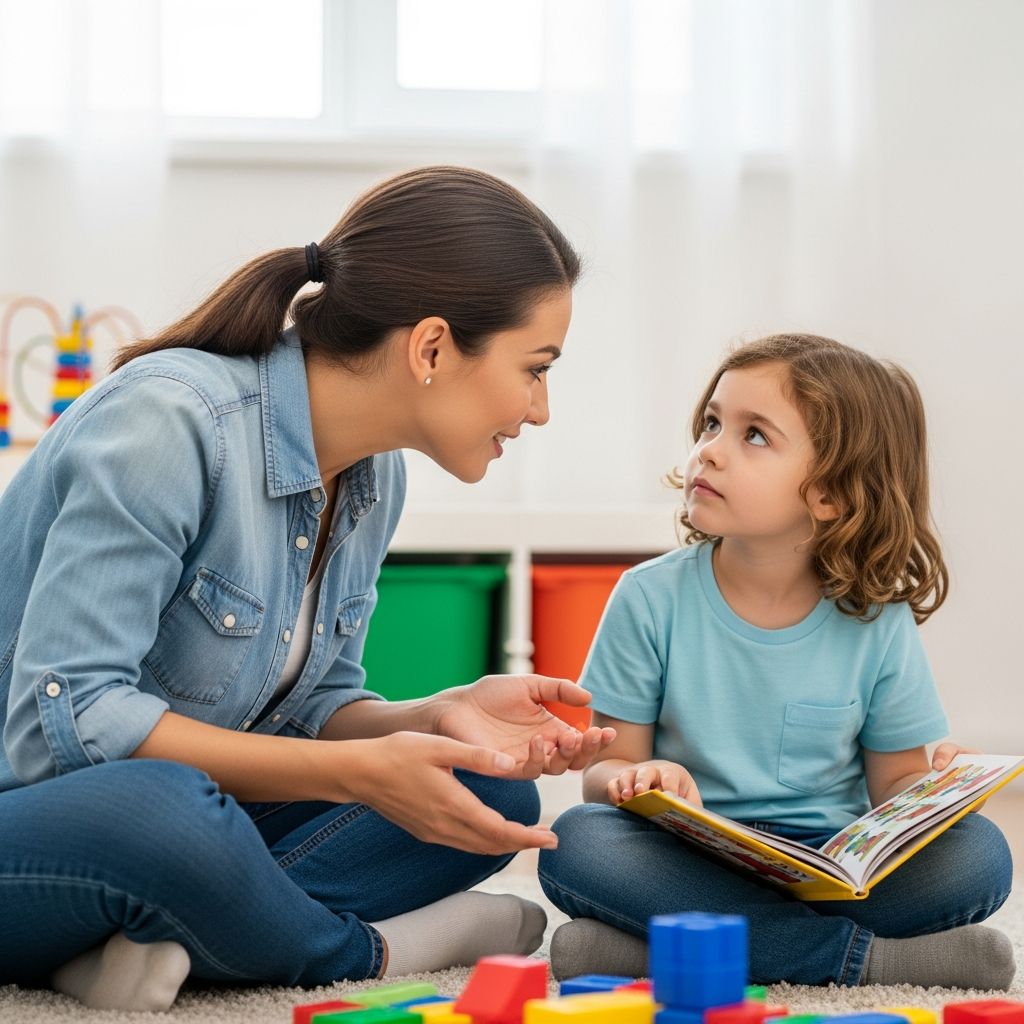
Getting children to listen can transform daily interactions from frustrating battles into smooth collaborations. Parents often face challenges when kids tune out requests, but simple, consistent strategies rooted in child development principles can make a significant difference. This guide draws from expert recommendations to provide actionable steps that promote active listening and obedience without relying on raised voices or punishments.
Understanding Why Kids Struggle to Listen
Children process information differently than adults due to developing brains. Toddlers and young kids have shorter attention spans, often overwhelmed by distractions or emotions. According to the Centers for Disease Control and Prevention (CDC), active listening improves when parents give full attention and reflect back what the child says, helping them feel valued and understood. Factors like fatigue, hunger, or overstimulation can hinder focus, making it essential to address root causes before expecting compliance.
Research shows that modeling behavior is key since children imitate adults. If parents multitask while speaking, kids learn divided attention is acceptable. Building listening skills requires patience, as it develops over time with practice and positive reinforcement.
Foundational Habits for Better Listening
Start with basics that set the stage for success. These habits create an environment where listening becomes natural.
- Get physically close: Approach your child at their eye level to ensure they see and hear you clearly. Kneel down, make eye contact, and pause other activities. This physical proximity signals importance and strengthens connection.
- Minimize distractions: Turn off TVs, put away phones, and choose quiet moments for instructions. A distraction-free zone helps kids focus solely on your words.
- Speak calmly and softly: Lower your voice instead of raising it. Children lean in to hear whispers, increasing engagement without feeling commanded.
Implementing these daily builds a routine where kids anticipate focused communication.
Mastering Positive Communication Techniques
Language matters immensely. Shift from negative to affirmative phrasing to guide behavior effectively.
| Negative Phrasing | Positive Alternative | Why It Works |
|---|---|---|
| Don’t run! | Walk please. | Directs action clearly without mental reversal. |
| Stop touching that! | Use gentle hands. | Teaches desired behavior positively. |
| No toys on the floor. | Put toys in the bin. | Specifies exact steps for compliance. |
Avoid overusing ‘no’ or ‘don’t,’ as they require extra cognitive effort. Instead, say ‘yes’ more often to requests when possible, balancing firmness with positivity to keep kids receptive. Thank them in advance, like ‘Thanks for helping clean up,’ assuming cooperation to encourage it.
Active Listening Modeling and Practice
Demonstrate what good listening looks like. When your child speaks, stop everything, face them, nod, and paraphrase: ‘It sounds like you’re upset because the game ended.’ This reflection validates feelings and teaches reciprocity.
Incorporate ‘wait time’: After giving an instruction, pause 3-5 seconds. This allows processing without interruption, reducing impulsive responses. Have kids repeat back: ‘What did I ask?’ Confirmation ensures understanding before action.
Fun Games and Activities to Build Listening Skills
Turn learning into play. These engaging activities reinforce skills enjoyably.
- Red Light, Green Light: Call out colors; kids freeze on red, move on green. Builds instant response to verbal cues.
- Listening Circles: Sit in a circle; one speaks while others listen silently, then paraphrase. Promotes empathy and patience.
- Simon Says: Follow commands only if prefixed with ‘Simon says.’ Sharpens selective attention.
- Story Chain: Each person adds a sentence to a story, listening carefully to continue logically.
Practice during calm times, like family meetings, for 10-15 minutes daily. Consistency turns games into habits.
Establishing Routines and Expectations
Clear routines reduce resistance. Use visual charts for tasks: mornings (brush teeth, eat breakfast), evenings (tidy toys, bath). Post them where visible.
Family meetings align everyone: Discuss house rules, like ‘We listen with eyes and ears.’ Involve kids in creating them for buy-in. Gentle reminders via observations work: ‘I see shoes by the door’ prompts action without nagging.
For new skills like chores, teach when calm: Demonstrate, practice together, praise efforts. Consistency in prompts and natural consequences (e.g., no play until tidy) reinforces learning.
Addressing Common Challenges by Age
Toddlers (1-3 Years)
Short, simple directives with choices: ‘Red cup or blue?’ Connect first: Acknowledge play before transitioning.
Preschoolers (4-5 Years)
Use stories or puppets to illustrate listening. Positive reinforcement: ‘Great job waiting your turn!’.
School-Age (6+ Years)
Involve in decisions: ‘When can we do homework?’ Builds responsibility.
Long-Term Benefits of Strong Listening
Cultivating these skills yields cooperative homes, better school performance, and empathetic relationships. Kids who listen well communicate effectively lifelong. Track progress: Note fewer repeats needed weekly.
Frequently Asked Questions (FAQs)
What if my child still ignores me after trying these?
Stay consistent; combine strategies like connect-ask and wait time. If persistent, check for underlying issues like hearing or attention needs.
How long until I see improvements?
Typically 1-2 weeks with daily practice, varying by age and consistency.
Does yelling ever work?
Temporarily, but erodes trust long-term. Calm tones build respect.
Can these work for teens?
Yes, adapt with more autonomy: Discuss reasons behind requests.
What’s the role of positive reinforcement?
It motivates by highlighting successes, more effective than punishment.
Patience and positivity pave the way for attentive kids. Implement one strategy weekly for sustainable change.
References
- Tips for Active Listening — Centers for Disease Control and Prevention (CDC). 2023. https://www.cdc.gov/parenting-toddlers/communication/active-listening.html
- 5 Strategies to Help Students Become Active Listeners — Second Step. 2023. https://www.secondstep.org/blog/help-students-become-active-listeners
- How to Get Your Kids to Listen and Obey — Institute for Family Studies. 2023. https://ifstudies.org/blog/how-to-get-your-kids-to-listen-and-obey
- How to Give Kids Effective Instructions — Child Mind Institute. 2023. https://childmind.org/article/how-to-give-kids-effective-instructions/
- Helping Your Child Learn Better Listening Skills — Laura Linn Knight. 2023. https://lauralinnknight.com/blog/helping-your-child-learn-better-listening-skills