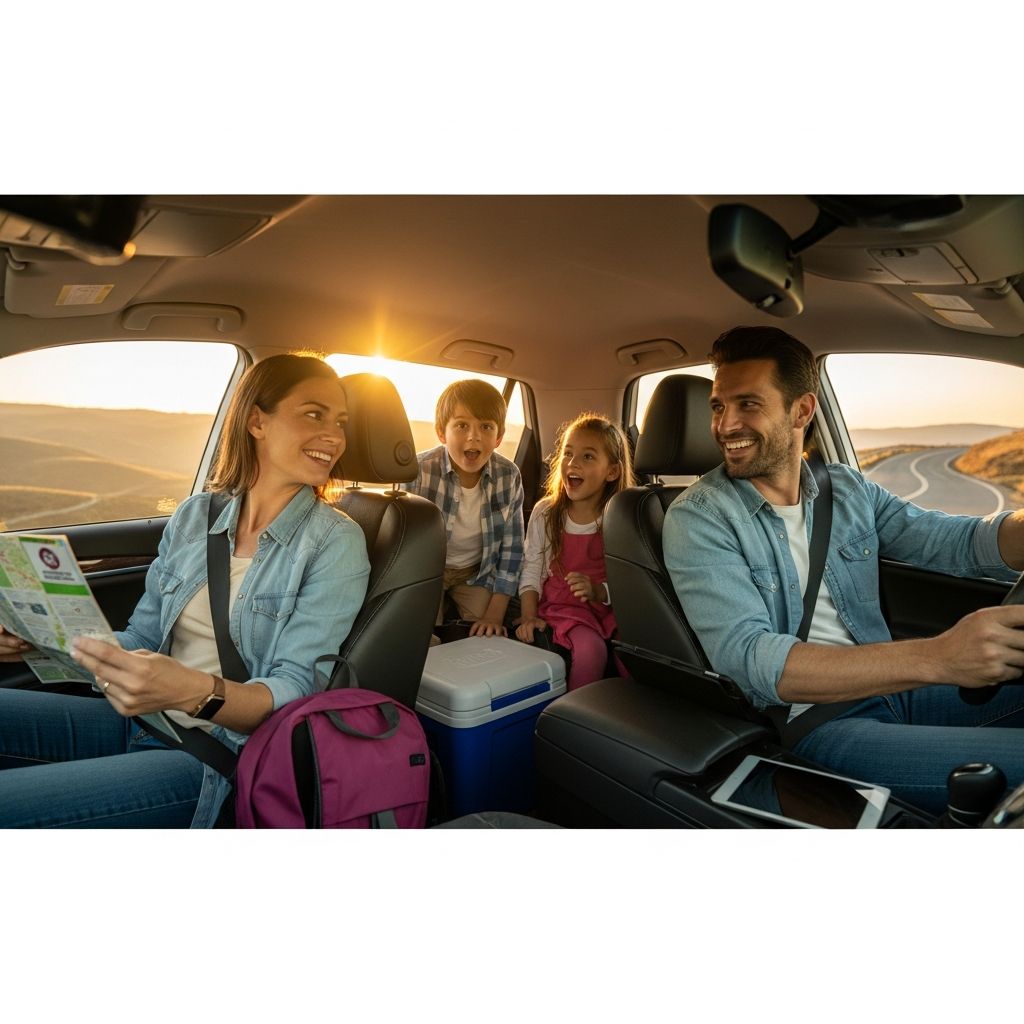
Family road trips offer unparalleled opportunities for bonding, exploration, and creating cherished memories, but they require thoughtful preparation to avoid common pitfalls like boredom, meltdowns, or logistical headaches. This guide draws on proven strategies to help you navigate long drives with children of all ages, ensuring every mile is enjoyable rather than exhausting.
Strategic Route Planning for Maximum Fun
Begin with a realistic assessment of your available time, family energy levels, and must-visit destinations to craft a route that balances adventure and rest. Factor in trip duration by calculating daily driving limits—aim for no more than 4-6 hours per day with kids under 10 to prevent fatigue. Identify non-negotiable stops, such as family events or iconic landmarks, and build around them, prioritizing fewer, deeper explorations over rushed itineraries.
Break longer journeys into manageable segments by alternating high-drive days with shorter ones or rest periods. For instance, sandwich a 7-hour drive between two days of light travel (3-5 hours) to allow recovery and playtime upon arrival. Use digital tools like spreadsheets to map itineraries, budgets, and attractions: create tabs for routes, packing lists, and expenses, updating them collaboratively with the family.
- Age-specific adjustments: Toddlers thrive on short drives (under 3 hours) with frequent playground breaks; school-age kids handle 5-7 hours if interactive stops are included.
- Budget-friendly routing: Focus on free national parks, hikes, and scenic byways, reserving splurges for one highlight per leg.
- Seasonal considerations: Opt for shoulder seasons to dodge crowds and heat, targeting underrated spots like Gulf Coast beaches over peak tourist areas.
Family input is crucial—poll kids on dream stops (e.g., zoos or caverns) to prioritize ‘must-sees’ and foster excitement.
Essential Packing Hacks for Effortless Travel
Packing light yet comprehensively is an art that frees up space for fun while streamlining daily routines. Plan outfits per day using a visual chart to curb overpacking, leveraging hotel or Airbnb laundry facilities. Assign each child an overnight backpack with essentials: change of clothes, toiletries, sunscreen, and a favorite toy, minimizing full unpacks at multi-stop trips.
Prep the vehicle thoroughly: clean it out, check tires, fluids, and emergency kits including first-aid supplies, jumper cables, and roadside flares. Create a ‘Grab List’ for departure morning—phone chargers, snacks, monitors—posted visibly to avoid last-minute scrambles.
| Category | Essentials | Tips |
|---|---|---|
| Clothing | 7 days’ outfits, layers, swimwear | Mix-and-match neutrals; pack in cubes for easy access. |
| Tech | Chargers, tablets, headphones, power banks | Charge everything night before; include car adapters. |
| Health/Safety | Meds, bug spray, sanitizers, motion sickness aids | Child-specific doses; refillable water bottles. |
| Entertainment | Rotate to maintain novelty; library loans for free. |
Pet owners should secure boarding or pet-sitters early, documenting care instructions.
Keeping Kids Entertained During Drive Time
Combat ‘Are we there yet?’ by structuring car time into phases: observation, music, stories, activities, and games. Start with no toys—let kids absorb scenery and chat for the first 30 minutes, easing into the journey. Follow with upbeat family playlists, audiobooks, or podcasts tailored to ages, transitioning to quiet storytime as drowsiness sets in.
Introduce activities progressively: mess-free options like window clings, Magna-Tiles, or pipe cleaners first, saving messier ones (playdough in trays) for later. Stock a central cooler with grab-and-go snacks—PB&J fixings, fruits, nuts—in kid-reach spots, using hats as bowls for fun.
- Games for all ages: I Spy, 20 Questions, license plate bingo, or car karaoke to engage everyone without screens.
- Screen strategies: Preload educational apps, movies; limit to 1-2 hours daily to preserve wonder.
- Sleep optimization: Time departures post-lunch or evening for nap alignment; full tank and bathroom breaks pre-sleep.
Build anticipation pre-trip with countdown calendars or destination videos, turning travel into part of the adventure.
Smart Snacking and Meal Planning on the Go
Healthy, portable fuel sustains energy without constant stops. Prep a cooler with chilled items: cheese sticks, yogurt pouches, veggie sticks, hummus—refilling water bottles daily. Dry snacks like trail mix, granola bars, and crackers provide variety, avoiding sugar crashes.
Seek truck stops or large stations for clean facilities, diverse food options, and play areas over sketchy convenience stores. Pack picnic gear for rest-stop meals, turning breaks into mini-events.
Dynamic Stops and Activity Breaks
Pre-map leg-stretching spots: playgrounds, splash pads, children’s museums, or nature trails every 2-3 hours. Transform rest areas into active zones with jumping jacks, races, or obstacle courses to burn energy.
Double-plan activities per destination for flexibility—list indoor/outdoor options based on weather or moods, capping at one major outing daily with downtime. Vary lodging (hotels, Airbnbs, glamping) for novelty, negotiating short stays mid-week.
Budget Mastery for Affordable Adventures
Cap weekly spends under $1,000 for a family of five by prioritizing free attractions, camping, and home-cooked meals. Track via apps: gas apps for cheapest fills, discount sites for parks. Splurge selectively on kid-requested experiences.
Health, Safety, and Emergency Preparedness
Prioritize car seats fitted properly, seatbelt checks, and motion sickness remedies. Pack a robust first-aid kit, allergen-aware snacks, and offline maps. Discuss rules upfront: no unbuckling, snack zones only.
Frequently Asked Questions (FAQs)
What’s the ideal daily driving time with young kids?
Aim for 3-5 hours max, with breaks every 2 hours for play and relief; adjust up for older children.
How do I pack snacks without spoilage?
Use a divided cooler with ice packs; focus on non-perishables like nuts and bars for hot days.
Best way to handle ‘I’m bored’ complaints?
Phase activities: observation, audio, games, then screens sparingly; involve kids in planning.
Tips for multi-night trips with packing?
Overnight backpacks per child with essentials; unpack minimally at each stop.
How to stay on budget?
Google Sheets for tracking; free parks, picnics, off-peak travel.
Turning Miles into Memories
With meticulous planning, flexible execution, and family-centric tweaks, road trips evolve from potential ordeals into highlights of childhood. Embrace spontaneity within structure, celebrate small wins, and watch bonds strengthen mile by mile.
References
- Family Road Trips With Kids: The Complete Guide — Roadtrippers. 2023. https://roadtrippers.com/magazine/ultimate-guide-to-family-road-trips/
- 20 Family Road Trip Tips to Save Your Sanity — What’s Up Moms. 2023. https://whatsupmoms.com/parenting/family-road-trip-tips/
- Ultimate Prep and Pack Guide for Your Family Road Trip — Atlanta Mom. 2024. https://atlantamom.com/family-lifestyle/ultimate-prep-and-pack-guide-for-your-family-road-trip/
- How to Plan a Cross-Country Road Trip for Families on a Budget — Exploration America. 2023. https://explorationamerica.com/how-to-plan-a-cross-country-road-trip-for-families-on-a-budget-7000-miles/
- Surviving a roadtrip with kids: how to keep the kids busy and happy — Little Voyageurs. 2023. https://www.littlevoyageurs.com/en/blog/roadtrip-with-kids