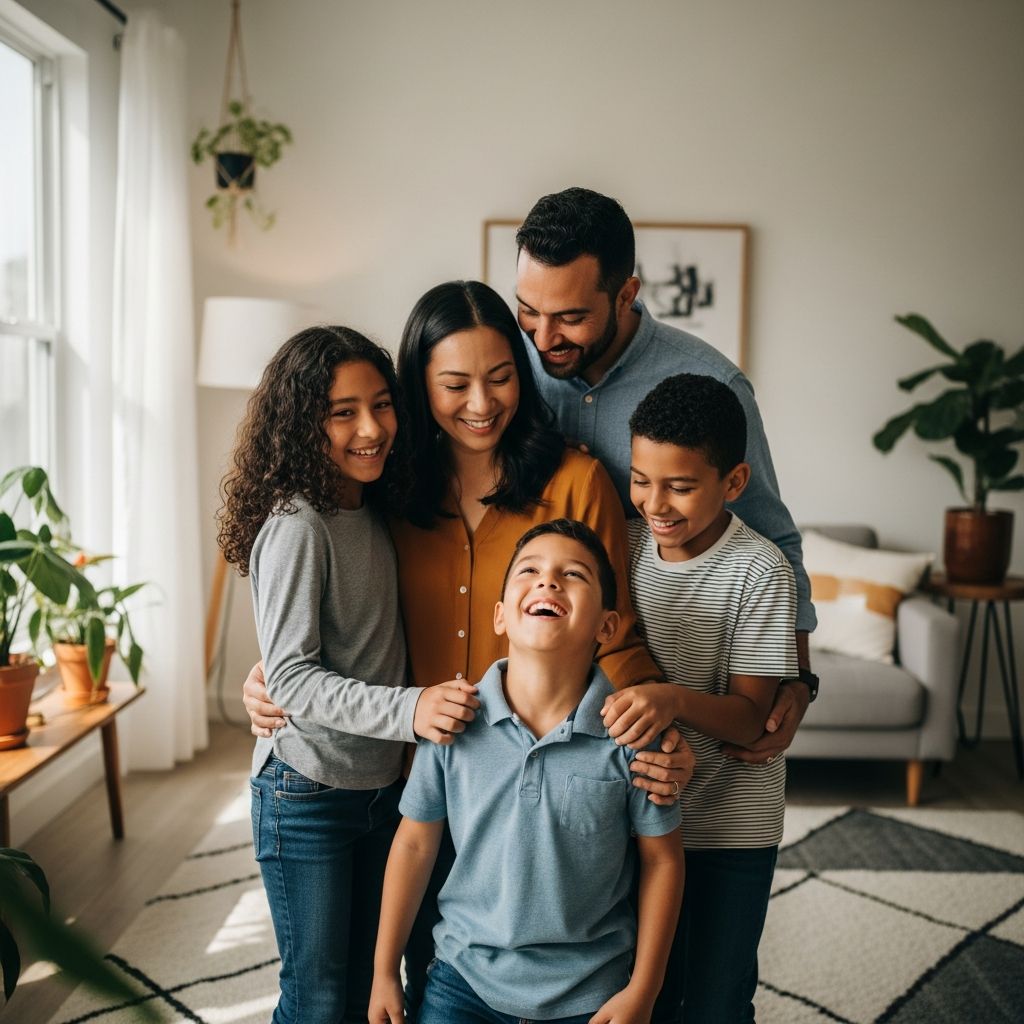
Family photos do not have to feel stiff, awkward, or outdated. With a bit of intention and creativity, you can create images that look modern, feel genuine, and actually reflect how your family lives and loves right now.
Why Modern Family Photos Feel Different
Traditional portraits often focused on everyone facing the camera with practiced smiles and matching outfits. Modern family photography shifts the emphasis to connection, movement, and personality. Instead of chasing perfect poses, the goal is to preserve real moments that will still feel honest years from now.
When you design your session around your daily life and shared rituals, the resulting photos become more than just an annual obligation. They become a visual story of who you are together—messy, joyful, imperfect, and deeply connected.
Start With Your Story, Not a Pose
Before thinking about outfits or backdrops, think about what makes your family unique. Build the concept for your session around those details, and the images will feel naturally modern and personal.
Questions to Help Shape Your Session
- What does a great weekend together actually look like for you?
- Which rooms or corners of your home feel the most “you”?
- What activities make everyone light up—baking, biking, reading, traveling, gaming?
- Are there objects or places that have special significance (a grandparent’s quilt, a local park, a family cabin)?
- What emotions do you want to remember when you look at these photos in ten years—calm, playfulness, chaos, tenderness?
Use the answers to choose locations and moments to photograph, rather than starting from generic pose lists. This approach keeps your session grounded in your real life.
Choosing a Location That Fits Your Life
Location can completely change the mood of your photos. Instead of defaulting to the nearest park, choose a setting that matches your lifestyle and the story you want to tell.
Common Location Styles and Vibes
| Location Style | Best For | Overall Mood |
|---|---|---|
| At home | Cozy, intimate, everyday routines | Relaxed, authentic, personal |
| Urban neighborhood | Families who love city life | Energetic, modern, colorful |
| Park or field | Kids who need space to run | Light, playful, natural |
| Beach or lakeshore | Sunset seekers and water lovers | Soft, airy, free-spirited |
| Minimal studio | Clean, design-focused portraits | Timeless, simple, editorial |
Original Location Ideas to Consider
- Morning at home: Photos of making pancakes, messy hair, and kids in pajamas reading on the couch.
- Neighborhood adventure: Walking the dog, grabbing ice cream, or playing on your regular playground.
- Creative studio: A simple backdrop, a few favorite chairs or stools, and a mix of close-up portraits and full-body group shots.
- Seasonal tradition: Apple picking, building a snowman, visiting a holiday market, or gardening in spring.
- Meaningful place: A grandparent’s house, a local bookstore, a favorite coffee shop, or the trail you walk every Sunday.
Outfits That Look Modern and Feel Like You
Coordinated does not have to mean identical. Modern family outfits focus on a shared color palette, interesting textures, and comfort so everyone can move easily and feel confident.
Guiding Principles for Wardrobe
- Pick a palette, not a uniform: Choose 3–4 colors (for example: warm neutrals, soft blues, and rust) and let each person interpret them in their own way.
- Mix textures: Combine knits, denim, linen, and soft cotton to add depth to simple outfits.
- Limit logos and bold graphics: Statement prints can be distracting and date photos quickly.
- Dress for movement: If you plan to run, dance, or play on the floor, avoid stiff fabrics and restrictive cuts.
- Start with one anchor outfit: Pick a favorite dress, jumpsuit, or shirt for one person, and build everyone else’s clothing around that piece.
Quick Outfit Ideas by Season
- Spring: Light layers, soft florals, and pastels paired with denim or khaki; cardigans and sneakers keep things casual.
- Summer: Breezy sundresses, linen shirts, rolled chinos, and sandals; prioritize breathable fabrics for kids.
- Autumn: Sweaters, boots, layered shirts, and muted tones like olive, mustard, and burgundy.
- Winter: Coordinated coats, scarves, and beanies in solid colors; wear thinner layers underneath for warmth without bulk.
Designing a Session Around Real Moments
Instead of building your session around a list of poses, design it around a loose sequence of activities. This makes the experience more fun for kids and gives the photographer many chances to capture real expressions.
Sample Flow for an At-Home Session
- Warm-up: A few simple couch photos or everyone standing together near a large window.
- Anchor activity: Bake cookies, build with blocks, or create a pillow fort on the bed.
- Quiet moment: Snuggle and read a book, rock a baby, or share a snack at the table.
- Individual spotlights: One-on-one photos (each parent with each child, siblings together, solo portraits).
- Closing: A playful group moment—tickle fight, dance party, or everyone piled on the floor.
Use this idea as a blueprint and adapt it to an outdoor location or studio by swapping in activities that fit the space.
Modern Posing: Guided, Not Forced
Modern family posing is less about frozen smiles and more about gentle guidance. Think of it as setting up a situation and then letting everyone interact naturally inside it.
Connection-Focused Poses
- Walking together: Hold hands and walk toward or away from the camera while chatting.
- Layered embrace: One adult holding a child, another wrapping arms around both; siblings hugging legs or leaning in from behind.
- Seated snuggle: Everyone sits closely on a couch or blanket, with kids in laps and heads resting on shoulders.
- Look at each other, not the lens: Ask a question or tell a joke and have everyone react to one another.
- Movement prompts: Spin in a circle, lift a toddler, jump over a wave, or race from point A to point B.
These prompts create natural gestures—hair tucked behind ears, spontaneous laughter, comforting hugs—that make photos feel alive instead of staged.
Showcasing All Kinds of Families
Modern family photography is intentionally inclusive. It celebrates the reality that families come in many shapes, sizes, structures, and stories. Your photos should center the people and relationships that matter most to you, regardless of conventional templates.
Inclusive Ideas to Keep in Mind
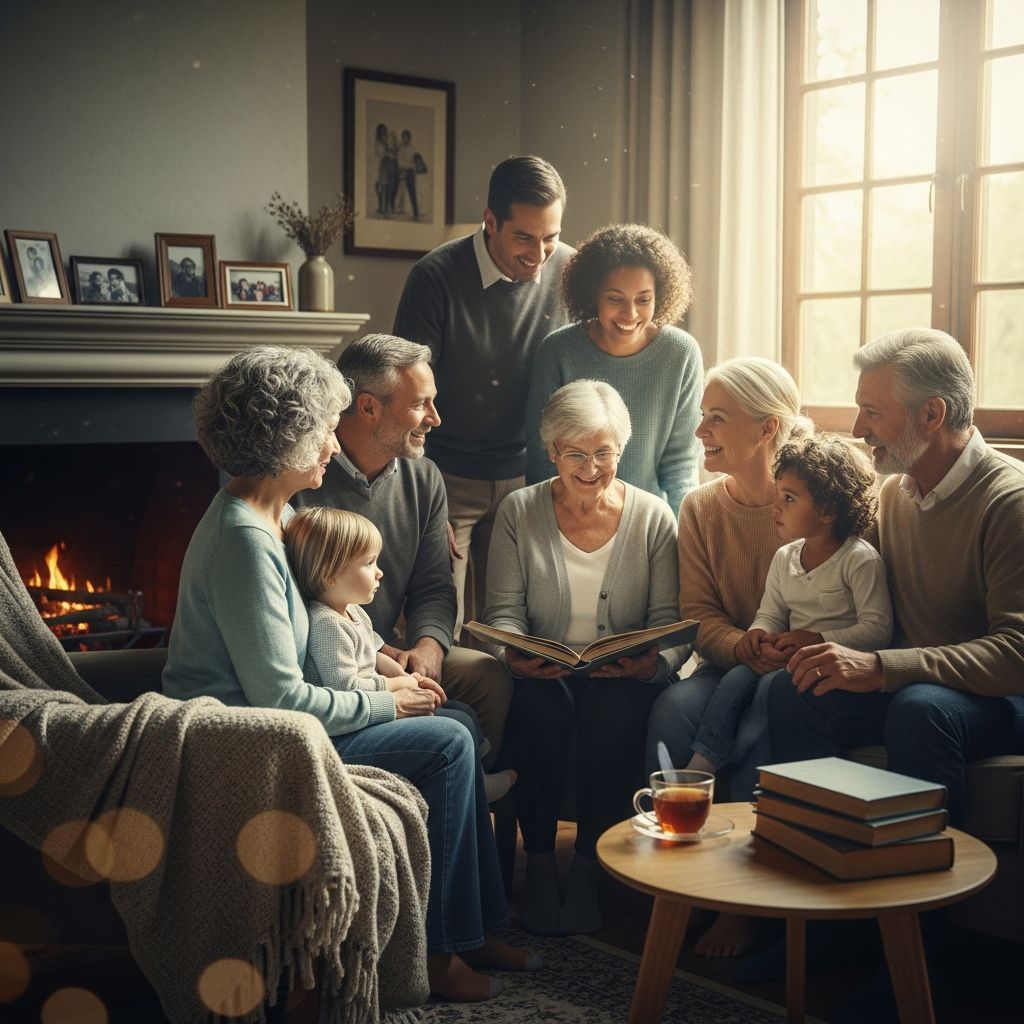
- Include step-parents, co-parents, grandparents, and chosen family who play a daily role in your life.
- Highlight adoption, blended families, and non-traditional living arrangements without feeling the need to “match” everyone visually.
- Celebrate LGBTQ+ families with poses and locations that feel comfortable, safe, and affirming.
- Incorporate cultural clothing, rituals, or heirlooms that reflect your heritage and values.
- Remember that pets are often core family members and can be central to the story of your session.
Planning the Details Without Over-Scheduling
Some structure helps things run smoothly, but a rigid plan can create unnecessary stress. Aim for thoughtful preparation combined with enough flexibility to follow the best light and the best moods.
Logistics Checklist
- Choose a time of day when kids are generally happiest, even if it is not the classic golden hour.
- Lay out outfits the day before and remove tags, stickers, and lint.
- Pack a small bag with snacks, wipes, a hairbrush, tissues, and a backup shirt for at least one person.
- Decide in advance which specific combinations you want (whole group, siblings, each child alone, parents alone, etc.).
- Share your priorities with your photographer so they can guide the time efficiently.
Think of your plan as a framework rather than a script. The best images often come from unexpected in-between moments.
Adding Creative, Contemporary Touches
Small creative choices can push your photos from “nice” to striking. These details help your images feel current and visually interesting without relying on trendy gimmicks that will feel dated too quickly.
Ideas for a Modern Visual Style
- Negative space: Use wide compositions with lots of sky, wall, or landscape around your family for a minimalist feel.
- Unexpected crops: Include close-ups of hands, feet, hugs, and details like freckles or favorite toys.
- Monochrome outfits: Dress everyone in varying shades of one color family for a cohesive, editorial look.
- Layered storytelling: Capture a scene wide, then step closer for medium shots and finally tight detail frames.
- Everyday objects: Use bikes, blankets, books, musical instruments, or skateboards that actually live in your home.
Making Kids (and Adults) Feel Comfortable
Modern photos feel natural when everyone is at ease. Pressure to behave or smile on command usually backfires, especially with young children. Instead, focus on building an environment where genuine expressions can appear on their own.
Practical Comfort Tips
- Keep expectations age-appropriate and embrace short attention spans as part of the story.
- Allow small breaks for snacks, bathroom trips, and reset moments.
- Let kids hold a favorite toy or wear a sentimental accessory for part of the session.
- Give adults simple, clear prompts (“walk and talk” or “pull everyone into a hug”) rather than complex posing directions.
- Remember that not every frame needs smiles; thoughtful, serious, and quiet expressions are valuable too.
Using Your Photos in Real Life
Planning what you will do with your photos can shape how you shoot them. Vertical images are great for phones and social media, while horizontal or panoramic shots can shine in wall art and albums.
Ideas for Displaying and Sharing
- Create a gallery wall with a mix of sizes and both color and black-and-white prints.
- Design a yearly photo book that includes both session images and candid snapshots from your phone.
- Use a single strong portrait for holiday cards, invitations, or announcements.
- Print small copies for kids’ rooms, lockers, or homework spaces so they see themselves surrounded by family.
- Save a private digital folder for future milestones, like graduation slideshows or anniversaries.
Frequently Asked Questions About Modern Family Photos
How far in advance should we plan?
Booking 4–8 weeks ahead gives you time to coordinate with a photographer, choose a location, and plan outfits without rushing. If you have specific seasonal needs—like autumn leaves or spring blossoms—consider reaching out even earlier to secure your ideal dates.
Do we have to hire a professional photographer?
Professional photographers bring expertise in lighting, composition, and directing families, which can be invaluable. However, with intention and practice, you can use this guide to create meaningful, modern images with a friend’s help or a tripod and remote at home.
What if someone in the family hates being photographed?
Involve reluctant family members in planning so they feel some control over outfits, locations, or activities. Focus on interactive prompts rather than formal portraits; many people forget there is a camera when they are engaged in conversation or play.
How long should a family session last?
For most families with children, 45–90 minutes is enough time to warm up, capture a range of combinations, and avoid burnout. Short, focused sessions with clear priorities often produce better images than long, tiring shoots.
How often should we take family photos?
Many families aim for a full session once a year plus small, casual photos at home throughout the year. Ultimately, the best rhythm is the one that allows you to document meaningful changes without turning photos into a constant chore.