Planning Your Halloween Adventure
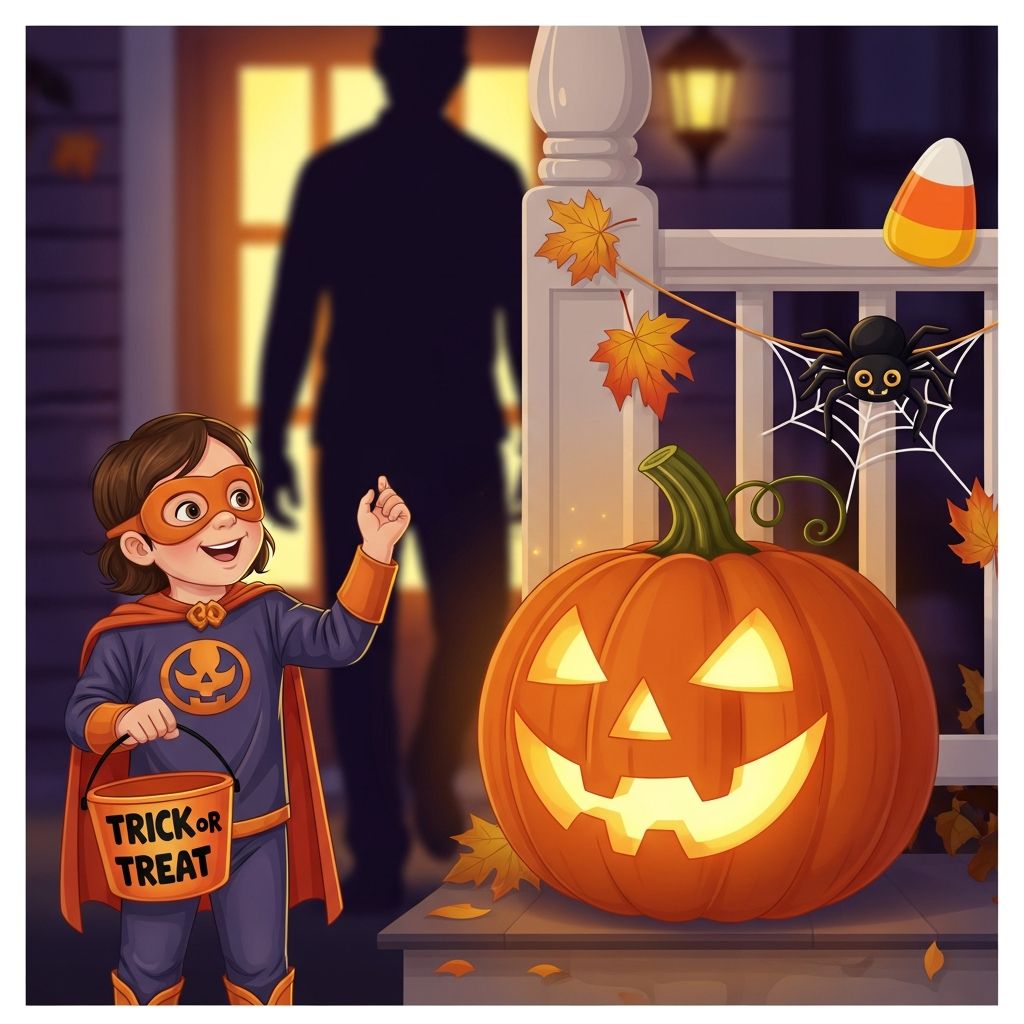
Halloween is a time of excitement, creativity, and community for families. Whether you’re hosting a party, trick-or-treating, or simply enjoying spooky decorations, thoughtful planning can make the experience enjoyable for everyone. Start by setting clear goals for your Halloween activities—do you want a low-key evening at home, a neighborhood adventure, or a themed event? Knowing your priorities helps you focus on what matters most to your family.
Costume Creativity and Safety
- Choose costumes that are comfortable, easy to move in, and allow for clear vision and breathing. Avoid masks that obstruct sight; opt for face paint or makeup instead.
- Ensure costumes are flame-retardant and made from safe materials. If making your own, use non-flammable fabrics like polyester or nylon.
- Add reflective tape or glow-in-the-dark accessories to costumes and bags for better visibility at night.
- Include a nametag with your phone number on your child’s costume in case they get separated.
- Make sure shoes are comfortable and fit well to prevent trips and falls.
Trick-or-Treating Safety Tips
Trick-or-treating is a highlight for many kids, but safety should always come first. Here are some essential guidelines to keep everyone secure:
- Young children should always be accompanied by an adult. Older kids going out alone should stick to familiar neighborhoods and stay in groups.
- Set a clear route and curfew. Make sure kids know how to contact you and have a phone or tracking device.
- Walk on sidewalks and use crosswalks. Never run between houses or cross streets without checking for traffic.
- Carry flashlights or glow sticks to help with visibility, especially in dimly lit areas.
- Only visit homes with porch lights on and avoid entering strangers’ houses or cars.
- Remind kids to check in at specific times if they’re out later in the evening.
Smart Candy Strategies
Candy is a big part of Halloween, but it’s important to manage it wisely:
- Have a healthy snack before heading out to reduce the temptation to snack on candy while trick-or-treating.
- Inspect all treats at home before allowing kids to eat anything. Discard any candy with torn wrappers, strange coloring, or signs of tampering.
- Remove choking hazards like gum, hard candy, or small toys for younger children.
- Consider alternatives to candy, such as stickers, temporary tattoos, or small toys, especially for kids with allergies.
- Set limits on how much candy can be eaten each day to avoid sugar overload.
- Some families use the “Switch Witch” tradition, trading excess candy for a small toy or book the next morning.
Hosting a Halloween Party or Giving Out Treats
If you’re handing out treats or hosting a party, preparation is key:
- Buy candy early to get the best deals and consider mixing in non-food treats for inclusivity.
- Display a teal pumpkin if you offer allergy-friendly options.
- Keep your porch and walkway clear of tripping hazards and well-lit.
- Involve the whole family in choosing treats and decorating to make it a fun group activity.
- Have a plan for leftover candy—freeze chocolate for later use, donate to schools or shelters, or set up a candy “buy back” at home.
Inclusive Halloween for All Families
Halloween should be fun for every child, regardless of ability or medical needs:
- For children with disabilities, consider sensory-friendly events or quieter trick-or-treating options.
- Use visual aids or DIY tools to help visually impaired children navigate their surroundings.
- For children with hearing impairments, consider using visual cues or written instructions.
- Always check with neighbors or event organizers about accessibility and accommodations.
Post-Halloween Cleanup and Reflection
After the excitement, take time to reflect on what went well and what could be improved for next year:
- Sort through costumes and decorations for storage or donation.
- Review your candy strategy and discuss with your kids how they felt about the experience.
- Thank neighbors and friends who helped make Halloween special.
- Plan for next year by noting what worked and what didn’t.
FAQs
| Question | Answer |
|---|---|
| How can I make my child’s costume safer? | Use reflective tape, avoid masks, choose comfortable shoes, and ensure the costume is flame-retardant. |
| What should I do if my child has food allergies? | Inspect all treats carefully, avoid homemade items, and consider non-food alternatives like stickers or toys. |
| How can I keep my child safe while trick-or-treating? | Go with an adult, stick to well-lit routes, use flashlights, and set a curfew. |
| What are some non-candy treat ideas? | Stickers, temporary tattoos, mini erasers, crayons, and small toys are great options. |
| How can I make Halloween inclusive for children with disabilities? | Choose sensory-friendly events, use visual aids, and communicate with organizers about accessibility needs. |
Final Thoughts
With thoughtful planning and attention to safety, Halloween can be a magical and memorable experience for the whole family. Whether you’re trick-or-treating, hosting a party, or simply enjoying the season, these tips will help you create a fun, safe, and inclusive celebration for everyone involved.