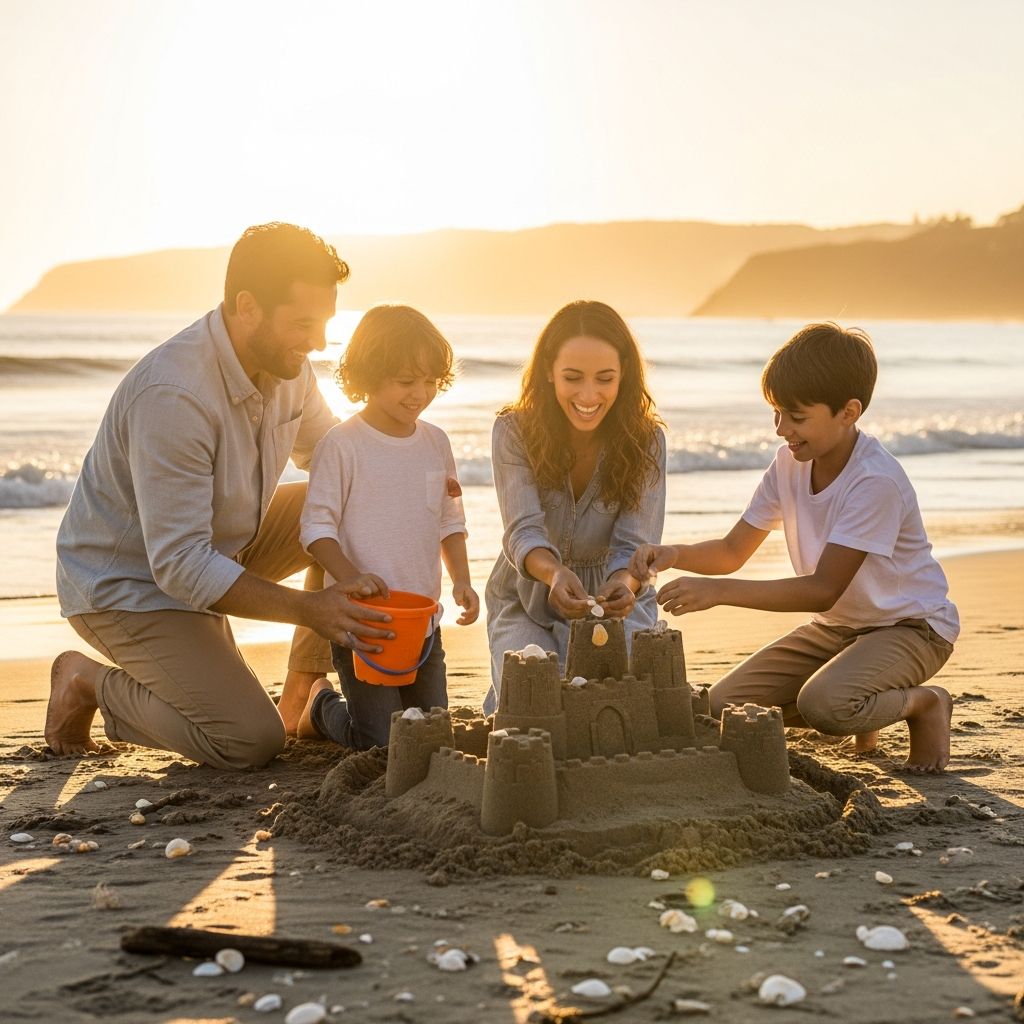
Strong family relationships form the foundation of emotional well-being for children and adults alike. Engaging in purposeful activities together not only creates joyful memories but also cultivates trust, empathy, and resilience. Research from the American Academy of Pediatrics emphasizes that shared play and routines significantly enhance children’s emotional regulation and sense of security. This guide offers fresh, actionable ideas to weave bonding into everyday life, drawing from evidence-based practices to help families thrive.
Understanding the Foundations of Family Unity
Family bonds develop through consistent, positive interactions that release oxytocin, often called the ‘love hormone,’ promoting trust and closeness. Regular co-activities, such as joint physical play, have been shown in randomized trials to boost moderate-to-vigorous physical activity (MVPA) in preschoolers while deepening parent-child relationships. These shared moments counteract daily stresses, improve communication, and build a supportive home environment. Prioritizing them yields long-term benefits like better mental health and stronger identity formation.
Nature-based engagement further amplifies these effects. Studies indicate that mothers and daughters who spend time outdoors together report improved communication and connectedness, highlighting nature’s role in facilitating open dialogues. By integrating such elements, families can create rituals that endure across generations.
Creative Expression Through Art and Stories
Harnessing imagination unlocks emotional depth. Collaborative art projects allow members to express feelings visually, fostering validation and teamwork. For instance, creating a family mural on aspirations invites personal input while producing a shared keepsake.
- Group Vision Boards: Collect images representing dreams; assemble into a collective display to spark discussions on goals.
- Emotion Art Sessions: Draw daily moods using colors and shapes, then share interpretations to build empathy.
- Story Weaving: Alternate adding to a group tale, encouraging listening and creativity.
Storytelling circles enhance these benefits by prompting reflections on daily highs or family lore, aligning with nurturing programs that prioritize empathy and identity. Role-playing scenarios, like acting out social challenges, teaches problem-solving without real stakes, ideal for emotional literacy.
Hands-On Culinary Adventures
Preparing food unites families in a multisensory experience. Science supports cooking as a teamwork builder, teaching skills while facilitating natural conversations. Divide tasks—chopping, stirring, plating—to ensure everyone contributes.
| Activity | Benefits | Age Suitability |
|---|---|---|
| Recipe Challenges | Encourages innovation and collaboration | All ages (supervise young kids) |
| Cultural Cuisine Nights | Builds global awareness and respect | School-age and up |
| Dessert Teams | Fosters friendly competition and celebration | Preschool and older |
Weekly sessions establish healthy routines, with shared meals reinforcing the effort’s reward. This practice extends to baking, where measuring and timing hone patience and precision.
Outdoor Exploration and Nature Immersion
Stepping outside refreshes bonds strained by indoor routines. Outdoor pursuits reduce stress and elevate moods through physical engagement and fresh air. Simple walks evolve into treasure hunts or photo safaris, capturing discoveries in a family album.
- Scavenger Hunts: List nature items to find, promoting observation and excitement.
- Picnic Quests: Pack homemade snacks for park adventures, blending prep with play.
- Trail Clean-Ups: Combine exercise with service, instilling responsibility.
Evidence from family nature studies confirms enhanced connectedness, particularly in mother-daughter pairs, making these outings vital for relational growth.
Playful Competition and Puzzles
Games provide laughter and strategy, teaching graciousness in wins and losses. Board games and puzzles emphasize cooperation over rivalry, ideal for harmony.
Customize with family trivia on quirks and memories, personalizing the fun. Team formats pair adults with kids, celebrating collective successes and minimizing conflicts.
- Cooperative Challenges: Puzzles where all collaborate to complete.
- Custom Board Nights: Rotate selectors for inclusivity.
- Active Games: Charades or DIY relays for energy release.
These align with research on play’s role in empathy development.
Acts of Service and Community Giving
Volunteering instills altruism and unity. Joint efforts like food drives or neighbor kindnesses discuss values, deepening compassion.
- Donation Drives: Sort items together, explaining impact.
- Kindness Chains: Plan surprises like notes or treats.
- Local Projects: Clean parks or support shelters.
Such activities mirror evidence-based family engagement strategies in afterschool settings, promoting sustained involvement.
Daily Rituals for Sustained Connection
Gratitude journals anchor routines. Evening entries on appreciations, shared weekly, cultivate positivity and reflection. Bedtime stories or dinner talks create security, per family ritual studies.
Integrate mindfulness: family check-ins on emotions ensure voices are heard, preventing isolation.
Overcoming Common Hurdles
Busy schedules challenge consistency, but start small—one activity weekly. Involve all in planning to boost buy-in. Adapt for ages: simplify for toddlers, add complexity for teens.
Address resistance with choices and positivity, tracking progress in a shared log for motivation.
Frequently Asked Questions
What are the best activities for busy families?
Short rituals like 10-minute gratitude shares or walk-and-talks fit seamlessly, building bonds without overload.
How does family bonding impact child development?
It enhances emotional resilience, empathy, and MVPA, per pediatric research and trials.
Can screen-free activities really strengthen ties?
Yes, nature and play outperform digital time by boosting oxytocin and direct interaction.
How often should families do bonding activities?
Aim for 3-5 times weekly; consistency trumps intensity for lasting effects.
What if family members have different interests?
Rotate picks and hybridize, like themed games blending preferences.
Creating Your Family Bonding Plan
Draft a calendar blending ideas: Mondays for art, Wednesdays outdoors. Review monthly, adjusting based on feedback. Track joys in a journal to sustain momentum. These steps transform intentionality into habit, yielding resilient, connected families.
Evidence underscores play’s irreplaceable role. Afterschool strategies further validate structured engagement. Commit today for tomorrow’s stronger ties.
References
- 10 Engaging Family Activities to Strengthen Emotional Bonds — Nurturing Parenting. 2023. https://www.nurturingparenting.com/blog/10-engaging-family-activities-to-strengthen-emotional-bonds/
- Top 5 Family Bonding Activities Backed By Science — Level Up Game Plan. 2023. https://levelupgameplan.com/mindful-parenting-resources/6631/top-5-family-bonding-activities-backed-by-science
- Parents and children active together: a randomized trial protocol — PMC (NCBI). 2020-09-29. https://pmc.ncbi.nlm.nih.gov/articles/PMC7507646/
- The Power of Family Bonding: Strengthening Connections Through Shared Activities — PM Pediatric Care. 2023. https://pmpediatriccare.com/blog/the-power-of-family-bonding-strengthening-connections-through-shared-activities/
- Evidence-Based Strategies for Supporting and Enhancing Family Engagement — Expanding Learning. 2023. https://www.expandinglearning.org/expandingminds/article/evidence-based-strategies-supporting-and-enhancing-family-engagement
- Research Digest: Family Engagement with Nature — Children & Nature Network. 2023. https://www.childrenandnature.org/resources/research-digest-family-engagement-with-nature/