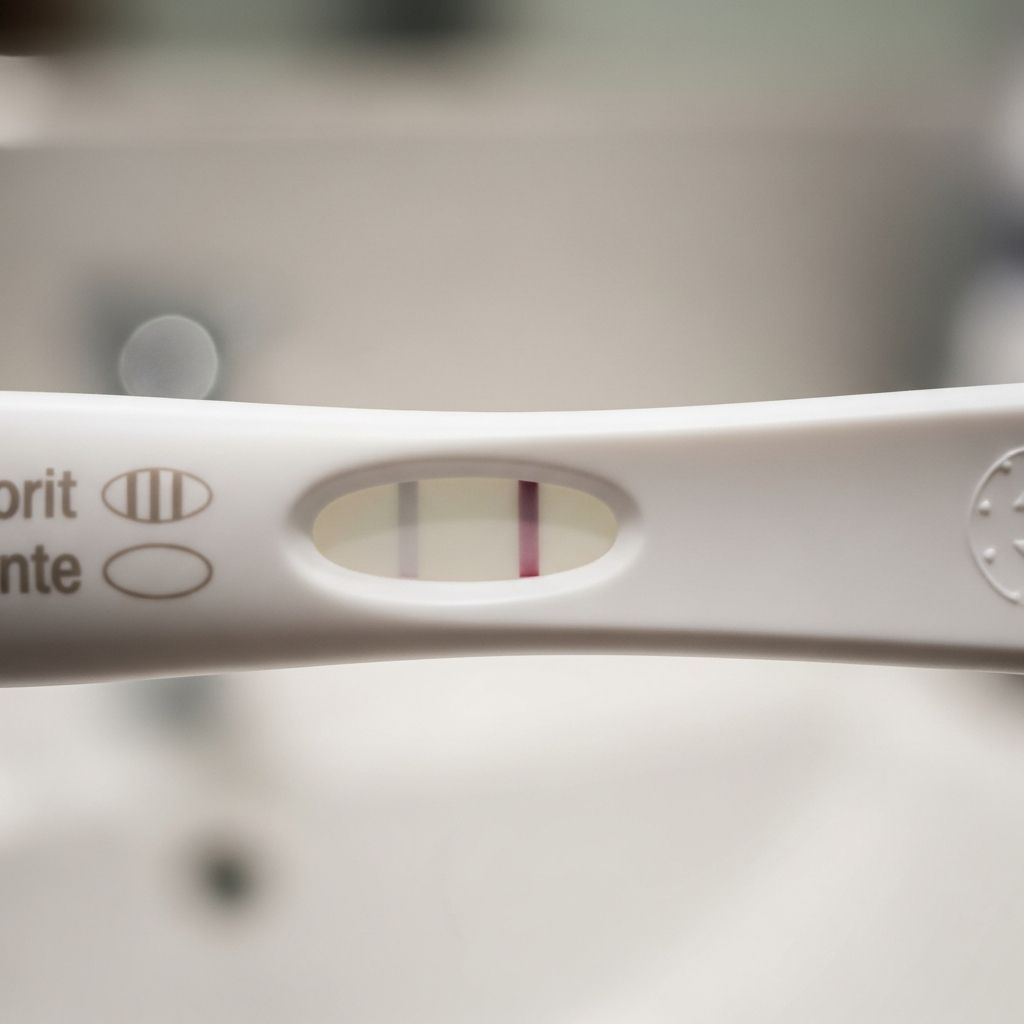
Home pregnancy tests are reliable tools for detecting the hormone human chorionic gonadotropin (hCG), which signals pregnancy. However, they can occasionally yield a false positive result, indicating pregnancy when none exists. This phenomenon can cause confusion, anxiety, and unnecessary worry for those trying to conceive or rule out pregnancy.
Understanding the mechanisms behind these inaccuracies is crucial. False positives occur when the test detects hCG or substances mimicking it due to user error, recent reproductive events, medications, or underlying health issues. This article explores these causes in depth, outlines associated symptoms, and provides actionable advice on verification and next steps.
Understanding How Pregnancy Tests Work
Most over-the-counter pregnancy tests analyze urine for hCG, produced by the placenta shortly after implantation. These tests use antibodies that bind to hCG, triggering a color change on the test strip. Sensitivity varies, with some detecting as little as 10 mIU/mL of hCG.
While highly accurate—over 99% when used correctly—false positives are rare but possible. They differ from false negatives, which are more common due to testing too early. A false positive demands prompt investigation to rule out serious conditions.
Common User-Related Causes of False Positives
Misuse of the test kit tops the list of reasons for erroneous results. Reading the test after the recommended time (usually 3-10 minutes) can lead to evaporation lines—colorless marks mistaken for positives. Diluted urine from excessive fluid intake or testing later in the day may also interfere with accuracy.
- Evaporation lines: Faint lines appearing as the urine evaporates, not true hCG reactions.
- Expired or faulty tests: Degraded reagents fail to function properly, leading to invalid results.
- Improper storage: Exposure to heat or moisture can damage test components.
Always follow instructions precisely: use first morning urine, check expiration dates, and read within the time frame.
Recent Pregnancy Events and Lingering hCG
One of the most frequent biological causes is residual hCG from a recent pregnancy-related event. After miscarriage, abortion, or childbirth, hCG levels can persist for weeks, triggering positives on subsequent tests.
A chemical pregnancy—an early miscarriage before ultrasound detection—affects 25-40% of pregnancies. Fertilization occurs, hCG rises briefly, but implantation fails, leading to a heavy period. Tests taken soon after may still detect this fleeting hormone.
Similarly, incomplete miscarriages leave placental tissue producing hCG, necessitating medical intervention like dilation and curettage (D&C).
Ectopic and Molar Pregnancies: Serious Concerns
An ectopic pregnancy happens when the fertilized egg implants outside the uterus, often in a fallopian tube. It produces hCG, yielding positive tests, but is non-viable and dangerous if ruptured. Occurring in 1-2% of U.S. pregnancies, it requires urgent treatment.
| Symptom | Description |
|---|---|
| Unusual vaginal bleeding | Light spotting or heavier flow |
| Abdominal or pelvic pain | Sharp, one-sided cramping |
| Shoulder pain | From internal bleeding irritating the diaphragm |
| Dizziness or fainting | Signs of rupture and blood loss |
Molar pregnancies, or gestational trophoblastic disease, involve abnormal placental tissue growth instead of a fetus. Rare (1 in 1,000-1,200 pregnancies), they cause elevated hCG and symptoms like severe nausea, grape-like tissue passage, and bleeding. Evacuation of molar tissue is essential.
Medications and Fertility Treatments
Drugs containing synthetic hCG, such as those used in fertility injections (e.g., Ovidrel), can linger in the system for up to 10 days, causing false positives. Wait at least two weeks post-injection before testing.
Other medications like certain antidepressants (SSRIs) or anti-parkinsonian drugs may rarely interfere, though evidence is limited.
Rare Medical Conditions Mimicking Pregnancy
Several health issues elevate hCG or produce look-alike proteins:
- Ovarian cysts: Some functional cysts secrete hCG-like substances.
- Kidney disease or UTIs: Proteinuria or infections can skew results; one case delayed pyelonephritis diagnosis.
- Cancers: Germ cell tumors, choriocarcinoma, or lung cancer may produce ectopic hCG.
- Hormonal disorders: Pituitary issues in perimenopause or postmenopausal women.
These conditions underscore the need for blood tests, which quantify hCG levels more precisely than urine tests.
Differentiating True vs. False Positives
A single positive warrants confirmation. Key steps include:
- Retest in 2-3 days; true pregnancies show rising hCG.
- Visit a healthcare provider for a quantitative blood test.
- Undergo ultrasound if hCG persists but no intrauterine pregnancy is seen.
Serial hCG monitoring helps distinguish viable pregnancies (doubling every 48 hours) from ectopics (plateauing or slow rise).
Psychological and Practical Impacts
False positives evoke emotional rollercoasters—initial joy dashed by reality. They can delay diagnosis of urgent issues, as in the pyelonephritis case where flank pain was overshadowed. Costs rise from extra tests, and anxiety mounts without clear answers.
Support strategies: Journal emotions, confide in partners, seek counseling if fertility concerns arise.
Prevention Tips for Accurate Testing
- Use sensitive, reputable brands like Clearblue.
- Test with concentrated urine.
- Avoid testing during known hCG-influencing periods.
- Consult providers before fertility meds.
When to Seek Immediate Medical Help
Positive test plus symptoms like severe pain, heavy bleeding, or dizziness? Head to the ER. Ectopic rupture or molar complications are emergencies.
Frequently Asked Questions
Can stress cause a false positive pregnancy test?
No, stress does not directly affect hCG levels or test accuracy. It may cause missed periods, prompting early testing.
How long after miscarriage can tests be positive?
Up to 4 weeks or more, depending on hCG clearance. Blood tests confirm negativity.
Are digital tests less prone to false positives?
They reduce interpretation errors but can still detect real hCG from non-viable pregnancies.
What if blood test is negative but urine positive?
Rare lab errors or dilute urine; retest serum quantitatively.
Can I get a false positive from IVF?
Yes, due to hCG trigger shots; wait 10-14 days post-retrieval.
References
- False-Positive Pregnancy Test: 7 Possible Causes — Healthline. 2023. https://www.healthline.com/health/pregnancy/false-positive-pregnancy-test
- False Positive Pregnancy Tests, Explained — Clearblue. 2023. https://www.clearblue.com/pregnancy-tests/false-positive-results
- A Case of a False-Positive Urine Pregnancy Test and Delayed Diagnosis — National Center for Biotechnology Information (PMC). 2020-03-19. https://pmc.ncbi.nlm.nih.gov/articles/PMC7117853/
- False-positive pregnancy test: 6 possible causes — Medical News Today. 2023. https://www.medicalnewstoday.com/articles/319803
- 4 Causes of a False Positive Pregnancy Test — OhioHealth Blog. 2023. https://blog.ohiohealth.com/false-positive-pregnancy-test/
- 8 Possible Causes for a False-Positive Pregnancy Test — CCRM IVF. 2023. https://www.ccrmivf.com/news/false-positive-pregnancy-test/
- Home pregnancy tests: Can you trust the results? — Mayo Clinic. 2023. https://www.mayoclinic.org/healthy-lifestyle/getting-pregnant/in-depth/home-pregnancy-tests/art-20047940