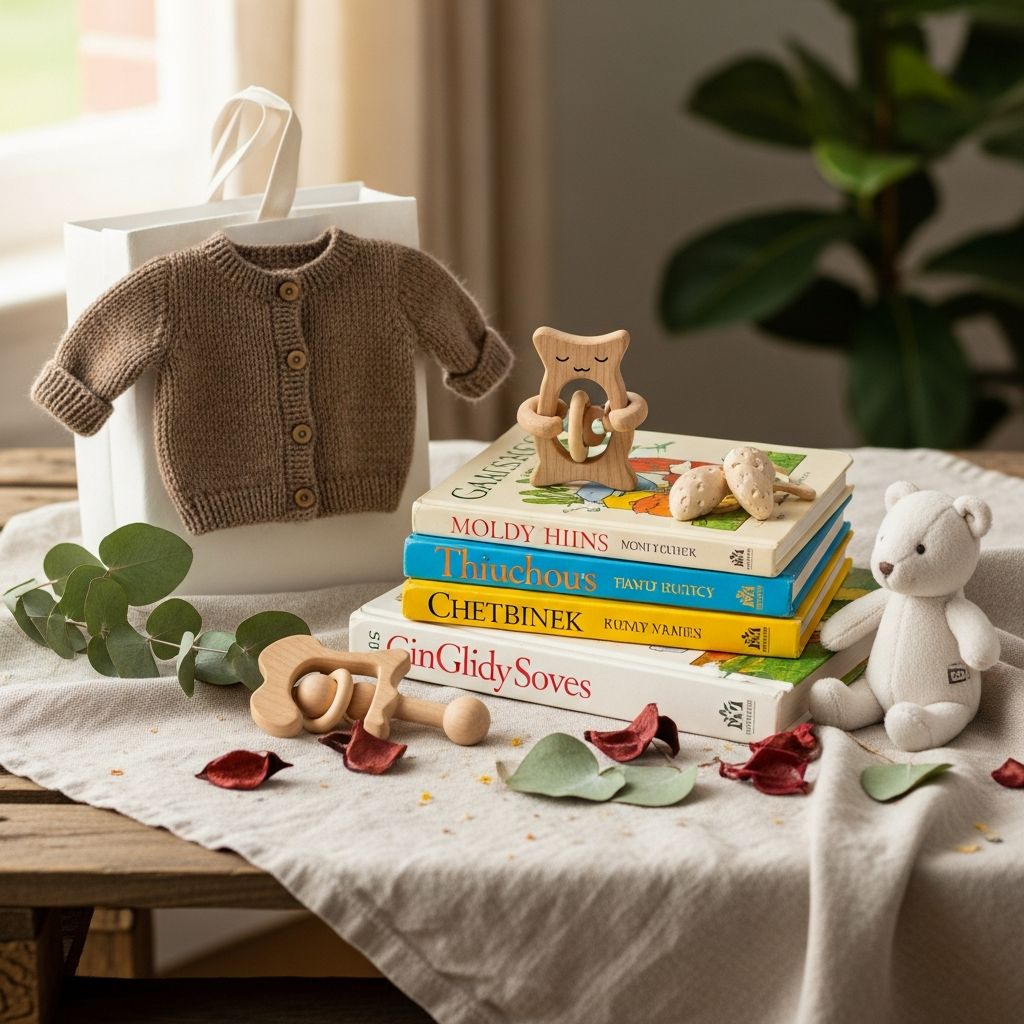
Integrating faith into family dynamics creates a foundation of love, resilience, and purpose that withstands life’s trials. Families who prioritize spiritual practices often report stronger emotional ties and greater life satisfaction, as supported by research on religiosity’s positive impacts.
The Role of Spirituality in Family Unity
Spirituality serves as the invisible thread that binds family members together, offering shared values and a sense of belonging. In homes where faith is actively practiced, children develop a deeper sense of identity and security. Parents play a pivotal role in modeling these principles, turning ordinary moments into opportunities for growth.
Consider how daily routines infused with spiritual elements—like shared prayers or reflective discussions—strengthen interpersonal connections. These practices not only reinforce belief systems but also teach empathy and selflessness, mirroring divine qualities. Empirical studies highlight that family religiosity directly influences children’s moral development and emotional well-being.
Building Daily Rituals for Spiritual Growth
Consistent rituals form the backbone of a faith-filled home. Simple acts, such as evening gratitude reflections or morning blessings, embed spirituality into the fabric of family life without overwhelming busy schedules.
- Gratitude Circles: Gather at dinner to share one thing each member appreciates, fostering positivity and awareness of divine provision.
- Story Sharing: Recount family anecdotes tied to faith lessons, preserving heritage and inspiring current generations.
- Service Projects: Engage in community help as a unit, embodying teachings of compassion and reinforcing family purpose.
These habits transform potential chaos into harmonious routines, promoting belonging—a core human need fulfilled through family design.
Parental Modeling: The Heart of Faith Transmission
Children learn faith not through lectures but by observing parents’ lives. A father’s selfless actions or a mother’s kind words become living sermons, reflecting higher ideals. When parents demonstrate trust in divine guidance during hardships, it instills confidence in children to do the same.
Research underscores that spiritually supportive environments help youth internalize gospel principles, leading to robust personal testimonies. This modeling extends to handling uncertainties, where prayer becomes a bridge of trust and hope.
| Parental Action | Faith Lesson Modeled | Child Outcome |
|---|---|---|
| Sacrificial service | Selfless love | Increased empathy |
| Consistent prayer | Reliance on higher power | Resilience in trials |
| Grateful attitude | Contentment | Positive worldview |
| Storytelling of heritage | Legacy continuity | Strong identity |
This table illustrates key ways parental behaviors shape faith legacies, drawing from observed family dynamics.
Overcoming Modern Challenges with Faith
In an era of distractions and division, families leaning on faith navigate pressures effectively. Spirituality provides tools for unity, countering individualism with collective purpose. Parents who prioritize home as a ‘house of faith’ create fertile ground for children’s spiritual seeds to grow.
Challenges like adolescence or relocation test bonds, yet shared beliefs offer stability. By weaving wonder into daily walks or creative play, families keep faith vibrant and engaging. This approach ensures spirituality isn’t an add-on but the essence of family identity.
Intergenerational Faith: Weaving Legacies
Faith thrives across generations when stories and traditions are passed down. Dinner table conversations about ancestors’ trials and triumphs keep narratives alive, honoring the past while guiding the future. These threads bind families, reminding them of enduring patterns of love and perseverance.
Adults reflecting on childhood influences often credit family faith practices for their character formation. One young adult noted how parental examples of divine reflection shaped aspirations for Christ-like living. Such legacies emphasize that success is communal, tied to forebears’ sacrifices.
Practical Strategies for Faith-Focused Homes
To cultivate lasting faith, families can adopt targeted strategies rooted in timeless principles.
- Prioritize Prayer: Make it a non-negotiable, adapting to ages with playful or profound elements.
- Embrace Uniqueness: Celebrate each member’s gifts as divine design, promoting harmony.
- Integrate Service: Regular acts of kindness teach dignity and purpose.
- Foster Belonging: Create spaces where every voice matters, fulfilling God’s family vision.
- Reflect Regularly: Pause to notice God’s work in ordinary moments.
These steps, when consistent, yield transformed lives—strength in weakness, direction in confusion.
Frequently Asked Questions (FAQs)
What if my family has different faith levels?
Start small with shared values like gratitude or service, allowing individual growth without pressure. Focus on unity through common ground.
How does faith help during family crises?
Prayer and trust shift perspectives, revealing help and comfort amid sorrow, building collective resilience.
Can single-parent families build strong faith legacies?
Absolutely—intentional rituals and community support create belonging, as faith transcends traditional structures.
What’s the best age to start faith practices?
From infancy, through wonder-filled engagement that evolves with development.
How do I make faith fun for kids?
Incorporate creativity, nature walks, and play to delight in creation, keeping it lively.
Transforming Lives Through Faith and Family
Embracing faith within family transforms individuals and units alike. Children gain roots for personal belief, while parents find purpose in divine partnership. This synergy fulfills God’s design for belonging and belief, leading to lives fully alive.
As families surrender to higher guidance, promises unfold uniquely, fostering gratitude and growth. In a divided world, these bonds stand as testaments to intentional creation and grace.
References
- A House of Faith: How Family Religiosity Strengthens Our Children — Religious Studies Center, BYU. 2023. https://rsc.byu.edu/divine-design/house-faith-how-family-religiosity-strengthens-our-children
- Faithful Parenting: Embracing God’s Unique Design for Your Family — Christian Parenting. 2024. https://www.christianparenting.org/articles/faithful-parenting-embracing-gods-unique-design-for-your-family/
- 5 Ways to Build a Legacy of Faith in Your Family — Christianity.com. 2024. https://www.christianity.com/wiki/christian-life/5-ways-to-build-a-legacy-of-faith-in-your-family.html
- An Ongoing Legacy of Faith and Family — The Interfaith Observer. 2025-03-17. http://www.theinterfaithobserver.org/journal-articles/2025/3/17-an-ongoing-legacy-of-faith-and-family
- Faith And Family — Alive and Active Life. 2024. https://www.aliveandactivelife.org/articles/faith-and-family/
- Gathering Your Family Story: Weaving Faith Across Generations — Latter-day Saint Magazine. 2024. https://latterdaysaintmag.com/gathering-your-family-story-weaving-faith-across-generations/
- Why does faith matter in family life? — Broadview Magazine. 2024. https://broadview.org/adventures-in-faith-and-family/