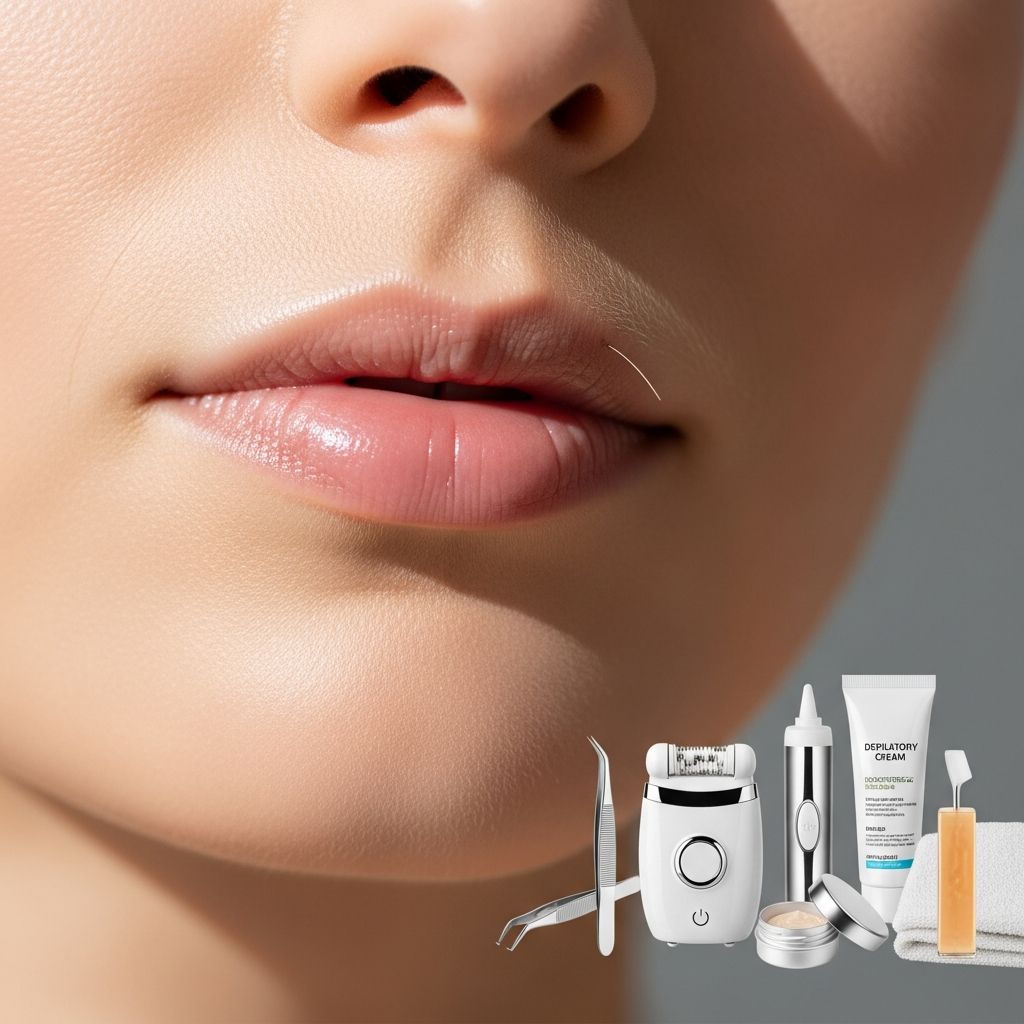
Understanding Facial Hair: Why It Appears and When to Worry
Facial hair in women is more common than many realize, but it can still feel frustrating or embarrassing. Fine, light hairs (often called peach fuzz) are normal and appear on most people’s faces. However, when hair becomes darker, thicker, or more noticeable—especially on the upper lip, chin, or jawline—it can be a sign of hormonal shifts.
Common causes include:
- Hormonal changes: Puberty, pregnancy, perimenopause, and menopause can all increase androgen (male hormone) levels, leading to more visible facial hair.
- Polycystic ovary syndrome (PCOS): A condition that affects hormone balance and often causes excess hair growth, acne, and irregular periods.
- Medications: Certain drugs, like some steroids or hormone therapies, can stimulate hair growth.
- Genetics: If women in your family have more facial hair, you may be more likely to as well.
- Insulin resistance: Often linked to PCOS, this can also contribute to increased hair growth.
If facial hair suddenly becomes coarse, spreads quickly, or is accompanied by other symptoms like irregular periods, acne, or weight gain, it’s wise to see a healthcare provider. They can check hormone levels and rule out underlying conditions like PCOS or thyroid issues.
Temporary Hair Removal: Quick, Accessible Options
For many, facial hair is a cosmetic concern rather than a medical one. Temporary methods are ideal for occasional touch-ups and are usually the most affordable and easiest to start with.
Shaving and Dermaplaning
Shaving facial hair with a clean, sharp razor is safe and effective. Contrary to myth, shaving does not make hair grow back thicker or darker. It simply cuts the hair at the surface, so regrowth may feel stubbly at first, but the texture and color remain unchanged.
Dermaplaning is a professional or at-home exfoliation method that uses a small, sterile blade to gently scrape off dead skin cells and fine facial hair. It leaves skin incredibly smooth and can improve makeup application and product absorption. Because it only removes surface hair, regrowth is quick—usually within a few days.
Best for: Fine, light facial hair; those who want smooth skin quickly.
Pros: Fast, inexpensive, painless, and easy to do at home.
Cons: Hair grows back quickly; not ideal for coarse or dark hair; risk of nicks if not done carefully.
Tweezing and Threading
Tweezing involves plucking individual hairs with tweezers. It’s precise and great for shaping eyebrows or removing a few stray hairs on the chin or upper lip. Because hair is removed from the root, regrowth is slower than shaving—often taking several weeks.
Threading uses a twisted cotton thread to pull out multiple hairs at once. It’s a traditional method popular for eyebrow shaping and upper lip hair removal. Threading is chemical-free and generally gentle on the skin, making it a good option for those with acne or sensitive skin.
Best for: small, targeted areas; precise shaping.
Pros: Long-lasting results; no chemicals; good for sensitive skin.
Cons: Can be painful; time-consuming for larger areas; risk of ingrown hairs if not done properly.
Depilatory Creams
Facial hair removal creams work by dissolving the protein structure of the hair at the skin’s surface. They’re quick and painless, but they contain strong chemicals that can irritate sensitive facial skin.
Always do a patch test 24 hours before full application, especially on the face. Follow the instructions carefully and never leave the cream on longer than recommended. These creams are best for fine, light hair and are not recommended for very sensitive, broken, or acne-prone skin.
Best for: those who want a pain-free, quick option for fine facial hair.
Pros: Fast, painless, easy to use at home.
Cons: Risk of irritation or allergic reaction; results are short-lived; not suitable for all skin types.
Longer-Lasting Methods: Waxing and Sugaring
These methods remove hair from the root, so results last longer than surface-level techniques. Hair typically takes 3–6 weeks to grow back, and with repeated treatments, it may grow back finer and sparser.
Facial Waxing
Waxing involves applying warm wax to the skin, pressing a cloth or paper strip over it, and then quickly pulling it off against the direction of hair growth. Hard wax (which hardens on its own) is often preferred for the face because it adheres to the hair rather than the skin, reducing irritation.
Professional waxing is generally safer and more effective than at-home kits, especially on delicate facial skin. However, at-home waxing can work well with practice and proper technique.
Best for: upper lip, chin, cheeks, and sideburns.
Pros: Smooth results that last weeks; hair grows back finer over time.
Cons: Can be painful; risk of redness, irritation, or ingrown hairs; not ideal for very sensitive or acne-prone skin.
Sugaring
Sugaring is similar to waxing but uses a paste made from sugar, lemon juice, and water. It’s applied warm and removed in the direction of hair growth, which can be less painful and gentler on the skin. Because it’s made from natural ingredients, it’s often better tolerated by sensitive skin.
Like waxing, sugaring removes hair from the root and offers results that last several weeks. It’s a good alternative for those who find traditional wax too harsh.
Best for: sensitive skin; those who prefer natural ingredients.
Pros: Gentle, less irritating, natural ingredients, long-lasting results.
Cons: Can still cause redness or irritation; requires hair to be a certain length; may be less accessible than waxing.
Advanced Treatments: Laser and Light-Based Hair Removal
For those looking to reduce hair growth over time, laser and intense pulsed light (IPL) treatments are popular options. These are not truly permanent but can significantly reduce hair density and thickness with a series of sessions.
Laser Hair Removal
Laser hair removal uses concentrated light beams that target the pigment (melanin) in the hair follicle. The heat damages the follicle, slowing or stopping future growth. It works best on dark, coarse hair and lighter skin tones, though newer technologies are improving results for darker skin.
Multiple sessions (usually 6–8 or more) are needed, spaced several weeks apart, to catch hair in its active growth phase. Results can last for months or even years, with some people experiencing very little regrowth.
Best for: those with dark, coarse facial hair and lighter skin; those seeking long-term reduction.
Pros: Long-lasting results; reduces hair density; professional treatments are highly effective.
Cons: Expensive; requires multiple sessions; not effective on very light, gray, or white hair; risk of burns or pigmentation changes if not done properly.
At-Home IPL Devices
At-home IPL (intense pulsed light) devices are less powerful than professional lasers but can still reduce facial hair over time. They’re more affordable and convenient but require consistent, long-term use.
Pros: Lower cost than professional treatments; convenient; can be used at home.
Cons: Less effective than professional lasers; requires many sessions; not suitable for all skin and hair types.
Permanent Hair Removal: Electrolysis
Electrolysis is the only method approved by the U.S. Food and Drug Administration (FDA) for permanent hair removal. It works on all skin tones and hair colors, including fine, light, and gray hairs that lasers cannot target.
During treatment, a tiny probe is inserted into each hair follicle, and a small electric current is used to destroy the follicle. Because it treats one follicle at a time, it’s time-consuming and requires multiple sessions, especially for larger areas.
While it can be uncomfortable, most people describe it as a brief stinging sensation. There’s little downtime, and results are permanent once the follicle is destroyed.
Best for: those seeking permanent removal of facial hair, regardless of skin tone or hair color.
Pros: Permanent results; works on all skin and hair types; FDA-approved.
Cons: Expensive; time-consuming; can be uncomfortable; requires a skilled, licensed practitioner.
Choosing the Right Method for You
The best method depends on your skin type, hair type, budget, pain tolerance, and how long you want results to last. Here’s a simple guide to help you decide:
| Method | Best For | Duration of Results | Cost Level | Pain Level |
|---|---|---|---|---|
| Shaving / Dermaplaning | Fine, light hair; quick touch-ups | 1–3 days | Low | Low |
| Tweezing / Threading | Small areas; shaping | 2–6 weeks | Low | Medium |
| Waxing / Sugaring | Upper lip, chin, cheeks | 3–6 weeks | Medium | Medium–High |
| Depilatory Creams | Fine hair; pain-free option | 1–3 days | Low | Low |
| Laser / IPL | Long-term reduction; dark hair | Months to years | High | Medium |
| Electrolysis | Permanent removal; all hair types | Permanent | High | Medium–High |
Consider starting with a temporary method to see how your skin reacts, then gradually move to longer-lasting or permanent options if desired.
Skin Care Tips for Facial Hair Removal
No matter which method you choose, caring for your skin before and after treatment is key to minimizing irritation and preventing issues like ingrown hairs.
- Exfoliate regularly: Gently exfoliate 2–3 times a week to remove dead skin cells and prevent hairs from getting trapped under the skin.
- Keep skin clean: Wash with a gentle, non-comedogenic cleanser before and after hair removal.
- Moisturize daily: Use a fragrance-free moisturizer to keep skin hydrated and resilient.
- Use sunscreen: Many hair removal methods can make skin more sensitive to the sun. Always apply broad-spectrum SPF 30 or higher, especially after waxing, laser, or electrolysis.
- Avoid harsh products: Skip retinoids, AHAs, BHAs, and strong acne treatments for 24–48 hours before and after hair removal to reduce irritation.
- Don’t pick or scratch: Avoid touching treated areas with dirty hands to prevent infection and ingrown hairs.
When to See a Professional
While many hair removal methods can be done safely at home, there are times when professional help is the best choice:
- You have sensitive, acne-prone, or easily irritated skin.
- You’re considering laser, IPL, or electrolysis and want the safest, most effective results.
- You’re unsure which method is right for your skin and hair type.
- You’re experiencing sudden, excessive facial hair growth or other symptoms like irregular periods, acne, or weight gain.
A dermatologist or licensed aesthetician can assess your skin, recommend the safest options, and perform treatments in a sterile, controlled environment.
Frequently Asked Questions
Does shaving make facial hair grow back thicker?
No, shaving does not change the thickness, color, or growth rate of hair. It only cuts the hair at the surface, so it may feel stubbly as it grows back, but it’s not actually thicker.
Can I wax or laser if I have acne?
Waxing and laser can irritate active acne and increase the risk of scarring or infection. It’s best to avoid these methods on areas with active breakouts. Threading, tweezing, or gentle shaving may be safer options.
How many laser or electrolysis sessions do I need?
Laser typically requires 6–8 or more sessions, spaced 4–6 weeks apart. Electrolysis requires multiple sessions over several months, depending on the area and hair density. A professional can give you a more accurate estimate based on your needs.
Is it safe to remove facial hair during pregnancy?
Most temporary methods (shaving, tweezing, threading, waxing) are considered safe during pregnancy. However, skin can be more sensitive, so do a patch test first. Avoid depilatory creams on the face unless approved by your healthcare provider. For laser or electrolysis, consult your doctor first.
What if I’m worried about facial hair being a sign of a health problem?
If facial hair is new, spreading quickly, or accompanied by other symptoms like irregular periods, acne, or weight changes, it’s a good idea to see a healthcare provider. They can check hormone levels and rule out conditions like PCOS or thyroid issues.
References
- Facial Hair Removal: Methods and Safety — American Academy of Dermatology Association. 2024. https://www.aad.org/public/everyday-care/hair-scalp-care/hair-removal/facial-hair-removal
- Polycystic Ovary Syndrome (PCOS) — Office on Women’s Health, U.S. Department of Health & Human Services. 2023. https://www.womenshealth.gov/a-z-topics/polycystic-ovary-syndrome
- Permanent Hair Removal with Electrolysis — U.S. Food and Drug Administration. 2022. https://www.fda.gov/consumers/consumer-updates/permanent-hair-removal-electrolysis