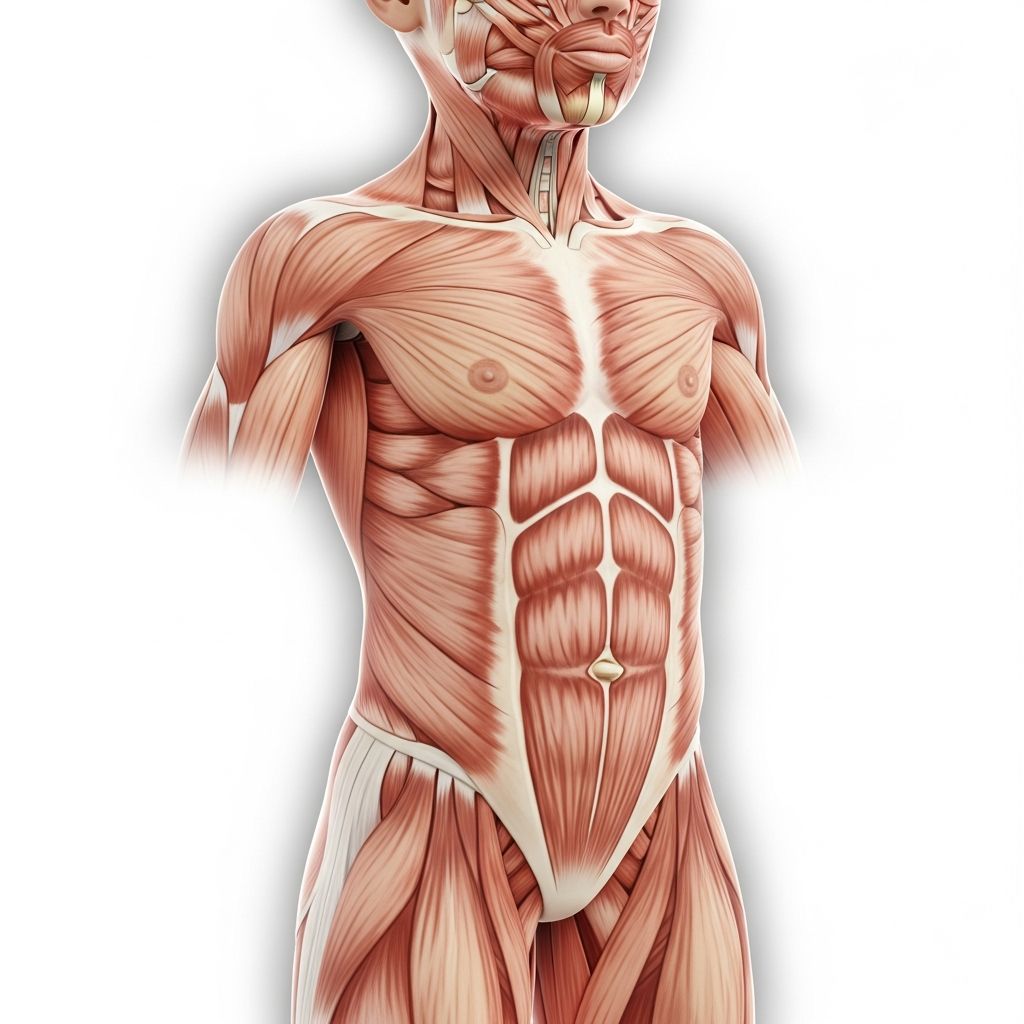
Excessive urination, known medically known as polyuria when it involves large urine volumes or urinary frequency when trips to the bathroom increase dramatically, can worry parents. In children, normal daily urine output is around one liter, but polyuria is typically defined as more than three liters per day. This guide explores the differences, underlying causes, recognition tips, diagnostic approaches, and management strategies to help you navigate this common yet sometimes serious symptom.
Defining the Problem: Polyuria vs. Urinary Frequency
Parents often confuse polyuria with simple frequent urination, but they differ significantly. Polyuria means producing over three liters of urine daily, often leading to increased thirst and nighttime waking. Children might pass large amounts each time they urinate, sometimes more than 10 liters in severe cases like diabetes insipidus.
In contrast, urinary frequency or pollakiuria involves needing to urinate very often—up to every 5-10 minutes during the day—but with small volumes each time. This is common in toilet-trained kids aged 3-14, peaking at 5-6 years, and usually doesn’t disrupt sleep.
| Aspect | Polyuria | Urinary Frequency (Pollakiuria) |
|---|---|---|
| Urine Volume | High (>3L/day) | Low per void |
| Frequency | Increased, day/night | Very high daytime only |
| Thirst | Often present | Usually absent |
| Duration | Persistent until treated | Self-resolves in months |
Common Causes of Excessive Urination
Several factors can trigger excessive urination in kids. Understanding these helps determine if it’s benign or needs attention.
- Diabetes Mellitus: The leading cause, where high blood sugar forces kidneys to excrete excess glucose via urine, pulling water along. Type 1 diabetes often presents with rapid weight loss, thirst, and fatigue.
- Diabetes Insipidus: A hormone imbalance—either deficiency (central) or kidney resistance (nephrogenic)—prevents water reabsorption, causing massive urine output. It may stem from brain issues, infections, or genetics.
- Kidney Disorders: Chronic kidney disease, infections, or failure impair urine concentration, leading to polyuria.
- Psychogenic Polydipsia: Compulsive water drinking, often in teens with psychological factors, mimics polyuria.
- Benign Urinary Frequency (Pollakiuria): Stress-related, with no infection or organic cause; kids urinate small amounts frequently daytime only.
- Other Triggers: Constipation, overactive bladder, excessive fluids, or UTIs can mimic or cause frequency.
Recognizing Symptoms in Your Child
Spotting signs early is crucial. For polyuria, watch for:
- Peeing more than 7-8 times daily with large volumes.
- Intense thirst and increased fluid intake.
- Nighttime urination (nocturia) or bedwetting in trained kids.
- Weight loss, fatigue, or pale urine.
Pollakiuria symptoms include:
- Urination every 5-20 minutes daytime, small amounts.
- No pain, normal urine, no nighttime issues usually.
- May last 7-12 months, recurring.
Red flags signaling urgency: abrupt onset, early childhood start, night sweats, cough, or psychiatric history.
When to Consult a Doctor
Not all cases need immediate care—pollakiuria often resolves alone—but polyuria warrants prompt evaluation. Seek help if your child shows unexplained thirst, weight loss, or nocturia. A pediatrician will assess history, including family diabetes or kidney issues, and examine for dehydration or neurological signs.
Diagnostic Process Explained
Doctors start with:
- History and Exam: Thirst patterns, past illnesses, family history.
- Urine Tests: Volume measurement, specific gravity, glucose, infection check.
- Blood Work: Glucose, electrolytes, kidney function, complete blood count.
- Water Deprivation Test: For diabetes insipidus, monitoring urine concentration without fluids.
- Imaging: If tumors or structural issues suspected.
For pollakiuria, reassurance often suffices after ruling out infection.
Treatment and Management Strategies
Treatment targets the cause:
- Diabetes Mellitus: Insulin therapy, diet, monitoring.
- Diabetes Insipidus: Desmopressin (synthetic hormone) for central type; address underlying issues.
- Kidney Issues: Manage underlying disease, fluids.
- Pollakiuria: Reassurance, ignore frequency, increase fluids, address stress; resolves in months.
- General Tips: Track intake/output, encourage waiting between voids, ensure hydration without excess.
Avoid unnecessary tests for benign cases to reduce anxiety.
Preventing and Supporting Your Child
Promote bladder health with balanced fluids, regular bathroom routines, and stress reduction. For school-age kids, inform teachers about pollakiuria to avoid criticism. Monitor for constipation, a hidden frequency culprit.
Frequently Asked Questions (FAQs)
Q: Is excessive urination always a sign of diabetes?
A: No, while common, other causes like diabetes insipidus or pollakiuria exist. Testing distinguishes them.
Q: How long does pollakiuria last?
A: Typically 7-12 months, self-resolving, though cycles may recur over 1-2 years.
Q: Can stress cause frequent urination?
A: Yes, pollakiuria is often stress-triggered in children, with no physical harm.
Q: Should I restrict fluids?
A: No, especially for pollakiuria—increase fluids and reassure the child.
Q: What if my child wets the bed suddenly?
A: It could indicate polyuria; see a doctor to rule out serious causes.
References
- Polyuria Patient Education – Pediatric Nephrology — Pediatric Oncall. Accessed 2026. https://www.pediatriconcall.com/articles/pediatric-nephrology/polyuria/polyuria-patient-education
- Polyuria – Genitourinary Disorders — Merck Manuals Professional Edition. Accessed 2026. https://www.merckmanuals.com/professional/genitourinary-disorders/symptoms-of-genitourinary-disorders/polyuria
- Local Pediatrics: Urinary Frequency — AUC Urology. Accessed 2026. https://www.auncurology.com/blog/local-pediatrics-urinary-frequency
- Polyuria (Excessive Urine Production) – Diabetes — WebMD. Accessed 2026. https://www.webmd.com/diabetes/polyuria-too-much-urine
- Pollakiuria — St. Louis Children’s Hospital. Accessed 2026. https://www.stlouischildrens.org/conditions-treatments/pollakiuria
- Urinary Frequency — Children’s Hospital of Philadelphia. Accessed 2026. https://www.chop.edu/conditions-diseases/urinary-frequency