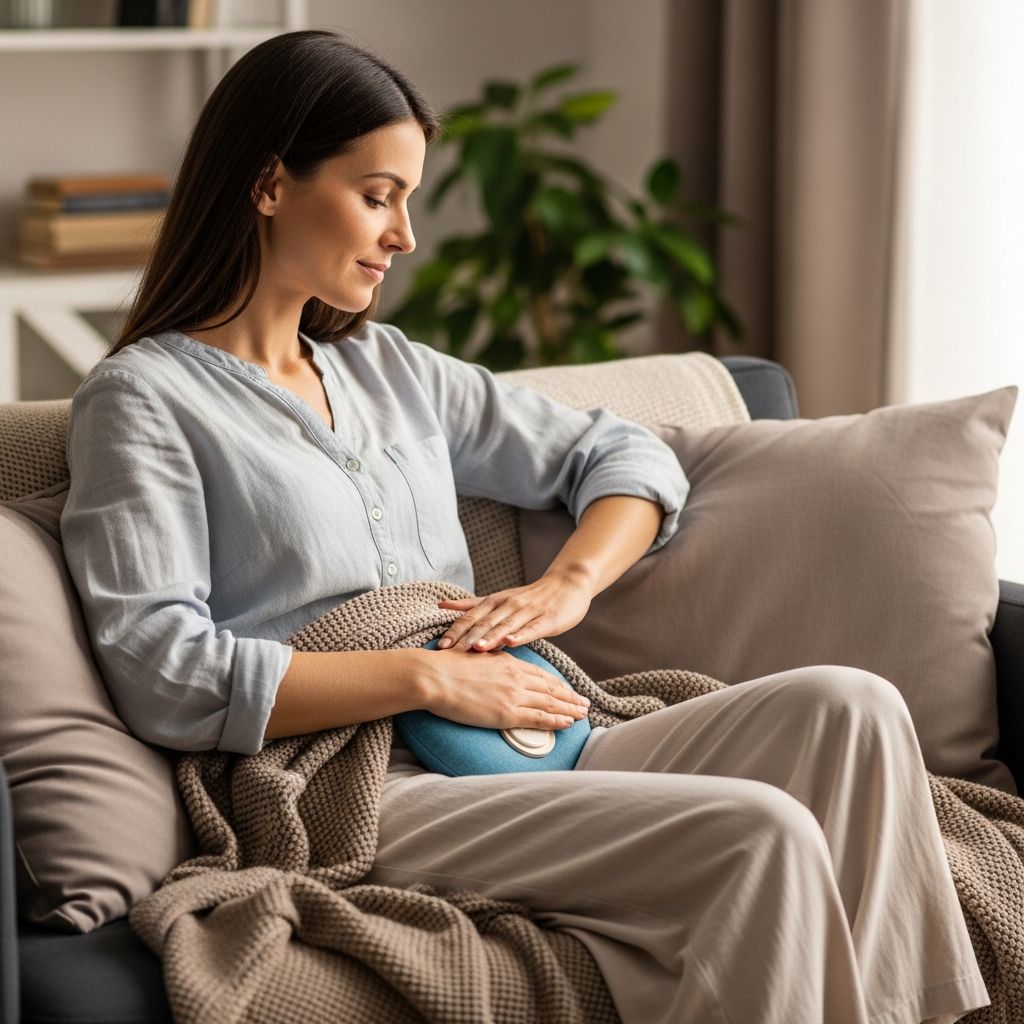
Recovering from an episiotomy, a surgical cut made in the perineum during childbirth to facilitate delivery, requires diligent care to promote healing, prevent complications, and restore comfort. Most women experience full recovery within 3-6 weeks, though individual timelines vary based on incision size and personal health factors.
Understanding the Episiotomy Procedure and Initial Healing
An episiotomy involves a controlled incision between the vagina and anus, typically repaired immediately after birth with dissolvable stitches that the body absorbs over 4-6 weeks. Expect initial soreness, swelling, and bruising, which peak in the first 24-48 hours. A pulling sensation around days 2-3 is common as tissues adjust.
Healing progresses in stages: inflammation reduces within days, followed by tissue regeneration over weeks. Factors like infection, excessive strain, or poor hygiene can delay this process or lead to wound breakdown, where stitches gap open due to pressure or underlying issues.
- Normal first-week symptoms: Tenderness, light spotting, mild discharge.
- By week 3: Reduced pain, stitches dissolving.
- Full recovery: 4-6 weeks, confirmed at postpartum checkup.
Daily Hygiene Practices for Stitch Protection
Maintaining cleanliness is paramount to ward off infection, the primary risk in episiotomy care. Change sanitary pads every 2-4 hours, even if not heavily soiled, opting for maternity-grade pads to minimize friction.
After urination or bowel movements:
- Spray the area with warm water using a peri-bottle, avoiding direct wiping which can irritate stitches.
- Pat dry gently with a clean towel or unscented baby wipe; front-to-back motion prevents bacterial spread from the anus.
- Avoid soap, lotions, or harsh cleansers unless prescribed—plain water suffices.
Expose the area to air periodically: Remove underwear for 10-20 minutes daily, lying on a towel, to aid drying and reduce moisture buildup.
Pain Management Techniques for Comfort
Discomfort is expected but manageable with simple, evidence-based methods. Start with ice packs wrapped in a thin towel applied for 10-20 minutes several times daily in the first 24 hours to curb swelling.
| Method | Timing | Benefits |
|---|---|---|
| Ice packs | First 24 hours | Reduces swelling and numbs pain |
| Warm sitz baths | After 24 hours, 2-4x/day | Promotes circulation, cleanses gently |
| OTC pain relievers (ibuprofen/acetaminophen) | As needed | Anti-inflammatory, safe for breastfeeding |
| Witch hazel pads or medicated sprays | Daily | Soothes irritation |
Sitz baths involve sitting in shallow warm water covering the perineum for 10-15 minutes; use a portable tub over the toilet for convenience. Clean the tub with disinfectant between uses. Position yourself on firm seats or donut cushions to lessen stitch tension during sitting.
Promoting Bowel and Bladder Health During Recovery
Straining exacerbates stitch stress, so prioritize gentle elimination. Drink ample fluids (8-10 glasses daily), eat fiber-rich foods like fruits, vegetables, and whole grains to soften stools.
- Stool softeners: Use as recommended by your provider to ease passage without laxatives unless advised.
- Bowel movements: Squat slightly or place a pad against the perineum for support; pour warm water while pooing to dilute urine sting.
- Urination tips: Pour warm water over the area mid-stream to reduce burning; skip wiping if spraying suffices.
Avoid constipation triggers: Limit caffeine, processed foods, and dehydration. If pooing remains painful after a week, consult your provider.
Activity Restrictions and Gradual Return to Normalcy
Listen to your body during recovery. Light activities like short walks or household chores resume when comfortable, but postpone strenuous efforts.
- Avoid for 6 weeks: Tampons, sexual intercourse, heavy lifting (>10 lbs), vigorous exercise, or activities risking stitch rupture.
- Daily habits: Shift positions frequently; avoid prolonged standing/sitting. Use support belts if needed for pelvic stability.
- Exercise reintroduction: Start pelvic floor (Kegel) exercises after 1-2 weeks if pain-free, building to full routines post-checkup.
Perineal massage, begun 4-6 weeks postpartum with provider approval, can improve tissue flexibility and reduce intercourse discomfort.
Recognizing and Preventing Complications
Most episiotomies heal uneventfully, but vigilance prevents rare issues like infection or dehiscence (wound opening). Monitor daily for changes.
| Warning Sign | Action |
|---|---|
| Fever >100.4°F, chills | Contact provider immediately—infection possible |
| Foul-smelling discharge, pus | Seek care; may need antibiotics |
| Heavy bleeding (clots >quarter-sized, soaking pad hourly) | Emergency evaluation |
| Increasing redness, swelling, severe pain | Check for dehiscence or abscess |
| Pain lasting >2-3 weeks | Schedule follow-up |
Infection treatment often involves oral or IV antibiotics; re-stitching occurs only if no infection present, as trapping bacteria worsens outcomes. Secondary healing via new tissue growth fills gaps naturally.
Long-Term Recovery and Intimacy Considerations
By 6 weeks, most perineums are healed, but dyspareunia (painful sex) may persist months due to scarring. Use water-based lubricants, start slowly, and communicate with partners.
Pelvic floor therapy strengthens muscles, preventing incontinence or prolapse. Annual checkups monitor scar tissue. Natural tears sometimes heal comparably or better than episiotomies, per research.
Frequently Asked Questions (FAQs)
Can I take baths right after birth?
Wait 24 hours, then use sitz baths; clean the tub first. Avoid full tubs or hot tubs for 4 weeks.
How long until stitches dissolve?
Typically 4 weeks, up to 6; small pieces may pass naturally.
Is it normal to pass a stitch?
Yes, especially during baths; no concern unless accompanied by heavy bleeding or pain.
When can I resume exercise?
Light walking immediately; full workouts after 6-week clearance.
What if pain worsens suddenly?
Call your provider—could signal infection or breakdown.
Are episiotomies always necessary?
No; reserved for specific cases. Perineal massage in late pregnancy may reduce need.
This guide empowers new mothers with practical, medically grounded strategies for smooth episiotomy recovery. Always consult your healthcare team for personalized advice.
References
- Episiotomy – aftercare: MedlinePlus Medical Encyclopedia — MedlinePlus. 2023. https://medlineplus.gov/ency/patientinstructions/000483.htm
- Self-Care After Episiotomy — UMass Memorial Health. 2024. https://www.ummhealth.org/health-library/self-care-after-episiotomy
- Episiotomy and perineal tears — NHS. 2023-10-24. https://www.nhs.uk/pregnancy/labour-and-birth/episiotomy-and-perineal-tears/
- Caring for Yourself After Birth — South Texas Health System. 2024. https://www.southtexashealthsystemedinburg.com/services/maternity/caring-for-yourself
- How to Look After Your Perineum After Having a Baby — Norfolk and Norwich University Hospitals NHS Foundation Trust. 2016-05. https://www.nnuh.nhs.uk/wp-content/uploads/2016/05/How-to-Look-After-Your-Perineum-After-Having-a-Baby-v4.pdf
- Episiotomy: Procedure, Advantages, Complications & Healing — Cleveland Clinic. 2023-11-01. https://my.clevelandclinic.org/health/treatments/22904-episiotomy
- Perineal wound breakdown — Royal College of Obstetricians and Gynaecologists (RCOG). 2023. https://www.rcog.org.uk/for-the-public/perineal-tears-and-episiotomies-in-childbirth/perineal-wound-breakdown/
- Episiotomy: What to Expect at Home — Kaiser Permanente. 2024. https://healthy.kaiserpermanente.org/health-wellness/health-encyclopedia/he.episiotomy-what-to-expect-at-home.zc2338