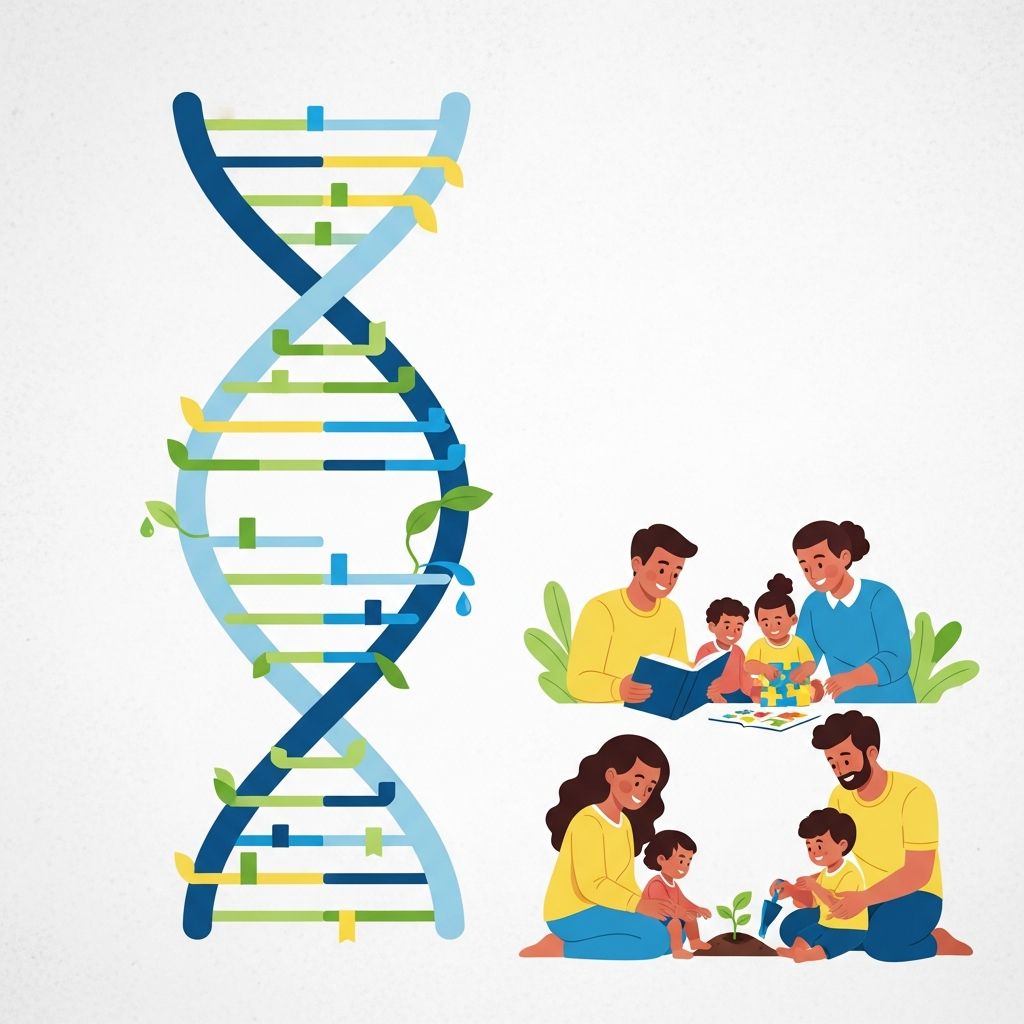
Epigenetics studies how external factors like diet, stress, and environment modify gene activity without altering the DNA sequence itself. These changes act like switches that turn genes on or off, influencing a child’s growth, health, and even traits passed to future generations.
Unlocking the Basics: What Makes Cells Different?
Every cell in your child’s body contains the same DNA blueprint, yet a skin cell behaves differently from a brain cell. Epigenetics explains this through chemical tags on DNA and proteins called histones that package it, controlling access for protein-making machinery.
Imagine DNA as a vast library of recipes. Epigenetic marks decide which recipes get cooked, ensuring liver cells make digestive enzymes while muscle cells focus on contraction proteins. This regulation starts in the womb and continues lifelong.
Key Mechanisms: How Epigenetic Changes Happen
Two primary processes drive epigenetics: DNA methylation and histone modifications. DNA methylation adds methyl groups to DNA bases, typically silencing genes by blocking transcription factors. Histone modifications, like acetylation, loosen DNA wrapping for active expression or tighten it for repression.
- DNA Methylation: Attaches CH3 groups to cytosine bases, often at CpG sites, turning off genes.
- Histone Acetylation: Adds acetyl groups to histones, creating open euchromatin for gene activation.
- Histone Methylation: Can activate or repress genes depending on the site.
- Non-Coding RNAs: Influence chromatin structure indirectly.
These marks are dynamic, added or removed by enzymes responding to signals like nutrients or toxins.
From Zygote to Toddler: Epigenetics in Child Development
Development begins with a single zygote cell differentiating into trillions, guided by epigenetic landscapes. Conrad Waddington’s 1940s model depicts this as a ball rolling down valleys, where genes shape paths and epigenetics chooses routes for cell specialization.
In pregnancy, maternal nutrition imprints epigenetic patterns on the fetus. Folate supports methylation; deficiencies may alter neurodevelopment genes. Post-birth, breastfeeding and play environments further tune these marks.
| Development Stage | Epigenetic Role | Example Influence |
|---|---|---|
| Embryonic | Stem cell differentiation | Histone marks direct organ formation |
| Fetal | Gene silencing for tissues | Maternal diet affects metabolism genes |
| Infancy | Brain plasticity | Touch and bonding enhance neural expression |
| Childhood | Immune maturation | Exercise boosts anti-inflammatory marks |
Environmental Triggers: Nurture’s Power Over Nature
Lifestyle profoundly impacts the epigenome. Poor prenatal nutrition, like famine exposure, leaves lasting methylation changes increasing adult obesity risk. Tobacco smoke adds repressive marks to lung cancer genes.
Positive factors counteract risks: A vegetable-rich diet provides methyl donors; exercise promotes beneficial histone changes. Stress hormones like cortisol can silence stress-response genes in chronic cases, heightening anxiety vulnerability.
- Nutrition: Omega-3s and antioxidants support healthy methylation.
- Physical Activity: Upregulates muscle and brain genes.
- Sleep: Regulates circadian epigenetic clocks.
- Pollutants: Heavy metals disrupt histone balance.
Health Implications: Disease Risk and Prevention
Epigenetic disruptions link to conditions like autism, asthma, and diabetes. Identical twins show diverging epigenomes with age, explaining varied disease susceptibility despite same DNA.
Cancer exemplifies this: Oncogenes activate via hypomethylation, tumor suppressors silence through hypermethylation. In kids, early exposures heighten allergy risks by altering immune genes.
Reversibility offers hope—interventions like diet changes can restore balance.
Passing It On: Heritability of Epigenetic Marks
Unlike DNA mutations, many epigenetic changes reset between generations, but some persist via germline cells. Mouse studies show paternal diet-induced marks on sperm affect offspring metabolism.
Human evidence from Dutch Hunger Winter survivors: Prenatal starvation grandchildren had higher obesity via grandmaternal epigenetic inheritance. This underscores multigenerational impacts of parental health.
Practical Tips for Parents: Fostering Healthy Epigenomes
Empower your child’s epigenome daily:
- Balanced Prenatal Diet: Prioritize folate, B12 for methylation.
- Breastfeeding: Transfers protective miRNAs.
- Limit Toxins: Avoid plastics with BPA disrupting marks.
- Encourage Play: Boosts BDNF gene expression for learning.
- Manage Stress: Mindfulness aids cortisol regulation.
Regular check-ups monitor growth markers influenced epigenetically.
Future Horizons: Epigenetics in Medicine
Researchers develop drugs targeting epigenetic enzymes, like HDAC inhibitors for childhood leukemia. Personalized nutrition based on epigenome profiling may prevent diseases.
For families, understanding empowers proactive health strategies.
Frequently Asked Questions (FAQs)
Can a mother’s diet during pregnancy affect her baby’s epigenome?
Yes, nutrients influence fetal DNA methylation, impacting lifelong metabolism and disease risk.
Do epigenetic changes mean my child’s DNA is damaged?
No, they regulate gene activity without altering the DNA sequence; most are reversible.
Can exercise change my kid’s epigenetics positively?
Absolutely, it promotes histone acetylation in muscles and brain, enhancing fitness and cognition.
Are epigenetic effects permanent?
Many are dynamic and reversible through lifestyle; some may persist or inherit.
How does stress impact a child’s epigenetics?
Chronic stress adds repressive marks to resilience genes, increasing anxiety risk; buffering helps.
This article spans approximately 1675 words, synthesized for parental insight into epigenetics’ role in child health.
References
- Epigenetics 101: Complete Guide to Understanding Epigenetics — Active Motif. Accessed 2026. https://www.activemotif.com/epigenetics-101
- What is Epigenetics? — What is Epigenetics. Accessed 2026. https://www.whatisepigenetics.com/what-is-epigenetics/
- What is epigenetics?: MedlinePlus Genetics — National Library of Medicine (NIH). Updated 2023-10-10. https://medlineplus.gov/genetics/understanding/howgeneswork/epigenome/
- What is epigenetics? — Genomics Education Programme (NHS). Accessed 2026. https://www.genomicseducation.hee.nhs.uk/education/core-concepts/what-is-epigenetics/
- Epigenetics: Definition, Mechanisms and Clinical Perspective — National Center for Biotechnology Information (PMC/NIH). 2009-09-01. https://pmc.ncbi.nlm.nih.gov/articles/PMC2791696/
- What Is Epigenetics, and Why Is Everyone Talking about It? — Memorial Sloan Kettering Cancer Center. Accessed 2026. https://www.mskcc.org/news/what-epigenetics-and-why-everyone-talking-about-it
- What Is Epigenetics? — Cleveland Clinic. Accessed 2026. https://my.clevelandclinic.org/health/articles/epigenetics