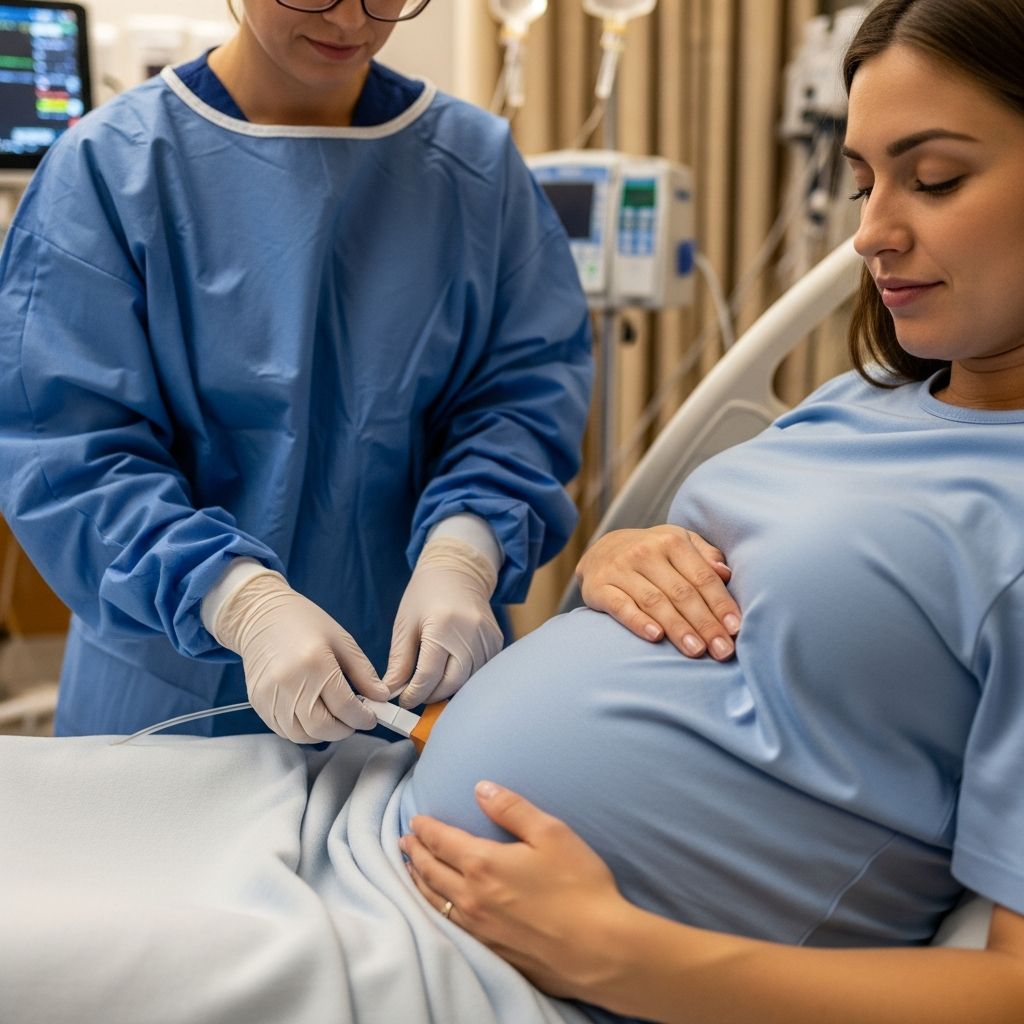
An epidural is one of the most commonly used and effective options for pain relief during childbirth. It allows many women to stay awake, participate in labor, and welcome their baby with far less pain than they might otherwise feel. This guide explains how epidurals work, what happens during the procedure, benefits and risks, and how to decide whether it is right for you.
What Is an Epidural?
An epidural is a type of regional anesthesia that numbs the nerves carrying pain signals from the uterus and birth canal to the brain. The medication is delivered into the epidural space, which is the area around the outer covering of the spinal cord.
With an epidural:
- You usually stay fully awake and alert.
- You feel much less pain from contractions and birth.
- You may still feel pressure or stretching, especially as the baby is born.
How Epidurals Reduce Labor Pain
Epidurals work by blocking the electrical signals that nerves send from your lower body to your brain. When the medicine bathes these nerves in the epidural space, it prevents pain signals from reaching the brain, so contractions feel less intense or may not be painful at all.
The effect of an epidural:
- Usually begins within about 10–20 minutes after the medication is given.
- Creates a band of numbness from roughly the belly button to the upper legs.
- Can be adjusted during labor through a small tube (catheter) left in place in your back.
When Can an Epidural Be Used in Labor?
Epidurals are widely used for labor and vaginal birth and can also be used for cesarean delivery. In many hospitals, you can request an epidural once you are in active labor and your health care team agrees it is safe.
Typical situations where an epidural may be considered include:
- Labor is very painful and other comfort measures are not enough.
- Labor is long or medically complicated.
- You need an urgent or planned cesarean delivery.
- You have certain medical conditions where strong pain could be harmful, such as some heart or lung diseases (as assessed by your team).
Who Takes Care of the Epidural?
An anesthesiologist or a similarly trained anesthesia professional performs the epidural and monitors you throughout labor. Your labor nurse and obstetric provider coordinate your care and keep you and your baby safe while the epidural is working.
Step-by-Step: What Happens During an Epidural
Knowing the steps in advance can help many parents feel more relaxed and in control. While details can vary by hospital, the process usually follows this general order.
| Step | What You Can Expect |
|---|---|
| Preparation | Your blood pressure and baby’s heart rate are checked. An IV line is usually placed if not already present. You sign a consent form if not done earlier. |
| Positioning | You are asked to sit or lie curled on your side, bending forward to widen the spaces between the bones of your spine. |
| Skin cleaning and numbing | Cold cleaning solution is applied to your lower back. A small shot of local anesthetic numbs the skin where the epidural needle will go. |
| Needle placement | A special needle is gently advanced between the bones of your lower back into the epidural space. You may feel pressure but should not feel sharp pain. |
| Catheter insertion | A thin, flexible tube (catheter) is threaded through the needle into the epidural space, then the needle is removed. The catheter stays taped in place on your back. |
| Test dose | A small test dose is given to check that the catheter is in the correct space and to watch for any unusual reaction. |
| Ongoing medication | Continuous medication or periodic doses are given through the catheter to maintain pain relief until birth. |
How an Epidural Feels
Experiences vary, but many women describe the procedure and effects this way:
- During needle placement: a feeling of pressure or pushing in the back, but sharp pain is rare because the skin is numbed first.
- As the medicine starts working: warmth or tingling in the legs or belly, followed by less pain during contractions.
- After it is fully working: strong pain is usually replaced by pressure or tightness with contractions, especially during pushing.
Benefits of an Epidural in Labor
For many families, the main advantage of an epidural is meaningful relief from labor pain while remaining awake for birth. Research and clinical experience highlight several key benefits.
- Significant pain relief from contractions and birth, often more effective than IV pain medicines or other options.
- Alert participation in labor and delivery; you can usually talk, rest, and remember the birth.
- Flexible dosing: medication can be increased, decreased, or turned off if needed.
- Useful for cesarean birth: the same epidural catheter may be used to provide stronger anesthesia if a cesarean becomes necessary.
- May help with complicated labors by lowering stress and reducing the body’s response to severe pain, which can be important for some high-risk pregnancies.
Possible Side Effects and Risks
Most women have epidurals without serious problems, but like any medical procedure, there are potential side effects and rare complications. Your anesthesia team discusses these in detail before you give consent.
Common, Usually Mild Side Effects
- Drop in blood pressure, which is why your blood pressure is checked often and IV fluids may be given.
- Shivering or feeling cold during labor.
- Itchy skin, especially if opioids are mixed with the anesthetic.
- Difficulty urinating while the epidural is in place, sometimes requiring a bladder catheter.
- Weak or heavy-feeling legs while the medicine is working, which means you usually need help moving in bed.
Less Common but Important Risks
- Severe headache (post-dural puncture headache) if the needle accidentally punctures the fluid-filled sac around the spinal cord. This is uncommon and usually treatable, sometimes with a procedure called a blood patch.
- Inadequate or one-sided block, where one side of the body is less numb; the catheter or dose may be adjusted.
- Infection or bleeding where the epidural is placed, which is rare when sterile technique and screening are used.
- Temporary nerve irritation, which is very uncommon; permanent nerve damage is extremely rare according to large studies and professional societies.
Who May Not Be Able to Have an Epidural?
Your health care team evaluates whether an epidural is safe for you. In some cases, it may not be recommended.
- Very low blood pressure that is not stable.
- Certain bleeding or clotting disorders, or use of specific blood thinners.
- Serious infection at the site on your back where the epidural would be placed.
- Some types of spinal surgery or spine problems, depending on the details.
- Allergy to the planned medications.
These situations are not common, but they are important to review during prenatal care so you know your options before labor starts.
How an Epidural May Affect Labor
Modern epidurals are carefully dosed to balance pain relief with your ability to move and push. Many women can still change positions in bed and push effectively when coached.
Some possible effects on labor include:
- A small increase in the chance of needing assistance with birth (such as vacuum or forceps) has been reported in some studies, although techniques have improved over time.
- Labor may feel different because you notice pressure rather than pain, so you may need more guidance about when and how to push.
- If your blood pressure drops, your team may temporarily change your position, give IV fluids, or adjust medications.
Comparing Epidurals With Other Pain Relief Options
You can use an epidural alone or in combination with other comfort measures. Understanding how it compares with other methods can help you make an informed choice.
| Pain Relief Method | How It Works | Pros | Limitations |
|---|---|---|---|
| Epidural | Medication into the epidural space blocks pain from the waist down. | Very effective pain relief; you stay awake; adjustable dosing; useful if cesarean is needed. | Requires IV and monitoring; may limit walking; possible side effects such as low blood pressure. |
| IV/Injected pain medicines | Opioids or other drugs given into a vein or muscle reduce pain sensation. | Do not require a needle in the back; can take the edge off pain. | Usually do not remove pain completely; can cause drowsiness or nausea; small amount reaches the baby. |
| Non-medication methods | Breathing, movement, water, massage, and support techniques. | No drug side effects; can be started at home; helpful for many women. | May not be enough for intense or very long labors; often combined with medications. |
After Birth: What to Expect When the Epidural Wears Off
Once your baby is born and no further procedures are planned, the epidural medication is stopped and the catheter is removed.
- Pain sensation and strength in your legs gradually return over a few hours.
- You may feel tingling or warmth as normal feeling returns.
- Your ability to walk safely is checked before you get out of bed.
- Your back may feel a little sore or bruised at the insertion site for a day or two.
If you develop a very strong headache when sitting or standing in the day or two after birth, or any unusual symptoms such as fever, severe back pain, or new weakness, notify your provider promptly, as additional evaluation or treatment may be needed.
Planning Ahead: Talking With Your Care Team
It can be helpful to think about your preferences for pain relief and discuss them with your health care team during pregnancy. Consider bringing these topics to a prenatal visit:
- Whether an epidural is available at your planned birth location.
- Any medical conditions or medications that might affect your eligibility.
- Your feelings about pain, mobility, and medical procedures.
- Backup plans if labor progresses too quickly or if an epidural is not advised.
Birth plans can change, and choosing or declining an epidural at the time of labor is always a shared decision between you and your care team based on what is safest for you and your baby.
Frequently Asked Questions About Epidurals in Labor
Will the epidural hurt my baby?
Epidural medications mainly act on the nerves in your spine and are not given directly to the baby. Very small amounts may enter your bloodstream, but epidurals are considered safe for most mothers and babies when provided by trained professionals using current guidelines.
Can I still move or change positions with an epidural?
Many modern epidurals are designed to provide pain relief while leaving some muscle strength, so you may be able to move your legs in bed and adjust positions with help. However, you generally cannot walk once a full epidural is in place because your legs may be weak or unsteady, and you are connected to monitoring and IV equipment.
Can every woman get an epidural?
Most women can safely receive an epidural, but certain medical conditions, low platelets, blood thinners, infection, or some spinal problems may make it unsafe. Your obstetric and anesthesia teams review your health history to determine whether an epidural is appropriate for you.
What if I change my mind during labor?
You can often request an epidural at almost any point in labor, as long as there is enough time to place it safely and you meet medical criteria. In very fast labors or certain emergencies, there may not be enough time. It is reasonable to begin with non-medication methods and decide later if you want an epidural.
Is there a chance the epidural will not work?
Most epidurals provide strong pain relief, but occasionally the block may be patchy or one-sided. Your anesthesia provider may adjust the catheter, change your position, or add more medication. In rare cases, the epidural may need to be replaced.
Will I still be able to push my baby out?
Yes. You may feel less urge to push because pain is reduced, but you will usually feel pressure when it is time. Your team will coach you through pushing and may adjust the dose to help you sense contractions better near the end of labor.
References
- Epidural Anesthesia: Mechanism of Action and Indications — UCSF Pain Management Education. 2022-05-01. https://pain.ucsf.edu/neuraxial-anesthesia/epidural-anesthesia-mechanism-action-and-indications
- Spinal and Epidural Anesthesia — MedlinePlus, U.S. National Library of Medicine. 2023-07-10. https://medlineplus.gov/ency/article/007413.htm
- Epidurals During Childbirth: What Women Should Know — Yale Medicine. 2021-08-24. https://www.yalemedicine.org/news/epidural-anesthesia
- Epidurals: Benefits & Side Effects of Anesthesia During Labor — American Society of Anesthesiologists (Made for This Moment). 2022-03-15. https://madeforthismoment.asahq.org/pain-management/epidural/
- Epidural: What It Is, Side Effects, Risks & Procedure — Cleveland Clinic. 2023-02-02. https://my.clevelandclinic.org/health/treatments/21896-epidural