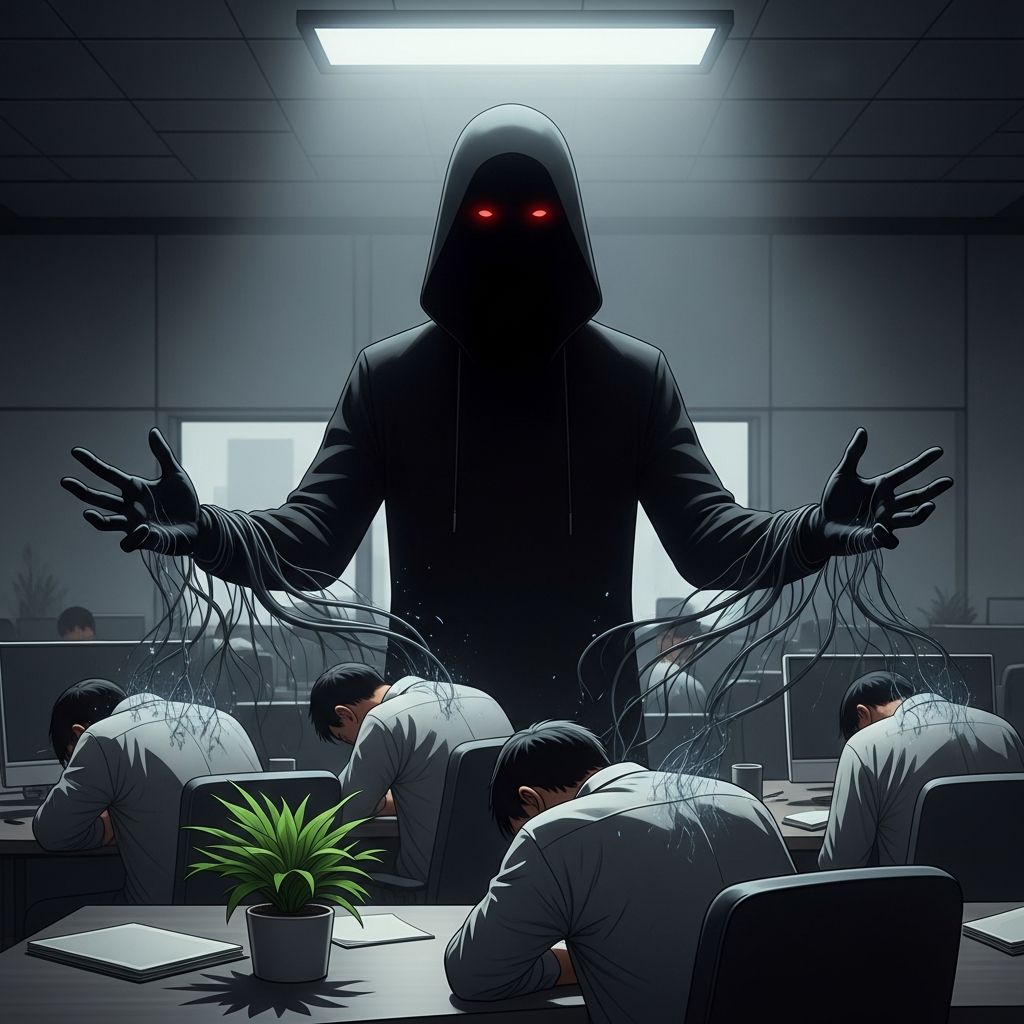
Almost everyone knows at least one person who leaves the whole room feeling tired after a conversation. Less comfortable to ask is this: could that person sometimes be you? This article explores what people call an “energy vampire,” the habits that drain others, and how to change those patterns without shaming yourself.
What Does “Energy Vampire” Really Mean?
In everyday language, an energy vampire is someone who repeatedly leaves others feeling emotionally or mentally exhausted after interacting with them. It is not a clinical diagnosis or an official mental health label, but rather a description of a relational pattern that feels one-sided or draining.
Psychologists describe this pattern as a style of social interaction where a person takes more emotional energy than they give back, often without realizing it. Common features include:
- Dominating conversations or steering them back to their own issues
- Bringing frequent conflict, drama, or crisis into social spaces
- Ignoring or overrunning other people’s emotional limits and boundaries
Researchers and clinicians note that these behaviors may be linked to factors such as unresolved trauma, mental health conditions like depression or anxiety, or certain personality traits, but the term itself remains informal.
Why People Develop Energy-Draining Patterns
No one wakes up and decides to be draining on purpose. The habits that get labeled as “energy vampire” behavior usually come from real pain or unmet needs. Studies and clinical observations suggest several possible roots:
- Unresolved trauma or neglect: People who grew up without consistent support may seek intense reassurance from others as adults.
- Mental health struggles: Ongoing anxiety, depression, or mood issues can pull attention inward and make it harder to notice how others feel.
- Codependent patterns: Some people depend heavily on others for emotional regulation, leading to chronic over-sharing or clinging behaviors.
- Personality traits or disorders: Certain traits, like impulsivity, high drama, or low empathy, can make someone more likely to overrun others’ limits.
From a mental health perspective, it is often more helpful to think in terms of skills you can build—such as emotional regulation, empathy, and boundary awareness—rather than fixed identities or labels.
Table: How Energy-Draining Dynamics Show Up
| Relational Pattern | What Others Often Experience | Hidden Need Underneath |
|---|---|---|
| Constant crisis and drama | Stress, tension, feeling pulled into problems | Need for stability, attention, and reassurance |
| Talking far more than listening | Feeling invisible or unimportant | Need to be heard and validated |
| Blaming others for everything | Walking on eggshells, defensiveness | Need to protect self-esteem and avoid shame |
| Ignoring boundaries or pushing for more time | Overwhelm, resentment, burnout | Fear of abandonment or being alone |
| Minimizing others’ feelings | Feeling dismissed or shut down | Difficulty tolerating complex emotions |
Signs You Might Be Draining People Without Realizing It
If you are willing to ask hard questions about your own behavior, you are already taking a healthy step. The following signs do not automatically mean you are an “energy vampire.” They are simply clues that your relational style might sometimes feel exhausting for others.
1. Conversations Often Revolve Around Your Problems
When something is painful, it is natural to reach out for support. The pattern becomes draining when:
- You regularly turn almost every topic back to your struggles
- People’s attempts to help are rejected or shot down
- You leave conversations feeling heard, but the other person seems flat or distant
2. There Is Always Some New Conflict or Crisis
Clinicians describe energy-draining people as often surrounded by chronic drama or chaos, whether interpersonal or practical. Friends may feel like every catch-up involves a new emergency, argument, or intense complaint.
3. You Struggle to Respect Other People’s Boundaries
Boundary-pushing can look like:
- Calling or messaging repeatedly when someone has said they are busy
- Sharing very personal details with acquaintances who look uncomfortable
- Expecting friends or partners to be emotionally available at any time
Mental health guidance emphasizes that healthy boundaries protect both the person setting them and the relationship itself.
4. You Rarely Ask About the Other Person’s Life
If, after most conversations, you realize you know very little about how the other person is doing, it may be a sign that you unintentionally dominate interactions. Over time, this can make even caring friends feel unseen and tired.
5. People Seem to Avoid One-on-One Time With You
You might notice that others:
- Say they are “too busy” but have time for other plans
- Prefer group settings instead of private hangouts
- Appear drained, irritated, or shut down after talking with you
While many factors can explain these patterns, consistent avoidance may suggest your presence feels more depleting than supportive.
How Being Around an Energy Vampire Can Affect Health
Regular exposure to emotionally exhausting interactions can have real health impacts. Stress research shows that chronically strained relationships are associated with higher stress levels, disturbed sleep, and increased risk of mental and physical health problems over time.
- Emotional exhaustion: Feeling constantly “on call” for another person’s crises can lead to burnout and irritability.
- Stress response: Ongoing conflict or tension activates the body’s stress systems, potentially affecting blood pressure, immunity, and mood.
- Compassion fatigue: When you repeatedly support someone who does not change their behavior, your capacity for empathy may temporarily shrink.
These impacts help explain why friends or partners start setting firmer boundaries—or pulling back—when a relationship feels one-sided or draining.
What to Do If You Recognize These Patterns in Yourself
If you suspect you might be draining to others at times, you are not alone—and you are not doomed to stay this way. Many people soften energy-draining habits once they become aware of them and learn healthier skills.
1. Practice Honest but Compassionate Self-Reflection
Instead of shaming yourself, get curious. You might ask:
- Which situations lead me to over-share or demand attention?
- How do people’s faces and body language change when I talk?
- Am I open to solutions, or do I mainly repeat the same complaints?
Journaling or talking with a therapist can help you see patterns more clearly and connect them to past experiences or unmet needs.
2. Learn to Regulate Your Emotions Without Over-Relying on Others
Therapists emphasize the importance of building self-soothing skills so that other people are not your only outlet for distress. Helpful approaches include:
- Breathing exercises or mindfulness to calm intense feelings
- Physical movement, like walking, stretching, or gentle exercise
- Structured coping strategies, such as problem-solving steps or planning
Practices that reduce stress and increase emotional awareness can lower the urge to offload everything onto the nearest person.
3. Balance Conversations: The “50/50” Check-In
During conversations, occasionally ask yourself:
- Have I asked at least as many genuine questions as stories I have shared?
- Did I give the other person space to talk without interrupting?
- Have I reflected back their feelings instead of immediately jumping to my own?
A simple shift—such as starting with “How are you doing?” and listening fully before sharing—can dramatically change how people experience you.
4. Explicitly Invite Feedback
If you feel safe, you might tell a trusted person:
“I’m trying to be more aware of how I show up in conversations. If I ever talk over you or make things feel heavy, would you be willing to tell me?”
Being open to gentle feedback—and responding without defensiveness—builds trust and shows that you care about the impact of your behavior.
5. Seek Professional Support if Old Wounds Keep Driving the Pattern
If your energy-draining habits feel tied to deep hurt, trauma, or long-standing mental health symptoms, working with a mental health professional can be especially helpful. Evidence-based therapies, such as cognitive behavioral therapy (CBT) or trauma-focused approaches, can improve emotional regulation and relationship skills.
How to Interact More Gently With Others if You Tend to Drain Them
Changing your internal world is key, but you can also adjust how you approach relationships in practical ways.
- Ask for consent before unloading: Try phrases like, “Do you have the capacity to hear something heavy right now?”
- Set time limits on venting: Agree with a friend: “Can I have 10 minutes to vent, then we can talk about other things?”
- Notice non-verbal cues: If someone looks away, checks their phone, or gives very short answers, it might be time to pause.
- Express appreciation: Thank people explicitly for listening and acknowledge the effort it takes.
- Offer support back: Ask what they need, celebrate their wins, and show up for their challenges too.
Protecting Your Own Energy If You’re Often Drained by Others
Sometimes you are the one doing the draining; other times, you are on the receiving end. Mental health resources suggest several strategies for protecting your own emotional energy when you notice draining dynamics.
1. Name What You’re Feeling
Notice your body and mind during and after interactions:
- Do you feel tense, tired, or on edge?
- Do you dread messages from a particular person?
- Do you need a long time to recover after seeing them?
Recognizing these signals early makes it easier to adjust your boundaries.
2. Use Clear, Respectful Boundaries
Examples of simple boundary phrases include:
- “I care about you, but I can’t talk about this late at night.”
- “I only have 15 minutes to chat today.”
- “I’m not the right person to help with this; have you considered talking to a therapist or counselor?”
Research indicates that assertive communication and healthy boundaries reduce stress and support better mental health in the long term.
3. Limit Exposure When Necessary
In some situations—such as with coworkers or extended family—you may not be able to fully step away. You can still:
- Choose group settings instead of intense one-on-one time
- Keep conversations shorter and more structured
- Plan self-care or rest after emotionally heavy interactions
Frequently Asked Questions (FAQs)
Q: Is being called an energy vampire the same as having a mental health diagnosis?
A: No. “Energy vampire” is an informal phrase, not a clinical diagnosis. Mental health conditions like depression, anxiety, or certain personality disorders may contribute to draining behaviors, but only qualified professionals can diagnose those conditions.
Q: Can someone stop being an energy vampire?
A: Yes. Because the term describes patterns of behavior, not permanent traits, people can change through self-awareness, boundary work, emotional regulation skills, and, when needed, professional support.
Q: Are energy vampires always manipulative or abusive?
A: Not necessarily. Some individuals intentionally manipulate others for attention or control, but many are simply overwhelmed, lonely, or lacking emotional skills. Understanding the difference helps you respond with both boundaries and compassion.
Q: How do I know if I am just going through a hard time versus being draining?
A: Everyone has seasons when they need extra support. It becomes a pattern of draining when there is little reciprocity, the same issues repeat without change, and you regularly ignore or push past others’ limits. Checking in with trusted people or a therapist can give you clearer feedback.
Q: When should I encourage someone to seek professional help?
A: If a person’s distress is intense, long-lasting, or tied to trauma, self-harm, addiction, or serious conflict, it is wise to suggest professional support. Mental health services can offer tools and treatment that friends and family are not equipped to provide.
References
- What Is an Energy Vampire? — Cleveland Clinic Health Essentials. 2023-03-22. https://health.clevelandclinic.org/energy-vampire
- How to Spot an “Energy Vampire” (or Energy Sucker) — Calm Blog. 2023-06-15. https://www.calm.com/blog/energy-vampire
- Energy Vampire: Signs, Causes, and How to Protect Your Energy — PsychCentral. 2022-08-10. https://psychcentral.com/blog/how-to-avoid-being-drained-by-energy-vampires
- Stress and Health: Psychological, Behavioral, and Biological Determinants — Cohen, S. et al., Annual Review of Clinical Psychology. 2007-04-27. https://doi.org/10.1146/annurev.clinpsy.1.102803.144141
- Social Relationships and Health: A Flashpoint for Health Policy — Umberson, D., Montez, J. K., Journal of Health and Social Behavior. 2010-09-01. https://doi.org/10.1177/0022146510383501
- Psychotherapy for Emotional Dysregulation — Linehan, M. M., Guilford Press. 2014-01-01. https://guilford.com/books/DBT-Skills-Training-Manual/Marsha-M-Linehan/9781462516995