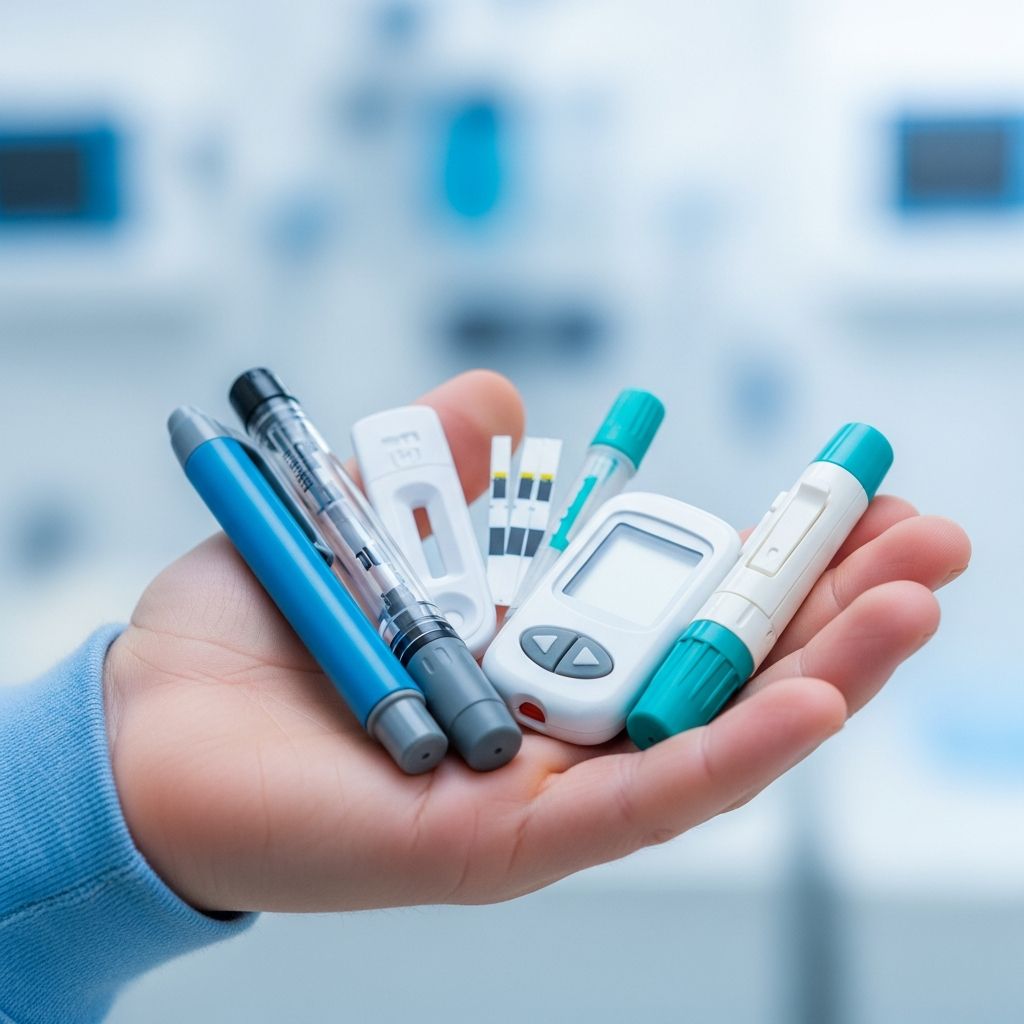
Diabetes in children requires careful medication management to maintain stable blood sugar levels and support healthy growth. For parents, understanding the types of drugs available, how they work, and their proper use is crucial for effective care.
Understanding Diabetes Types in Youth
Type 1 diabetes, an autoimmune condition, prevents the pancreas from producing insulin, necessitating lifelong replacement therapy. Type 2 diabetes, increasingly common in children due to rising obesity rates, involves insulin resistance where the body struggles to use insulin effectively. According to studies, type 2 diabetes incidence in youth has risen 4.8% annually from 2002 to 2015, highlighting the need for expanded treatment options.
Medications for both types aim to mimic natural insulin action, improve sensitivity, or promote glucose excretion, always combined with diet, exercise, and monitoring.
Insulin Therapy: The Cornerstone for Type 1 and Some Type 2 Cases
Insulin remains essential for all children with type 1 diabetes and many with type 2 who cannot achieve control through oral agents alone. It is administered via injections or pumps, with dosing tailored to meals, activity, and blood glucose readings.
- Rapid-acting insulin: Starts working in 15 minutes, peaks in 1-2 hours; ideal for mealtime coverage.
- Short-acting insulin: Onset in 30 minutes, lasts 3-6 hours.
- Intermediate-acting (NPH): Begins in 1-2 hours, peaks 4-12 hours.
- Long-acting basal insulin: Provides steady 24-hour coverage without peaks.
Delivery methods include multiple daily injections (MDI) or continuous subcutaneous insulin infusion (CSII) via pumps, which deliver precise basal rates and bolus doses. Balancing insulin with carbohydrate intake is key; parents and kids learn carb counting to match doses accurately.
Oral Medications Expanding Options for Type 2 Diabetes
Unlike type 1, type 2 diabetes in children benefits from oral drugs that enhance insulin production, sensitivity, or glucose elimination. These are typically first-line for mild cases, often combined with lifestyle changes.
Metformin: The Established First-Line Choice
Approved by the FDA in 2000 for children 10 and older, metformin reduces liver glucose production and improves insulin sensitivity. It is recommended as monotherapy for stable cases (HbA1c <8.5%, glucose <250 mg/dL) or with basal insulin for higher levels. The MOCA trial demonstrated sustained reductions in BMI and fasting glucose over 6 months, with primarily gastrointestinal side effects like nausea.
SGLT2 Inhibitors: A Breakthrough Class
In June 2023, the FDA approved empagliflozin (Jardiance) and empagliflozin/metformin (Synjardy) for kids 10+, marking the first new oral class in over two decades. These drugs block kidney glucose reabsorption, promoting urinary excretion. The DINAMO trial (phase 3, 157 patients aged 10-17) showed HbA1c reductions of -0.84% vs. placebo at 26 weeks, plus fasting glucose improvements. Common side effects mirror adults: urinary tract infections, fungal infections, with noted hypoglycemia risk.
| Medication | Mechanism | Key Trial Results | Common Side Effects |
|---|---|---|---|
| Metformin | Reduces hepatic glucose, boosts sensitivity | BMI and glucose ↓ (MOCA trial) | GI upset (nausea, diarrhea) |
| Empagliflozin (Jardiance) | SGLT2 inhibitor: glucose in urine | HbA1c -0.84% (DINAMO) | UTIs, fungal infections |
| Synjardy | Empagliflozin + Metformin | Similar to Jardiance | Combined risks |
GLP-1 Receptor Agonists: Injectable Aids for Glycemic Control
These mimic gut hormones to boost insulin secretion, slow digestion, and reduce appetite. Liraglutide (Victoza), approved in 2019 for ages 10+, is daily injectable. Exenatide extended-release (Bydureon), approved later, offers weekly dosing. A 24-week study in 82 children showed HbA1c drop of 0.25% vs. placebo rise. Used alongside metformin or insulin for better control.
Administering Medications Safely at Home
Proper technique prevents complications. For insulin: rotate injection sites (abdomen, thighs, arms), use correct needles, store unopened vials in fridge, opened at room temp. Oral meds: take with meals to minimize stomach issues; never crush extended-release forms.
Glucagon emergency kits are vital for severe hypoglycemia unresponsive to fast carbs. Kids learn self-administration, but parents oversee.
Monitoring and Adjusting Treatments
Regular blood glucose checks (finger sticks or CGM), HbA1c tests every 3 months guide adjustments. CGMs provide real-time data, reducing hypo/hyperglycemia risks. Pediatric endocrinologists tailor regimens, considering growth spurts, puberty, sports.
Potential Side Effects and Precautions
- Insulin: Hypoglycemia (shakiness, sweating); treat with 15g carbs.
- Metformin: Lactic acidosis rare; avoid in kidney issues.
- SGLT2s: Dehydration, ketoacidosis; monitor hydration.
- GLP-1s: Nausea, pancreatitis risk.
Report unusual symptoms promptly. Vaccinations, sick-day rules (adjust doses) are essential.
Lifestyle Synergy with Medications
Drugs work best with 60 min daily activity, balanced plates (half veggies/fruits, quarter protein/carbs), limited sugars. Family involvement fosters adherence.
Latest FDA Approvals and Research Horizons
Recent nods like Bydureon expand weekly options, reducing injection burden. Ongoing trials explore more SGLT2s, DPP-4s for youth. Priority reviews underscore urgency amid rising cases.
Frequently Asked Questions (FAQs)
What is the first oral drug approved for kids with type 2 diabetes?
Metformin, FDA-approved in 2000, remains first-line for children 10+ with stable type 2 diabetes.
Are SGLT2 inhibitors safe for pediatric use?
Yes, empagliflozin showed efficacy and safety similar to adults in DINAMO trial, though monitor for infections and lows.
Can children use insulin pumps?
Absolutely; pumps offer flexible delivery for type 1 and advanced type 2 cases, improving control with proper training.
How often should blood sugar be checked?
Typically 4-8 times daily or via CGM; adjust per doctor’s plan.
What if my child misses a dose?
Contact provider; never double up. For insulin, follow sliding scale if prescribed.
Empowering Families for Long-Term Success
Education via diabetes clinics, apps for tracking, support groups build confidence. Early intervention prevents complications like neuropathy, heart issues later.
References
- Diabetes Medication approved for Kids — Diabetes Education Services. 2023. https://diabetesed.net/diabetes-medication-approved-for-kids/
- Clinical Overview: Oral Diabetes Medications in Children — Pharmacy Times. 2023-06-29. https://www.pharmacytimes.com/view/clinical-overview-oral-diabetes-medications-in-children
- FDA Approves New Class of Medicines to Treat Pediatric Type 2 Diabetes — U.S. Food and Drug Administration. 2023-06-23. https://www.fda.gov/news-events/press-announcements/fda-approves-new-class-medicines-treat-pediatric-type-2-diabetes
- Medicines for Diabetes (for Kids) — Nemours KidsHealth. Accessed 2026. https://kidshealth.org/en/kids/medicines-diabetes.html
- Diabetes | Conditions — UCSF Benioff Children’s Hospitals. Accessed 2026. https://www.ucsfbenioffchildrens.org/conditions/diabetes