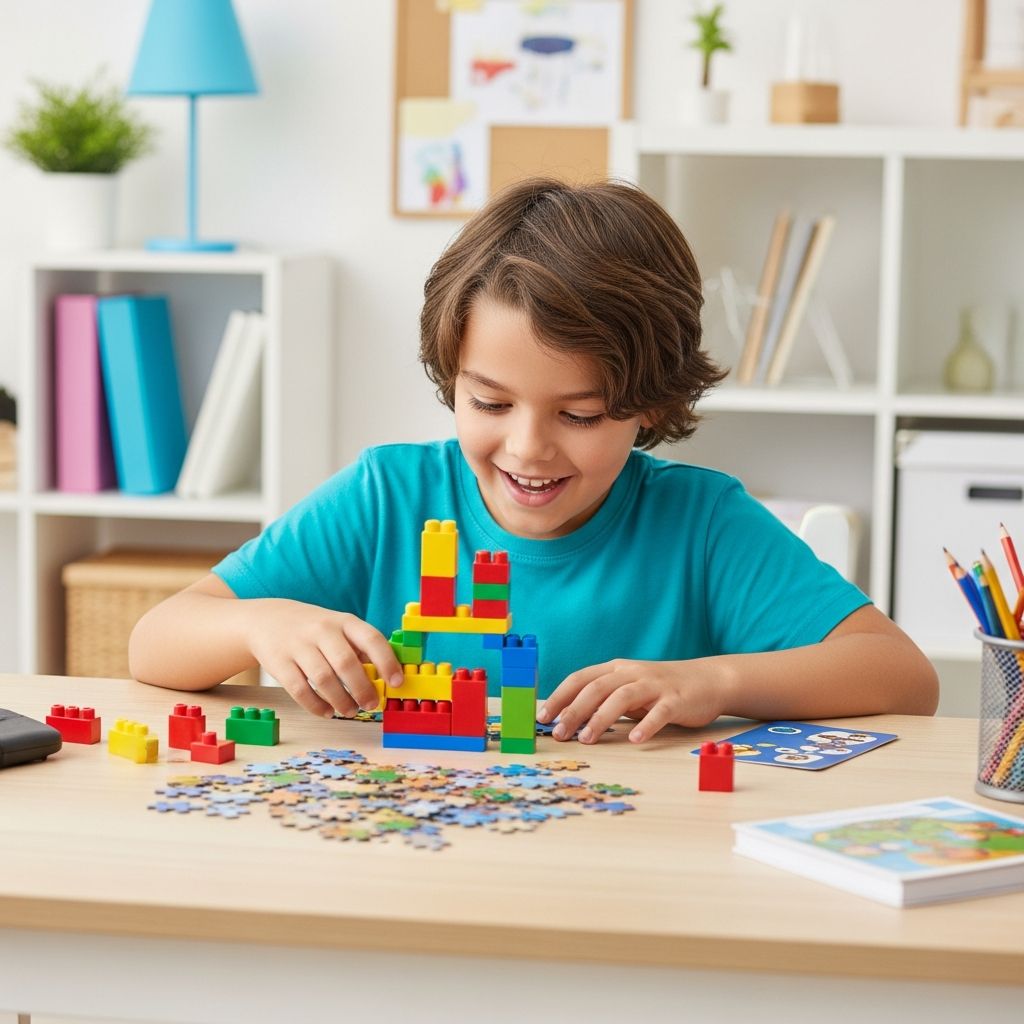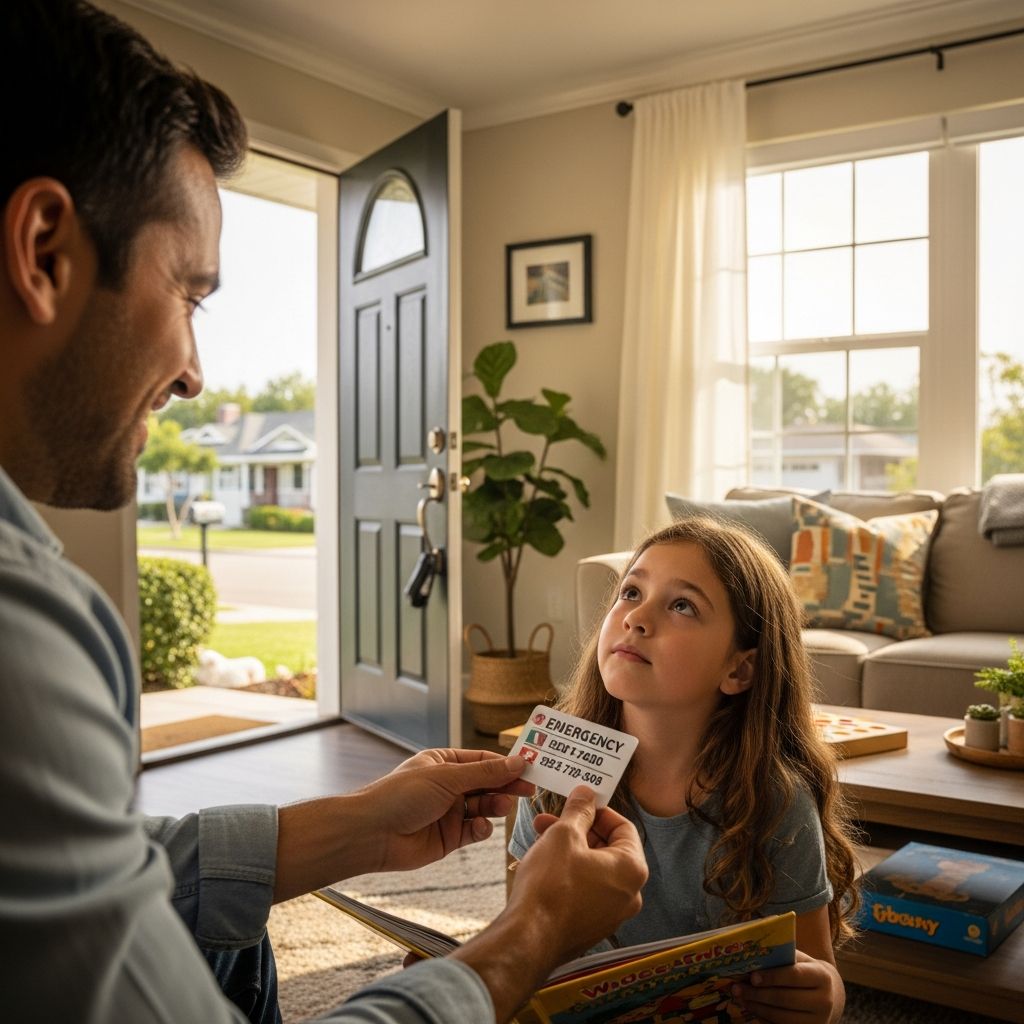
Children listen closely to what the important adults in their lives say about them. Supportive, encouraging words are more than just kind gestures; they can shape how a child sees themselves, how they handle challenges, and how they treat others. Used with care and consistency, encouragement becomes a daily investment in a child’s emotional health.
Why Encouraging Words Matter So Much
Research in developmental psychology shows that children’s beliefs about their own abilities influence how much effort they invest and how they react to setbacks. When adults focus on effort, strategies, and improvement rather than only on outcomes, children are more likely to develop a growth mindset—the belief that abilities can be developed over time.
Supportive communication also contributes to secure attachment and better emotional well-being. Studies on parent–child relationships suggest that consistent warmth and responsive interaction help protect children from anxiety and behavioral problems later on.
In short, the right words:
- Build self-esteem without creating pressure to be perfect.
- Encourage persistence when tasks are tough or unfamiliar.
- Model healthy self-talk that kids gradually adopt as their own inner voice.
- Strengthen connection between children and the adults who care for them.
Principles for Encouraging Kids Effectively
Not all praise has the same impact. The way you phrase encouragement can either support genuine resilience or unintentionally promote fear of failure. Research by Carol Dweck and others suggests that focusing directly on innate traits like “smart” can make kids more afraid of mistakes, while praise that highlights effort and strategy leads to greater perseverance.
These guidelines can help your words land in a healthy way:
- Be specific: Comment on what they did, not just who they are. For example, “You kept trying even when it was frustrating,” rather than “You’re the best.”
- Highlight effort and process: Notice practice, planning, and creativity more than the final score or grade.
- Tell the truth: Children can sense exaggerated or empty praise. Honest encouragement builds trust.
- Encourage progress: Even small steps forward are worth noticing.
- Keep comparisons out: Avoid “You’re better than other kids.” Focus on their personal growth instead.
Helpful vs. Unhelpful Praise (Quick Comparison)
| Less Helpful Phrase | Why It’s Tricky | More Helpful Alternative |
|---|---|---|
| “You’re so smart.” | Makes kids fear mistakes and feel they must always appear smart. | “You chose a good strategy to solve that problem.” |
| “You’re the best at this.” | Encourages comparison and pressure to stay “the best.” | “You’ve really improved since last time—your practice is paying off.” |
| “Perfect!” | Can suggest that only flawless work is worth celebrating. | “This is your strongest work yet; I can see how hard you tried.” |
Encouraging Words for Everyday Moments
Daily life is full of small opportunities to affirm kids. Simple phrases, repeated consistently, can slowly build a strong sense of self-worth.
When Kids Are Trying Something New
New experiences can feel intimidating. Your words can help turn nervousness into curiosity.
- “It’s okay to feel nervous; trying new things is brave.”
- “You don’t have to be perfect to start; you just have to begin.”
- “Every expert was once a beginner, just like you today.”
- “Let’s focus on learning, not on getting it right the first time.”
When Kids Are Frustrated or Struggling
How adults respond to children’s frustration can shape how they view challenges in the future. Supportive feedback helps them keep going instead of giving up.
- “Hard things take time; your effort is what matters most right now.”
- “Let’s take a breath together and then try a different way.”
- “A mistake doesn’t erase your progress; it helps you learn the next step.”
- “Look at how far you’ve already come from when you first started.”
When Kids Succeed or Reach a Goal
Victories are a chance to reinforce the habits that led to success, not just the result itself.
- “You earned this by staying with it even when it was boring or hard.”
- “I noticed how you planned ahead and stuck to your plan.”
- “The effort you put in really shows—I’m proud of your dedication.”
- “What part of your work makes you feel most proud?”
Encouragement That Builds Character
Beyond academic or activity-based success, children need to hear that their values matter. Highlighting kindness, honesty, and responsibility supports prosocial behavior and empathy.
Affirming Kindness and Empathy
- “Thank you for noticing how your friend felt and trying to help.”
- “Your kindness makes our home a more peaceful place.”
- “When you share like that, you show how thoughtful you are.”
- “You listened carefully; that’s a powerful way to show you care.”
Reinforcing Honesty and Integrity
- “It took courage to tell the truth; I respect that.”
- “Being honest, even when it’s hard, shows real strength.”
- “Thank you for owning your part and looking for a way to fix it.”
- “Doing the right thing when no one is watching is true responsibility.”
Recognizing Responsibility and Independence
- “You took care of that on your own; that’s a big step.”
- “I can count on you to follow through with what you say.”
- “You remembered without being reminded; that shows self-control.”
- “You’re learning to manage your own time—nicely done.”
Positive Affirmations Kids Can Learn to Say Themselves
Over time, the encouraging words children hear from adults can become their own inner voice. Teaching kids to use positive self-affirmations can support resilience and emotional regulation, especially under stress.
These child-friendly statements can be written on cards, posted on a wall, or repeated during calm moments:
- “I can learn from mistakes.”
- “I am still growing, and that’s enough.”
- “I can try again, even if I feel disappointed.”
- “My feelings are important and they won’t last forever.”
- “I am kind to myself when things are hard.”
- “I can ask for help when I need it.”
- “I am learning new things every day.”
Embedding Encouragement Into Daily Routines
Encouraging language makes the biggest difference when it is woven naturally into everyday rhythms. You do not need grand speeches; short, sincere comments repeated often are enough.
Morning and Bedtime Rituals
- Share one thing you appreciate about your child as they start the day.
- Use a calm bedtime moment to reflect on a challenge they handled well.
- Create a simple call-and-response phrase such as, “You are loved” / “All the time.”
On the Way to School or Activities
- Offer a short encouragement focused on effort: “Do your best to listen and participate.”
- Ask a question that prompts reflection: “What’s one way you might show kindness today?”
- Remind them they are more than their performance: “No matter what happens, I’m glad you’re you.”
During Homework or Practice
- Notice strategies: “You broke that big task into smaller steps—that’s smart thinking.”
- Reframe difficulty: “This feels tough because you’re stretching your brain.”
- Pause for encouragement before solutions: “You’ve solved hard things before; let’s figure out the next step together.”
Adapting Encouragement to Different Ages
Children of different ages understand and need encouragement in distinct ways. Tailoring your language helps it feel more meaningful and age-appropriate.
Young Children (Ages 3–7)
- Use short, concrete statements: “You shared your toy. That was kind.”
- Pair words with gestures—smiles, high fives, hugs—to reinforce the message.
- Explain what the encouragement means: “Trying again means you are brave.”
Older Children and Preteens (Ages 8–12)
- Invite reflection: “What did you learn from this challenge?”
- Acknowledge complex emotions without rushing to fix them.
- Connect encouragement to their growing independence: “You managed that on your own; that shows maturity.”
Common Pitfalls to Avoid
Even with good intentions, some patterns of praise can create pressure or undermine confidence. Being mindful of these habits can help keep your encouragement healthy.
- Overpraising: Constant praise for every small action can make genuine compliments feel less meaningful.
- Conditional approval: Avoid language that suggests love depends on performance (“I love you when you get good grades”).
- Labeling kids permanently: Phrases like “You’re the shy one” or “You’re the smart one” can box children in.
- Public embarrassment: Some children feel uncomfortable being praised in front of others; check in with their preferences.
Frequently Asked Questions
How often should I use words of encouragement with my child?
There is no strict number, but consistency matters more than quantity. Aim to offer sincere, specific encouragement several times a day in natural moments—during routines, play, and conversation. Over time, this becomes part of the family culture rather than something forced.
Can too much praise harm my child’s motivation?
If praise focuses heavily on fixed traits like “smart” or “talented,” studies suggest it can reduce a child’s willingness to tackle challenging tasks and increase fear of failure. Encouragement that emphasizes effort, strategies, and learning tends to support motivation and resilience instead.
What should I say when my child fails or makes a big mistake?
Acknowledge the disappointment (“I can see you’re really upset”), affirm your steady support, and then gently help them reflect: “What might you try differently next time?” This approach validates feelings while keeping the door open for learning and growth.
How can I encourage a child who brushes off compliments?
Some children feel awkward receiving praise. Try quieter, more neutral language focused on facts: “You finished that long book; that shows persistence.” You can also ask for their perspective: “How did you feel about how that went?” This gives them more control in the interaction.
Do written notes or messages make a difference?
Yes. Short notes in a lunchbox, on a mirror, or in a school folder can be powerful reminders of your belief in them. Written words can be re-read during stressful times, reinforcing a sense of security and connection.
References
- Praise for intelligence can undermine children’s motivation and performance. — Mueller, C. M., & Dweck, C. S., Journal of Personality and Social Psychology. 1998-07-01. https://doi.org/10.1037/0022-3514.75.1.33
- Parent–child relationship quality and emotional and behavioral problems in children. — Khaleque, A. & Rohner, R. P., Journal of Pediatric Psychology. 2012-01-01. https://doi.org/10.1093/jpepsy/jsr094
- Parents’ praise to their 1- to 3-year-olds predicts children’s motivational frameworks 5 years later. — Gunderson, E. A. et al., Child Development. 2013-02-01. https://doi.org/10.1111/cdev.12064
- Raising caring, respectful, and courageous children. — Making Caring Common Project, Harvard Graduate School of Education. 2016-01-01. https://mcc.gse.harvard.edu/resources-for-families/raising-caring-respectful-courageous-children
- Self-affirmation and stress: A brief review. — Cohen, G. L. & Sherman, D. K., Social and Personality Psychology Compass. 2014-08-01. https://doi.org/10.1111/spc3.12131