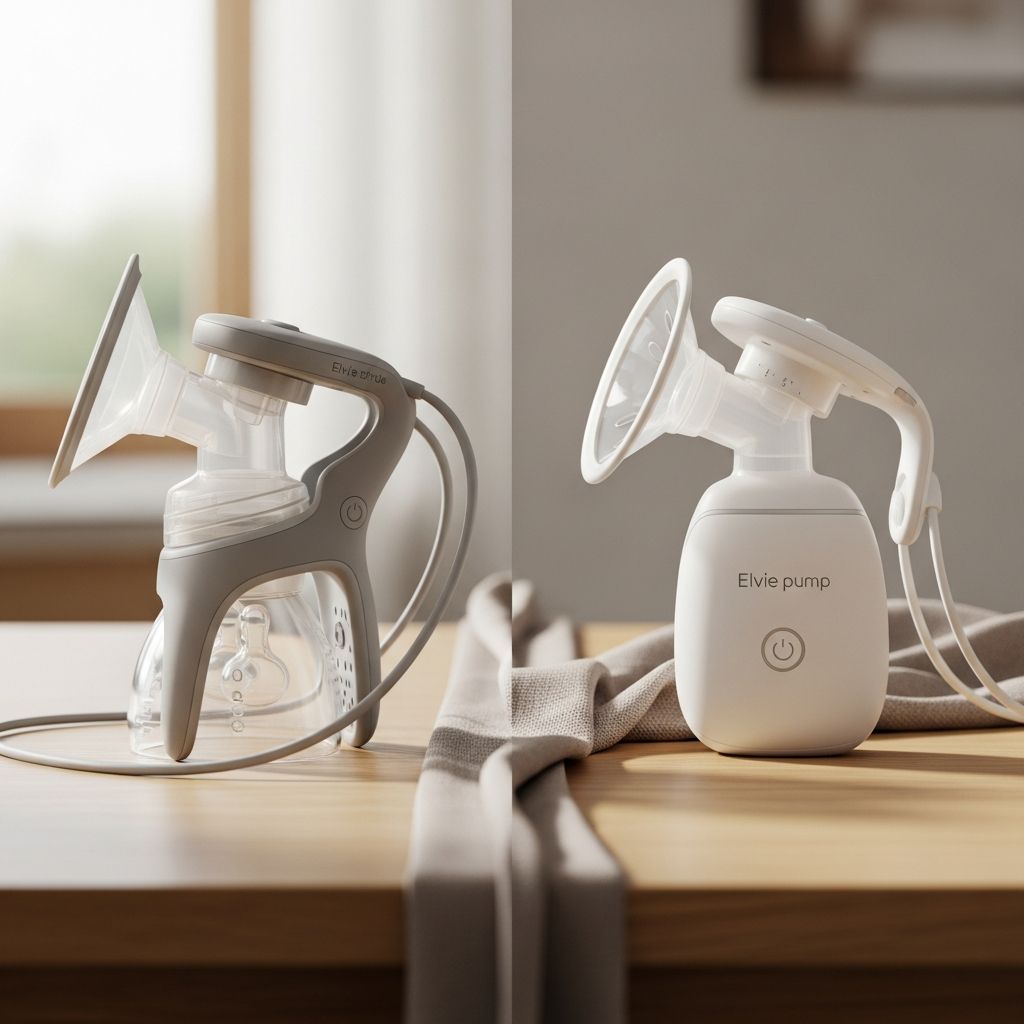
Wearable breast pumps have transformed pumping from a stationary chore into something that can fit into real life: conference calls, school pickups, or finally eating a meal with two hands. Elvie offers two popular options — the Elvie Stride and the Elvie Pump — that often leave parents wondering which one actually makes sense for their situation. This guide breaks down the differences in plain language so you can choose with confidence.
Understanding Wearable Breast Pumps
Before comparing specific models, it helps to understand what a wearable breast pump is. Unlike traditional pumps that sit on a table and connect to bottles with visible tubing, wearable pumps tuck into your bra and hold milk in internal cups, letting you move more freely. Both the Elvie Stride and Elvie Pump aim to deliver hands-free, portable pumping, but they go about it in slightly different ways.
Key reasons parents choose wearables include the ability to multitask, pump away from an outlet, and avoid feeling “tethered” to a large motor. That said, not all wearables feel or perform the same, and small design details can have a big impact on comfort and output.
Main Differences at a Glance
If you are short on time, here is a quick overview of how the Elvie Stride and Elvie Pump differ in philosophy. The Stride leans toward higher suction strength and a more budget-conscious price, while the Pump prioritizes maximum discretion and a fully tubeless design.
| Feature | Elvie Stride | Elvie Pump |
|---|---|---|
| Design style | Wearable cups connected to a small external hub via thin tubing | Fully in-bra, self-contained cups with built-in motors |
| Suction profile | Stronger, more “hospital-grade” style suction intensity | Softer, gentler suction aimed at comfort and quiet |
| Noise level | Audible but generally muted hum | Very quiet and more discreet in silent spaces |
| Portability | Hands-free but includes a small hub that clips to clothing | Completely wireless and tubeless in the bra |
| Typical price positioning | Generally more budget-friendly | Generally higher-priced premium option |
| App connectivity | Tracks sessions and offers basic controls | More app-focused, with additional smart features |
Design and Wearability in Everyday Life
Both pumps sit inside your bra, but they feel different in practice. The Elvie Stride uses in-bra cups that connect to a small hub via narrow tubes; the hub can be clipped to your waistband or tucked in a pocket, which slightly changes how you move but still feels very hands-free. The tubing is discreet but still present, so you will be aware of it when adjusting clothing or picking up a child.
The Elvie Pump hides everything — motor and milk collection — entirely within the cups themselves, with no external parts to clip on. This makes it ideal if you value a completely streamlined look under clothing or want the freedom to walk around without thinking about cords or a hub at all. For some parents, that extra level of invisibility in public or at work is worth paying more.
Suction Strength, Comfort, and Output
One of the biggest practical differences between these pumps is how they feel and how efficiently they remove milk. The Elvie Stride is designed with a stronger suction profile that many parents associate with “hospital-grade” effectiveness, which may be helpful if you are exclusively pumping, working to protect supply, or used to firm suction from a traditional pump. Stronger suction does not automatically mean more milk, but it can support efficient emptying when paired with correct flange sizing and a good fit.
The Elvie Pump typically offers a gentler pull. For parents with sensitive nipples or those who find powerful pumps uncomfortable, this softer feel can make pumping more sustainable throughout the day. If your body responds better to a light, rhythmic suction, the Pump’s comfort-first approach might align better with your needs, even if its peak intensity is lower than the Stride’s.
Noise, Discretion, and Workday Pumping
Noise level matters if you plan to pump during meetings, shared office hours, or while sitting near a sleeping baby. The Elvie Pump is known for being exceptionally quiet, often producing just a soft background buzz that can blend into normal room noise. In practice, this means you can usually pump in a cubicle or on a call without drawing attention, especially if you pair it with thicker fabrics or a nursing bra that dampens sound further.
The Elvie Stride is not loud in the way older tabletop pumps can be, but its external hub and stronger motor tend to create a bit more audible vibration. For many home or casual settings this is perfectly acceptable, yet in completely silent rooms the difference can be noticeable. If whisper-level sound and visual discretion in very public places are top priorities, the Pump typically has the edge.
Battery Life, Charging, and Mobility
Both pumps are built with rechargeable batteries that aim to cover multiple sessions on a single charge. Depending on suction level and how long you pump, many users find that either model will last through several sessions before needing to be plugged in. A common experience is charging once a day or every two days, depending on your schedule.
Where the two differ is how you experience that battery while moving around. With the Elvie Stride, the external hub is the “brain” that holds the battery and must stay on your body somewhere, which adds a small extra step when dressing or using the restroom. The Elvie Pump, by housing the battery and motor in each cup, keeps everything fully contained so that once it is in your bra, there is nothing else to clip, adjust, or carry.
Setup, Cleaning, and Everyday Maintenance
Wearable pumps may have fewer dangling pieces than traditional models, but there are still parts to assemble and wash. The Elvie Stride’s design typically includes separate cups, valves, and an external hub with tubing; learning which pieces click together becomes routine after a few uses, but the first setup may feel more mechanical. The upside is that the more modular design can sometimes make it clearer which part needs replacing if suction ever seems off.
The Elvie Pump, being self-contained, can feel more straightforward to put together: each cup is a unit with fewer external elements to manage. However, because the motor is built into the cup, you may feel more cautious when washing and drying to avoid getting electronics wet. In both cases, having at least one extra set of parts or spare valves can dramatically lower stress on busy days, so budget for replacements when possible.
Comfort, Fit, and Bra Compatibility
A wearable pump is only truly “hands-free” if it stays comfortably in place. The Elvie Stride cups are shaped to sit inside a supportive bra, and the external hub’s tubing means you will want a bra that keeps everything firmly aligned so seals are not broken when you bend or reach. For some parents, slightly thicker or more structured pumping bras offer the best match with the Stride’s design.
The Elvie Pump’s fully in-bra style can disappear more easily under clothing, but it still relies heavily on good bra fit. Stretchy, unstructured bras may allow the cups to shift and weaken suction, so many parents find that a snug nursing bra or a pumping-specific bra with full coverage works best. In either case, getting your flange size measured or using inserts as needed is essential for comfort and effective emptying.
App Features and Smart Controls
Both pumps connect to a companion app that can log sessions and offer at-a-glance information such as how long you have been pumping and what intensity level you are using. These digital logs are particularly useful for exclusive pumpers, parents managing a freezer stash, or anyone who wants a simple record to share with a lactation consultant.
The Elvie Pump leans more heavily into smart features, positioning itself as a higher-tech option with additional patterns and in-app customization. The Elvie Stride still offers useful connectivity but tends to focus more on straightforward control of suction and modes. For some parents, the difference comes down to preference: whether you want advanced app experiences or just enough data to keep track without feeling overwhelmed.
Cost, Insurance, and Long-Term Value
Budget is a major factor in most pump decisions. The Elvie Stride is usually priced more affordably than the Elvie Pump, making it appealing if you want a wearable design with strong suction without paying for every possible premium feature. Its “hospital-grade style” suction and lower price point often make it attractive for parents who are exclusively pumping or planning to use the pump for many months.
The Elvie Pump generally sits at the higher end of the price spectrum, reflecting its fully tubeless, ultra-discreet design and more advanced smart features. For some buyers, especially those who will be pumping frequently in public or professional settings, the extra cost feels justified by the added discretion and convenience. Families should also explore whether insurance or health spending accounts can offset part of the cost of either model.
Who Might Prefer the Elvie Stride?
The Elvie Stride tends to be a better fit for parents who want strong suction and solid performance at a more accessible price. It often works well for those who anticipate lots of pumping at home, in a private office, or in environments where the slightly higher noise level is not a major concern. Its design can also appeal to those transitioning from a traditional hospital-grade pump and who appreciate a familiar feeling level of power.
If your priority list includes protecting or boosting supply, getting as much output per session as reasonably possible, and staying mobile without needing a fully tubeless look, the Stride is worth serious consideration. Just be prepared to manage the small hub and tubing as part of your daily routine.
Who Might Prefer the Elvie Pump?
The Elvie Pump often suits parents whose top priorities are quiet operation, complete discretion, and minimal gear hanging off their clothing. If you foresee pumping in conference rooms, shared workspaces, airplanes, or around others frequently, the nearly invisible, in-bra design may provide peace of mind. The gentler suction can also be a relief if your body does not tolerate high intensity levels well.
Parents who love app-based tracking, sleek design, and the ability to slip a pump into their bra and forget about it during daily tasks often gravitate toward the Pump despite its higher cost. It functions as a “premium comfort and convenience” option for those willing to invest more for the quietest, most discreet experience.
Decision Checklist: Matching a Pump to Your Life
If you are still on the fence, it can help to match each pump’s strengths to your specific lifestyle. Use the checklist below to clarify your priorities and see which model aligns more closely with your needs.
- Choose the Elvie Stride if:
- You want stronger, more robust suction that feels closer to a hospital-grade pump.
- You are budget-conscious but still want a wearable, hands-free option.
- Most pumping sessions will be at home, in a private office, or in relatively casual settings.
- You do not mind clipping a small hub to your waistband and managing thin tubing.
- Choose the Elvie Pump if:
- You need the quietest, most discreet pump possible for public or work use.
- You prefer gentler suction and prioritize comfort over maximum intensity.
- You value a fully tubeless, all-in-bra design with no external hub.
- You are willing to pay a higher price for extra convenience and advanced app features.
Practical Tips for Success With Either Pump
Regardless of which Elvie model you choose, a few practical strategies can improve comfort and output. Getting professionally sized for flanges or measuring carefully at home is one of the most important steps, as ill-fitting flanges can reduce milk removal and cause soreness. Having at least one backup set of parts, such as extra valves or diaphragms, helps maintain strong suction when components start to wear out.
Building a pumping-friendly wardrobe also pays off. Supportive, high-coverage nursing bras that hold cups snugly in place can dramatically improve performance with both the Stride and the Pump. Many parents also find it helpful to create a small “pumping kit” with wipes, storage bags, and a soft cloth or towel so that pumping sessions feel smoother and less stressful.
Frequently Asked Questions
Is the Elvie Stride or Elvie Pump better for exclusive pumping?
Exclusive pumpers often lean toward the Elvie Stride because of its stronger suction profile and more budget-friendly price for heavy, long-term use. That said, exclusive pumping is demanding, and some parents still prefer the Elvie Pump’s gentler feel and added comfort when using it many times a day, so your own body’s response remains the final deciding factor.
Can either pump fully replace a traditional hospital-grade machine?
Many parents use the Elvie Stride or Elvie Pump as their primary pump, especially once supply is established, but wearable pumps can feel different from plug-in models. Some families keep a traditional hospital-grade machine at home for morning or night sessions and rely on a wearable for work, errands, and travel. This hybrid approach can offer both power and convenience.
Which pump is better for returning to an office job?
For shared offices, open floor plans, or frequent meetings, the Elvie Pump’s extremely quiet, tubeless design is often more comfortable socially. However, if your workplace offers a private lactation room and you prefer stronger suction, the Elvie Stride can be a very effective, budget-conscious choice that still keeps you hands-free.
Are both pumps covered by insurance?
Coverage varies by country, insurance plan, and supplier. Many parents find that at least part of the cost of a pump — sometimes the Elvie Stride more often than the Pump — can be offset through insurance or health spending accounts. It is worth contacting your insurer or a medical equipment provider before purchasing to see what options exist.
What if I choose one and it does not work well for me?
Body responses to pumps are highly individual, so even the “perfect on paper” pump may not feel ideal. If you are struggling with pain, low output, or fit issues, consider reaching out to a lactation consultant, checking return or resale options, or pairing your wearable pump with periodic sessions on a traditional machine. Small adjustments in flange size, bra choice, and pumping schedule can also significantly improve results.