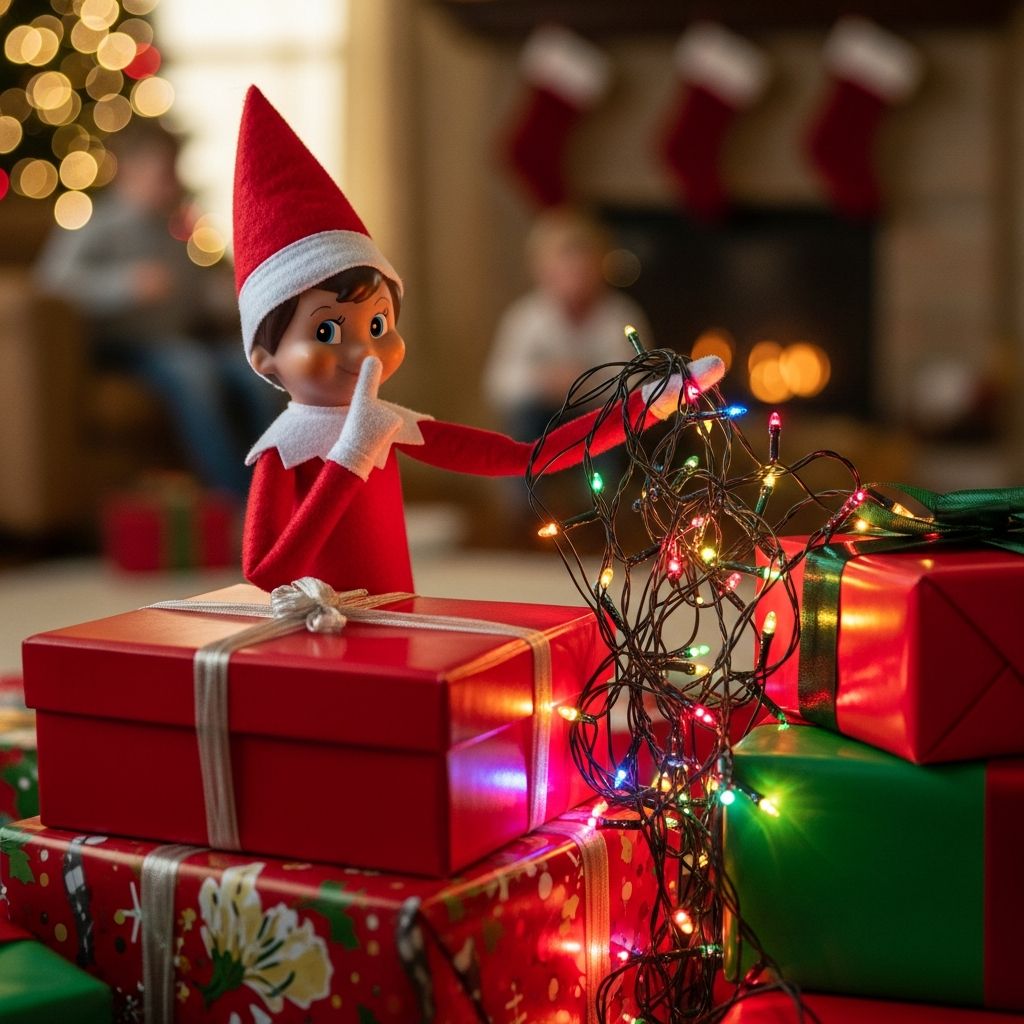
The Elf on the Shelf has gone from a niche novelty to a full-blown holiday industry. For some families it is pure delight; for others, it raises uncomfortable questions about honesty, behavior, and what kind of magic parents want to bring into their homes. This article explores those tensions and offers practical ways to approach the Elf—whether you embrace it, transform it, or retire it altogether.
Why the Elf Became So Popular
At first glance, the appeal of the Elf on the Shelf is obvious: it promises a daily moment of wonder during December, built on surprise, imagination, and a sense of being connected to the North Pole. Parents also feel pressure to keep up with what friends, neighbors, and social media are doing, turning the Elf into a marker of holiday effort and creativity. As the tradition spread, it became less a quiet family ritual and more a performative standard many caregivers feel judged against.
- Children love the anticipation of waking up to see where the Elf has moved or what it has “done.”
- Caregivers often experience the Elf as one more seasonal obligation added to an already crowded December.
The Core Question: What Is the Elf Really Teaching?
One of the most important questions for parents is not whether the Elf is fun, but what the underlying story communicates. At its heart, the classic Elf narrative links gifts and approval to being watched and evaluated. Kids learn that someone is constantly observing them, taking mental notes, and reporting to a powerful authority figure who will decide whether they deserve good things.
That framework can quietly shape how children understand goodness. Instead of seeing kindness, responsibility, and empathy as valuable in themselves, kids may begin to associate “being good” mainly with pleasing an external watcher. This can work in the short term—many parents do see slightly better behavior during December—but it risks undermining intrinsic motivation in the long run.
Behavior Bribes vs. Internal Motivation
The Elf is often used as a seasonal behavior management tool: “The Elf is watching” becomes a quick shortcut when kids are melting down in the grocery store or fighting over toys. It can feel effective, because children respond to the novelty and urgency of a magical spy linked to presents. However, this style of control leans on fear of consequences rather than helping kids develop their own moral compass.
When rewards and threats are the primary drivers of good behavior, children may behave well mainly when they believe they are being monitored. Once the Elf is put away—or whenever kids suspect the adults are not paying attention—those behaviors can disappear, because they were never truly internalized. This can leave parents feeling like they must escalate rewards and consequences to maintain order.
Short-Term Wins, Long-Term Costs
- Short term: Kids may listen more, clean up faster, and try to avoid sibling squabbles while the Elf is “on duty.”
- Long term: Children may connect good behavior with surveillance and gifts rather than with empathy, fairness, or pride in themselves.
- Emotional impact: Some sensitive kids feel anxious about being constantly judged, especially if they already worry about making mistakes.
Honesty, Trust, and the Magic Question
Another tension in the Elf tradition is how it intersects with honesty. Many parents are comfortable with playful myths, seeing them as part of childhood storytelling and imagination. Others find it difficult to maintain a complex narrative involving a magical spy, nightly flights, and direct reports to Santa, particularly as kids grow older and begin to ask detailed questions.
Trust is built when children learn that the adults in their lives tell them the truth in age-appropriate ways. When elaborate stories begin to crack, some kids feel embarrassed or misled, especially if adults insisted that doubting the Elf meant they were wrong or “ruining the magic” for others. Parents are left trying to balance preserving wonder with showing respect for their children’s developing critical thinking.
Common Concerns About Honesty
- Feeling uncomfortable when a child directly asks, “Is the Elf real?” and expecting a straightforward answer.
- Worrying that doubling down on the myth could make kids question other things parents say.
- Not wanting older siblings to feel forced to pretend in front of younger children.
Parental Burnout and Holiday Perfectionism
Behind the scenes of every “perfect” Elf photo is a tired parent who remembered, at the last second, to move the doll or set up a scene. The emotional labor of carrying this nightly task can be intense, particularly for caregivers already stretched thin by work, school commitments, financial stress, and general holiday logistics. Ironically, a tradition marketed as fun often adds a layer of pressure to maintain elaborate, Instagrammable displays.
This can create a cycle of guilt and resentment. Parents who are not naturally crafty or who work irregular hours may feel like they are failing if they cannot sustain daily Elf antics. When they inevitably forget a night, they must either improvise an explanation or face the disappointment of a child who has come to expect consistent magic.
Typical Signs the Elf Is Adding Stress
- Feeling dread every evening when it is time to set up the Elf.
- Spending money on props or accessories that strain an already tight holiday budget.
- Staying up too late redecorating, then feeling irritable or short-tempered the next day.
Reframing the Elf: From Spy to Storyteller
Parents do not have to accept the default “spy for Santa” script that often comes with the Elf. The figure can be recast in a way that matches a family’s values, putting less emphasis on surveillance and more on connection, creativity, or kindness. This shift allows households to keep the fun parts—surprise, imagination, tradition—without using fear of being reported as a parenting tool.
By redefining the Elf as a playful character or friend, caregivers can remove the pressure to behave perfectly and focus on curiosity, storytelling, and shared jokes. In this version, the Elf participates in the household’s holiday rituals instead of policing them, and its presence becomes an invitation to play, not a warning to comply.
Alternative Elf Roles
- Kindness ambassador: The Elf leaves simple suggestions for acts of kindness, such as making a card for a neighbor or donating a toy.
- Holiday helper: The Elf “helps” with family traditions, appearing near baking supplies, books, or board games instead of in mischief scenes.
- Story character: The Elf becomes part of an ongoing family story that kids help shape, encouraging creativity instead of obedience.
When You Decide to Skip the Elf
Not every family has to participate in every popular tradition. Choosing not to introduce the Elf is a valid decision, even if it feels like everyone else is doing it. Parents may opt out because they dislike the surveillance theme, worry about sustainability, or simply do not have the capacity for another daily commitment.
Explaining this choice to children can be simple and respectful. Adults can frame the Elf as one of many different holiday customs that some families enjoy and others do not, just like particular foods, songs, or religious practices. This helps kids understand that different households celebrate differently, without ranking one way as better than another.
Gentle Ways to Explain “No Elf”
- “In our family we have other special traditions, like baking together and reading by the tree.”
- “Some houses have an Elf, some don’t. Every family chooses what fits them best.”
- “We like to keep our holiday simple so we have more time to relax and play.”
If the Elf Is Already Here: Adjusting Mid-Stream
Many parents inherit the Elf from earlier years or introduce it enthusiastically, then later feel uneasy about the messages it sends. It is still possible to adjust the story, even if children are already familiar with the original rules. Tweaks can be introduced gradually, aligning the Elf with your evolving parenting style.
Older kids can even be invited into the process. When children feel included in reimagining the Elf’s purpose, they are less likely to feel deceived and more likely to see themselves as co-creators of a new family tradition.
| Common Old Pattern | Possible New Approach |
|---|---|
| “The Elf will tell Santa if you misbehave.” | “The Elf loves seeing how we help each other and have fun together.” |
| Elaborate, time-consuming nightly setups. | Simple moves every few days, or a single weekly appearance. |
| Elf disappears if rules are broken. | Elf stays, but leaves gentle notes about problem-solving and making amends. |
| Parents carry the full burden of creativity. | Kids help brainstorm safe, respectful ideas for where the Elf might go next. |
Using the Elf to Teach Empathy, Not Fear
Even if families keep some version of the Elf, they can shift the focus from performance to empathy. Instead of using the doll to enforce compliance, parents can use short, age-appropriate conversations about why certain behaviors matter. The Elf then becomes a prompt for these discussions, not the source of authority itself.
For example, if siblings are arguing, the Elf can be a prop in a talk about taking turns and listening to each other’s feelings, rather than a threat that arguments will lead to fewer presents. Kids learn not just what they are supposed to do, but why it helps everyone in the household feel safe and cared for.
Elf-Supported, Value-Based Activities
- The Elf “suggests” writing thank-you notes to teachers or caregivers.
- The Elf appears next to a note about sharing gently used toys with a charity, followed by a family decluttering session.
- The Elf brings a simple prompt for conversation at dinner, such as, “Tell about a time someone was kind to you this week.”
What If Kids Ask If the Elf Is Real?
This question often signals a turning point. Children who ask directly are already weighing possibilities, and how adults respond can influence whether they feel respected. Many parents choose to answer with a mixture of honesty and emphasis on the spirit of play.
One gentle approach is to acknowledge that the Elf is part of a game families choose to play together, rooted in imagination and tradition. Parents can explain that, as kids grow, they sometimes become helpers in keeping the magic alive for younger siblings. This perspective allows children to move from being passive believers to active participants.
Examples of Respectful Responses
- “The Elf is a pretend game we play to make the holidays feel magical. Grown-ups help move it at night.”
- “Some kids like to imagine the Elf flies to the North Pole. You can decide how you want to think about it.”
- “Now that you’re older, you can help us make the magic for others if you’d like.”
Crafting a Holiday Season Aligned With Your Values
Ultimately, the Elf on the Shelf is one small piece of a much larger holiday puzzle. The bigger task for parents is deciding what kind of season they want to create: one driven by performance and perfection, or one grounded in connection, rest, and meaningful rituals. The Elf can either support that vision or work against it, depending on how it is framed and used.
Parents have permission to change course. Traditions are meant to serve families, not the other way around. If the Elf sparks joy, keep it and reshape the story as needed. If it fuels stress or contradicts your values, let it go and fill the space with something that brings genuine peace to your home.
Frequently Asked Questions About Elf on the Shelf
1. Is it wrong to use the Elf to encourage good behavior?
Using the Elf as a lighthearted reminder is not inherently wrong, but relying heavily on threats of lost presents can send the message that kids must earn love and acceptance. Many parents find it more helpful to emphasize how behavior affects others’ feelings and safety, using the Elf as an optional prop rather than the ultimate judge.
2. What if my child is anxious about being watched?
If a child seems nervous or overly focused on being observed, it is important to take those feelings seriously. Parents can reframe the Elf as a friendly character who likes to see daily life rather than as a stern inspector. In some cases, it may be healthiest to retire the Elf entirely and reassure the child that home is a place of unconditional support.
3. How do I stop the Elf tradition without causing disappointment?
Ending the tradition can be softened by offering something in its place, such as a new family ritual like weekly holiday movie nights or a special December bedtime story routine. Parents can explain that families sometimes change traditions as kids grow, and emphasize that the most important part of the season is time together, not any particular object or character.
4. Can I keep the Elf but drop the Santa surveillance story?
Yes. Many families keep the physical Elf while entirely rewriting its “job.” Instead of reporting to Santa, it might simply enjoy watching the household, sharing in jokes, or suggesting small acts of kindness. This keeps the playful aspects while removing the emphasis on monitoring and judgment.
5. What if my child’s friends all have an Elf and we do not?
This is an opportunity to talk about how different families celebrate in different ways. Parents can validate any feelings of missing out while also highlighting the unique traditions their own household enjoys. Kids handle differences best when adults show calm confidence in their own choices and avoid criticizing what other families do.