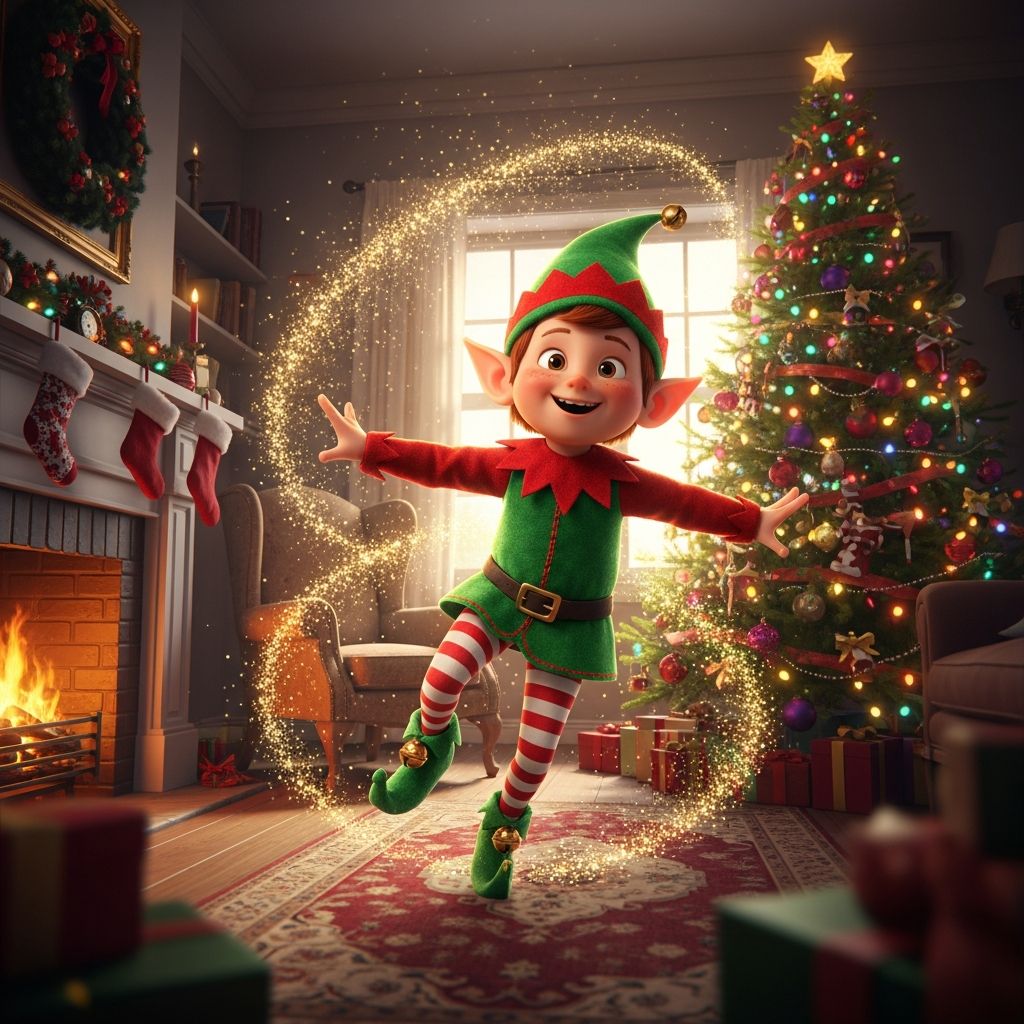
Welcoming a holiday elf into your home can become one of your children’s favorite December memories, but the arrival does not have to be complicated or Pinterest-perfect to feel magical. This guide shares fresh, original Elf on the Shelf arrival ideas designed for real families, including low-prep setups, meaningful traditions, and playful themes you can adapt year after year.
Understanding the Elf Tradition (In Simple Terms)
The popular elf tradition centers around a small toy elf that “visits” your home for the weeks leading up to Christmas, usually reporting back nightly to Santa about the household’s adventures and kindness. Many families enjoy posing the elf in different spots each day, sometimes with silly scenarios, simple notes, or small surprises that add to the anticipation of the season.
There are only a few basic ground rules most families follow: the elf appears once at the start of the season, leaves again around Christmas Eve, and children avoid touching the elf so its “magic” is never disturbed. Beyond those basics, you have complete freedom to adapt the tradition to your family’s values, schedule, and sense of humor.
Planning Your Elf’s Big Entrance
Before you pick an arrival idea, think about your goals for the elf tradition this year. Are you hoping for a big, photogenic reveal, or something quick you can pull together late at night? Answering a few questions up front will keep the arrival exciting without adding stress.
- How much time will you realistically have the night before the elf appears?
- Do you want your elf to focus more on kindness, fun, or simple observation?
- Will this be the elf’s very first visit, or a return after previous years?
- Do you want the elf to bring anything tangible, like an advent calendar or small craft?
Once you decide on those basics, you can choose an arrival that fits your energy level and your kids’ personalities. Younger children might love a dramatic scene, while older kids may prefer a clever note or a running joke from past years.
Low-Effort Elf Arrivals for Exhausted Parents
Some of the most charming elf arrivals are the simplest. If you are tired, busy, or just not a fan of late-night crafting, these ideas keep the magic alive without requiring glue guns or elaborate props.
1. The Cozy First-Morning Perch
Place your elf in a spot kids will see right away in the morning, with one tiny additional touch that suggests the elf just arrived from a long trip.
- Seat the elf next to a small cup (real or toy) filled with mini marshmallows as “travel snacks”.
- Scatter a light dusting of flour or powdered sugar near the elf to hint at “snow” from the North Pole.
- Prop the elf against a favorite holiday decoration so it feels like part of your regular décor.
Add a very short note if you wish, such as a simple greeting or reminder to look for kindness opportunities all month long.
2. The Doorway Hello
For a nearly zero-prep idea, place your elf near the front door, on a shoe rack, or hanging from a coat hook with a small sign or name tag. This makes it feel like the elf just walked in with everyone else’s winter gear.
- Hang the elf from a scarf or mitten as if it just arrived and is still warming up.
- Use sticky notes to make a quick speech bubble like “I found you!” or “I made it!”.
- Let kids “discover” the elf as they put on their shoes for the day.
3. The Bookshelf Observer
Another easy option is the classic watchful perch. Tuck the elf between storybooks or next to a stack of holiday picture books, signaling that your visitor loves reading as much as the kids do.
- Stand the elf near a book you plan to read together that evening.
- Add a small scrap of paper as a “bookmark” held by the elf.
- Use this setup to start a nightly December reading ritual.
Interactive Arrivals Kids Can Help Continue All Season
If you want the elf to spark ongoing activities rather than just one showy entrance, choose an arrival that launches a month-long project or ritual. Kids will feel involved and excited to add new elements each day.
4. Countdown Corner Elf
Set up a small “countdown corner” where the elf appears with a simple, reusable way to track the days until Christmas. The arrival scene can be modest, but the daily interaction makes it feel special.
- Hang a paper chain where children remove one link each day.
- Use a chalkboard or whiteboard for kids to update the number of days left.
- Let the elf “move” along the chain or sign as the days go by.
5. Kindness Mission Launch
Introduce the elf as a “kindness scout” bringing a list of small, manageable good deeds your family can try throughout December. This is an excellent way to balance the focus on gifts with simple acts of generosity.
- Place the elf beside a jar of folded paper slips, each with a daily kindness idea (help set the table, draw a picture for a neighbor, write a thank-you note).
- Invite kids to draw one slip each day to complete together as a family.
- Let older children add their own kindness ideas to the jar.
6. Family Bucket List Elf
Turn the arrival into the start of a family holiday bucket list. The elf shows up sitting beside a notepad or printed list of seasonal traditions you want to enjoy together.
- Include fun items like “drink hot cocoa,” “drive to see lights,” “have a pajama day,” and “build a fort.”
- Let kids check off each item and add new ones they dream up.
- Keep the list posted where the elf can shift around it during the month.
Theme-Based Arrivals for Big Reactions
When you have a little extra time or want a wow-factor for the first year, a themed elf arrival can feel like a mini party. You can still keep the work reasonable by choosing themes that rely mostly on items you already own.
7. North Pole Breakfast Without the Stress
A themed breakfast is a popular way to welcome the elf, but it does not have to be elaborate. Focus on one or two small touches to make an ordinary breakfast feel like a special event.
- Use red and green paper plates, cups, or napkins you already have.
- Offer a “special” food that is simple but different from your usual morning, like pancakes with a few sprinkles or toast cut into star shapes.
- Seat the elf at the table with a tiny plate or cup made from a bottle cap or toy dish.
8. Travel-Themed Landing
Play up the idea that the elf has traveled a long distance to reach your home. This theme works well if your children are curious about where the elf comes from or how it gets here.
- Arrange the elf on top of a small suitcase, lunch box, or backpack as a “travel bag”.
- Scatter pretend travel tickets, hand-drawn maps, or stickers around the elf.
- Tell kids the elf made several “stops” on the way and may share stories during the month.
9. Hobby-Themed Arrival
Customize the elf’s entrance to match your child’s interests so it feels especially personal. You only need a few small items related to their favorite hobby or activity.
- For a sports fan, prop the elf near a ball, sneakers, or team scarf.
- For an art lover, seat the elf with crayons and a tiny piece of paper “drawing.”
- For a music enthusiast, place the elf next to a toy instrument, headphones, or a homemade “concert ticket.”
First-Time Elf vs. Returning Elf: How to Adjust the Arrival
The way your elf shows up might look different the first year compared with later visits. Thinking about your long-term plan can help you pace the excitement so you do not feel pressure to top yourself every season.
| Scenario | What to Emphasize | Arrival Idea Style |
|---|---|---|
| First-ever elf visit | Introduce the elf’s name, purpose, and simple household rules. | A short welcome note, gentle reveal, and maybe one small treat or activity. |
| Second or third year | Build on memories from past years and inside jokes. | Call back to a favorite prank or location from previous seasons. |
| Busy or high-stress year | Keep the tradition low-maintenance so it stays fun, not overwhelming. | Simple perch, quick note, and more focus on ongoing kindness or reading activities. |
| Older kids with questions | Lean into humor, creativity, and shared storytelling. | More writing, jokes, and collaborative projects like comics or photo challenges. |
Elf Arrival Photos and Memory-Making Tips
Part of the fun of elf arrivals is capturing your children’s reactions, but you do not need professional lighting or perfect staging to document the magic. Focus on emotion rather than perfection and accept that a bit of holiday clutter in the background is part of the story.
- Snap a quick photo of the kids’ faces the moment they spot the elf, even if the scene is slightly crooked.
- Consider keeping a small album or digital folder just for elf photos to look back on each year.
- Ask your kids to draw their favorite elf memory of the season and add that to your keepsakes.
Keeping the Magic Manageable All Month Long
A fun arrival can set high expectations, but you do not need to create an elaborate display every night. In fact, alternating between very simple setups and occasional “bigger” moments can make it easier for parents while keeping the elf’s activities surprising.
- Plan a few “anchor” nights when you know you will have time for a more creative setup, like weekends.
- On busier days, let the elf simply move to a new shelf, windowsill, or lamp with no extra props.
- Keep a running list of quick ideas on your phone so you never stare blankly at the elf at midnight.
If you forget to move the elf one night, treat it as part of the story—perhaps the elf was too tired from watching all the fun or got “stuck” in a particularly cozy spot.
Frequently Asked Questions About Elf Arrivals
When should the elf arrive?
Many families choose a date in late November or early December, often December 1, because it lines up with other holiday countdown traditions. That said, you can have your elf arrive any time that makes sense for your family’s schedule; there is no official rule that says it must appear on a certain day.
Does the elf always need to bring a gift or treat?
No extra gifts are required for the tradition to feel special. If you want to include a small treat, consider something simple like hot cocoa packets, a new ornament, a holiday book, or materials for a shared craft instead of toys or candy every year.
What if my child wants to touch the elf?
Some families stick closely to the “no touching” rule to preserve the sense of magic, while others choose a gentler version, such as allowing adults to move the elf or making an exception if the elf “gets into trouble.” Decide what feels right for your home and explain your version of the rules clearly and kindly.
How can I involve older kids who are starting to question the magic?
Older children often enjoy helping with the behind-the-scenes planning. You might quietly invite them to brainstorm scenarios, write notes from the elf, or even set up a few scenes once younger siblings are asleep, turning the tradition into a shared creative project.
Is it okay to skip the elf some years?
Yes, it is absolutely fine to pause or adjust the tradition if life feels too busy or stressful. You can explain that the elf needed to help more at the North Pole this year or simply let the tradition rest until it feels fun again for your family.
Final Thoughts: Choose Joy Over Pressure
The most memorable elf arrivals are less about perfectly staged scenes and more about the genuine excitement on your children’s faces. Whether your elf appears at a themed breakfast, pops up on a bookshelf with a dusting of “snow,” or simply leans against the front door, your kids will remember that the season felt playful, warm, and full of shared moments.
Give yourself permission to keep things simple, reuse ideas, and let the elf’s magic evolve as your family grows. A tradition that feels sustainable to you is far more magical in the long run than one that leaves you burnt out by mid-December.