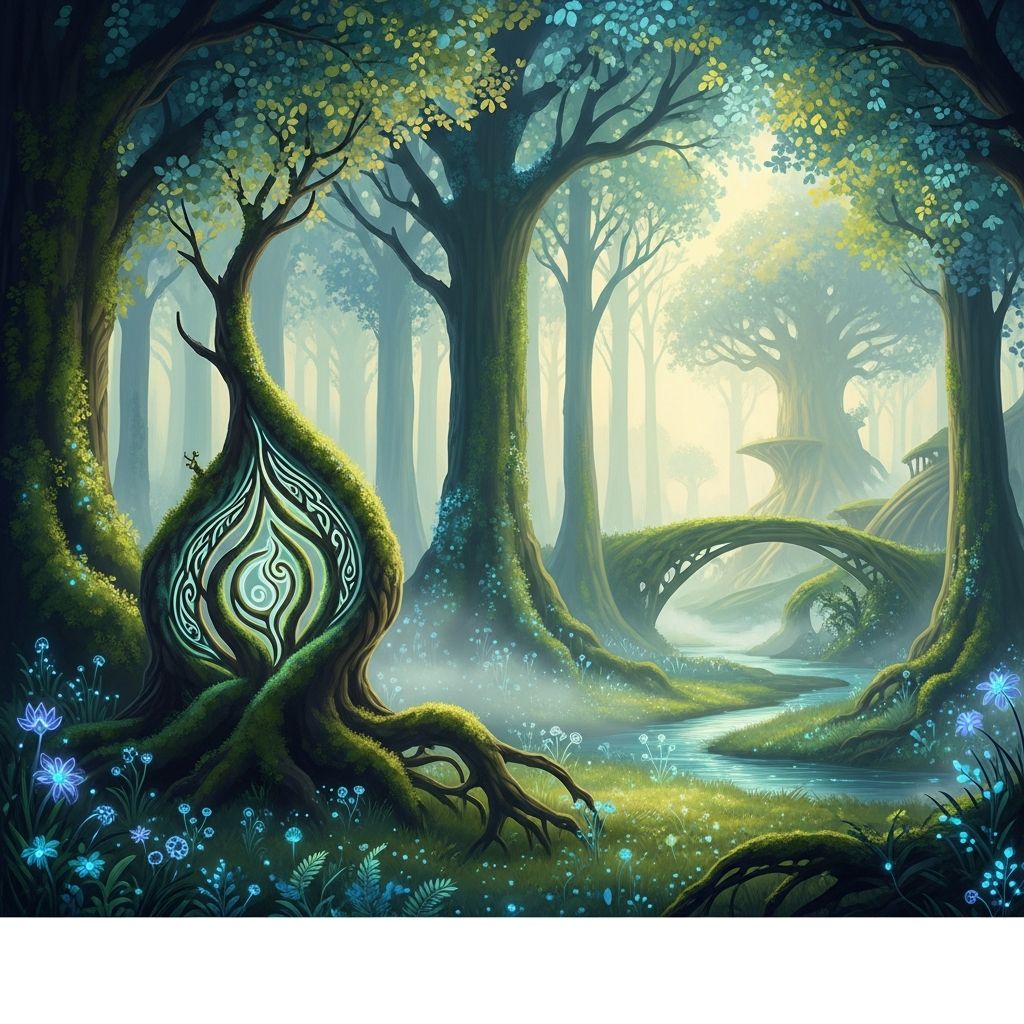
Elf last names can instantly communicate culture, magic, and history, turning a simple character sheet into a living part of your fantasy world. Whether you are writing a novel, planning a tabletop campaign, or building a game setting, a well-crafted elven surname adds depth that readers and players remember.
Why Elf Last Names Matter
In many fantasy settings, elven surnames reflect more than just family lineage; they hint at an elf’s relationship with nature, magic, and ancient traditions. A carefully chosen last name can reveal clan allegiance, personal achievements, or mystical heritage before a single line of dialogue is spoken.
- They make characters feel rooted in a larger culture rather than existing in isolation.
- They double as subtle worldbuilding tools that suggest geography, religion, or history.
- They help distinguish different elven subraces such as high elves, wood elves, and dark elves.
Core Principles of Elven Surnames
Elf last names often blend musical phonetics with symbolic meaning, creating names that are both pleasant to the ear and rich in implication. Understanding common principles makes it much easier to invent original names that still feel naturally elven.
Sound and Rhythm
Elven surnames usually favor flowing consonants and open vowels, avoiding harsh clusters that feel too abrupt. Names like “-el”, “-ion”, or “-ar” endings can lend a lyrical tone without copying any specific language.
- Use soft consonants such as l, n, r, s, and th.
- Include one or two syllables that can be spoken smoothly without stopping.
- Avoid overly complex letter clusters that slow pronunciation.
Meaning and Symbolism
Many fantasy elf surnames derive from elements of nature, light, darkness, or celestial bodies, echoing their mythic connection to forests, stars, and magic. Combining simple ideas like “moon”, “leaf”, or “shadow” with elvish-sounding fragments creates names that feel both familiar and otherworldly.
- Nature motifs: trees, rivers, seasons, animals, weather.
- Celestial motifs: stars, moons, dawn, dusk, constellations.
- Arcane motifs: runes, spirits, flames, storms.
Common Types of Elf Last Names
Not all elven surnames serve the same purpose. Some indicate noble houses, others describe accomplishments, and some are tied to specific locations or tribes. Thinking in categories can help you pick the right kind of name for each character.
House and Lineage Names
These surnames mark powerful families, noble bloodlines, or ancient clans that have existed for centuries. They often sound formal and slightly archaic, suggesting age and prestige.
- Used by high elves, court nobles, and ruling families.
- Commonly linked to heraldic symbols like a stag, hawk, or dragon.
- May carry political weight in your setting’s councils and courts.
Nature-Linked Family Names
Many elves are portrayed as forest-dwelling or otherwise close to the natural world, so surnames may reference trees, animals, or landscapes. These names are ideal for wood elves, rangers, druids, and wanderers.
- Reflects the environment where the family originated, such as forests, coasts, or mountains.
- Can hint at a family’s favored animal companion or totem.
- Works well as a clan name for tribal or nomadic groups.
Deed or Title-Based Names
Some elven surnames grow out of legendary accomplishments or defining traits, functioning almost like honorific titles. These can change over time as the character’s reputation evolves.
- Might be bestowed by a council, deity, or battlefield comrades.
- Useful for heroes, villains, and famous adventurers.
- Can be temporary epithets instead of permanent family names.
Building Elf Last Names from Scratch
Creating unique elven surnames becomes easier when following a repeatable process. By combining original roots and descriptive elements, you can generate endless variations without copying existing examples.
Step 1: Choose a Cultural Theme
Start by deciding what type of elf you are naming: high elf diplomat, wild elf hunter, shadowy assassin, or scholarly mage. Each archetype naturally points toward different themes and imagery.
- High elves: light, stars, crystal, song, ancient cities.
- Wood elves: leaves, rivers, animals, seasons, moss, bark.
- Dark elves: shadows, venom, night, obsidian, webs.
Step 2: Pick a Root Concept
Next, choose one central concept that captures the essence of the family or character: protection, secrecy, wisdom, fury, grace, or wanderlust. This concept becomes the core around which the name is built.
- Abstract ideas (honor, silence, memory) create poetic surnames.
- Tangible images (spear, moon, thorn) create vivid, concrete names.
- Combining abstract and concrete elements often yields the most striking results.
Step 3: Add Elvish-Flavored Sounds
Once you have a theme and root idea, begin modifying it with syllables that have an elvish flavor, while still staying original. For instance, you might preface or end a word with “ae”, “il”, “thir”, or “-anor” to soften the tone.
- Change consonants slightly so English words become more fantastical.
- Insert vowels to break up harsh clusters and keep names smooth.
- Test the name aloud to ensure it sounds natural, not tongue-twisting.
Step 4: Decide on Structure
Elf last names typically follow one of several structural patterns, such as single-word surnames, compound words, or multi-word titles. Selecting a consistent structure helps your setting feel coherent.
| Structure Type | Description | Best Use Case |
|---|---|---|
| Single-word surname | A compact, lyrical family name with implied meaning. | Noble houses, ancient lineages. |
| Compound word | Two ideas fused into one, often nature or magic-related. | Rangers, warriors, and adventurer families. |
| Multi-word title | Surname functioning as a formal epithet or honorific. | Heroes, champions, religious figures. |
Example Naming Patterns (Original Templates)
To respect intellectual property and copyright, the following patterns are provided as original creative templates, not as copies of existing elf names. You can plug your own word roots into these patterns to produce a wide variety of surnames.
Nature-Focused Patterns
These naming shells are designed for elves closely connected to forests, rivers, and wildlife. Each pattern shows how combining imagery with elvish phonetics creates evocative names.
- [Tree-root] + -harel: Use a tree type or forest-related word and attach “-harel” to imply guardianship of groves.
- [Animal] + -syl: Pick an animal symbolic of the family and add “-syl” for a woodland tone.
- Vael- + [Weather word]: Prefix suggesting grace paired with rain, mist, breeze, or thunder.
Celestial and Arcane Patterns
Elf families associated with stars, prophecy, or sorcery benefit from surnames that evoke the sky and mysterious forces.
- [Star-related word] + -ionel: A suffix that hints at cosmic lineage and ancient stargazers.
- Aris- + [Light concept]: Use light, dawn, shimmer, or halo to suggest radiance and spellcraft.
- [Gemstone] + -myr: Combine a jewel with “-myr” to evoke arcane focus and magical artifacts.
Shadow and Underworld Patterns
Dark elves or morally ambiguous lineages might bear surnames that carry danger, secrecy, or forbidden power. These patterns emphasize contrast and tension.
- [Shadow word] + -zarith: A suffix that conveys sharpness and quiet menace.
- Noct- + [Predator]: Use night-related prefixes with wolves, serpents, or ravens.
- [Poison or metal] + -vryn: Suggests deadly elegance and lethal skill.
Using Elf Last Names in Worldbuilding
Once you have a stock of elven surnames, you can use them to deepen every corner of your setting. Names can hint at alliances, rivalries, and historical events without a single exposition dump.
Regional Variations
Different elven regions can develop distinct naming styles, reflecting climate, politics, or neighboring cultures. This variation makes your world feel larger and more lived-in.
- Coastal elf surnames may incorporate tides, shells, reefs, or storms.
- Mountain elf families might reference stone, eagles, or snow.
- Urban elf houses could favor abstract concepts like law, silver, or towers.
Social Class and Status
Noble, common, and exiled elves might all approach surnames differently. This can provide quick visual cues about a character’s background when readers see the name.
- Nobility often use long, elaborate surnames that emphasize ancient roots.
- Common folk prefer practical, nature-based or occupation-based names.
- Outcasts may abandon family names entirely or adopt grim epithets.
Religious and Mythic Influences
In some settings, elven families incorporate references to deities, sacred locations, or legendary ancestors into their surnames. This can tie characters directly into your world’s mythology.
- Priestly lineages might include sun, moon, or flame motifs.
- Oracle families could carry names referencing dreams, omens, or mirrors.
- Martial orders may adopt weapon or shield imagery to honor patron spirits.
Sample Elf Last Name Concepts (Original Ideas)
The following ideas are conceptual prompts rather than ready-to-use lists, designed to help you brainstorm your own names while respecting intellectual property. Feel free to adapt, combine, or transform them into forms that match your setting.
- Forest Guardian Families: Surnames inspired by tree roots, river bends, and ancient stones.
- Starborne Houses: Families named for constellations, comets, or eclipses.
- Stormbound Clans: Names that invoke thunder, lightning, or seasonal winds.
- Veil-Walkers: Secretive lineages tied to illusions, shadows, or the boundary between worlds.
- Songkeepers: Elven bards and historians whose surnames echo music, echoes, or memory.
Practical Tips for Authors and Game Masters
Applying these principles consistently improves immersion and keeps your naming scheme from feeling random. A few simple habits can help you maintain quality and coherence across many characters.
- Keep a style guide: Write down preferred consonant clusters, suffixes, and cultural rules for each elven region.
- Track family trees: Record which characters share which surnames to avoid accidental contradictions.
- Limit repetition: Avoid using the same root concepts too often unless it is intentional, such as within one clan.
- Test readability: Ensure readers can pronounce names without needing a guide for every single one.
SEO-Friendly FAQs About Elf Last Names
How do I come up with a unique elf last name?
Begin by choosing a central concept that fits your character, such as a type of tree, star, or magical effect, and then reshape it with smooth, elvish-sounding syllables. Aim for a balance between originality and readability so the name feels fantastical but is still easy for readers or players to remember.
Should all elves in my story share similar surname patterns?
It helps if elves from the same culture follow consistent naming conventions, because this signals that they share a common history and language. However, you can introduce variations for expatriates, mixed-heritage characters, or those who have adopted new names after major life events.
Can elf last names change over time?
In many fantasy interpretations, elven surnames can evolve as characters achieve great deeds or shift social roles, especially when surnames function as epithets. You might let an elf keep a birth family name while also earning an additional title that reflects newfound status or reputation.
What is the difference between elf first names and last names?
First names usually identify the individual, while last names connect that individual to a broader family, clan, or legend. Surnames often carry more overt symbolism, linking the character to nature, magic, or history, whereas given names may focus on sound and personal meaning.
Do I need to base elf last names on real-world languages?
There is no requirement to base your elven surnames on any specific real-world language, and in fact doing so too closely can raise copyright and originality concerns. Instead, you can take loose inspiration from general sound patterns while ensuring that the final names, structures, and explanations are entirely your own creations.
By approaching elf last names as cultural artifacts instead of random syllables, you can build a fantasy world where every name hints at a deeper story waiting to be told.