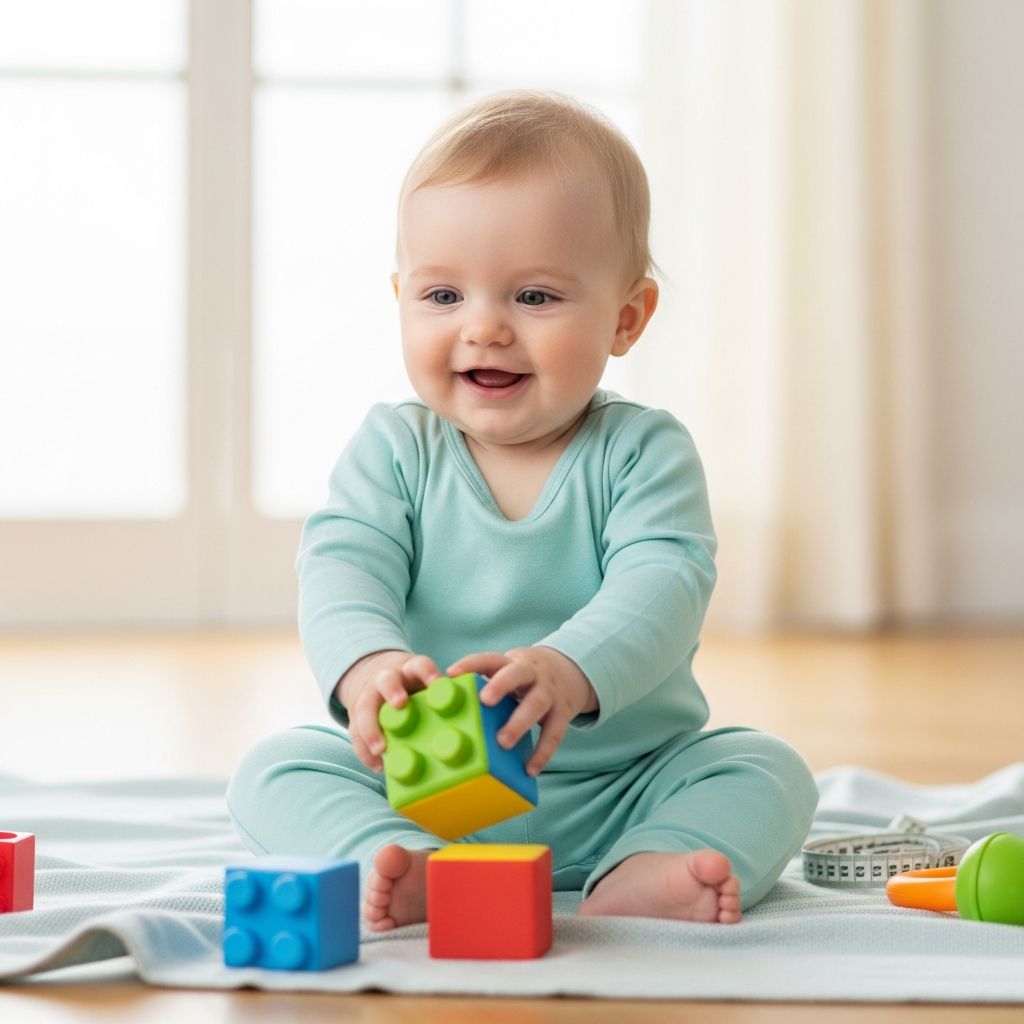
Navigating Your Baby’s Second Half of Year One
The period from six to twelve months represents one of the most transformative phases in your child’s early development. During these six months, your baby will transition from a dependent infant requiring constant care to a more interactive, increasingly mobile little person with emerging personality traits and preferences. Understanding what changes to expect during this critical window helps parents recognize typical development patterns and know when their baby is progressing as expected.
Every baby develops at their own pace, and while general timelines provide helpful guidance, individual variations are completely normal. This comprehensive overview explores the major developmental domains your child will navigate during the second half of their first year, offering parents practical insights into physical growth, sensory development, communication advances, and behavioral changes.
Physical Development and Movement Milestones
During the 6-12 month period, your baby’s physical capabilities expand dramatically. Early in this timeframe, around six months, most babies can roll over in both directions and are beginning to sit with minimal support. By seven to nine months, babies typically demonstrate improved sitting abilities and may start scooting, rocking back and forth, or attempting to crawl. Some babies at this stage can pull themselves into a standing position using furniture for support.
As your baby approaches their first birthday, standing becomes increasingly possible, even without holding onto anything. Walking develops gradually, starting with movement while holding both of your hands, progressing to holding furniture with one hand, and eventually attempting independent steps. This progression typically continues beyond the 12-month mark for many children.
Hand strength and coordination also undergo significant changes. Initially, babies use their whole hand to grasp objects, but by eight to nine months, they typically develop a pincer grasp, using their thumb and forefinger to pick up smaller items. This refined grip opens up new exploration opportunities and represents an important fine motor milestone.
Strength and Stability Developments
- Ability to sit without external support
- Weight-bearing on legs with improved stability
- Pulling up to standing position using nearby furniture
- Standing unassisted for brief periods
- Crawling on belly or hands and knees
- Transitioning from sitting to standing independently
Sensory Growth and Perception Changes
Your baby’s sensory systems continue maturing throughout the 6-12 month window. Visual tracking abilities improve, allowing your baby to follow fast-moving objects more effectively. Distance vision becomes clearer, and your baby develops stronger responses to visual stimulation in their environment.
Auditory development also progresses significantly. Babies recognize familiar sounds, respond to their own name, and show appropriate reactions to new noises. They begin connecting specific sounds with objects or people, laying groundwork for language comprehension.
Taste and smell perception becomes more refined, with babies developing stronger reactions to new tastes and smells. This heightened sensory awareness influences eating behavior and food preferences as solid foods are introduced.
Feeding Transitions and Nutritional Changes
The feeding journey transforms considerably between months six and twelve. Early in this period, babies continue receiving primary nutrition from breast milk or formula while solid foods supplement their diet. The balance gradually shifts as your baby becomes more comfortable with eating solids.
By the end of the first year, most babies eat three meals daily while nursing or drinking formula, though the volume of breast milk or formula typically reduces as solid food consumption increases. Initially, babies explore food textures through finger-raking motions, bringing food toward themselves. As coordination improves, self-feeding becomes more successful.
Drinking abilities also develop during this period. Babies begin drinking from cups with straws around seven to nine months and progress toward drinking from open cups by twelve months. Many babies start the weaning process from bottles as they approach their first birthday, though the transition varies by family preference.
Feeding Milestones by Stage
| Age Range | Primary Nutrition | Solid Food Intake | Self-Feeding Skills |
|---|---|---|---|
| 6-7 months | 24-30 ounces formula/breast milk daily | 4-9 tablespoons fruits, vegetables, cereal | Raking motions, exploring with fingers |
| 7-9 months | Continues with reduction beginning | Thicker purees, more variety | Pincer grasp developing, bottle holding |
| 10-12 months | Reduced as solid food increases | Three meals, chopped textures | Cup drinking, finger feeding, utensil interest |
Communication Development and Language Emergence
Language development accelerates during the second half of the first year. Early in this period, around six months, babies make vowel and consonant sounds like “da-da” and “ma-ma,” though these are typically not yet meaningful references to specific people. They engage in turn-taking conversations with caregivers, responding to sounds and attempting to imitate sounds in return.
By seven to nine months, babies understand certain words like “eat” and respond to their own name, even if they don’t yet produce meaningful words consistently. They make attention-getting sounds and begin babbling with inflection and expression. Toward the end of the first year, babies typically speak their first intentional words, often “mama” or “dada,” followed by additional words. They understand simple commands and can follow one-step directions when accompanied by gestures.
Babies also demonstrate comprehension of “no” by nine to twelve months, briefly pausing their actions when they hear the word. They connect names with objects and look at the correct picture when an image is named. Some babies attempt to imitate animal sounds and use exclamations like “uh-oh!” to express themselves.
Cognitive Development and Problem-Solving Skills
Thinking and learning skills expand considerably during this six-month period. Babies develop understanding of cause and effect, recognizing that their actions produce results—such as pushing a button causing a light to appear. This causal understanding motivates increased exploration and experimentation.
Object permanence, the understanding that objects continue existing even when out of sight, emerges during this period. Babies begin searching for dropped toys and looking for objects they’ve seen hidden, representing significant cognitive advancement. They understand how to investigate toys by turning them side to side and upside down to see how they function.
Babies demonstrate growing curiosity about their surroundings, wanting to understand how things work. They love opening and closing containers, banging objects together, and exploring cause-and-effect relationships through play. This investigative approach to learning forms the foundation for future problem-solving abilities.
Social and Emotional Development
During the 6-12 month period, babies develop more complex social and emotional responses. Early in this stage, babies enjoy interacting with others and become joyful frequently. They respond to other people’s emotions, beginning to mirror and understand emotional expression.
By seven to nine months, many babies develop preferences for familiar caregivers and may show initial signs of stranger anxiety, becoming shy or clingy around unfamiliar people. This behavior, while sometimes challenging, actually represents healthy development and demonstrates that babies recognize and distinguish between familiar and unfamiliar individuals.
Separation anxiety typically emerges as babies approach their first birthday. Babies may cry or reach for caregivers when left, experiencing genuine distress at separation. Additionally, babies at this age may develop attachment to comfort objects like blankets or stuffed animals, which provide emotional reassurance.
Play becomes increasingly interactive and purposeful. Babies enjoy peek-a-boo games, appreciate when caregivers respond to their sounds and gestures, and begin engaging in social behaviors like clapping and waving. They smile and laugh more readily, particularly during play interactions, and demonstrate understanding of social games.
Independence and Self-Help Skills
Emerging independence begins during this period, though babies remain highly dependent on caregivers for their basic needs. Babies develop the ability to sit and play with toys independently for short periods. They lift their arms when they want to be picked up and raise their arms to cooperate with dressing. Some babies begin showing interest in self-feeding and make attempts to use utensils, though success is limited.
Babies start participating more actively in caregiving routines. They may attempt to help during diaper changes, show interest in grooming activities, and begin cooperating when being dressed. These early attempts at participation lay groundwork for developing greater independence as they grow.
How Parents Can Support Development
Parents play a crucial role in fostering healthy development during these critical months. Regular reading activities introduce language patterns and vocabulary while creating bonding time. Talking to your baby throughout daily activities, using simple words and responding to their sounds, supports language development.
Playing interactive games like peek-a-boo and singing songs strengthens social bonds and cognitive skills. Providing toys that light up, make noise, or move encourages sensory exploration and understanding of cause and effect. Encouraging two-handed play helps develop coordination and fine motor skills.
Floor play with your baby supports physical development by providing safe space for crawling and sitting practice. Holding your baby’s hands while they practice walking and placing toys on low furniture to encourage standing and reaching creates opportunities for gross motor development. Letting your baby safely explore textures, poke bubbles, and investigate toys under supervision supports sensory and cognitive growth.
Sleep Patterns and Rest Requirements
Sleep patterns shift during the 6-12 month period. Around seven to nine months, most babies typically nap twice or three times daily, with each nap lasting one to two hours on average. Sleep needs gradually consolidate, with babies typically requiring two naps by late in this period, though individual variations exist.
Nighttime sleep may be disrupted by teething, developmental changes, or separation anxiety. Many babies may begin waking during the night around seven to nine months, sometimes crying despite no apparent physical discomfort. This awakening often relates to developmental changes rather than hunger or illness, though caregivers should rule out other causes.
Teething and Oral Development
Teething typically begins during the 7-9 month window, usually starting with the two center front teeth in the lower jaw, followed by the two center front teeth in the upper jaw. The timing and sequence varies considerably among babies, with some beginning earlier and others later. Teething brings increased drooling, chewing urges, and potential discomfort.
Babies explore everything by putting objects in their mouth, which serves multiple purposes including sensory exploration, teething relief, and learning about their world. Providing safe teething objects and age-appropriate toys supports this natural exploratory behavior.
Common Questions About 6-12 Month Development
Q: At what age should my baby be sitting without support?
A: Most babies can sit without support by seven to nine months, though some may achieve this earlier or later. By twelve months, sitting without help is an expected milestone.
Q: When should I expect my baby to start crawling?
A: Crawling typically emerges between six and twelve months, though the exact age varies widely. Some babies begin with belly crawling or scooting, while others progress to hands-and-knees crawling. Some babies skip crawling entirely and move toward standing and walking.
Q: How much should my baby be eating at twelve months?
A: By twelve months, most babies eat three meals daily while also nursing or drinking formula, though the volume of breast milk or formula typically decreases as solid food intake increases. Offer a variety of foods and let your baby guide how much they eat.
Q: Is stranger anxiety normal in babies this age?
A: Yes, stranger anxiety and preference for familiar caregivers typically emerge between seven and twelve months and represents healthy development. This behavior shows your baby recognizes and distinguishes between familiar and unfamiliar people.
Q: When should I expect my baby’s first words?
A: While babies make sounds resembling “mama” and “dada” earlier, meaningful first words typically emerge around twelve months, though the range is quite wide. Some babies speak their first words earlier or later, and this variation is normal.
Q: What should I do about separation anxiety?
A: Separation anxiety is normal and indicates healthy attachment. Maintain consistent routines, say goodbye when leaving, and return promptly when you say you will. Reassurance and predictability help babies work through this phase.
Q: How can I tell if my baby’s development is on track?
A: Monitor your baby’s progress across multiple developmental domains including physical skills, communication, social interaction, and cognitive abilities. Remember that individual variation is normal, and developmental delays in one area don’t necessarily indicate problems. Discuss any concerns with your pediatrician.
References
- Developmental Milestones for Babies (6-12 months) — Coral Care. 2024. https://www.joincoralcare.com/developmental-guides/milestones-6-12-months-babies
- Developmental Milestones: 6 to 12 Months — Nationwide Children’s Hospital. 2024. https://www.nationwidechildrens.org/family-resources-education/health-wellness-and-safety-resources/helping-hands/developmental-milestones-6-to-12-months
- Milestones by 6 Months — Learn the Signs. Act Early. — Centers for Disease Control and Prevention. 2024. https://www.cdc.gov/act-early/milestones/6-months.html
- Infant development: Milestones from 7 to 9 months — Mayo Clinic. 2024. https://www.mayoclinic.org/healthy-lifestyle/infant-and-toddler-health/in-depth/infant-development/art-20047086
- 7-9 Month Old Baby Development & Milestones — Children’s Hospital of Orange County (CHOC). 2024. https://choc.org/ages-stages/7-to-9-months/