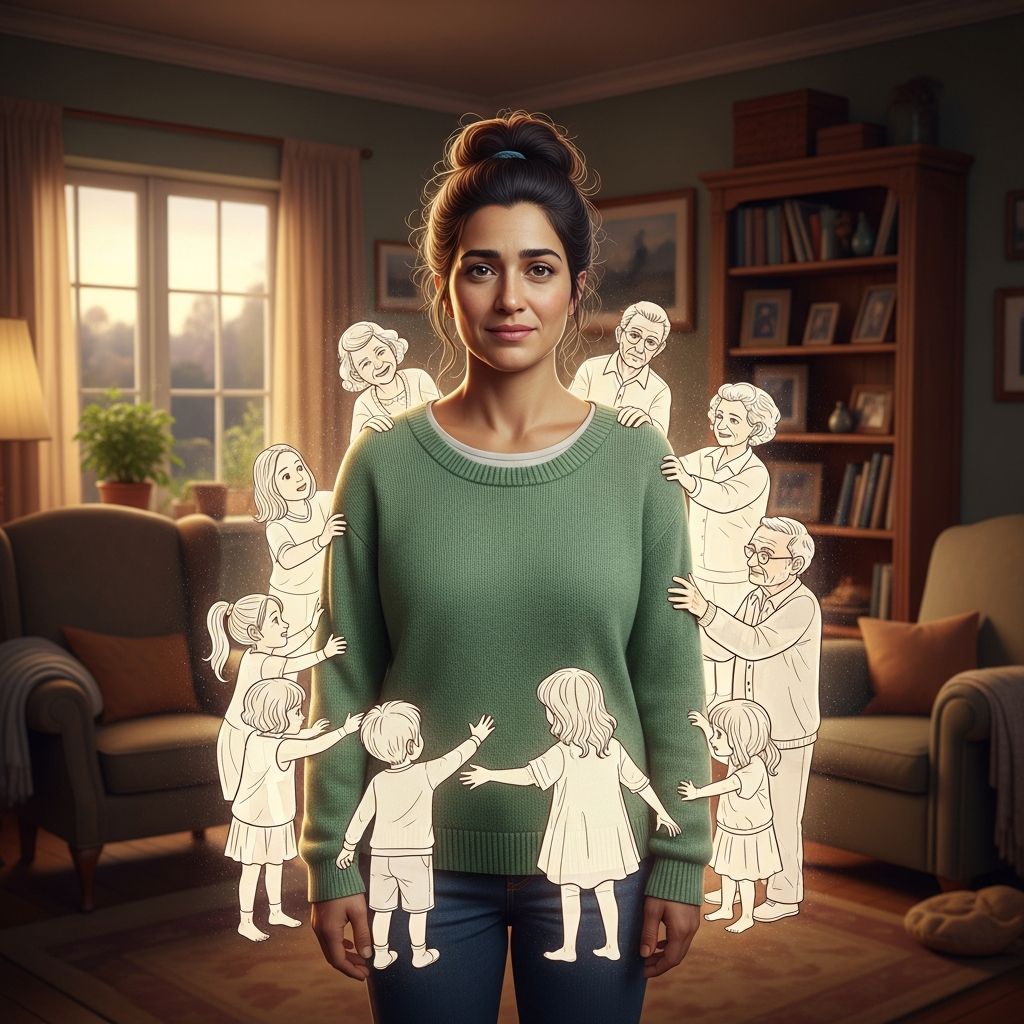
The phenomenon known as eldest daughter syndrome captures a common yet often overlooked dynamic in family life, where the firstborn female child shoulders disproportionate emotional, practical, and social responsibilities from an early age. This pattern, rooted in cultural expectations and birth order influences, shapes personality traits, relationships, and mental health well into adulthood.
Origins in Family Roles and Birth Order Theory
Family structures frequently assign the oldest daughter a quasi-parental position, blending gender norms with birth order effects. Austrian psychotherapist Alfred Adler first explored birth order in the early 1900s, noting that firstborns, particularly daughters, tend to assume more duties and exhibit heightened responsibility—what he termed increased ‘neuroses’ compared to later siblings.
This role emerges from practical needs, such as busy or overwhelmed parents relying on the eldest girl for sibling care, household help, or emotional support. In single-parent homes or those with high conflict, the burden intensifies, accelerating maturity at the cost of childhood play.
Cultural factors amplify this: many societies idealize daughters as nurturers, embedding self-sacrifice as a virtue. Over time, these unspoken rules forge a resilient yet strained individual.
Core Traits Shaped by Early Responsibilities
Firstborn daughters often develop distinct characteristics from their pivotal family role. These traits, while adaptive in youth, can become limiting later.
- Hyper-responsibility: A pervasive sense of duty for family harmony, from mediating disputes to managing chores, persists into professional and social spheres.
- Perfectionism: High self-imposed standards stem from praise tied to achievement, fostering fear of failure.
- People-pleasing: Prioritizing others’ needs avoids conflict, rooted in early approval-seeking.
- Emotional restraint: Suppressing personal feelings to maintain stability leads to internalized stress.
These qualities build leadership and empathy but often mask deeper struggles with self-worth.
Daily Signs Manifesting in Childhood and Beyond
Recognizing indicators helps families intervene early. Common manifestations include:
| Childhood Signs | Adulthood Echoes |
|---|---|
| Routinely babysitting siblings or cooking meals | Overcommitting at work or in friendships |
| Acting as parental confidante | Difficulty saying no without guilt |
| High academic pressure | Chronic anxiety over performance |
| Mediating family arguments | Fixer role in relationships |
Such patterns signal parentification, where children perform parental functions, disrupting normal development.
Psychological Toll: Anxiety, Burnout, and Identity Loss
The constant vigilance extracts a heavy price. Eldest daughters report elevated anxiety from unending expectations, perfectionism fueling self-doubt, and burnout from emotional labor.
Emotional suppression fosters resentment, often self-directed as guilt. Long-term, this correlates with depression, low self-esteem, and identity confusion—questioning personal desires after years of family-first living.
Research links parentified children to higher risks of complex trauma responses, as unmet childhood needs resurface in adulthood.
Navigating Relationships: The Caretaker Trap
Intimate bonds suffer from ingrained dynamics. Eldest daughters may replicate caregiver roles with partners, attracting those needing ‘fixing’ or struggling with vulnerability.
Friendships skew toward one-sided support, while family ties breed unspoken grudges. Psychologist Avigail Lev highlights vulnerability to codependency, where self-worth hinges on usefulness.
This ‘burden complex’ triggers guilt over independence, like pursuing careers or hobbies, perpetuating cycles.
Breaking the Cycle: Strategies for Healing
Recovery demands intentional shifts. Key steps include:
- Awareness: Journaling family roles reveals ingrained patterns.
- Boundary practice: Start small, like declining minor requests, to build assertiveness without shame.
- Self-care rituals: Dedicate time for hobbies, therapy, or solitude to reconnect with personal needs.
- Therapy: Cognitive-behavioral approaches unpack guilt and reframe worth beyond service.
- Family dialogue: Open discussions redistribute responsibilities equitably.
Parents can prevent this by sharing loads evenly, encouraging emotional expression, and validating all children’s needs.
Long-Term Benefits of Rebalancing Family Dynamics
Addressing these patterns yields resilience without exhaustion. Adult eldest daughters embracing boundaries report improved mental health, authentic relationships, and self-discovery.
Families benefit too: equitable roles foster mutual support, reducing resentment and enhancing bonds.
Frequently Asked Questions
Is eldest daughter syndrome a real medical condition?
No, it’s not a clinical diagnosis but a descriptive term for observed family patterns influencing behavior and emotions.
Does it affect all firstborn daughters?
Not universally; factors like family size, parental involvement, and culture modulate intensity.
Can eldest daughter syndrome impact career choices?
Yes, tendencies toward high-responsibility roles like teaching or management are common, alongside burnout risks.
How can parents avoid imposing this on their oldest daughter?
Distribute tasks evenly, encourage play, and model balanced emotional expression.
What if I’m an eldest daughter seeking help now?
Therapy, support groups, and self-compassion practices effectively rewire patterns.
This comprehensive view empowers understanding and action, transforming potential syndrome into strength. (Word count: 1678)
References
- Unpacking the Trauma of Eldest Daughter Syndrome — Talkspace. 2023-10-12. https://www.talkspace.com/blog/eldest-daughter-syndrome/
- Understanding Eldest Daughter Syndrome: Navigating the Challenges and Finding Balance — Sage Therapy. 2024-02-15. https://www.sagetherapy.com/post/understanding-eldest-daughter-syndrome-navigating-the-challenges-and-finding-balance
- Eldest Daughter Syndrome In Adults — Simply Psychology. 2024-05-20. https://www.simplypsychology.org/eldest-daughter-syndrome-in-adults.html
- Eldest Daughter Syndrome — Charlie Health. 2023-11-08. https://www.charliehealth.com/post/eldest-daughter-syndrome
- Why Eldest Daughter Syndrome Is Real — Cleveland Clinic. 2024-01-10. https://health.clevelandclinic.org/the-deal-with-eldest-daughter-syndrome
- What Is Eldest Daughter Syndrome? A Therapist Breaks it Down — PureWow. 2023-09-05. https://www.purewow.com/wellness/eldest-daughter-syndrome