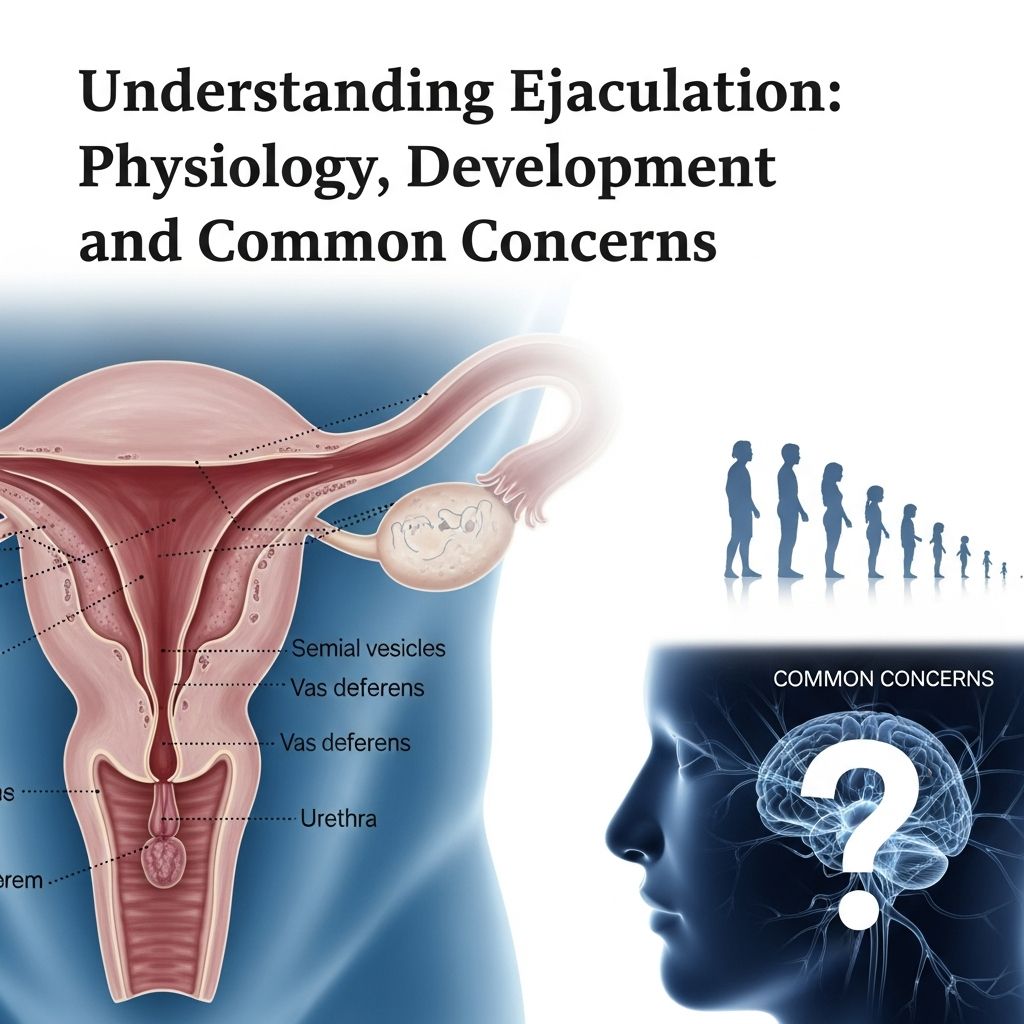
What Is Ejaculation?
Ejaculation is the process by which semen is expelled from the penis during sexual arousal or orgasm. This natural biological function is a key part of male reproductive health and sexual development. Ejaculation typically involves the release of semen, which is a mixture of sperm and fluids from the seminal vesicles, prostate, and other glands. The process is controlled by the nervous system and involves a series of coordinated muscle contractions that propel semen out of the body.
How Ejaculation Works
Ejaculation is a complex process that occurs in two main phases: emission and expulsion.
- Emission: During this phase, sperm from the testes are moved into the vas deferens and mixed with fluids from the seminal vesicles and prostate. This mixture forms semen, which is then pushed into the urethra. The bladder neck closes to prevent semen from entering the bladder.
- Expulsion: In the expulsion phase, rhythmic contractions of the pelvic muscles force semen out of the penis through the urethra. These contractions are involuntary and occur at regular intervals, typically lasting several seconds.
Development During Puberty
For most males, the first ejaculation occurs about 12 to 24 months after the onset of puberty, often through masturbation or nocturnal emissions (commonly known as wet dreams). Early ejaculations may produce small volumes of clear fluid, and the semen may not liquefy as it does in mature males. Over time, the volume and consistency of semen change, reflecting the ongoing development of the reproductive system.
Common Ejaculation Concerns
Many males experience questions or concerns about ejaculation, especially during adolescence. Some common issues include:
- Frequency: There is no set number of times a person should ejaculate. Ejaculation frequency varies widely among individuals and can be influenced by age, health, and sexual activity.
- Orgasm vs. Ejaculation: It is possible to have an orgasm without ejaculating, and vice versa. Orgasm is a sensation of pleasure, while ejaculation is the physical release of semen.
- Pre-ejaculate: Before ejaculation, the penis may release a small amount of clear fluid called pre-ejaculate. This fluid helps neutralize acidity in the urethra and can sometimes contain sperm.
Health Benefits and Risks
Regular ejaculation is associated with several health benefits, including a reduced risk of prostate cancer and improved sexual health. However, certain conditions can affect ejaculation, such as:
- Premature Ejaculation: Ejaculation occurs sooner than desired, often before or shortly after penetration.
- Delayed Ejaculation: Difficulty reaching ejaculation despite adequate sexual stimulation.
- Retrograde Ejaculation: Semen enters the bladder instead of exiting through the penis, often due to nerve or muscle issues.
FAQs About Ejaculation
| Question | Answer |
|---|---|
| Can you ejaculate without an orgasm? | Yes, it is possible to ejaculate without experiencing an orgasm. |
| Is it normal to have wet dreams? | Yes, wet dreams are a normal part of sexual development during puberty. |
| Does ejaculation frequency affect health? | Regular ejaculation is linked to some health benefits, but there is no set ideal frequency. |
| Can pre-ejaculate cause pregnancy? | Pre-ejaculate can contain sperm and may lead to pregnancy, so protection is important. |
Conclusion
Ejaculation is a natural and essential part of male sexual health. Understanding the process, its development, and common concerns can help individuals navigate their sexual development with confidence and knowledge. If you have persistent concerns or questions, consulting a healthcare professional is always recommended.