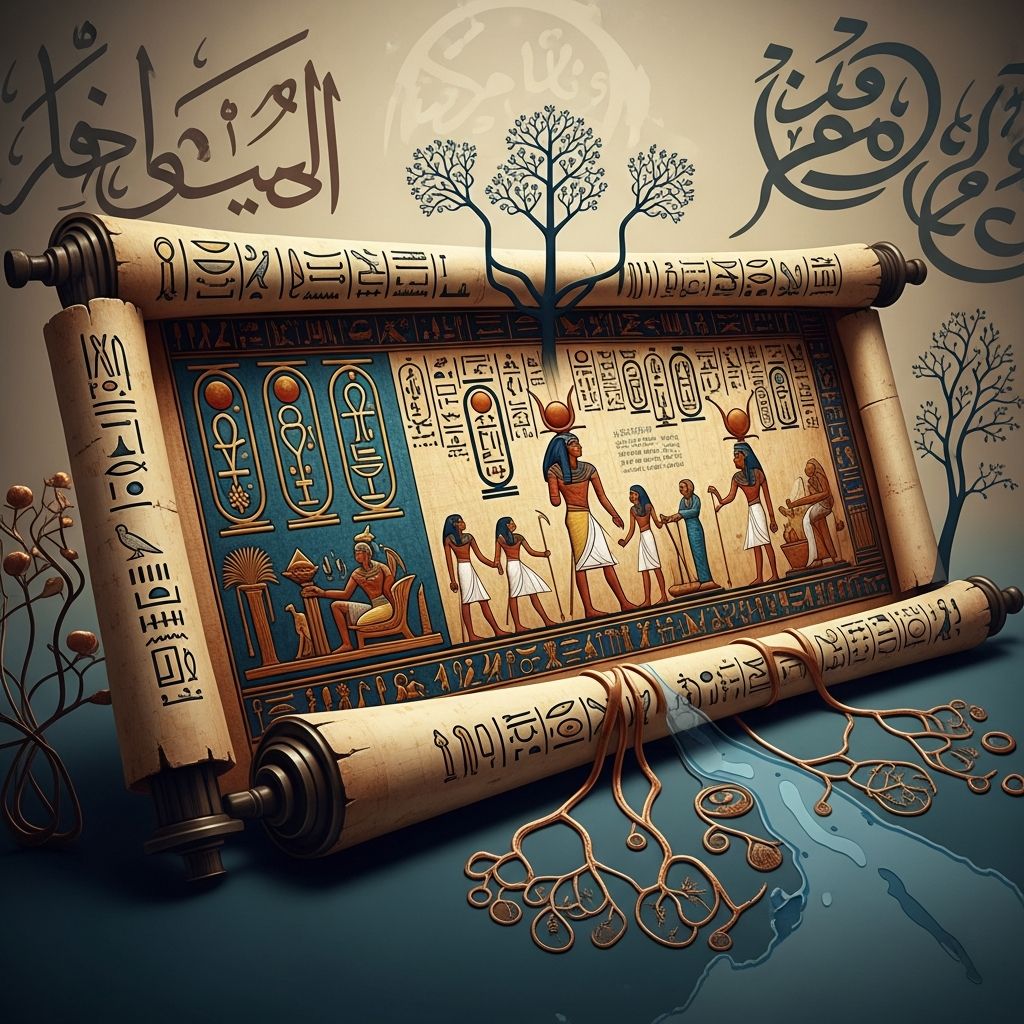
Introduction to Egyptian Last Names
Egyptian last names are more than just identifiers—they are living pieces of history, culture, and identity. Each surname carries a story, reflecting the values, beliefs, and traditions of Egypt’s diverse heritage. From names rooted in ancient dynasties to those shaped by modern influences, Egyptian surnames reveal the country’s complex past and ongoing evolution.
Historical Roots of Egyptian Surnames
The origins of Egyptian last names stretch back thousands of years, with many families still holding on to names passed down through generations. In ancient times, people often had only one name, but as society evolved, the need for family identifiers grew. The practice of using patronymics—names based on the father’s or grandfather’s name—became common, especially among the elite and priestly classes.
- Ancient Egyptians often used names that referenced gods, such as Amun, Mut, or Khons, reflecting their religious beliefs.
- Names like Amenhotep, Cleopatra, and Imhotep were borne by pharaohs and queens, and some of these names persist in modern Egyptian families.
- During periods of foreign rule, names from Greek, Turkish, and Arabic cultures were adopted, enriching the pool of Egyptian surnames.
Meaning and Symbolism in Egyptian Last Names
Egyptian last names often carry deep meanings, reflecting qualities, professions, or aspirations. Many names are derived from Arabic, Coptic, or ancient Egyptian roots, and their meanings can provide insight into family history and cultural values.
- Names like Abbas (lion) and Abdallah (servant of God) symbolize strength and piety.
- Barakat means “blessings” or “prosperity,” while Farag means “relief” or “ease after hardship.”
- Some names, such as Al-Masry, express national pride, meaning “the Egyptian.”
Modern Influences and Naming Customs
Today, Egyptian last names reflect a blend of tradition and modernity. While many families maintain ancient or religious names, others have adopted names influenced by global cultures, especially due to migration and intermarriage.
- Names beginning with Al- or El- are common, such as Al-Qadhafi or El-Sayed.
- Some families use honorifics like Abu (father of) or Umm (mother of), followed by the eldest child’s name, to denote family roles.
- Christian Egyptians may use names derived from saints or biblical figures, such as Buṭrus (Peter) or George.
Common and Rare Egyptian Last Names
Egyptian surnames range from widely used to rare and unique. Some names are found throughout the country, while others are specific to certain regions or families.
| Name | Meaning | Origin |
|---|---|---|
| Abaza | Circassian heritage | Historical |
| Akl | Mind or intellect | Arabic |
| Farouk | Distinguishes right from wrong | Arabic |
| Guirguis | Farmer or earth-worker | Coptic |
| Ghalioun | Historical merchant roots | Arabic |
Evolution and Adaptation of Surnames
Egyptian last names have evolved over time, adapting to changes in language, religion, and society. Migration and globalization have led to variations in spelling and pronunciation, especially as families move abroad or interact with other cultures.
- Names may change when families migrate, reflecting new languages or writing systems.
- Some surnames have been shortened or altered for ease of use in international contexts.
- Despite these changes, many Egyptians strive to preserve the original meaning and heritage of their family names.
FAQs About Egyptian Last Names
Do Egyptian last names differ between men and women?
Generally, Egyptian last names remain the same for both men and women, though first names and honorifics may vary by gender.
Are there regional differences in Egyptian surnames?
Yes, certain names are more common in specific regions, reflecting local history, religion, or ethnic influences.
How do Egyptian last names reflect cultural identity?
Egyptian last names often reflect family heritage, religious beliefs, and national pride, serving as a link to the past and a marker of identity.
Can Egyptian last names change over time?
Yes, names can evolve in spelling or pronunciation, especially when families migrate or adapt to different languages and writing systems.
What are some examples of ancient Egyptian last names?
Examples include Amenhotep, Cleopatra, Imhotep, and Nefertiti, all of which were borne by pharaohs and queens.