The egg retrieval procedure represents a pivotal moment in in vitro fertilization (IVF) and egg freezing cycles, where mature eggs are collected from the ovaries for fertilization or preservation. This minimally invasive process, guided by ultrasound, typically lasts 15-30 minutes under sedation and enables multiple eggs to be harvested to boost success rates in fertility treatments.
Preparing Your Body: Ovarian Stimulation Phase
Before egg retrieval, patients undergo ovarian stimulation to produce multiple viable eggs, far beyond the single egg released in a natural cycle. Fertility specialists prescribe daily injectable hormones, such as follicle-stimulating hormone (FSH) and luteinizing hormone (LH) analogs, for about 8-14 days to encourage follicle growth in the ovaries.
Monitoring is intensive during this phase. Regular transvaginal ultrasounds measure follicle size—ideally 18-22 mm for maturity—while blood tests track estrogen levels and other hormones. This data helps adjust medication dosages to optimize egg quality and quantity.
- Follicle development: Each follicle houses one egg, visible as fluid-filled sacs on ultrasound.
- Medication schedule: Self-administered subcutaneous injections, often twice daily.
- Common side effects: Bloating, mood swings, or mild ovarian enlargement due to hormone surges.
Once 3-5 follicles reach optimal size, a trigger injection—typically human chorionic gonadotropin (hCG) or a GnRH agonist—is administered precisely 35-36 hours before retrieval. This mimics the natural LH surge, prompting final egg maturation and detachment from follicle walls.
Day-of Procedure: What Happens Step by Step
On retrieval day, arrive at the fertility clinic early, fasted since midnight. A nurse conducts intake: vital signs, IV placement for fluids and sedation, and reviews with the reproductive endocrinologist and anesthesiologist.
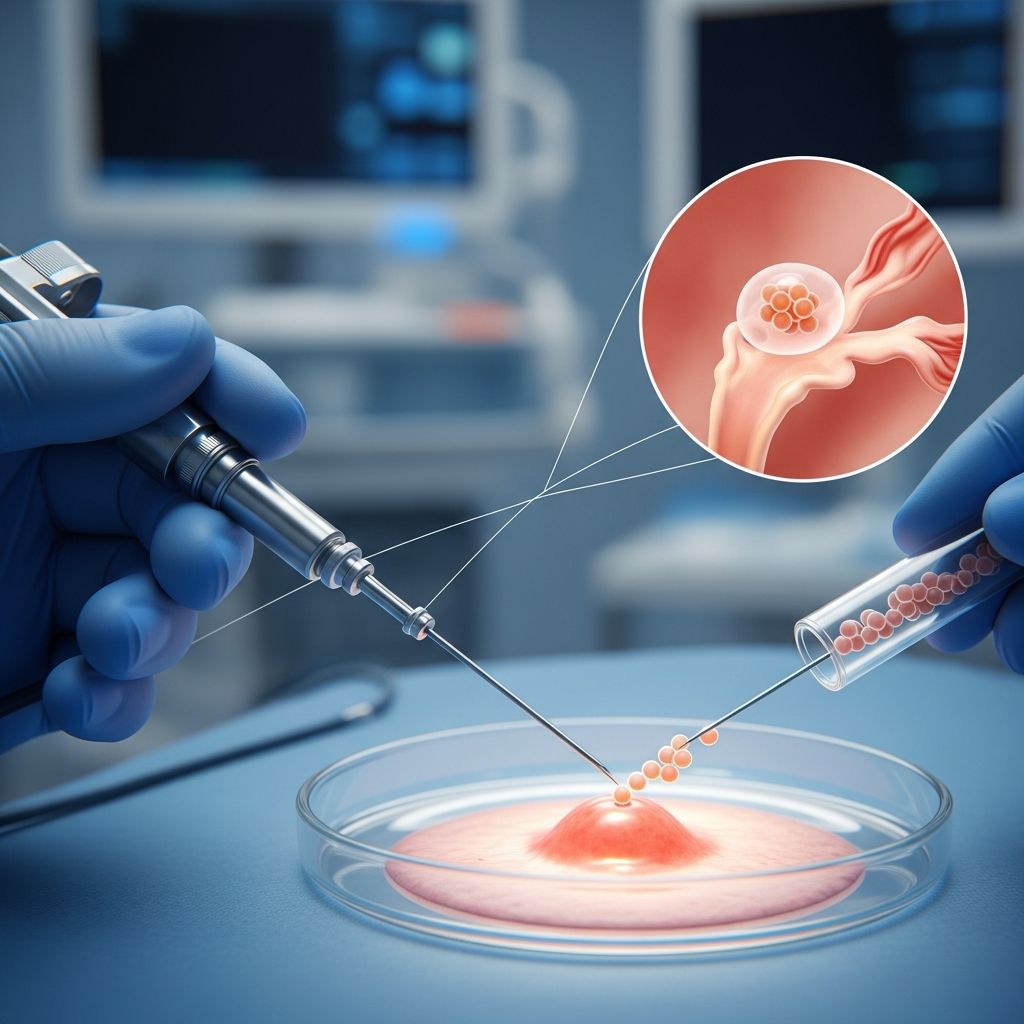
The procedure occurs in a sterile operating room. Positioned in stirrups, the vaginal area is cleansed. A transvaginal ultrasound probe is inserted, displaying ovaries on a screen. Under real-time guidance, a thin needle (about 16-18 gauge) passes through the vaginal wall into each ovary’s follicles.
Follicular fluid is aspirated via suction; eggs, now floating freely post-trigger, are drawn out with the fluid. The process repeats across both ovaries, collecting 10-20 eggs on average, depending on age, ovarian reserve, and response.
| Procedure Timeline | Details |
|---|---|
| Prep (15-30 min) | IV sedation, ultrasound setup, positioning. |
| Retrieval (10-30 min) | Needle aspiration of 10-40 follicles per ovary. |
| Lab processing (immediate) | Embryologists isolate eggs in culture media. |
Sedation is typically conscious or IV twilight anesthesia, ensuring no pain or recall while breathing independently. Patients feel nothing during the 15-20 minute core procedure.
Behind the Scenes: Embryology Lab Work
Collected fluid rushes to the adjacent IVF lab. Embryologists scan it under microscopes, identifying eggs within cumulus complexes (surrounding cells). Mature eggs (MII stage) are rinsed, cultured in optimized media, and incubated at 37°C with precise CO2 and humidity.
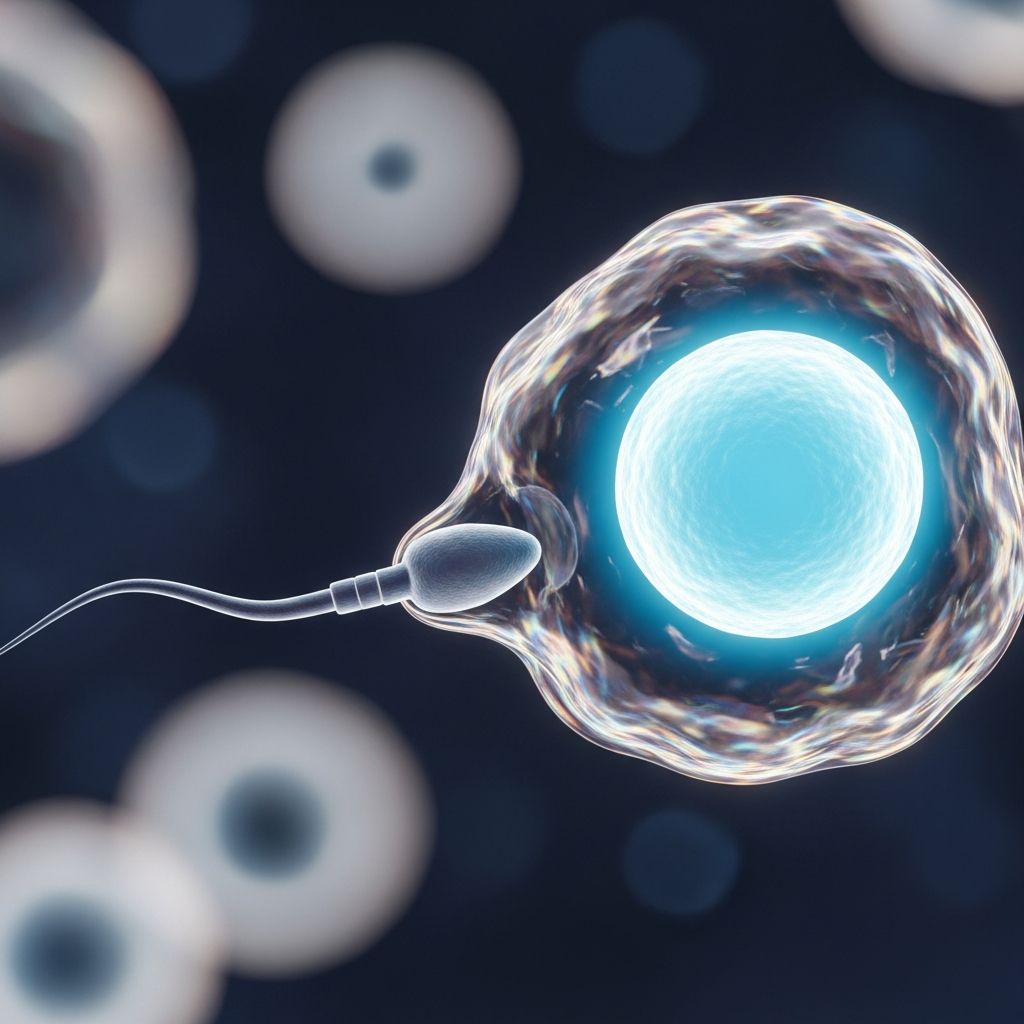
For IVF, eggs meet sperm via standard insemination or intracytoplasmic sperm injection (ICSI). Fertilization is confirmed 16-18 hours later. For egg freezing, mature eggs undergo vitrification—ultra-rapid freezing in liquid nitrogen—for future thawing with high survival rates (>90%).
Immediate Recovery and Post-Procedure Care
Post-retrieval, transfer to recovery for 1-2 hours. Expect grogginess, cramping (like intense period pain), light spotting, or constipation from anesthesia. Vitals are monitored; pain meds like acetaminophen or ibuprofen are offered.
Discharge instructions include:
- Rest for 24-48 hours; no driving.
- Hydrate, eat light; avoid strenuous activity for 1 week.
- Watch for severe pain, heavy bleeding, fever (>100.4°F), or one-sided pain signaling ovarian torsion (rare emergency).
- Resume normal activities gradually; intercourse OK after 1 week unless advised otherwise.
Full recovery takes 3-5 days. Many report bloating from stimulated ovaries, resolving in 1-2 weeks as hormones normalize.
Risks, Complications, and Success Factors
Egg retrieval is safe, with complications in <1% of cases. Potential issues include:
- Infection: <0.2%, prevented by sterile technique.
- Bleeding: Minor vaginal spotting common; severe rare (<0.1%).
- Ovarian hyperstimulation syndrome (OHSS): Fluid buildup in 1-5%; severe in <1%.
- Anesthesia risks: Minimal with monitored sedation.
Success hinges on age (younger yields more/better eggs), baseline AMH/FSH, lifestyle (no smoking), and clinic expertise. Average yield: 10-15 eggs under 35; fewer post-40.
Alternatives and Emotional Considerations
Not all cycles proceed to retrieval; some cancel if response is poor. Natural cycle IVF skips stimulation for one egg. Mini-IVF uses lower doses.
Emotionally, it’s a milestone laced with hope and anxiety. Support groups, counseling, and partner involvement aid coping. Post-retrieval, focus shifts to fertilization reports (day 1) and embryo updates (day 3/5).
Frequently Asked Questions (FAQs)
Is egg retrieval painful?
No, deep sedation ensures no pain. Post-procedure cramping is manageable with OTC meds.
How many eggs are retrieved typically?
8-15 on average, varying by age and ovarian reserve. Quality trumps quantity.
Can I go back to work right after?
Take 1-2 days off; desk jobs OK sooner, but avoid lifting/heavy exertion.
What if no mature eggs are found?
Rare; cycle may repeat or pivot to donor eggs. Embryologists assess immediately.
Does egg retrieval affect future fertility?
No evidence; ovaries regenerate follicles monthly.
When is embryo transfer after retrieval?
Day 3-6 for fresh; frozen cycles later.
Long-Term Outcomes and Next Steps
Post-retrieval, embryos develop to blastocyst stage for genetic testing (PGT) if desired. Transfer follows, with pregnancy tests 10-14 days later. Frozen eggs/embryos offer flexibility for future cycles.
IVF success rates: 50-60% live birth per transfer under 35, per CDC data. Egg retrieval is ~500,000 annually worldwide, with improving tech like AI embryo selection.
Consult a board-certified specialist for personalized odds. This procedure empowers family-building dreams through science-backed precision.
References
- The Egg Retrieval Procedure — NYU Langone Reproductive Specialists of New York. 2023. https://www.fertilityrsny.org/egg-retrieval-procedure
- IVF Egg Retrieval, In Vitro Egg Aspiration Process — Advanced Fertility Center of Chicago. 2024. https://www.advancedfertility.com/ivf-in-detail/egg-aspiration
- Egg Retrieval Process: What To Expect — Pacific Fertility Center Los Angeles. 2023. https://www.pfcla.com/blog/egg-retrieval-process-what-to-expect
- The Process of IVF | Step By Step — Monash IVF. 2024. https://monashivf.com/services/fertility-treatment-options/the-ivf-process/
- IVF Process Day by Day — CCRM Fertility. 2024. https://www.ccrmivf.com/fertility/ivf-process/
- IVF treatment – Step 2: Egg collection — Guy’s and St Thomas’ NHS Foundation Trust. 2023-07-01. https://www.guysandstthomas.nhs.uk/health-information/ivf-treatment/step-2-egg-collection
- Oocyte (egg) retrieval — Emory School of Medicine. 2024. https://med.emory.edu/departments/gynecology-obstetrics/patient-care/patient-education/oocyte-retrieval/index.html
- IVF (In Vitro Fertilization): Procedure & How It Works — Cleveland Clinic. 2024. https://my.clevelandclinic.org/health/treatments/22457-ivf