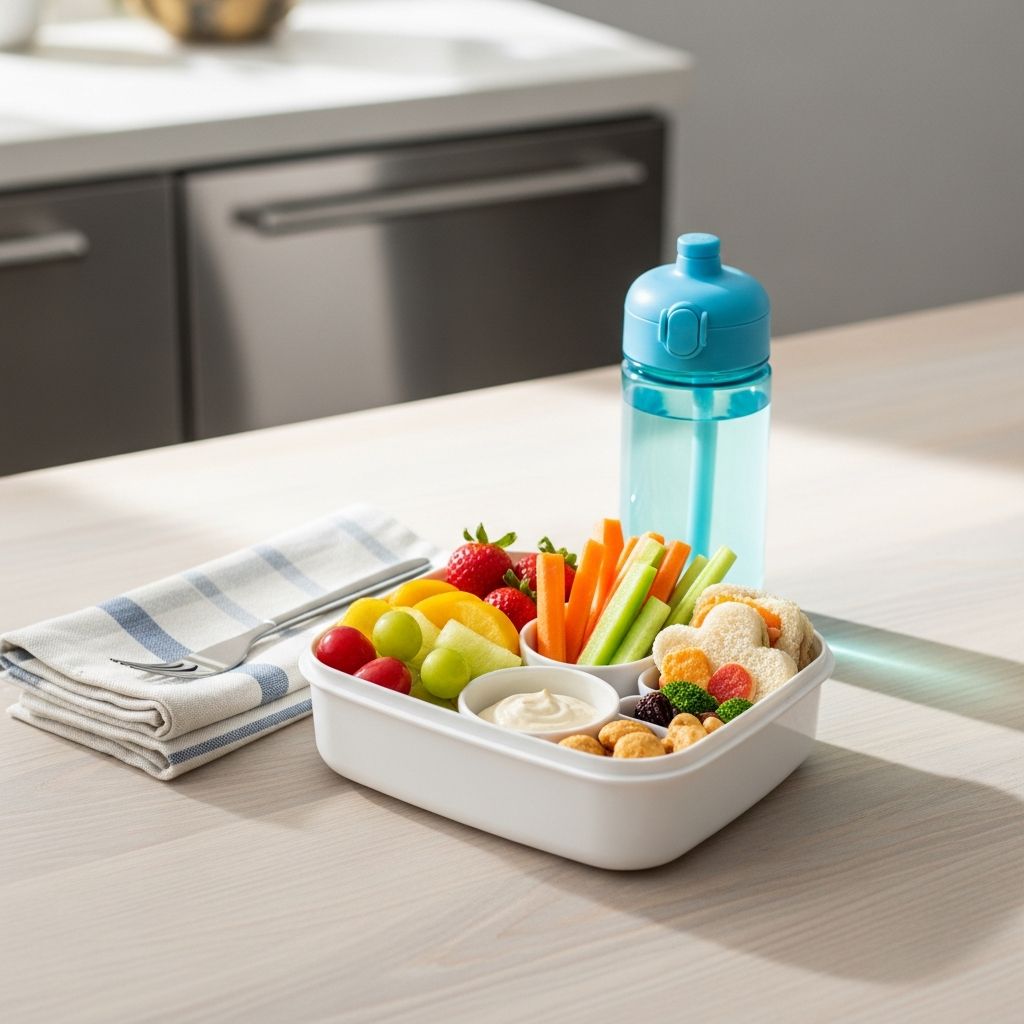
Transforming Lunch Preparation Into a Manageable Daily Task
The morning rush presents one of the most challenging periods for families with school-aged children. Among the various responsibilities competing for attention, preparing nutritious lunch boxes often becomes an overwhelming obstacle. However, with intentional planning and strategic organization, this daily task can transition from a source of frustration into a smoothly executed routine. The key lies not in elaborate preparations or Pinterest-worthy presentations, but rather in establishing systems that work consistently for your household.
Understanding that lunch packing need not be complicated forms the foundation for success. Many parents feel pressured to create visually impressive meals, yet the primary objective remains ensuring children receive balanced nutrition in a convenient format. By adopting straightforward methodologies and eliminating unnecessary complexity, families can reclaim valuable time while maintaining nutritional standards.
Establishing a Foundational Nutritional Framework
Rather than reinventing lunch contents daily, implementing a consistent nutritional structure streamlines decision-making significantly. A balanced lunch should incorporate four essential components working together to provide sustained energy and proper nutrition throughout the school day.
The foundational framework consists of:
- Protein sources – including options like deli meats, cheese, yogurt, nuts, and legumes
- Fresh produce – both vegetables and fruits to ensure adequate fiber and micronutrients
- Whole grains – such as bread, crackers, or pasta-based items for sustained energy
- Additional components – which may include dairy products, healthy fats, or prepared snacks
Utilizing compartmentalized lunch containers proves invaluable when implementing this framework. The physical division of lunch box sections serves as a visual reminder of balanced nutrition requirements, making the packing process intuitive and eliminating the need for extensive planning. Parents can simply designate each section for its corresponding food category and proceed with packing, knowing the nutritional bases are covered.
Creating a Sustainable Weekly Rotation System
Rather than determining lunch contents spontaneously each morning, establishing a weekly rotation provides structure while maintaining variety. This approach prevents the monotony that develops from repetitive lunch patterns while simultaneously simplifying the mental labor required for decision-making.
A practical weekly framework might include:
- Monday – Bento-style containers with varied proteins and produce
- Tuesday – Pasta or grain-based bowls with protein and vegetables
- Wednesday – Combination platters with multiple small items
- Thursday – Wrap or roll-based presentations
- Friday – Interactive options where children help assemble components
This rotation ensures nutritional diversity while reducing the cognitive load of lunch planning. Children benefit from exposure to varied foods throughout the week, potentially expanding their palate and reducing food monotony complaints. Simultaneously, parents can focus their shopping and preparation efforts around these established categories rather than seeking novel options perpetually.
Implementing Pre-Preparation and Batch Processing Strategies
The evening preceding school days represents an optimal preparation window. Rather than rushing through lunch assembly during morning chaos, dedicating time to advance preparation fundamentally transforms the morning experience. Consider executing significant portions of lunch preparation while dinner cleanup occurs, capitalizing on kitchen activity that’s already underway.
Effective pre-preparation includes:
- Washing and chopping vegetables for multiple days simultaneously
- Portioning proteins into individual servings using reusable containers
- Pre-filling beverage containers with milk or other drinks
- Assembling complete lunch boxes when time permits, storing them refrigerated overnight
- Preparing grab-and-go snack options in advance
Batch processing extends preparation efficiency by handling multiple lunch boxes simultaneously. When one component—such as cheese cutting or veggie washing—is underway, completing this task for several days’ worth of meals requires minimally more effort than preparing a single day’s lunch. This approach capitalizes on setup time and workflow momentum, maximizing productivity within each work session.
Organizing Refrigeration and Pantry Systems for Accessibility
Strategic storage organization dramatically accelerates morning packing procedures. When lunch components occupy predetermined locations requiring minimal searching, the assembly process becomes substantially faster. Creating a dedicated lunch preparation zone within kitchen storage eliminates the need to ransack the refrigerator searching for specific ingredients.
Recommended organizational strategies include:
- Refrigerator bin system – Consolidating all perishable lunch items in a single accessible container
- Sandwich assembly station – Grouping all bread, spreads, proteins, and condiments together for rapid combination
- Beverage preparation area – Pre-chilling bottles and maintaining this section with morning-ready drinks
- Pantry shelf dedication – Establishing a lower shelf with shelf-stable lunch components for easy access
Proximity to the primary food preparation area proves essential. When lunch supplies remain scattered throughout the kitchen, locating necessary items consumes disproportionate morning time. Consolidating everything within arm’s reach of the packing station creates efficiency that compounds daily.
Selecting and Maintaining Appropriate Equipment and Containers
The quality and organization of lunch packing supplies directly correlates with the ease of daily execution. When searching for missing containers or struggling with inadequate equipment, frustration escalates rapidly. Conversely, having reliable, accessible supplies transforms packing into an efficient procedure requiring minimal frustration.
Essential lunch packing supplies include:
- Multiple durable lunch boxes with internal compartments
- Various sized food storage containers and reusable plastic bags
- Insulated lunch bags or boxes with reliable cooling capabilities
- Reliable ice packs or cooling elements
- Beverage containers and thermoses for temperature maintenance
- Utensils, napkins, and disposable items as needed
- Labeling supplies for easy identification
Storing these supplies in a central location—preferably a cabinet or drawer positioned directly adjacent to the lunch packing zone—eliminates wasted time during morning preparation. Establishing this hub transforms the packing process from a search-and-gather exercise into a streamlined assembly operation.
Maintaining Food Safety During Storage and Transport
Proper food safety practices ensure children receive lunches that remain safe for consumption throughout the school day. Temperature maintenance represents the critical consideration in preventing foodborne illness and maintaining nutritional integrity.
Essential food safety practices include:
- Maintaining separation between hot foods and cold items using appropriate containers
- Utilizing insulated lunch boxes or bags with adequate cooling elements
- Preheating thermos containers before filling with hot items
- Never leaving perishable foods at room temperature for extended periods
- Using freezer bags as supplementary cooling elements when ice packs prove insufficient
Children selecting paper lunch bags over traditional lunch boxes should use double-bagging techniques to extend insulation effectiveness and prevent bag degradation. These seemingly small practices collectively ensure food safety while maintaining the nutritional benefits of carefully prepared meals.
Empowering Children to Participate in Lunch Preparation
Involving children in lunch preparation accomplishes multiple objectives simultaneously—reducing parental workload while developing valuable life skills and fostering independence. Age-appropriate involvement transforms lunch packing from solely an adult responsibility into a collaborative family task.
Child participation opportunities include:
- Selecting components from pre-prepared options
- Arranging items within compartmentalized containers
- Assembling simple components like sandwich construction
- Packing non-perishable items and selecting snacks
- Maintaining responsibility for lunch box retrieval and daily cleanup
Arranging supplies at child-accessible heights—utilizing lower refrigerator shelves and kitchen cabinets—facilitates independent participation. When children can retrieve needed items without adult assistance, they develop autonomy while simultaneously reducing parental involvement in daily assembly.
Using Nutritional Frameworks for Consistent Balanced Meals
Rather than approaching lunch components as isolated selections, implementing a systematic nutritional framework ensures balanced meals consistently. This approach simplifies decision-making while maintaining nutritional standards across varying lunch types.
A practical framework incorporates:
- Primary protein and fat source
- Whole grain or carbohydrate element
- Fresh fruit component
- Vegetable element for fiber and micronutrients
- Crunchy or textural component for eating interest
- Optional sweet component in appropriate portions
Single items often fulfill multiple framework requirements simultaneously. For example, a peanut butter and banana sandwich encompasses protein, fat, grain, and fruit categories in a single component. By recognizing these nutritional overlaps, parents can simplify meal composition while ensuring adequate nutritional diversity throughout the week.
Building a Strategic Pantry of Shelf-Stable Lunch Components
Maintaining a well-stocked pantry with shelf-stable options provides flexibility when fresh ingredient availability fluctuates or morning preparation extends beyond planned timeframes. These backup items prevent lunch preparation from derailing when unexpected circumstances arise.
Recommended shelf-stable lunch items include:
- Canned or packaged proteins including tuna, chicken, and beans
- Whole grain crackers and bread options
- Dried fruits and nuts
- Packaged puddings and applesauces
- Canned fruits in natural juices
- Protein-rich snacks like jerky or seed crackers
These components enable lunch assembly even when fresh options prove limited, ensuring consistent meal provision regardless of shopping schedule interruptions or ingredient availability challenges.
Maximizing Efficiency Through Equipment and Supply Investment
Strategic investments in quality lunch packing equipment generate returns through time savings and reduced daily frustration. The right tools fundamentally change the lunch preparation experience from burdensome to manageable.
Key equipment investments include:
- Compartmentalized lunch boxes eliminating the need for extensive planning
- Quality reusable storage containers with secure sealing
- Reliable insulated bags maintaining temperature stability
- Dishwasher-safe labels for easy container identification
- Multiple ice packs enabling adequate cooling capacity
- Thermos containers for hot food maintenance
While initial equipment investment requires financial outlay, the efficiency gains and reduced daily stress provide substantial returns across the school year.
Adjusting Strategies as Children Grow and Preferences Evolve
Lunch strategies require periodic adjustment as children age and develop changing nutritional needs and taste preferences. Maintaining flexibility within established systems allows for evolution without complete restructuring. What works for elementary-aged children may require modification for adolescents with increased caloric needs and expanding food preferences.
Regular strategy reassessment should address:
- Changing nutritional requirements as children grow
- Evolving food preferences and taste development
- Children’s increasing independence in food selection and preparation
- School schedule changes affecting lunch timing and thermal requirements
- Introduction of new food groups based on developing maturity
Frequently Asked Questions About School Lunch Packing
Q: How can I ensure lunches remain adequately cooled throughout the school day?
A: Utilize quality insulated lunch bags or boxes with reliable ice packs. Consider preheating thermos containers before filling and using freezer bags as supplementary cooling elements. Ensure perishable items aren’t exposed to warm temperatures for extended periods.
Q: What should I include in a nutritionally balanced school lunch?
A: Follow the foundational framework of protein, fresh vegetables, fruit, and whole grains. One item can fulfill multiple nutritional requirements—for example, a peanut butter sandwich provides protein, fat, and grains simultaneously.
Q: How can I involve my child in lunch preparation?
A: Arrange supplies at child-accessible heights, allow children to select from pre-prepared options, and assign age-appropriate assembly tasks. Start with simple responsibilities like selecting snacks and gradually increase involvement as abilities develop.
Q: What are the best containers for school lunches?
A: Compartmentalized bento-style lunch boxes work exceptionally well as they eliminate the need for extensive planning and simplify portion sizing. Cupcake liners can further divide sections when additional separation is needed.
Q: How should I organize supplies for efficient lunch packing?
A: Consolidate all lunch packing supplies in a central location adjacent to your primary food preparation area. Maintain a refrigerator bin system for perishable items and establish a dedicated pantry shelf for shelf-stable components.
References
- Five Tips for Easy School Lunch Packing — What Lisa Cooks. 2024. https://www.whatlisacooks.com/school-lunch/tips-for-easy-school-lunch-packing
- Time to Pack School Lunches: Tips on Packing a Safe School Lunch — University of Arkansas Cooperative Extension Service. 2024. https://www.uaex.uada.edu/counties/miller/news/fcs/food-safety-preservation-appliances
- Help Kids Pack School Lunch With This Lunchbox List — Prenda. 2024. https://www.prenda.com/post/the-easiest-way-to-help-kids-pack-their-own-school-lunch
- 5 Tips For Painless Lunch Packing — Live Simply by Annie. 2024. https://www.livesimplybyannie.com/tips-for-lunch-packing/
- My Top 5 Hacks for Packing School Lunches — One Lovely Life. 2024. https://www.onelovelylife.com/hacks-for-packing-school-lunches/
- 8 Lunch Box Hacks To Make Life Easier — Real Mom Nutrition. 2024. https://www.realmomnutrition.com/8-lunch-box-hacks-to-make-life-easier/
- My Lunchbox-Packing Cheat Sheet — What To Cook Newsletter. 2024. https://whattocook.substack.com/p/my-lunchbox-packing-cheat-sheet