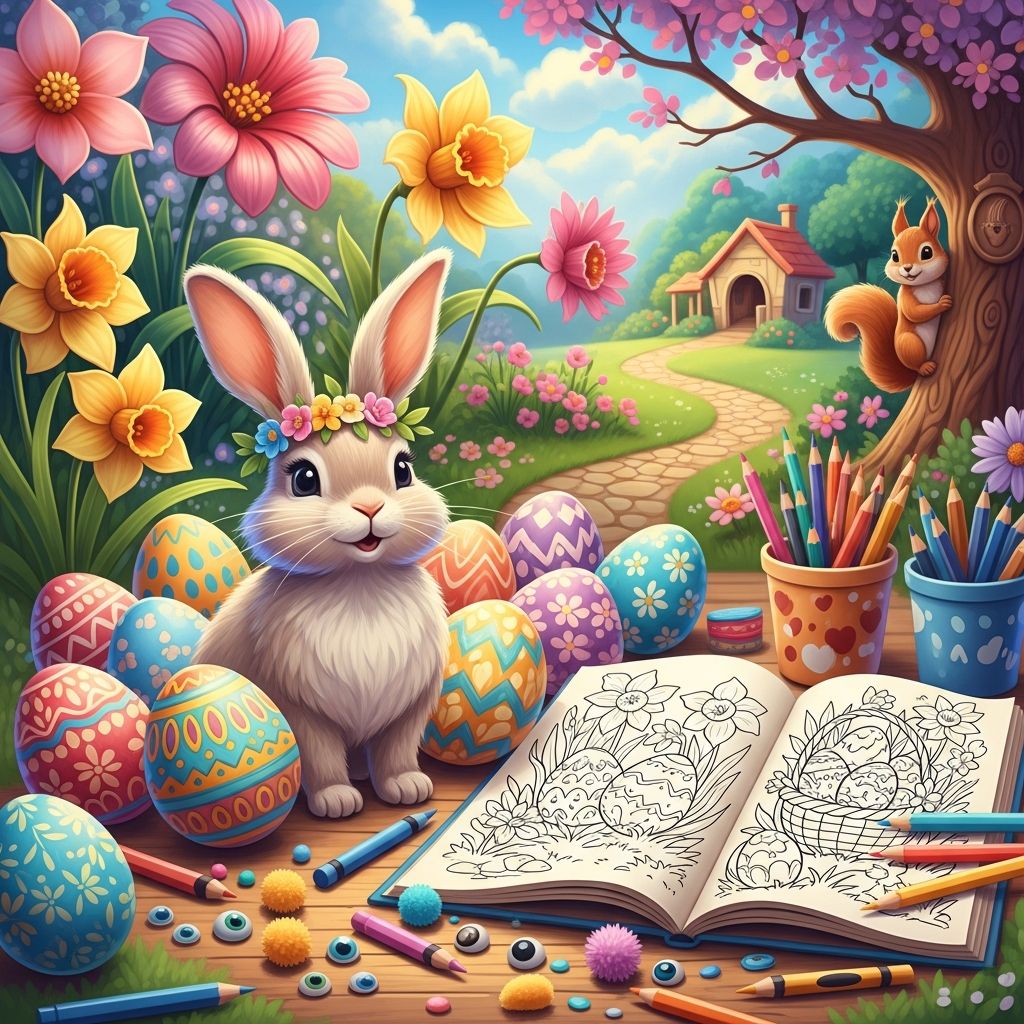
Easter bunny coloring pages are more than a quick holiday distraction 6 they can spark imagination, build skills, and create sweet seasonal memories for the whole family. With a little planning, you can turn simple bunny outlines into art projects, learning games, and keepsakes your kids will treasure.
Why Easter Bunny Coloring Pages Are So Appealing
The Easter bunny is a friendly, familiar symbol that feels playful rather than formal, which helps even very young children feel comfortable joining in. Soft shapes, cheerful expressions, and springtime details invite kids to experiment with colors, textures, and patterns.
Because bunny pages can be as simple or as detailed as you like, they work equally well for toddlers just learning to hold crayons and older kids who enjoy shading, blending, and adding intricate designs. This flexibility makes them a go-to activity for families, classrooms, and church groups with a wide mix of ages.
Types of Easter Bunny Coloring Pages to Try
Before you print, think about the age group and how you plan to use the pages. Choosing the right style can turn a basic sheet of paper into a ready-made activity station.
Simple Bunnies for Toddlers
- Large, thick outlines that are easy to stay inside.
- Minimal background details so the bunny remains the focus.
- Plenty of open space for big, sweeping crayon strokes.
For children under three, prioritize bold lines and sturdy paper. You can also tape the page to the table to keep it from sliding while they color.
Storybook Scenes for Preschoolers
- Bunnies hiding eggs in the grass or peeking from behind a tree.
- Simple landscapes such as hills, flowers, and clouds.
- Friendly extras like baby chicks, butterflies, or baskets.
Scenes like these encourage kids to talk about what is happening in the picture, which helps with language development and storytelling skills.
Detailed Designs for Older Kids
- Bunnies filled with patterns like swirls, flowers, and geometric shapes.
- Mandala-style eggs with a rabbit in the center.
- More realistic rabbits with shading guides and textured fur.
These intricate pages are great for quiet time, and they also work well for adults who want a relaxing coloring break alongside the kids.
Creative Ways to Use Bunny Coloring Pages at Home
Once you have a stack of printables, the fun is just beginning. Coloring pages can become cards, decorations, games, and more with just a few extra steps.
Turn Pages into Easter Décor
Instead of buying all-new decorations, invite your children to help dress up the house with their art. Displaying their creations boosts confidence and makes the holiday feel more personal.
- Bunny bunting: Cut out colored bunnies, punch a small hole in each ear, and string them on yarn or ribbon to hang across a mantle or window.
- Framed mini-gallery: Slip finished pages into inexpensive frames and create a temporary “art show” in your hallway or entryway.
- Table toppers: Laminate pages or cover them with clear contact paper to use as placemats during Easter brunch.
Make Personalized Easter Cards
Coloring pages can quickly transform into unique greeting cards for grandparents, neighbors, or teachers. This is a simple way to teach kids about gratitude and giving.
- Print pages at half size so they fold neatly into cards.
- Help kids write a short message inside and sign their names.
- Add stickers, washi tape, or glitter glue as finishing touches.
Use Coloring Pages for Calm-Time Routines
If your household feels busy during the holidays, building a quiet coloring block into the day can be surprisingly soothing. The repetitive motion of coloring helps many children unwind and refocus.
- Offer a choice of two or three bunny pages to avoid overwhelm.
- Play soft music or an audiobook while everyone colors together.
- Keep a special basket of crayons or markers that only comes out for this routine so it feels special.
Skill-Building Benefits of Bunny Coloring
Coloring is fun, but it also quietly supports your child’s development. Easter-themed pages make it easy to sneak in practice without it feeling like schoolwork.
| Skill Area | How Coloring Helps | Simple Ideas to Try |
|---|---|---|
| Fine motor control | Holding crayons, markers, or colored pencils strengthens the small muscles in hands and fingers. | Offer broken crayons or short pencils that encourage a proper grip. |
| Color recognition | Children practice naming and selecting colors while they work. | Ask them to “find a blue crayon for the sky” or “choose a color for the bunny’s bow.” |
| Focus and patience | Completing a page requires attention to detail and perseverance. | Set small goals, like finishing just the bunny first, then the background. |
| Creativity | Kids experiment with unexpected color combinations and patterns. | Encourage “rainbow rabbits” and patterned eggs instead of insisting on realistic colors. |
| Early math & reading | Numbered sections, hidden letters, or simple words can sneak in basic academics. | Use color-by-number or color-by-letter bunny pages for extra practice. |
Classroom and Group Ideas with Bunny Printables
Easter bunny coloring pages are handy for teachers, homeschool parents, and group leaders because they require minimal prep and can be adapted to many ages. A few thoughtful tweaks can turn a basic sheet into a full-fledged activity center.
Color-and-Write Stations
Pair each coloring page with a short writing prompt tailored to your learners. Younger children can dictate their stories while older kids write independently.
- “My bunny’s favorite snack is…”
- “If I could follow the Easter bunny for a day, I would see…”
- “The bunny hid my egg in a very silly place. It was…”
Cooperative Mural Project
Instead of printing a page for every student, give small groups oversized paper and have them design one giant bunny scene together. This encourages collaboration and communication.
- Assign simple roles like “bunny designer,” “egg artist,” and “background helper.”
- Provide a variety of coloring tools so each child can contribute in their preferred way.
- Hang the finished mural in a hallway or common space for others to enjoy.
Quick Early-Finisher Activities
Keep a folder of bunny pages at the ready for students who complete tasks early. This helps maintain a calm classroom environment and keeps kids happily engaged.
- Offer different difficulty levels, from simple outlines to pattern-heavy designs.
- Let students keep a personal “Easter art portfolio” to store their finished work.
Fun Games Using Easter Bunny Coloring Pages
Coloring sheets can double as props and game boards when you add a few simple rules. These activities are perfect for parties or family gatherings where you want kids to play together.
Bunny Bingo
Create a bingo-style game using various bunny poses and accessories. Each square on the card features a small black-and-white bunny image that kids color as it is called.
- Fill the grid with images like “bunny with basket,” “bunny jumping,” or “bunny wearing a bow tie.”
- Call out items randomly; kids color the matching picture and mark it with a small sticker.
- The first to color a full row or column wins a small prize like a pencil or sticker sheet.
Color-and-Seek Egg Hunt
Combine an egg hunt with coloring for an activity that keeps kids engaged long after the eggs are found. This is especially helpful if the weather keeps you indoors.
- Hide small paper eggs around the house or yard, each with a tiny bunny outline on it.
- When kids find an egg, they bring it back to the table, color the bunny, and tape it onto a large poster.
- Once the poster is full, everyone has “won,” and you can hang it as party décor.
Roll-a-Bunny Drawing Game
Use a blank bunny outline and a die to turn coloring into a silly dice game.
- Assign each number a feature: 1 = whiskers, 2 = bow, 3 = polka-dot ears, 4 = striped shirt, 5 = glasses, 6 = carrot.
- Players take turns rolling and adding that feature, then coloring it in.
- After several rounds, compare the quirky bunnies 6 no two will look the same.
Tips for Printing and Organizing Coloring Pages
A little preparation makes it easier to say “yes” when kids ask to color. Setting up a simple system prevents piles of paper from taking over your kitchen table.
Choosing Paper and Supplies
- Use standard printer paper for quick coloring and thicker cardstock for pages you plan to frame or reuse.
- Provide a mix of crayons, colored pencils, and washable markers so children can experiment with different effects.
- Keep a small cup of pencil sharpeners and erasers nearby to avoid interruptions.
Organizing Pages by Theme
Sorting by category makes it easy to grab what you need. Consider using labeled folders or expandable files.
- “Cute bunnies” (simple faces and big eyes).
- “Bunnies with eggs” (great for egg-hunt stories).
- “Spring scenes” (bunnies plus flowers, rainbows, and birds).
- “Challenging designs” (for older kids and adults).
Reusing Favorite Designs
If your child falls in love with a particular page, print it again and encourage them to color it differently each time. This offers a natural way to talk about choices and change.
- Try monochrome bunnies using only shades of one color.
- Experiment with warm vs. cool color themes.
- Add backgrounds or doodles the second time to extend the creativity.
Eco-Friendly and Budget-Smart Ideas
Holiday activities can add up, but coloring pages are naturally budget-friendly. With a few mindful choices, you can also reduce waste and model eco-conscious habits for your kids.
- Print on both sides of the paper when possible, using one side for coloring and the other for sketching or note-taking.
- Save partially used sheets; kids can cut out finished sections to create collages or greeting cards.
- Store extra pages flat in a binder or accordion file so you can reuse them next year.
Encourage children to see their artwork as something with multiple lives: today it is a coloring page, tomorrow it might be a bookmark, gift tag, or part of a homemade board game.
Frequently Asked Questions About Easter Bunny Coloring Pages
What age are Easter bunny coloring pages best for?
They work for a wide age range, from toddlers to adults. Choose simple, bold designs for very young children and more detailed, pattern-rich pages for older kids and teens who enjoy a challenge.
How can I keep my toddler interested in coloring?
Short sessions are key. Offer large, easy-to-fill bunny shapes, a small selection of chunky crayons, and plenty of praise for effort rather than worrying about staying inside the lines.
Can bunny coloring pages be educational?
Yes. You can add letters, numbers, or simple words to the pages, then give your child directions such as “color all the letter B eggs blue” or “find the number 3 and color it yellow.” This combines fine-motor practice with early literacy or math skills.
What can I do with all the finished pages?
Display a few favorites and then repurpose the rest. Cut out bunnies to make garlands, use sections as greeting cards or gift tags, or compile a yearly “Easter art book” using a three-ring binder and plastic sleeves.
Are digital coloring pages useful if we have tablets?
Digital coloring apps can be convenient for travel or waiting rooms, and many kids love the special effects they offer. For building hand strength and real-world art skills, though, printed pages and traditional coloring tools still play a valuable role.
With a little creativity, Easter bunny coloring pages can do far more than fill a quiet afternoon. They can become the foundation for family traditions, classroom projects, and imaginative play that your children will remember long after the candy is gone.