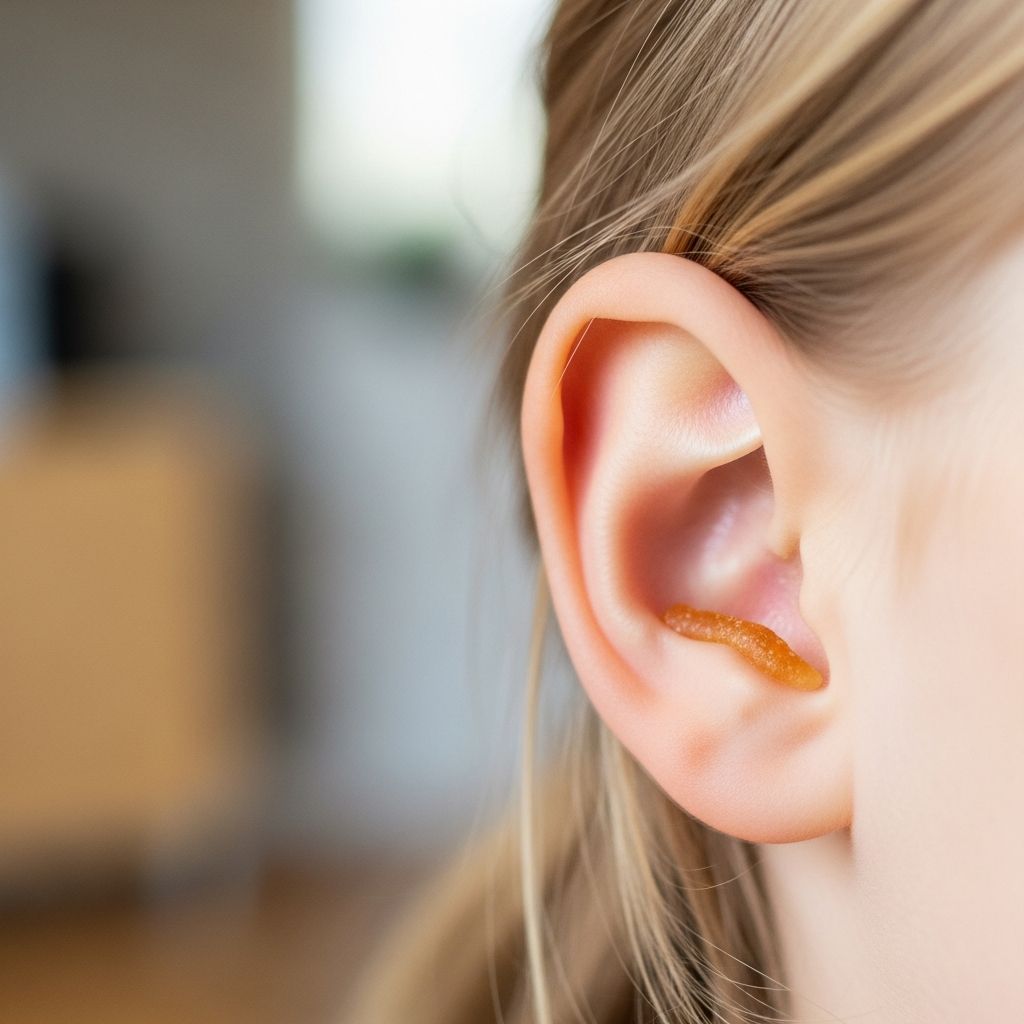
Earwax may not be a favorite topic at the dinner table, but it plays an essential role in keeping a child’s ears healthy. Understanding what earwax is, why it exists, and how to care for it can prevent unnecessary worry and avoid unsafe cleaning habits.
What Exactly Is Earwax?
Earwax, also called cerumen, is a natural mixture of secretions from glands in the ear canal combined with tiny bits of skin, dust, and other particles. It is not a sign of poor hygiene. In fact, the presence of some wax usually means the ear canal is doing its job of protecting itself.
The texture and color of earwax in kids can vary widely. It might appear soft and sticky, thicker and more pasty, or more dry and flaky. Colors often range from pale yellow to dark brown, and all of these can be normal as long as a child is comfortable and hearing well.
Why Children Need Earwax
Despite its reputation, earwax is part of the ear’s defense system. It provides a protective coating over delicate skin in the ear canal and helps keep the environment inside the ear stable and healthy.
- Protective barrier: Earwax coats the ear canal, shielding it from water, mild irritants, and small particles.
- Dust and debris trap: Wax catches dust, dirt, and tiny foreign particles before they reach the eardrum.
- Moisturizer: Natural oils in earwax keep the ear canal from drying out, cracking, or itching excessively.
- Germ control: Components of earwax help create an environment where bacteria and fungi have a harder time growing.
How Earwax Moves and Clears Itself
The ear canal has a subtle self-cleaning mechanism. New wax forms deeper in the canal and gradually moves outward as a child talks, chews, yawns, and moves the jaw. Over time, older wax reaches the outer opening of the ear, dries, and either flakes away or is gently washed out during bathing.
Because of this natural conveyor-belt effect, most children never need active wax removal. Trying to speed up this process with cotton swabs or other tools often does more harm than good by pushing wax deeper or scratching the skin.
Normal Earwax vs. Earwax Problems
Not all visible earwax is a problem. Many parents are surprised to learn that seeing some wax at the entrance of the ear is completely normal and not something that must be cleared every day. The key question is whether the wax is causing symptoms or blocking the ear canal.
| Normal Earwax | Possible Problem Earwax |
|---|---|
| Small amount at the entrance of the ear | Canal appears fully blocked with wax |
| No pain, itching, or pressure | Child reports pain, fullness, or a “plugged” feeling |
| Child hears and responds normally | Hearing seems muffled, or child turns up the volume |
| Slowly flakes out over time | Thick, hard plug that does not come out on its own |
| No unusual odor or discharge | Foul smell or drainage mixed with wax |
Why Some Kids Seem to Make More Earwax
Every child’s body is unique, and that includes how much earwax they produce. Some children seem to be “heavy wax producers,” while others rarely show visible wax. Both patterns can be normal. Production tends to be influenced by genetics and the natural shape of the ear canal.
In some children, the ear canal is slightly narrower or more curved, which can make it easier for wax to become trapped. Children who use earbuds or earplugs regularly may also push wax deeper, which can give the impression that they are producing more when it is really just accumulating inside the canal.
Safe Ear-Cleaning Habits for Parents
Good ear care is mostly about what not to do. The skin of the ear canal and eardrum is incredibly delicate. A simple home rule helps: clean only what can be seen easily and reached safely from the outside.
- Use a soft washcloth or cotton pad to wipe the outer ear after bathing.
- Avoid inserting cotton swabs, hairpins, or any pointed object into the ear canal.
- Teach older children to resist the urge to “dig” in their ears when they feel itchy.
- If water seems trapped in the ear after swimming, gently tilting the head and drying the outer ear is usually enough.
When wax is not causing pain or hearing changes, the safest option is usually to leave it alone. The more a parent tries to remove wax mechanically, the higher the chance of pushing it deeper or irritating the canal.
Common Myths About Earwax
Misconceptions about earwax are widespread. Clearing up these myths can reduce anxiety and prevent unsafe practices.
- Myth: Earwax is dirty and must be removed often. In reality, earwax is a protective substance, not dirt. Frequent, aggressive cleaning can create problems instead of solving them.
- Myth: If you see wax, the ear is unclean. Seeing a bit of wax at the opening of the ear usually means the ear is working properly and cleaning itself.
- Myth: Cotton swabs are designed to clean inside ears. Despite their common use, inserting swabs into the ear canal is a major cause of wax impaction and even eardrum injury.
- Myth: Dark wax always means an infection. Color alone is not a reliable sign of illness. Pain, discharge, fever, or sudden hearing loss are far more important warning signs.
When Earwax Becomes Impacted
Impacted earwax occurs when wax builds up and blocks the ear canal, preventing sound from traveling efficiently to the eardrum. This often happens after wax has been repeatedly pushed inward by cotton swabs, earplugs, or other objects.
Some children are more prone to impaction because of narrow or twisting ear canals, a tendency to produce drier, harder wax, or frequent use of earbuds. Impacted wax can usually be safely removed by a healthcare professional using special tools or irrigation techniques designed for the ear.
Signs Your Child’s Earwax Needs Attention
Parents do not need to inspect a child’s ears daily, but recognizing warning signs of buildup can help decide when to call the doctor. The following symptoms can appear gradually or suddenly, depending on how quickly the canal becomes blocked.
- Complaints of ear pain, pressure, or fullness on one or both sides
- Child saying sounds are “muffled” or that it feels like being underwater
- Needing higher volume on the television or handheld devices
- Frequent asking for repetition (“What?” or “Huh?”)
- Ringing or buzzing sounds in the ear
- Unusual odor or visible thick plug of wax in the canal
In very young children who cannot describe symptoms, signs might include tugging or rubbing at the ears, fussiness, or changes in responsiveness to sounds. These signs do not always mean a wax problem, but they do warrant evaluation.
Earwax vs. Ear Infection: How to Tell the Difference
Younger children commonly experience both ear infections and wax buildup, and their symptoms can overlap. However, there are clues that help distinguish between the two. Wax problems usually cause gradual hearing changes or a mild feeling of pressure, whereas infections tend to appear more quickly.
- More suggestive of wax buildup: Slow onset of muffled hearing, no fever, little or no severe pain, visible wax plug.
- More suggestive of infection: Sudden, intense ear pain, fever, irritability, difficulty sleeping, or drainage that looks like pus or blood.
Because these conditions can coexist, a healthcare professional may need to remove some wax to see the eardrum clearly and determine if an infection is present.
Safe and Unsafe Earwax Removal Methods
Parents often feel tempted to “do something” when a child complains about ear discomfort. However, some home remedies are risky or unproven and should be avoided altogether. Safety should always come before speed when dealing with children’s ears.
Methods Parents Should Avoid
- Cotton swabs inside the canal: These are more likely to push wax inward or injure the eardrum than to remove wax effectively.
- Sharp objects: Hairpins, keys, pencils, and similar items can scratch, cut, or puncture delicate ear structures.
- Ear candling: This practice has not been proven effective and carries real risks of burns, wax dripping into the ear, and eardrum injury.
- Homemade mixtures without guidance: Pouring unknown solutions into the ear can irritate the skin or worsen an existing problem.
Approaches to Discuss With a Healthcare Professional
For children with frequent or bothersome wax buildup, a pediatrician or ear, nose, and throat (ENT) specialist can recommend safe approaches tailored to the child’s history and ear anatomy.
- Use of over-the-counter earwax softening drops, if appropriate for the child’s age and ear condition.
- Professional removal using instruments that allow direct visualization of the canal and eardrum.
- Gentle irrigation in a medical setting when the eardrum is known to be intact.
Parents should always mention if the child has ear tubes, a history of eardrum perforation, or past ear surgery before any drops or irrigation are used.
Special Situations: Swimmers, Earbuds, and Skin Conditions
Some everyday habits and conditions can influence how earwax behaves. Children who swim frequently, wear earbuds for long periods, or have chronic skin issues around the ears may need extra attention to ear health.
- Frequent swimmers: Water trapped in the ear can soften wax and make the canal feel itchy. Drying the outer ear gently and tilting the head after swimming can help.
- Earbud and headphone users: Devices that sit in the canal can push wax inward and block the ear. Encouraging breaks and cleaning earbuds according to manufacturer instructions can reduce problems.
- Dry skin or eczema: Skin conditions can make wax drier and more prone to forming flakes and plugs. A doctor may suggest specific treatments or more frequent monitoring.
When to Call the Doctor About Earwax
Not every bit of wax requires an office visit, but parents should contact a healthcare professional if they notice any of the following signs. Early evaluation can rule out infection and prevent avoidable discomfort or hearing difficulties.
- Persistent ear pain, fullness, or pressure
- Noticeable hearing difficulty on one or both sides
- Recurrent earwax blockages or repeated need for professional removal
- Drainage that looks like pus or blood mixed with wax
- History of ear surgery or eardrum perforation along with new ear symptoms
If symptoms are severe, sudden, or accompanied by high fever, vomiting, or balance problems, seeking prompt care is especially important. These features may suggest something beyond a simple wax issue.
Helping Children Build Healthy Ear Habits
Teaching kids how to care for their own ears sets the stage for better ear health in adulthood. Even young children can learn basic rules and understand why some habits are unsafe. Making ear care a calm, routine topic reduces the urge to poke or scratch when ears feel different.
- Explain that earwax is a natural “shield” that helps keep the ears clean and safe.
- Show them how to gently wipe the outer ear with a washcloth, but never go deeper.
- Set clear rules about not putting objects, including cotton swabs, in the ears.
- Encourage kids to speak up if their ears feel plugged, painful, or if they notice trouble hearing.
Frequently Asked Questions (FAQ)
How often should I clean my child’s ears?
Most children do not need a special ear-cleaning routine beyond normal bathing. Wiping the outer ear with a damp cloth when it looks dirty is usually enough. Trying to clean deeper inside every day can create irritation and increase the risk of wax impaction.
Is it normal for my child’s earwax to be very dark?
Darker wax can simply reflect how long it has been in the ear or its particular composition. Color alone is rarely a reason to worry. More important signs of trouble include pain, a strong odor, drainage that looks like pus, or a sudden change in hearing.
Can earwax cause hearing loss in children?
When earwax completely blocks the ear canal, it can temporarily reduce hearing by preventing sound from reaching the eardrum clearly. Once the blockage is safely removed by a professional, hearing typically returns to normal. Long-term or permanent hearing loss from wax alone is uncommon.
Are earwax softening drops safe for kids?
Some over-the-counter drops are labeled for use in children, but they are not right for every child or every situation. It is important to check with a pediatrician first, especially if the child has ear tubes, has had a perforated eardrum, or is experiencing pain or drainage.
What should I do if my toddler keeps tugging at their ears?
Ear tugging can have many causes, including teething, habit, irritation from wax, or an ear infection. If tugging is persistent, accompanied by fussiness, fever, or changes in sleep or appetite, the child should be evaluated by a healthcare professional.
Is it safe to use home irrigation kits for earwax?
Some home kits are marketed for wax removal, but they may not be appropriate for young children. Without confirming that the eardrum is intact, using irrigation can be risky. For children, it is usually safer to have any significant buildup assessed and removed under professional guidance.
Key Takeaways for Parents
Earwax is a helpful, self-managing part of the ear’s protective system, not a sign of poor hygiene. For most children, the safest approach is gentle care of the outer ear and allowing wax to exit naturally. Parents should avoid putting objects into the ear canal, watch for symptoms of buildup or infection, and seek professional help when there is pain, significant hearing change, or repeated blockages.