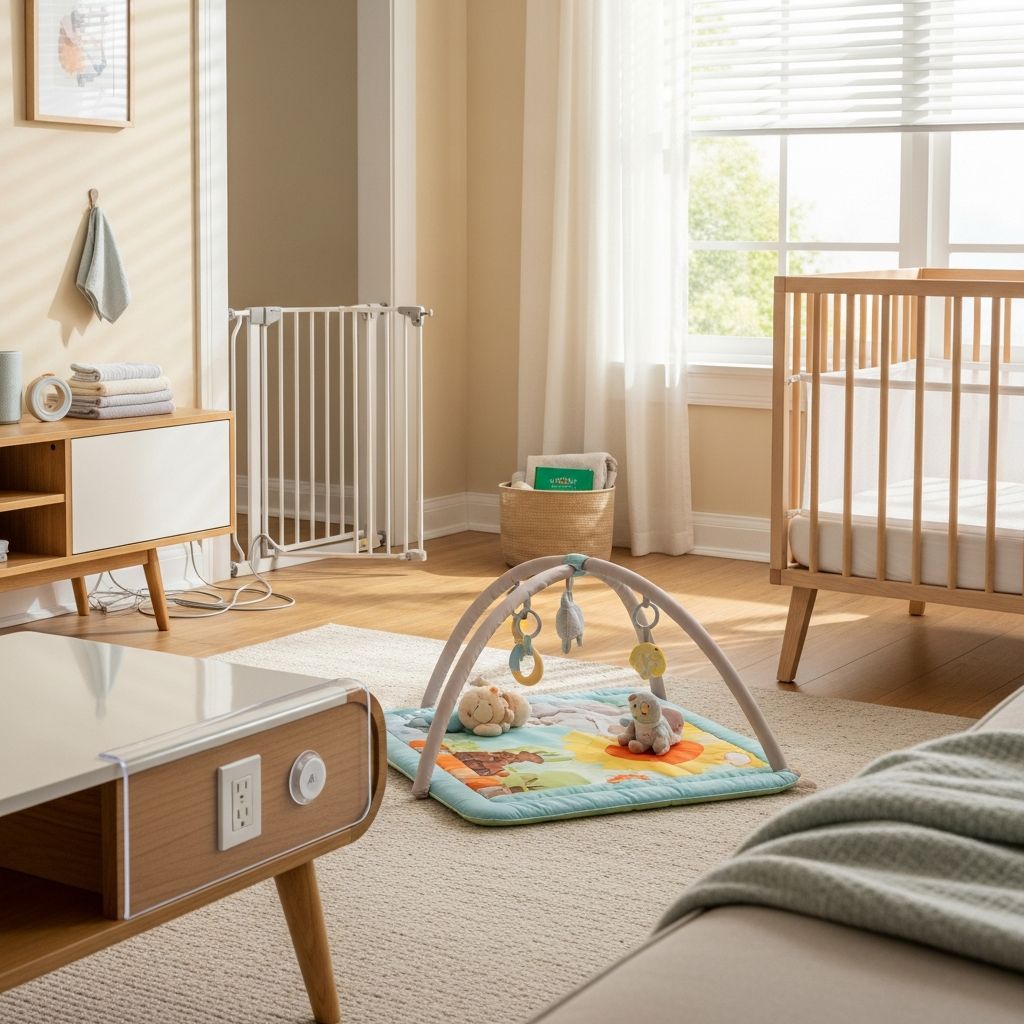
Early detection and intervention for autism spectrum disorder (ASD) in infants can significantly improve developmental outcomes. Research demonstrates that starting therapies between 6 and 15 months reduces symptom severity by ages 2-3, with many children catching up in language and social skills.
Why Act Early in Infancy?
The infant brain exhibits remarkable neuroplasticity, allowing neural pathways to form optimally during the first years. Studies confirm that interventions before 18 months lead to lower autism severity scores and fewer developmental delays compared to later starts. Parents, as primary caregivers, play a pivotal role by embedding therapeutic practices into daily routines like feeding, playing, and bathing.
Key benefits include enhanced communication, social engagement, and emotional regulation. For instance, programs like Infant Start, based on the Early Start Denver Model (ESDM), coach parents to boost infant attention to faces and voices, resulting in six out of seven children normalizing skills by toddlerhood.
Core Principles of Infant-Focused Interventions
Effective strategies prioritize natural play, positive reinforcement, and following the child’s lead. They target attention, imitation, joint engagement, and sensory responses without overwhelming the baby. Consistency across routines amplifies gains, turning everyday moments into learning opportunities.
- Follow the child’s interests: Observe cues to sustain engagement.
- Use play as the medium: Natural interactions build skills effortlessly.
- Reinforce positives: Immediate rewards strengthen desired behaviors.
- Integrate into routines: Mealtimes, diaper changes become therapy sessions.
Play-Based Social Engagement Activities
Play therapy leverages infants’ natural affinity for fun to foster social bonds and cognitive growth. Parents mimic baby sounds, actions, and expressions to encourage reciprocity, a foundation for empathy and communication.
During floor time, sit cross-legged and mirror your baby’s movements—clap when they clap or babble back enthusiastically. This builds turn-taking and delight in interactions. Use toys to support attention: roll a ball gently while maintaining eye contact, pausing to invite response.
For sensory play, fill a shallow tray with safe textures like soft fabrics or smooth pebbles. Narrate sensations (‘soft blanket!’) to link words with feelings, aiding language and processing. Limit sessions to 10-15 minutes to match attention spans.
Communication-Building Techniques for Babies
Many infants at risk for ASD show reduced intentional communication. Early speech strategies use visuals and gestures to bridge gaps before verbal speech emerges.
Introduce Picture Exchange Communication System (PECS) basics: Create cards with images of needs (milk, toy). Guide the baby’s hand to exchange a card for the item, reinforcing ‘requesting’ behavior. Start with favorites to motivate participation.
Incorporate sign language during routines—sign ‘more’ at meals or ‘up’ for cuddles. Pair signs with spoken words and praise responses. Games like peek-a-boo enhance nonverbal cues, promoting joint attention essential for language.
| Activity | Goal | How to Implement | Expected Gain |
|---|---|---|---|
| Picture Cards | Requesting | Exchange image for item | Communication initiation |
| Sign Language | Express needs | Model during routines | Reduced frustration |
| Peek-a-Boo | Joint attention | Hide face, wait for cue | Social reciprocity |
Applied Behavior Analysis Adapted for Home
ABA breaks skills into steps, using rewards to shape behaviors. For infants, focus on eye contact, responding to name, or reaching for toys.
Observe a target: If baby avoids eye contact, hold a rattle at eye level during play. When they glance, immediately praise (‘Great looking!’) and shake it excitedly. Repeat in short bursts across the day. Track progress in a simple journal to adjust.
For calming, create a ‘cozy corner’ with dim lights, weighted blanket snippets, and soft music. Guide baby there during overload, modeling deep breaths. Reward calm with hugs.
Sensory and Motor Skill Development
Occupational therapy addresses sensory sensitivities common in ASD-risk infants. Activities improve tolerance to sounds, touches, and movements.
Swing gently in a baby carrier while humming tunes, desensitizing to motion. Offer finger foods of varying textures (crunchy carrot vs. mushy banana) to build oral motor skills. Massage limbs with lotion, naming body parts to integrate sensory and language input.
Yoga-inspired poses like ‘happy baby’ (legs up, gentle pulls) promote body awareness and relaxation. Always gauge comfort—stop if distress shows.
Implementing the Early Start Denver Model at Home
ESDM combines ABA with play for 12-48 month olds, but infant adaptations emphasize parent-child synchrony. Sessions mimic therapy: Warm-up with free play, discuss goals, practice in routines like bath time (splash together, imitate sounds).
Weekly structure: 3-5 daily 10-minute interactions. Follow baby’s lead— if fixated on wheels, spin them together while chatting. Measure progress via checklists for smiles, imitation, babbling.
Daily Routine Integration Guide
Weave interventions seamlessly to avoid ‘therapy time’ fatigue.
- Morning: Greeting ritual—big smiles, name calling, wave imitation.
- Meals: Name foods, sign ‘eat’, exchange pics for choices.
- Playtime: Floor mirroring, turn-taking toys.
- Bath: Sensory splash, body part songs.
- Bedtime: Calm corner wind-down, social stories via pictures.
Tracking Progress and When to Seek Help
Monitor milestones: By 12 months, responding to name 80% time, gesturing, varied babble. Use free tools like CDC checklists. Consult pediatricians if regressions occur.
Combine home efforts with professionals—speech/OT via early intervention services (free under IDEA for under-3s). Consistency yields 18-36 month symptom reductions.
Frequently Asked Questions
How soon can I start interventions if I suspect autism?
From 6 months if signs like poor eye contact appear. Early action leverages neuroplasticity.
Do home activities replace professional therapy?
No—they complement. ESDM trains parents alongside therapists.
What if my baby resists activities?
Follow their lead, keep sessions joyful and brief. Persistence builds tolerance.
Can these help if diagnosis isn’t confirmed?
Yes, they support all at-risk infants, preventing delays.
How many hours daily for best results?
1-2 hours total, spread out naturally. Quality over quantity.
References
- 3 Early Autism Intervention Methods Parents Can Use at Home — SSA Autism Center. 2023. https://ssautismcenter.com/3-early-autism-intervention-methods-parents-can-use-at-home/
- Early intervention lessens autism symptoms — University of California. 2019-10-23. https://www.universityofcalifornia.edu/news/early-intervention-lessens-autism-symptoms
- What Are the Best Early Interventions for Autism? — San Pedro Pediatric Medical Group. 2023. https://www.sanpedropediatricmedicalgroup.com/blog/what-are-the-best-early-interventions-for-autism/
- What Are Early Intervention Strategies for Autism? — Dream Big Children. 2023. https://dreambigchildren.com/blog/what-are-early-intervention-strategies-for-autism/
- Treatment and Intervention for Autism Spectrum Disorder — Centers for Disease Control and Prevention (CDC). 2024-06-12. https://www.cdc.gov/autism/treatment/index.html
- Early Intervention for Autism — Lighthouse Autism Center. 2023. https://lighthouseautismcenter.com/autism-resources/autism-information/early-intervention/
- Early Intervention for Autism — Eunice Kennedy Shriver National Institute of Child Health and Human Development (NICHD). 2023. https://www.nichd.nih.gov/health/topics/autism/conditioninfo/treatments/early-intervention