Helping your baby establish consistent sleep patterns is one of the most transformative steps in early parenthood. Sleep training involves guiding infants toward independent sleep skills, reducing night wakings, and promoting longer stretches of rest. This process not only benefits the baby but also allows parents to recharge, fostering a healthier family dynamic. Various methods exist, ranging from structured check-ins to gradual withdrawal of parental involvement, each suited to different temperaments and family preferences.
Understanding the Basics of Infant Sleep Development
Infants are born without fully mature sleep-wake cycles. Newborns sleep 14-17 hours daily in short bursts, but by 4-6 months, most can consolidate sleep into longer nighttime periods. The American Academy of Pediatrics notes that healthy sleep habits support cognitive, emotional, and physical growth. Sleep training typically begins around 4-6 months, once babies can self-soothe and have outgrown frequent feeding needs.
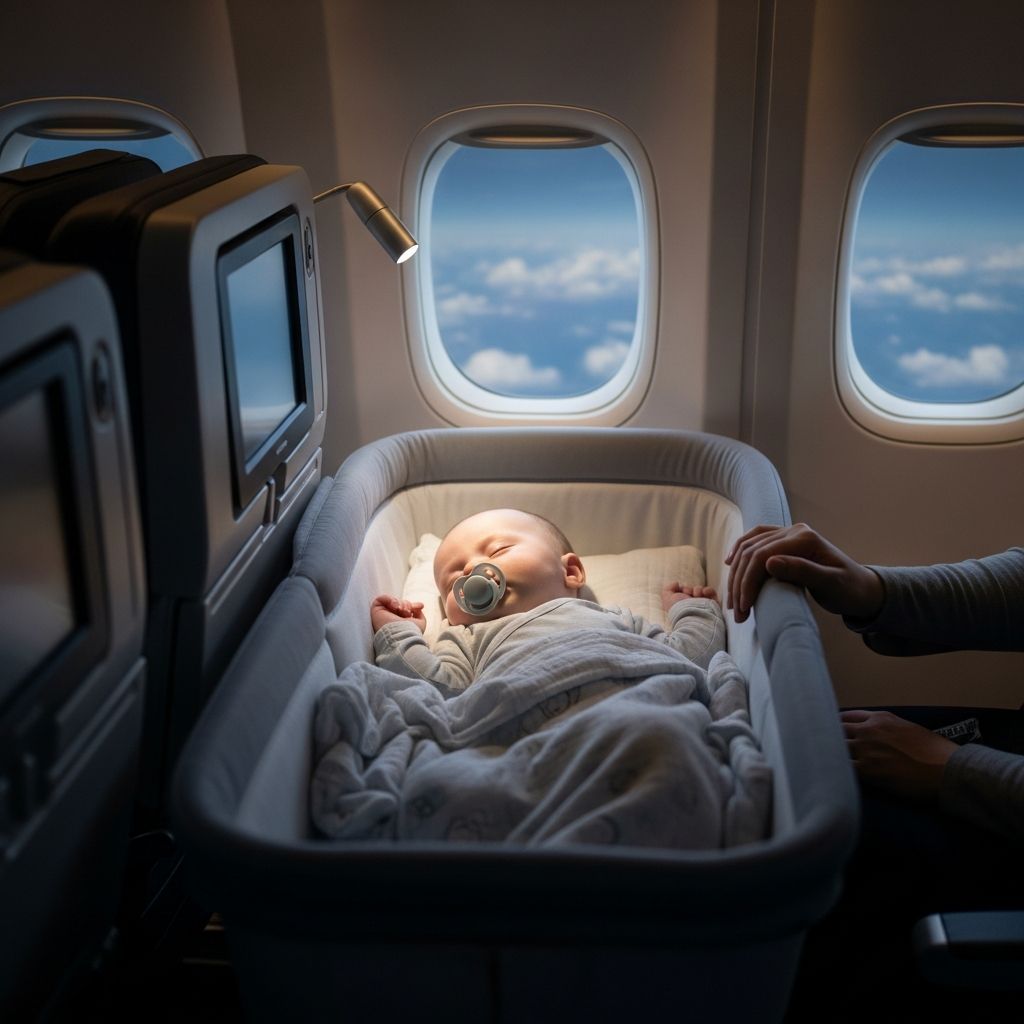
Key prerequisites include a safe sleep environment: firm mattress, no loose bedding, back sleeping position, and room temperature of 68-72°F. Track your baby’s wake windows—periods of alertness between sleeps—to avoid overtiredness, which exacerbates fussiness. For example, 4-month-olds manage 1.5-2 hours awake, extending to 2.5-3 hours by 8 months.
Popular Sleep Training Approaches Explained
Several evidence-based techniques have helped countless families. Below, we detail the most common, highlighting steps, pros, cons, and ideal candidates.
The Extinction Method: Cry-It-Out (CIO)
Known as full extinction, this direct approach teaches babies to fall asleep independently without intervention. After a soothing bedtime routine (bath, feed, book), place your drowsy but awake baby in the crib and leave the room. Do not re-enter until morning, regardless of crying. Proponents argue it yields quick results, often in 3-5 nights, as babies learn self-soothing.
- Pros: Fastest results; minimal parental disruption long-term.
- Cons: Emotionally challenging; high crying duration initially.
- Best for: Parents comfortable with minimal intervention; babies 6+ months.
Studies from the Cleveland Clinic affirm its safety when babies are healthy and fed.
Graduated Check-Ins: The Ferber Technique
Developed by Dr. Richard Ferber, this balanced method uses timed intervals for reassurance. Lay baby down awake, then wait progressive periods before brief check-ins: 3 minutes first night, 5 then 10, extending nightly. During visits, offer verbal comfort or a pat—no picking up. Intervals increase over nights until baby self-settles.
| Night | 1st Wait | 2nd Wait | Subsequent Waits |
|---|---|---|---|
| 1-2 | 3 min | 5 min | 10 min |
| 3-4 | 5 min | 10 min | 12 min |
| 5+ | 10 min | 12 min | 15 min |
- Pros: Reassures parents and baby; effective in 5-7 nights.
- Cons: Still involves crying; requires strict timing.
- Best for: Families seeking structure with some support.
Physical Presence: The Chair Method
This gradual withdrawal technique positions a parent in a chair beside the crib until sleep onset. Each night, inch the chair farther away—first to the crib’s edge, then room center, doorway, hallway—until removed entirely. Return if wakings occur, resuming the chair position.
It demands patience, potentially spanning 2-3 weeks, but minimizes abandonment feelings. Ideal for sensitive babies or cry-averse parents.
- Pros: Constant visual cue; low tears.
- Cons: Time-intensive; parent discomfort possible.
- Best for: Younger infants (5+ months); gradual learners.
Gentle Hands-On: Pick-Up/Put-Down
A comforting no-tears option: Place drowsy baby in crib. If fussing escalates, pick up to calm (rock, shush), then return to crib awake. Repeat, reducing soothing duration over time. Persistence is key, though it may extend over weeks.
- Pros: Responsive; builds trust.
- Cons: Physically demanding; slower progress.
- Best for: Attachment-focused parents; newborns transitioning (4+ months).
Soft Withdrawal: Fading and No-Tears Methods
Fading reduces parental aids progressively: shorten rocking/feeding time nightly while staying present, patting or shushing as needed. No-tears variants emphasize routines without pick-ups, using consistent cues like white noise.
These suit families prioritizing minimal distress, though they require unwavering consistency.
Choosing the Right Method for Your Family
No single approach fits all. Consider your baby’s age, temperament, health, and your tolerance for crying or time investment. Start with gentler methods if under 6 months or during teething/illness. Consult pediatricians to rule out reflux or allergies mimicking sleep issues.
A hybrid often works: Begin with Ferber, pivot to chair if needed. Track progress in a sleep log: note put-down time, wakings, duration to sleep. Expect 3-14 days for consolidation, with night 3 often hardest.
Essential Tips for Sleep Training Success
- Establish a Routine: 30-45 minutes of dim lights, bath, massage, feed, story, song. Same sequence nightly signals sleep.
- Optimize Daytime Sleep: 3-4 naps totaling 2-4 hours prevent overtiredness.
- Use Wake Windows: Align bedtimes with age-appropriate alertness.
- Dark, Cool Room: Blackout curtains, 68-72°F, white noise machine.
- Consistency Across Caregivers: Unified approach accelerates results.
- Self-Care for Parents: Tag-team nights; prioritize your rest.
Flexibility matters—life events like travel may pause training. Resume promptly.
Addressing Common Concerns and Myths
Sleep training doesn’t harm attachment; longitudinal studies show securely attached kids post-training. Crying releases stress hormones briefly but resolves with self-soothing mastery. Monitor for illness: fever, congestion warrant pause.
Myth: Only for older babies. Truth: 4 months is common, but assess readiness via consistent 6-hour stretches.
Frequently Asked Questions
What is the best age to start sleep training?
Most experts recommend 4-6 months, when babies can self-soothe and nutritional needs stabilize.
Does cry-it-out damage my baby?
No, when done safely; research supports no long-term effects on development or bonding.
How long does sleep training take?
Varies by method: CIO 3-5 nights; gentler ones 1-3 weeks.
Can I sleep train during illness?
Pause if symptomatic; resume once recovered.
What if my baby regresses?
Common at milestones (6, 9 months); reinforce gently without restarting fully.
Long-Term Benefits of Healthy Sleep Habits
Trained sleepers show improved mood, focus, immunity, and family well-being. By toddlerhood, independent sleepers transition easier to preschool routines. Invest now for lasting gains.
Patience and consistency unlock restful nights. Every baby responds uniquely—trust your instincts alongside evidence.
References
- Seven sleep training methods and what you need to know — The Mother Baby Center. 2023-07. https://www.themotherbabycenter.org/blog/2023/07/sleep-training-methods/
- Sleep Training for Babies — Sleep Foundation. 2024. https://www.sleepfoundation.org/baby-sleep/sleep-training
- Sleep Training Your Baby: When & How — Cleveland Clinic. 2023. https://health.clevelandclinic.org/when-and-how-to-sleep-train-your-baby
- Sleep Training: The Complete Guide For Parents — Mustela USA. 2023. https://www.mustelausa.com/blogs/mustela-mag/sleep-training-the-complete-guide-for-parents
- Sleep Training 101: What Is It, and Is It Right for You? — Babylist. 2024. https://www.babylist.com/hello-baby/sleep-training
- A parent’s guide to sleep training infants and toddlers — UChicago Medicine. 2023-05. https://www.uchicagomedicine.org/forefront/pediatrics-articles/2023/may/sleep-training-in-infants-and-toddlers