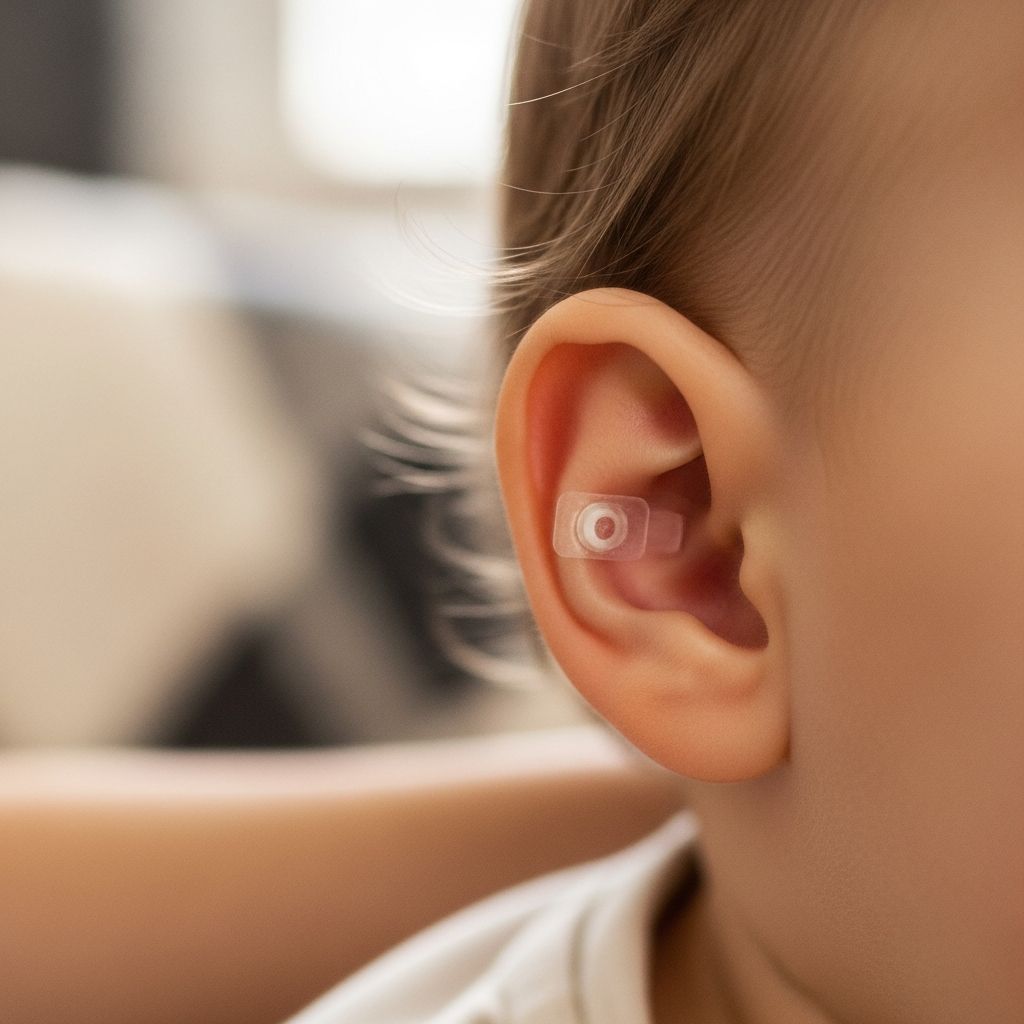
Finding a small bump near a newborn’s ear can be surprising, but in many cases it turns out to be a harmless ear tag. Understanding what ear tags are, how they are evaluated, and when treatment might be recommended can help parents feel more confident and informed.
What Is an Ear Tag?
An ear tag is a small, extra piece of tissue located in front of the outer ear, usually where the ear meets the side of the face. It may be made of skin alone, or include fat and a tiny piece of cartilage inside.
Ear tags are present at birth and are considered a minor variation in how the outer ear structures form before a baby is born. They are sometimes called preauricular tags or preauricular skin tags and are usually benign, meaning they do not pose a danger to health in most children.
- Typically appear as a small bump or nub in front of the ear.
- May be soft and flexible or firmer if cartilage is present.
- Can occur on one ear or on both ears.
How Ear Tags Look and Feel
Parents most often notice an ear tag as a tiny, raised bump close to the ear opening shortly after birth or in newborn photos. Some tags are connected by a narrow stalk of tissue, while others are broader at the base and look more like a small mound.
Touching an ear tag is usually not painful for the child. The skin over the tag looks like normal skin and is often the same color as the surrounding area. Many children are completely unaware that the tag is present until they are older.
Common Appearance Features
- Round or oval shape, ranging from a pinpoint to a pea or bean size.
- Located slightly in front of the ear, along the cheek area.
- Surface that feels smooth, similar to normal skin.
- Occasional presence of a firmer center if cartilage is inside.
Why Do Ear Tags Happen?
Ear tags develop very early in pregnancy when the structures that will become the outer ear are forming. Several small tissue segments must grow and join together in a precise way. If a small piece of tissue remains separate or grows a bit differently, a tag can form near the ear.
In many children, there is no single, clear cause that explains why the tag formed. Some patterns have been observed, but for most families an ear tag appears as an isolated finding without other problems.
Possible Contributing Factors
- Normal variation: Most ear tags are simply part of the wide range of normal differences in human development.
- Family tendency: Ear tags may appear in multiple family members, suggesting a genetic component in some cases.
- Association with syndromes: Rarely, ear tags are seen as one feature of a broader genetic condition that may involve the ears, face, or other organs.
For most babies, especially those who are otherwise healthy and developing normally, the tag is not a sign that something went wrong during pregnancy. It is usually viewed as a minor difference in appearance rather than a disease.
Are Ear Tags Dangerous?
On their own, ear tags typically do not threaten a child’s health or comfort. They do not spread, become cancerous, or interfere with everyday activities such as feeding, sleeping, or playing.
The main concerns are usually cosmetic or emotional. Some parents worry about how the tag will affect their child’s self-esteem or whether it might draw unwanted attention or teasing from others as the child grows older.
Rare But Important Considerations
- In a small number of children, ear tags can be associated with hearing problems.
- Occasionally, they may be seen alongside differences in the kidneys or other body systems as part of a genetic syndrome.
- Large tags can sometimes catch on clothing or accessories, which may irritate the skin or cause minor bleeding if accidentally pulled.
Ear Tags and Your Child’s Hearing
Because the outer ear and the hearing structures develop around the same time in the womb, doctors pay attention to any visible ear differences, including tags. Many hospitals routinely screen newborn hearing shortly after birth, and this test is especially important when an ear tag or other ear anomaly is present.
A normal newborn hearing screen is reassuring and usually means that the tag is a cosmetic issue only. If the hearing screen is abnormal, the doctor may recommend repeat testing or evaluation by an audiologist or ear, nose, and throat (ENT) specialist.
| Step | What Happens | Purpose |
|---|---|---|
| Newborn hearing screen | Simple test in the nursery or clinic using soft sounds and sensors. | Checks for early signs of hearing loss. |
| Follow-up testing (if needed) | More detailed hearing tests by an audiologist. | Confirms whether hearing is normal or impaired. |
| Specialist referral (if concerns found) | Evaluation by an ENT or other specialist. | Looks for underlying causes and plans treatment or support. |
If parents ever notice that a baby or young child does not startle to loud sounds, does not turn toward voices, or seems delayed in speech development, they should mention this to the doctor, even if an earlier hearing test was normal.
How Doctors Evaluate an Ear Tag
An ear tag is usually recognized at birth or at the first newborn visit. The health care provider will perform a complete physical examination, paying close attention to the ears, face, head shape, and the rest of the body.
The goal of the evaluation is to answer two questions: whether the tag is an isolated cosmetic difference and whether there are any signs that it might be part of a broader condition. The answers guide decisions about whether additional tests or referrals are needed.
What the Doctor May Ask or Check
- Family history of ear tags, hearing loss, kidney issues, or facial differences.
- Whether one or both ears are affected.
- Results of the newborn hearing screen and any repeat tests.
- Presence of any other unusual features, such as pits near the ears, differences in the eyes or jaw, or unusual findings in the heart, kidneys, or spine.
In many babies, no extra testing is necessary. If the doctor has concerns, they may recommend imaging, genetic consultation, or additional hearing and kidney evaluations.
Treatment Options for Ear Tags
Because ear tags are usually harmless, treatment is often optional and focused on appearance rather than medical necessity. The most common approach, when treatment is chosen, is surgical removal of the tag.
Removal is generally a brief procedure that can be performed by a pediatric surgeon, plastic surgeon, ENT specialist, or another doctor experienced in treating children. The exact approach depends on the size of the tag, whether cartilage is present, and the child’s age.
Why Families Choose Removal
- To reduce the chance of teasing or self-consciousness later in childhood.
- To prevent the tag from catching on clothing, glasses, or masks.
- To achieve a smoother contour along the cheek and ear area.
Why Some Families Wait or Decline Treatment
- Comfort with the child’s appearance and desire to avoid surgery.
- Preference to let the child participate in the decision when older.
- Other medical issues that make elective surgery less of a priority.
What to Expect During Ear Tag Removal
When a family decides to remove an ear tag, the doctor will explain the procedure, type of anesthesia, and aftercare. Small, simple tags may sometimes be removed in an office setting with local anesthesia, while larger or more complex tags are often removed in an operating room, especially for very young children.
During surgery, the doctor carefully cuts away the tag and closes the tiny incision with sutures. If cartilage is present inside the tag, it is removed as well to minimize the chance of a firm bump remaining under the skin.
After the Procedure
- A small bandage may cover the area for a short period.
- Mild swelling or bruising can occur but usually improves quickly.
- Pain is often minimal and can typically be managed with over-the-counter medications recommended by the surgeon.
- The tag does not grow back once it has been completely removed.
A faint scar may remain, but many scars fade noticeably over time. Surgeons often plan the incision to blend with natural skin lines or creases whenever possible.
Home Care and Everyday Tips
Parents of children who still have an ear tag usually do not need to do anything special at home. General gentle care of the skin is sufficient. However, a few simple habits can make life more comfortable and help protect the area.
- Be careful when dressing and undressing your child so that the tag does not get snagged on clothing.
- Watch for redness, swelling, or discharge around the tag, which could suggest irritation or infection.
- Gently clean the area with mild soap and water as part of your child’s regular bathing routine.
- As your child grows, use age-appropriate language to help them understand that having an ear tag is simply a physical difference, not something to be ashamed of.
When to Call the Doctor
Although complications are uncommon, there are certain situations where parents should contact their child’s health care provider for advice. Trusting your instincts and seeking reassurance when something does not seem right is always reasonable.
Signs That Need Medical Attention
- Sudden redness, warmth, or swelling around the tag.
- Pain, tenderness, or your child reacting strongly when the area is touched.
- Drainage of pus or blood from the tag or nearby skin.
- A rapid change in size or color of the tag.
- Concerns that your child does not seem to hear well or respond to sounds.
In these cases, the doctor may examine the area, recommend treatment such as antibiotics if there is an infection, or suggest earlier removal of the tag if it continues to cause problems.
Emotional and Social Considerations
Parents may worry not just about the medical aspects of an ear tag but also about how others will react. Many children with ear tags are treated just like their peers and do not encounter teasing, particularly when their families speak openly and confidently about the difference.
As children grow older, they may start asking questions about how their ears look. Honest, reassuring explanations can help them develop a positive self-image. Some families use this as an opportunity to talk about how everyone’s body is unique and how differences make people interesting.
- Use neutral, non-judgmental words when describing the tag.
- Emphasize your child’s strengths, abilities, and personality traits.
- If teasing occurs, work with teachers and caregivers to address it promptly and support your child.
Frequently Asked Questions About Ear Tags
Does an ear tag mean something is wrong with my baby?
In most cases, no. An ear tag by itself is usually a minor difference in appearance and not a sign of serious illness. Doctors evaluate babies with ear tags to make sure there are no other concerns, but many infants are otherwise completely healthy.
Will the ear tag go away on its own?
Ear tags do not disappear or shrink significantly with time. They tend to remain about the same size relative to the child’s growth. Removal requires a small surgical procedure if parents or the child choose to pursue it.
Is ear tag removal painful?
Doctors use anesthesia to keep children comfortable during removal. Afterward, some mild soreness or tenderness is possible but usually short-lived and manageable with pain relief recommended by the surgeon.
What type of doctor removes ear tags?
Ear tags may be removed by pediatric surgeons, ENT specialists, plastic surgeons, or other physicians with experience in minor pediatric procedures. Your child’s primary doctor can help you find an appropriate specialist.
Could the ear tag come back after surgery?
Once a tag has been completely removed, it does not grow back. A small scar remains where the tag used to be, but this usually becomes less noticeable over time.
Should my other children be checked if one child has an ear tag?
If other children in the family have normal ears and no symptoms, special testing is usually not needed. However, if several relatives have ear tags, hearing loss, or similar features, your child’s doctor may talk with you about family history and whether a genetic consultation is useful.
Key Takeaways for Parents
Ear tags are common minor differences in appearance that are present at birth and usually do not threaten a child’s health. Evaluation focuses on ensuring normal hearing and ruling out rare associated conditions.
Treatment is often optional and primarily aimed at appearance, with surgical removal as the most common choice for families who want the tag taken off. Open communication with your child’s health care provider can help you decide what is best for your family and provide reassurance as your child grows.