Ear pain is one of the most frequent complaints among children, often leading to distress for both the child and parents. Understanding the underlying reasons, spotting early signs, and knowing appropriate responses can make a significant difference in comfort and recovery.
Why Children Experience Ear Discomfort More Often
Youngsters are prone to ear issues due to their developing anatomy. The Eustachian tube, which connects the middle ear to the throat, is shorter and more horizontal in kids compared to adults. This design hinders proper drainage of fluids, creating an ideal environment for infections. Additionally, immature immune systems and frequent exposure to germs in group settings like daycare amplify vulnerability. Statistics show over 80% of U.S. children face at least one middle ear infection by age two.
Recognizing the Signs of Ear Pain
Infants and toddlers can’t always verbalize discomfort, so parents must observe behavioral changes. Common indicators include:
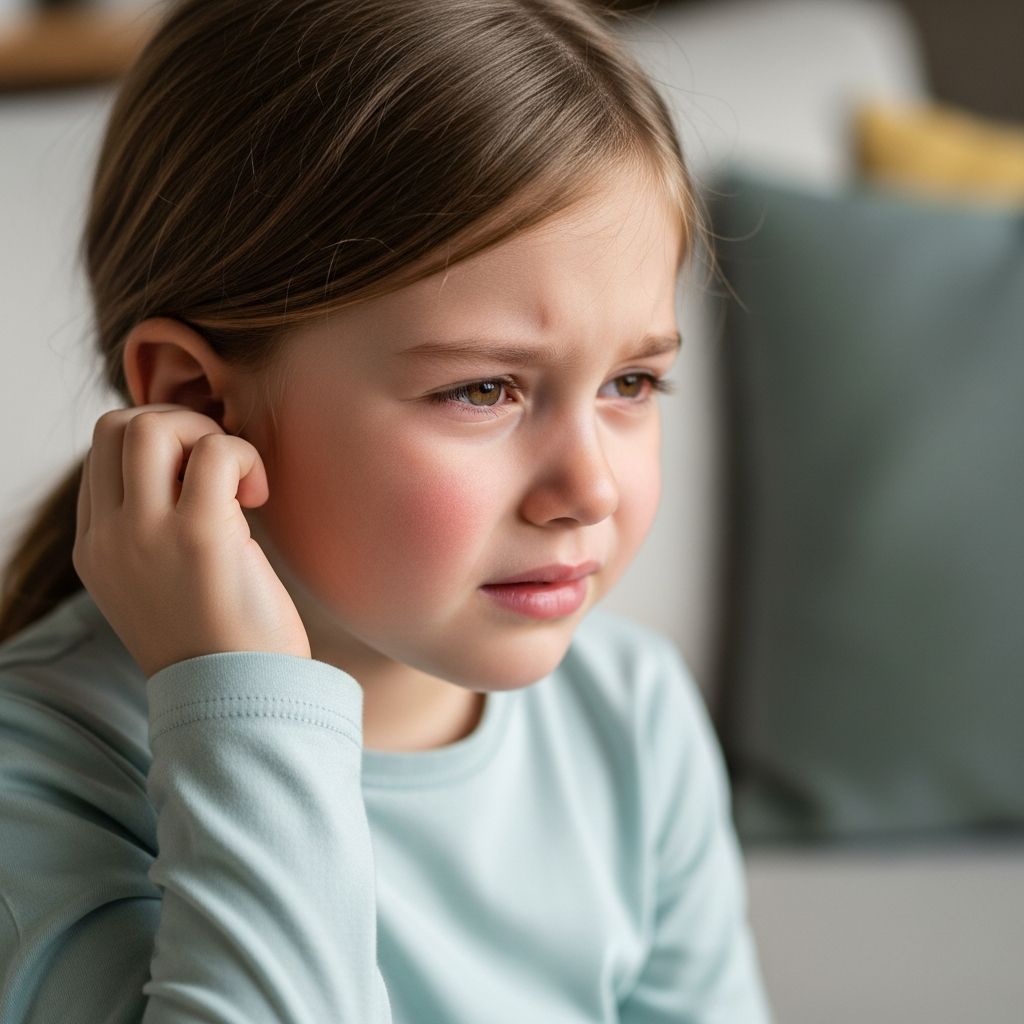
- Rubbing or tugging at the affected ear
- Increased fussiness or crying, especially during feeds or bedtime
- Trouble settling down for sleep due to lying flat worsening pressure
- Fever above 38°C (100.4°F), particularly with younger children
- Reduced appetite or fluid intake
- Temporary hearing difficulties or unresponsiveness to sounds
Older children might directly complain of throbbing pain, often describing it as sharp or persistent. About half of infected kids develop fever, aiding diagnosis.
Primary Culprits Behind Childhood Earaches
Ear discomfort stems from various sources, but infections dominate. Here’s a breakdown:
| Cause | Description | Key Features |
|---|---|---|
| Middle Ear Infection (Acute Otitis Media) | Fluid traps behind eardrum after viral or bacterial invasion via Eustachian tube | Pain, fever, fussiness; common post-cold |
| Outer Ear Infection (Swimmer’s Ear) | Irritation or bacteria in ear canal, often from trapped moisture | Pain on touch/pull, itching, redness |
| Earwax Accumulation | Excess wax blocks canal, causing pressure | Muffled hearing, mild pain |
| Teething | Gum inflammation refers pain to ears | Drooling, cheek rubbing in babies |
| Pressure Changes | Air travel or altitude shifts imbalance ear pressure | Sudden onset, popping sensation |
Infections often follow respiratory illnesses, where swollen tubes prevent drainage. Non-infectious triggers like allergies or foreign objects in the ear also contribute.
When Ear Pain Signals an Infection
Acute otitis media (AOM) involves swollen middle ear tissues and fluid buildup, causing the classic earache. Viral cases are prevalent, but bacteria can secondary-infect the fluid-rich space. Otitis media with effusion (OME) follows, where fluid lingers post-infection, potentially muffling hearing without acute pain. Seasonal peaks occur in fall/winter due to respiratory viruses.
Home Strategies for Easing Discomfort
While awaiting professional evaluation, these steps provide relief:
- Pain Relievers: Age-appropriate doses of acetaminophen or ibuprofen reduce inflammation and fever. Follow dosing charts precisely.
- Warm Compress: Apply a warm cloth to the outer ear for 10-15 minutes to soothe pain.
- Upright Positioning: Hold infants vertically or prop older kids to lessen pressure.
- Hydration and Rest: Encourage fluids to thin mucus and promote recovery.
- Nasal Care: Saline drops and bulb suction clear congestion blocking Eustachian tubes.
Avoid cotton swabs or home remedies like oil drops, as they risk damage. Most uncomplicated cases improve in 2-3 days.
Knowing When Professional Help Is Needed
Seek immediate care if:
- Pain persists over 48 hours or intensifies
- Fever exceeds 39°C (102.2°F) or lasts over 24 hours in kids under 2
- Discharge (clear, pus, or blood) from ear
- Balance issues, severe headache, or neck stiffness
- Infant under 6 months shows any fever
- Swelling/redness around ear or facial droop
Doctors diagnose via otoscope exam, checking eardrum for bulging or redness. Antibiotics are reserved for bacterial cases or high-risk kids; many resolve virally.
Preventing Recurrent Ear Problems
Proactive measures lower incidence:
- Vaccinations: Pneumococcal and flu shots target key pathogens.
- Smoke-Free Environment: Secondhand smoke irritates tubes[10].
- Breastfeeding: Boosts immunity in early months.
- Pacifier Limit: Reduce after 6 months to avoid tube blockage.
- Water Precautions: Use earplugs or drops for swimmers.
- Allergy Management: Control with meds if applicable.
For chronic cases, options include ear tube insertion to ventilate the middle ear.
Special Considerations for Infants and Toddlers
Babies under 6 months warrant prompt evaluation for any ear-tugging or fever, as their symptoms escalate quickly. Teething overlaps mimic infections, but drooling and gum swelling distinguish it. Daycare attendees face higher risks from germ sharing.
Long-Term Effects and Monitoring
Untreated fluid buildup risks temporary hearing loss, affecting speech development. Recurrent infections may signal adenoid issues[10]. Regular well-child visits catch OME early via hearing screens.
Frequently Asked Questions
Can ear pain come from teeth?
Yes, teething pressure radiates to ears, common in 6-12 month olds with drooling.
Is it safe to fly with an earache?
Avoid if possible; use decongestants or chewing for pressure equalization.
How long before seeing a doctor?
Within 24-48 hours if pain/fever persists; sooner for infants.
Do antibiotics always help?
No, most are viral and self-resolve; used selectively.
Can I clean wax at home?
No, risk perforation; see a doctor for safe removal.
References
- Earaches In Children: Symptoms, Causes, Remedies, and Treatment — ENT and Allergy. 2023-01-01. https://www.entandallergy.com/blog/2023/january/earaches-in-children/
- Earache – Seattle Children’s Hospital — Seattle Children’s. n.d. https://www.seattlechildrens.org/conditions/a-z/earache/
- Treating Earache in Children: Remedies & Tips — Tylenol. n.d. https://www.tylenol.com/children-infants/pain-relief/earache-causes-symptoms-relief
- Earache in children – Mayo Clinic — Mayo Clinic. n.d. https://www.mayoclinic.org/symptom-checker/earache-in-children-child/related-factors/itt-20009075
- Ear Infections in Children, Babies & Toddlers — NIDCD/NIH. n.d. https://www.nidcd.nih.gov/health/ear-infections-children
- Ear Pain in Children: What You Should Know — Brown Health. n.d. https://www.brownhealth.org/be-well/ear-pain-children-what-you-should-know
- Earache – NHS — NHS. n.d. https://www.nhs.uk/symptoms/earache/