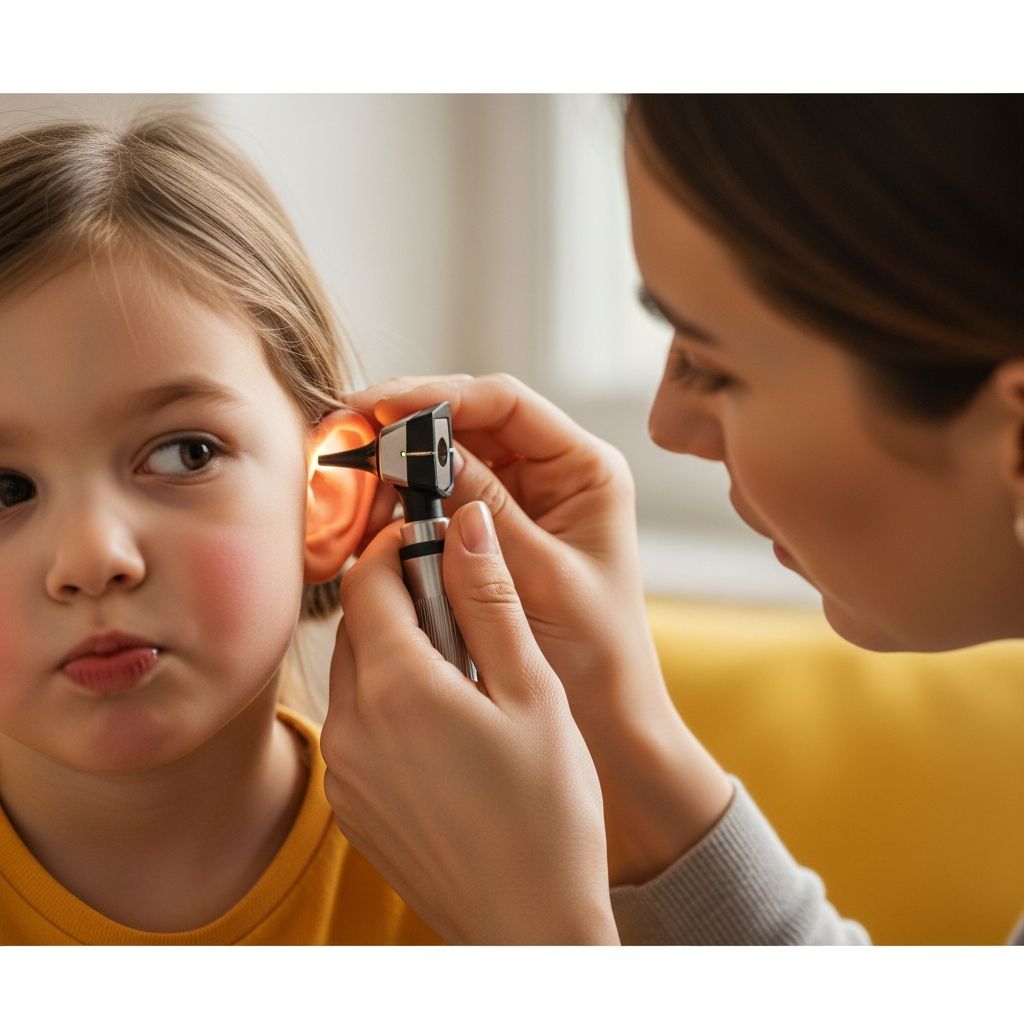
Understanding Ear Infections in Children
Ear infections represent one of the most prevalent health concerns affecting young children, with many pediatricians identifying them as leading reasons for office visits beyond routine check-ups. These infections occur when fluid accumulates in the middle ear space, often triggered by viral illnesses such as the common cold. The infection develops as the middle ear becomes inflamed and swollen, particularly affecting the Eustachian tube—the narrow passageway connecting the ear to the nose and throat. Understanding the mechanics behind these infections helps parents recognize symptoms early and determine appropriate intervention strategies.
Distinguishing Between Different Types of Ear Infections
Medical professionals recognize several distinct categories of ear infections, each requiring different approaches to management. The specific type determines whether observation or active treatment becomes necessary.
Acute Otitis Media (AOM)
This represents the most common ear infection type in children. Acute otitis media develops when bacterial or viral pathogens infect the middle ear space, causing inflammation and fluid accumulation behind the eardrum. Children with AOM typically experience ear pain, elevated fever, and increased irritability. The infection usually follows an upper respiratory infection or cold, as viral pathogens create inflammation that allows secondary bacterial colonization. Parents often notice their child pulling at the affected ear, experiencing sleep disruptions, or displaying general signs of discomfort.
Otitis Media with Effusion (OME)
This condition involves fluid trapped within the middle ear without active infection. OME can develop independently or follow an episode of acute otitis media as the infection resolves but fluid persists. Unlike acute infections, effusion typically causes minimal pain but may affect hearing by muffling sound transmission. Children with OME might demonstrate difficulty hearing soft sounds or show developmental delays in speech if the condition persists over extended periods.
Otitis Externa
Commonly referred to as swimmer’s ear, otitis externa affects the outer ear canal rather than the middle ear space. This infection develops when moisture or minor abrasions create an environment favorable for bacterial growth. The condition produces redness, itching, and tenderness when the outer ear is manipulated, distinguishing it from other infection types.
Recognizing Symptom Patterns and Severity
Parents must develop awareness of the various ways ear infections manifest in children of different ages. Symptom recognition becomes particularly important in infants and very young toddlers who cannot verbally communicate their discomfort.
Observable Symptoms in Infants and Toddlers
- Persistent crying or fussiness, particularly when lying down
- Fever, more commonly observed in younger children
- Ear tugging, rubbing, or pulling motions
- Fluid drainage from the affected ear
- Sleep disturbances or difficulty remaining asleep
- Loss of appetite or feeding difficulties
- General lethargy or appearing unwell
- Balance difficulties or trouble walking in older toddlers
Symptoms in Older Children
Older children may articulate ear pain directly and demonstrate clearer behavioral changes. They might complain specifically about hearing difficulties or report sensations of fullness in the affected ear. Some children exhibit behavioral changes such as unusual irritability or difficulty concentrating.
Determining When Professional Evaluation Becomes Essential
Not every ear infection requires immediate medical intervention, but specific circumstances warrant prompt contact with a pediatrician. Understanding these parameters helps parents make informed decisions about timing for professional assessment.
Pediatricians recommend seeking medical evaluation when fever exceeds 102°F, severe ear pain emerges, both ears show signs of infection in children under two years old, or drainage persists from the ear. Additionally, parents should contact their doctor if recurrent infections develop—typically defined as three or more infections within a six-month period or four or more within a twelve-month period. Infants younger than three months presenting with any fever require immediate medical attention, regardless of other symptoms or apparent illness severity.
Strategic Pain Management Approaches
Effective pain management remains a priority during ear infection treatment, offering children comfort while the immune system works to resolve infection or antibiotics take effect.
Over-the-Counter Pain Relief Options
Acetaminophen and ibuprofen represent the primary pharmaceutical options for managing ear infection discomfort. For infants under six months, acetaminophen provides the safest option. Children over six months may receive either medication, with careful attention to dosing instructions based on weight and age. Parents should never administer aspirin to children with fever or flu-like symptoms, as this practice carries risk for Reye’s syndrome, a rare but serious condition affecting liver and brain function. Always follow package instructions and consult with a pharmacist regarding appropriate dosing for your child’s age and weight.
Temperature-Based Compress Therapy
Gentle warmth or coolness applied to the external ear provides significant relief from infection-related discomfort. Warm compresses increase blood circulation behind the eardrum, reducing pressure sensation and promoting natural fluid drainage. Heat therapy proves particularly beneficial before rest periods when pressure sensations intensify. Cold compresses produce numbing effects that reduce sharp pain and minimize swelling. Many children respond well to alternating between warm and cold applications, allowing parents to identify which temperature their individual child finds most soothing. Always check compress temperature before application to prevent thermal injury to sensitive ear tissues. Compress therapy can be repeated multiple times throughout the day as needed.
Hydration and Nutritional Support During Infection
Maintaining adequate fluid intake becomes important during ear infection management. Proper hydration helps thin mucus secretions and fluid accumulating in the middle ear, facilitating drainage through the Eustachian tube. The act of swallowing itself helps open the Eustachian tube slightly, promoting natural drainage mechanisms. Parents should consistently offer water, diluted fruit juices, or warm broths and soups throughout the day. Infants should continue regular breastfeeding or formula feeding schedules, as these feeding activities also support Eustachian tube drainage.
Positional Strategies to Reduce Middle Ear Pressure
The physical position of a child during rest and sleep significantly impacts middle ear pressure and drainage. Elevating the head promotes natural fluid drainage from the middle ear space through the Eustachian tube. This simple intervention reduces discomfort associated with pressure buildup, particularly noticeable during sleep when drainage becomes more challenging. Parents can achieve head elevation using additional pillows for older children or slightly inclined sleep surfaces for infants, always following safe sleep guidelines. This positional approach proves especially helpful before nap time or bedtime when children often report increased ear pressure sensations.
Understanding Antibiotic Use in Ear Infection Management
Antibiotic necessity depends on infection type, severity, child age, and symptom duration. Not every ear infection requires antibiotics, as many resolve through the body’s natural immune response within one to two weeks.
Watchful Waiting Approach
Medical organizations including the American Academy of Pediatrics recommend observation without immediate antibiotic treatment for certain cases. This approach applies to children over six months with mild pain affecting one ear for less than 48 hours and fever below 102.2°F. Similarly, children two years and older with mild pain in one or both ears meeting the same fever and duration parameters may be observed initially. During watchful waiting, parents manage pain and discomfort at home while monitoring for symptom progression or resolution.
When Antibiotics Become Necessary
Antibiotic treatment becomes appropriate when infections show severe symptoms, affect both ears in children under two years old, involve fever exceeding 102°F, or represent recurrent infections. Antibiotics such as amoxicillin are typically prescribed for seven to ten-day courses. Critical to treatment success is completing the full antibiotic duration even if symptoms improve before the prescription ends. Premature discontinuation risks incomplete infection elimination and potential antibiotic resistance development.
Managing Antibiotic Effectiveness Timelines
Parents should understand that antibiotics require one to two days to significantly reduce pain and fever. This lag between medication administration and symptom relief creates frustration, making home comfort measures essential during the initial treatment phase. Continuing pain management strategies alongside antibiotics ensures child comfort while medication takes effect.
Implementation of Evidence-Based Prevention Strategies
Reducing ear infection frequency involves multiple preventive approaches addressing known risk factors and susceptibility contributors.
Vaccination Protocols
Maintaining current immunizations significantly reduces ear infection risk. Flu and pneumococcal vaccines provide protection against organisms commonly causing secondary ear infections following viral illnesses. Parents should verify their child’s vaccination status matches current recommendations from their pediatrician and follow suggested schedules for both routine and seasonal vaccines.
Allergy and Congestion Management
Nasal swelling and congestion block Eustachian tube drainage, creating conditions favorable for ear infection development. Properly managing allergies through environmental controls, hypoallergenic practices, or medical interventions reduces nasal inflammation and improves drainage. Parents should work with their pediatrician to address allergies contributing to recurrent ear infections.
Feeding Position and Breastfeeding Encouragement
Keeping children upright during bottle feeding prevents formula from pooling in the Eustachian tube, reducing infection risk. Breastfeeding offers additional protective benefits through antibodies and immune factors, making its continuation or initiation advantageous for ear infection prevention in susceptible children.
Pacifier Use Limitations
Extended pacifier use, particularly in children over one year, correlates with increased ear infection frequency. Limiting pacifier use, especially during periods of upper respiratory illness, reduces infection risk in susceptible children.
Special Considerations for Air Travel
Cabin pressure changes during flights can significantly worsen ear pain in children with middle ear infections and increase rupture risk. Parents planning air travel with a child experiencing middle ear infection should contact their pediatrician beforehand for guidance. If travel becomes unavoidable, administering age-appropriate pain relief before takeoff, keeping the child awake during ascent and descent, encouraging frequent swallowing or water sipping, and using pediatrician-approved nasal sprays to reduce congestion help minimize discomfort from pressure changes.
Persistent Infection Management and Specialist Referral
Some children experience recurrent or persistent ear infections despite appropriate treatment. When a child develops multiple infections within specific timeframes or shows fluid that persists for extended periods, pediatricians may recommend referral to a pediatric ear, nose, and throat specialist for advanced evaluation and potential surgical intervention.
Ear Tube Consideration
Ear tube surgery, also called tympanostomy, involves placing small tubes in the eardrums to facilitate middle ear drainage. This procedure allows fluid accumulated from infections to drain rather than remaining trapped, reducing inflammation, infection frequency, and associated hearing impacts. Tubes also equalize pressure between the middle ear and external environment, reducing pressure-related pain. Specialist consultation helps determine whether a child’s infection pattern warrants this intervention.
Home Comfort Strategies Beyond Medical Intervention
Simple home-based comfort measures significantly impact a child’s well-being during infection recovery. Engaging children in low-impact activities such as coloring, board games, puzzles, or age-appropriate movies effectively distracts from discomfort while maintaining rest. Slow neck rotations and positions avoiding pressure on the infected ear promote comfort during waking hours.
Frequently Asked Questions
Q: How quickly do antibiotics begin reducing ear infection symptoms?
A: Antibiotics typically require one to two days before noticeably reducing pain and fever. During this initial period, home comfort measures such as pain relievers, compresses, and head elevation remain important for managing discomfort.
Q: Can ear infections clear without any medical treatment?
A: Yes, many ear infections resolve independently within one to two weeks as the immune system fights the infection. However, some infections benefit from antibiotic treatment, particularly those affecting very young children, involving severe symptoms, or affecting both ears simultaneously.
Q: What differentiates normal ear discomfort from serious infection?
A: Severe pain, high fever exceeding 102°F, both ears affected in young children, persistent symptoms despite treatment, unusual irritability or balance problems, and ear discharge lasting longer than three days with antibiotics warrant medical consultation.
Q: Why are infants at higher risk for ear infections?
A: Infants have immature immune systems and Eustachian tubes that are shorter and more horizontal, creating conditions favorable for fluid accumulation and bacterial growth compared to older children and adults.
Q: When should parents consider specialist evaluation?
A: Parents should discuss specialist referral with their pediatrician when children experience three or more infections within six months, four or more within twelve months, or persistent fluid lasting longer than three months.
References
- Ear Infections in Children – Diagnosis & Treatment — Mayo Clinic. 2024. https://www.mayoclinic.org/diseases-conditions/ear-infections/diagnosis-treatment/drc-20351622
- Ear Infections in Children, Babies & Toddlers — National Institute on Deafness and Other Communication Disorders (NIDCD), National Institutes of Health. https://www.nidcd.nih.gov/health/ear-infections-children
- Best Ear Infection Treatments for Children — Scripps Health. https://www.scripps.org/news_items/6148-what-is-the-best-treatment-for-an-ear-infection-for-children
- Ear Infections in Children: Causes, Signs and Treatment — Children’s Hospital Colorado. https://www.childrenscolorado.org/conditions-and-advice/conditions-and-symptoms/conditions/ear-infections/
- Preventing and Treating Ear Infections — Centers for Disease Control and Prevention (CDC). https://www.cdc.gov/ear-infection/media/pdfs/Ear-Infection-508.pdf
- Ear Infections in Children: Causes, Signs and Treatment — Children’s Hospital of Philadelphia. https://www.childrens.com/health-wellness/ear-infections-educational-resources