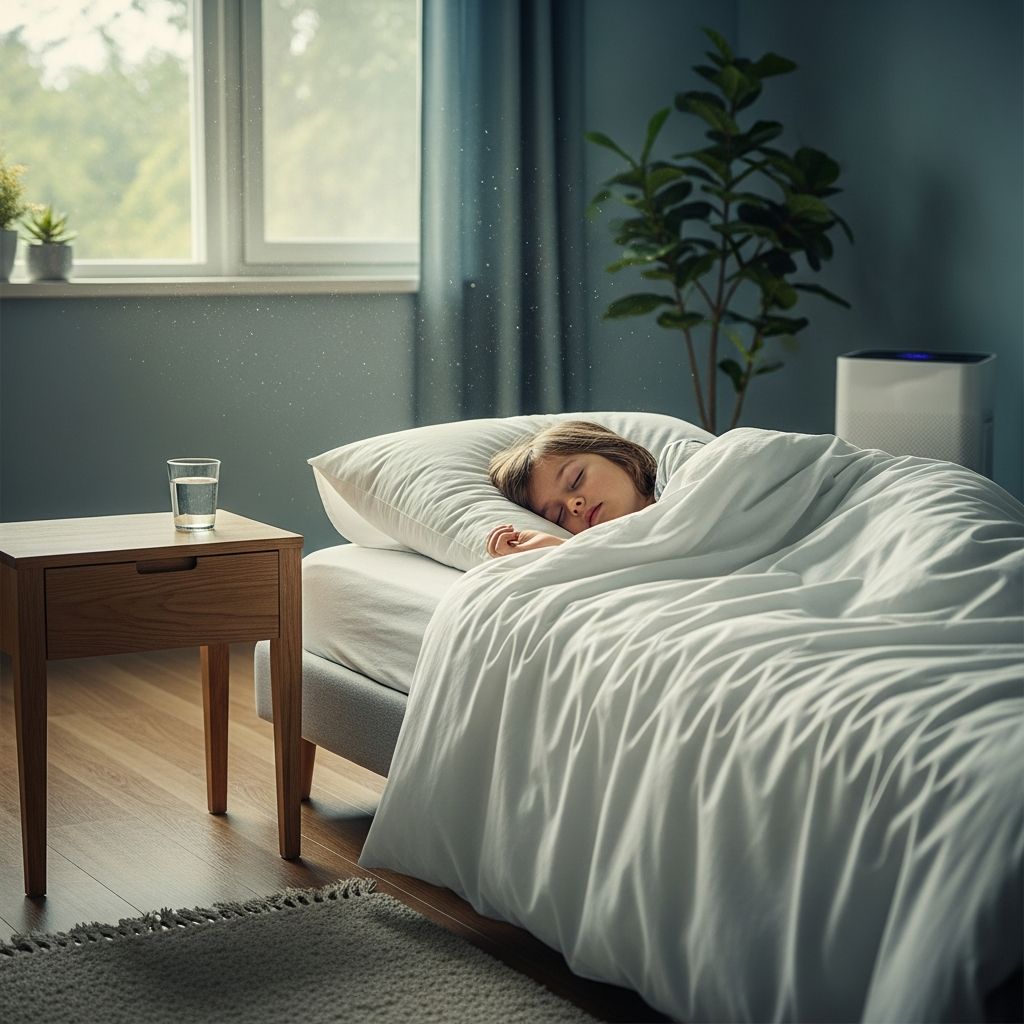
Dust mite allergies affect millions of children worldwide, triggering uncomfortable symptoms that disrupt daily life and sleep. These tiny arachnids thrive in household dust, feeding on dead skin cells shed by humans and pets. Their waste products serve as potent allergens, provoking immune responses in sensitive kids. Early recognition and proactive management can significantly reduce exposure and alleviate reactions, improving quality of life.
Understanding the Nature of Dust Mites
Dust mites are microscopic creatures, invisible to the naked eye, measuring about 0.2 to 0.3 millimeters in length. Unlike insects, they belong to the arachnid family, related to spiders and ticks. They flourish in warm, humid environments, with optimal conditions between 68-77°F (20-25°C) and humidity levels above 50%. Common hiding spots include bedding, upholstered furniture, carpets, and stuffed toys, where they multiply rapidly.
A single gram of dust can harbor up to 19,000 dust mites, producing allergens through their feces and shed skin. These proteins become airborne easily, inhaled or contacting skin, especially during sleep when children spend significant time in bed. Unlike outdoor allergens, dust mites are perennial, causing year-round symptoms without seasonal relief.
Common Symptoms in Children
Children with dust mite sensitivity often experience respiratory issues mimicking a persistent cold. Key signs include:
- Persistent sneezing, especially upon waking
- Runny or stuffy nose with clear mucus
- Coughing, often worsening at night
- Itchy, watery, red eyes (allergic conjunctivitis)
- Itchy throat, nose, or roof of mouth
- Postnasal drip leading to throat irritation
Skin manifestations may appear as eczema flares, characterized by red, itchy patches, particularly on the face, arms, and legs. In children with asthma, exposure can provoke wheezing, chest tightness, shortness of breath, and exacerbated coughing. Dark circles under the eyes, known as ‘allergic shiners,’ and sinus pressure are additional clues. Symptoms typically onset within 15 minutes of exposure and persist until allergens are removed.
| Severity | Respiratory Symptoms | Skin/Eye Symptoms | Asthma-Related |
|---|---|---|---|
| Mild | Sneezing, runny nose | Itchy eyes, mild rash | None |
| Moderate | Stuffy nose, coughing | Watery eyes, eczema flare | Mild wheezing |
| Severe | Postnasal drip, sinus pain | Hives, severe itch | Chest tightness, breathing difficulty |
How Dust Mite Allergies Are Diagnosed
Diagnosis begins with a detailed history of symptoms, noting patterns like nighttime worsening or bed-related triggers. Allergists use skin prick tests, applying dust mite extract to the skin and pricking it. A positive reaction shows as a raised wheal (red bump) within 15-20 minutes, measuring sensitivity level. Blood tests, such as specific IgE assays, detect antibodies to dust mite proteins if skin tests are unsuitable for young children.
These tests confirm sensitivity but not always clinical allergy; correlating with symptoms is crucial. Patch testing may assess skin reactions for eczema cases.
Proven Strategies for Prevention at Home
Reducing dust mite populations requires consistent environmental controls, focusing on the bedroom as primary exposure site.
Bedding and Sleep Area Controls
Encase mattresses, box springs, and pillows in allergen-proof zippered covers made of tightly woven fabric, blocking mites and allergens. Wash all bedding weekly in hot water (at least 130°F or 54.4°C) to kill mites, followed by high-heat drying. Replace pillows every 1-2 years or use synthetic fills less prone to mite growth.
Humidity and Ventilation Management
Maintain indoor humidity below 50% using dehumidifiers, air conditioners, or desiccants. Ventilate rooms daily, avoiding humidifiers that foster mite growth. In humid climates, these measures are essential.
Cleaning and Decluttering Routines
- Vacuum carpets, rugs, and upholstery weekly with a HEPA-filter vacuum to trap allergens.
- Wipe hard surfaces with damp cloths to avoid spreading dust.
- Minimize clutter like books, knick-knacks, and stuffed animals; wash or freeze toys weekly.
- Opt for hard flooring over wall-to-wall carpets, especially in bedrooms.
- Keep pets out of sleeping areas to reduce dander fueling mite food supply.
Regular maintenance prevents re-infestation, with noticeable improvements in 4-6 weeks.
Medical Treatments for Symptom Relief
When avoidance falls short, medications target immune responses and inflammation.
Over-the-Counter Options
Antihistamines like cetirizine (Zyrtec), loratadine (Claritin), or fexofenadine (Allegra) block histamine, easing sneezing, itching, and runny nose. Available in child-friendly liquids or chewables, they are non-drowsy for most kids. Decongestants provide short-term congestion relief but limit nasal sprays to 3 days to avoid rebound effects.
Nasal Corticosteroids and Sprays
Inhaled steroids such as fluticasone (Flonase) or mometasone (Nasonex) reduce nasal inflammation effectively. Prescription-strength options offer faster relief, with full effects in weeks. Saline nasal irrigation flushes allergens, safe for daily use in children over 2.
Advanced Prescription Therapies
Leukotriene modifiers like montelukast (Singulair) inhibit inflammatory chemicals, useful for asthma-linked allergies. Eye drops with antihistamines soothe ocular symptoms.
Immunotherapy: Long-Term Solution
For persistent cases, allergen immunotherapy desensitizes the immune system. Subcutaneous shots start weekly with escalating dust mite extract doses over 3-6 months, then monthly for 3-5 years. Sublingual tablets, placed under the tongue, offer a needle-free alternative approved for ages 5+.
Success rates exceed 80%, reducing medication needs and symptoms long-term. Consult an allergist to assess suitability.
Special Considerations for Children
Younger kids may outgrow sensitivities, but monitoring is key. Integrate routines playfully, like ‘mite monster hunts’ during cleaning. Schools contribute by using HEPA vacuums and low-pile rugs. Track symptoms with journals to refine strategies.
Comorbidities like asthma require coordinated care; biologics may address severe cases per recent guidelines.
Frequently Asked Questions (FAQs)
Can dust mite allergies cause asthma in children?
Yes, exposure can trigger or worsen asthma, causing wheezing and breathing issues. Control measures significantly mitigate risks.
How long does it take to see improvement after changes?
Typically 2-4 weeks for symptom reduction, with full benefits in 1-3 months of consistent effort.
Are allergy-proof covers enough alone?
No, combine with washing, humidity control, and cleaning for comprehensive protection.
Is immunotherapy safe for kids?
Yes, when supervised by specialists, with high efficacy and safety profiles.
What if symptoms persist despite efforts?
Seek allergist evaluation for testing, medications, or immunotherapy.
References
- Allergy to Dust Mites — Allergy & Asthma Network. 2023. https://allergyasthmanetwork.org/allergies/allergy-to-dust-mites/
- Dust Mite Allergy Symptoms, Causes, and Treatments — Benadryl. 2024. https://www.benadryl.com/allergies/dust-mite-allergy-symptoms-relief
- House Dust Mite — Better Health Channel, Victoria Government. 2023-01-17. https://www.betterhealth.vic.gov.au/health/conditionsandtreatments/house-dust-mite
- Dust Mite Allergy: Causes, Symptoms & Treatment — Cleveland Clinic. 2024-05-15. https://my.clevelandclinic.org/health/diseases/17712-dust-mite-allergy
- Dust Allergy | Causes, Symptoms & Treatment — American College of Allergy, Asthma & Immunology (ACAAI). 2024. https://acaai.org/allergies/allergic-conditions/dust-allergies/
- Dust Allergy Treatment in Charlotte — Carolina Asthma & Allergy Center. 2023. https://www.carolinaasthma.com/dust-allergies/
- Dust Mite Allergy – Diagnosis & Treatment — Mayo Clinic. 2024-08-22. https://www.mayoclinic.org/diseases-conditions/dust-mites/diagnosis-treatment/drc-20352178