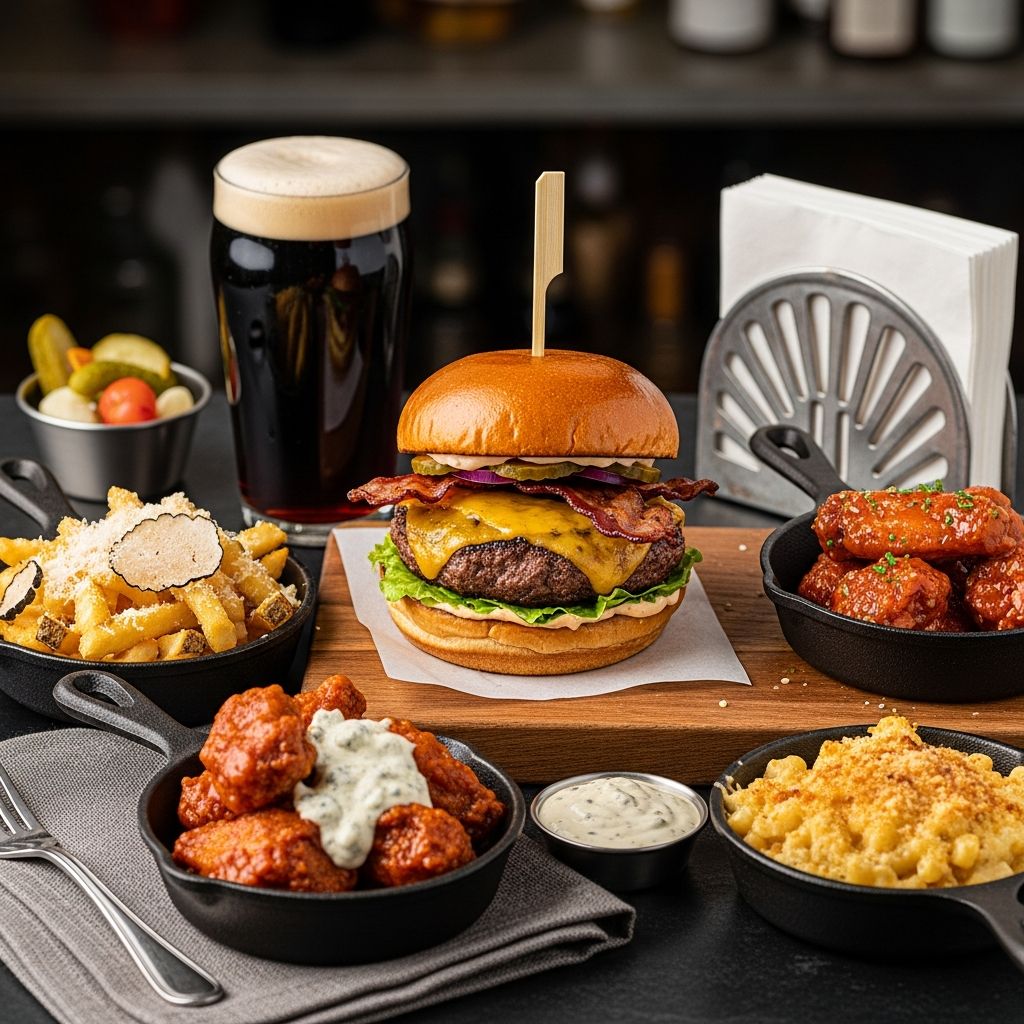
Overloaded burgers stacked with patties, cheese, and exotic toppings dominate menus and social feeds, embodying what many call dude food. This culinary trend ties directly into evolving ideas of manhood, emerging prominently after the 2008 economic downturn when traditional provider roles faltered for many young men. Food industries capitalized on this shift, crafting marketing that positioned indulgent, extreme eats as badges of authentic masculinity, free from feminine connotations like portion control or nutrition focus.
The Birth of Dude Food in a Shifting Economy
The Great Recession left a mark on millennial men, many facing unemployment or underemployment, challenging the classic image of the stoic breadwinner. In response, food marketers introduced the ‘dude’ archetype: a laid-back, average guy who embraced oversized portions and bold flavors without apology. This persona allowed men to engage with products once seen as women’s domain—think diet yogurts in rugged packaging or cookbooks pitched as no-fuss bro guides—without risking their masculine cred.
Emily Contois, in her analysis of food media, describes this as a strategic cultural construct. Marketers used slacker humor and anti-elite vibes to sell everything from spicy wing challenges to bacon-infused everything, reassuring consumers that indulgence equaled strength. Guy Fieri’s Flavortown empire exemplifies this, with shows celebrating greasy diners and massive platters as realms of true manhood.
Defining Traits of Dude Cuisine
Dude food isn’t just big; it’s aggressively so. Key characteristics include:
- Excessive Scale: Burgers with multiple patties, towering stacks that defy practicality, signaling unbridled appetite.
- Spice and Heat: Wings doused in nuclear sauces, testing endurance as a rite of passage.
- Bacon Domination: Everything wrapped, topped, or infused with bacon, amplifying savory excess.
- Messy Presentation: Dripping sauces and overflowing fillings that demand fearless eating.
- Comfort with Edge: Familiar junk food twisted into apocalyptic versions, like quadruple-decker apocalypse burgers.
These elements create a sensory assault, where flavor overload mirrors a rejection of restraint, often coded as feminine. Yet, this style permeates fast-casual chains and home cooking influencers alike.
Marketing’s Role in Cementing Gendered Eating
Food brands didn’t stumble into dude food; they engineered it. Post-recession, products traditionally aimed at women—low-cal yogurts, diet sodas—got repackaged with abs-shaped containers or bro humor to lure male buyers. Weight loss programs followed suit, offering dude-specific plans that framed dieting as a casual bro quest rather than disciplined effort.
Television amplified this: Shows like Diners, Drive-Ins and Dives glorified roadside excess, positioning the host as the ultimate dude navigator. Such media reinforced that real men conquer calories, not count them, embedding these norms in popular culture.
| Product Type | Traditional Marketing | Dude Food Pivot |
|---|---|---|
| Yogurt | Slender women, fruit flavors | Muscular packaging, high-protein claims |
| Diet Soda | Weight loss for her | Zero-sugar for gym bros |
| Cookbooks | Precise recipes | Slacker guides with beer pairings |
| Wings | Party snack | Spice challenges for men |
This table illustrates the shift, blending indulgence with masculinity to expand markets.
Health Consequences for Individuals and Families
While a rare blowout meal harms no one, dude food’s normalization poses risks. These meals pack excessive calories, sodium, and fats, contributing to obesity, heart disease, and diabetes. Men, socialized to prioritize size over nutrition, often skip veggies or balance, modeling poor habits for children.
Families suffer when dads default to takeout towers or grill marathons, sidelining shared, nutritious meals. Kids absorb the message: boys eat big and messy, girls pick at salads. This reinforces stereotypes, limiting girls’ appetites and pressuring boys into overeating.
How Dude Food Reinforces Toxic Gender Norms
At its core, dude food upholds patriarchal binaries. Men’s appetites are framed as voracious and destructive, women’s as controlled and light. This ‘gender contamination’ fear—eating ‘feminine’ foods like quiche or yogurt risking emasculation—stems from deeper power structures.
The dude archetype resists elite masculinity (six-packs, ambition) but stays atop the hierarchy, marginalizing women, non-white men, and queer identities. Whiteness and straightness underpin it, with affluence enabling the excess.
“Gender contamination is the product of a patriarchal society… Examining gender in food media provides an opportunity to unpack and challenge these structures of power.”
Fathers, Food, and Family Dynamics
Kitchen roles remain gendered: women as nurturers, men as grill masters. Dude food lets men claim culinary space without full domestic commitment, but it shortchanges bonding over balanced meals. Fathers cooking massive ribs might thrill kids short-term, yet long-term health lags.
Positive shifts occur when men integrate family. Grilling veggies or prepping salads alongside steaks expands horizons, teaching kids appetite diversity isn’t gendered.
Guy Fieri: From Dude Icon to Family Man
Guy Fieri embodies dude food’s evolution. His frosted tips and catchphrases celebrate excess, but recent collabs with son Hunter blend indulgence with father-son rituals—cooking carnitas, sharing nachos. This marries dude flair with domesticity, proving men can revel in flavor without isolation.
Fieri’s arc suggests dude food’s future: Inclusive, familial, less destructive. Bonding over food trumps solo conquests.
Reimagining Masculinity Through Balanced Plates
Moving forward means broadening food masculinity. Men can embrace salads, spices on veggies, or precise cooking sans threat. Education counters stereotypes: Schools and media promoting diverse eaters help kids.
Practical Tips for Dads:
- Scale down portions for family feasts.
- Incorporate veggies into dude favorites, like loaded fries with greens.
- Cook together, letting kids choose ingredients.
- Model variety: Try global cuisines weekly.
- Discuss food openly, debunking boy-food myths.
Health orgs like the CDC note balanced diets cut chronic disease risks, applicable universally.[CDC Dietary Guidelines]
Frequently Asked Questions
What exactly is dude food?
Dude food refers to oversized, flavor-bomb meals like massive burgers, spicy wings, and bacon-wrapped items, marketed as peak masculine eats.
Is dude food unhealthy?
Typically yes, due to high calories, fats, and sodium, but occasional enjoyment is fine; daily reliance risks health issues.
How does it affect children?
It instills gendered eating norms, potentially leading boys to overeat and girls to undereat, harming lifelong habits.
Can fathers enjoy it responsibly?
Absolutely—pair with family activities, balance with nutrition, and use as bonding, like Fieri does.
What’s next for food culture?
A shift to inclusive masculinity, where men embrace diverse, healthy foods without stigma.
Building Healthier Food Identities
Challenging dude food means questioning why excess equals manhood. Men leading by example—grilling fish, mastering salads—paves the way. Food media must diversify, showcasing varied masculinities. Ultimately, plates reflect values: Opt for nourishment that unites, not divides.
References
- Diet Yogurt and Guy Fieri: How Food Media Constructed “Dude” Masculinity — Boston University. 2021-04-20. https://www.bu.edu/articles/2021/how-food-media-constructed-dude-masculinity-emily-contois/
- ‘Dude Food’ Has Gone Too Far And It’s Hurting Families — Fatherly. Accessed 2026. https://www.fatherly.com/health/dude-food-masculinity
- Diners, Dudes, and Diets — Nursing Clio. 2020-11-17. https://nursingclio.org/2020/11/17/diners-dudes-and-diets/
- Diners, Dudes, & Diets: How Gender and Power Collide in Food Media and Culture — Center for 21st Century Studies, UWM. 2023-01-30. https://www.c21uwm.com/2023/01/30/diners-dudes-and-diets-how-gender-and-power-collide-in-food-media-and-culture-2020-by-emily-j-h-contois/
- Dietary Guidelines for Americans, 2020-2025 — U.S. Department of Health and Human Services / USDA. 2020-12-01. https://www.dietaryguidelines.gov/sites/default/files/2020-12/Dietary_Guidelines_for_Americans_2020-2025.pdf