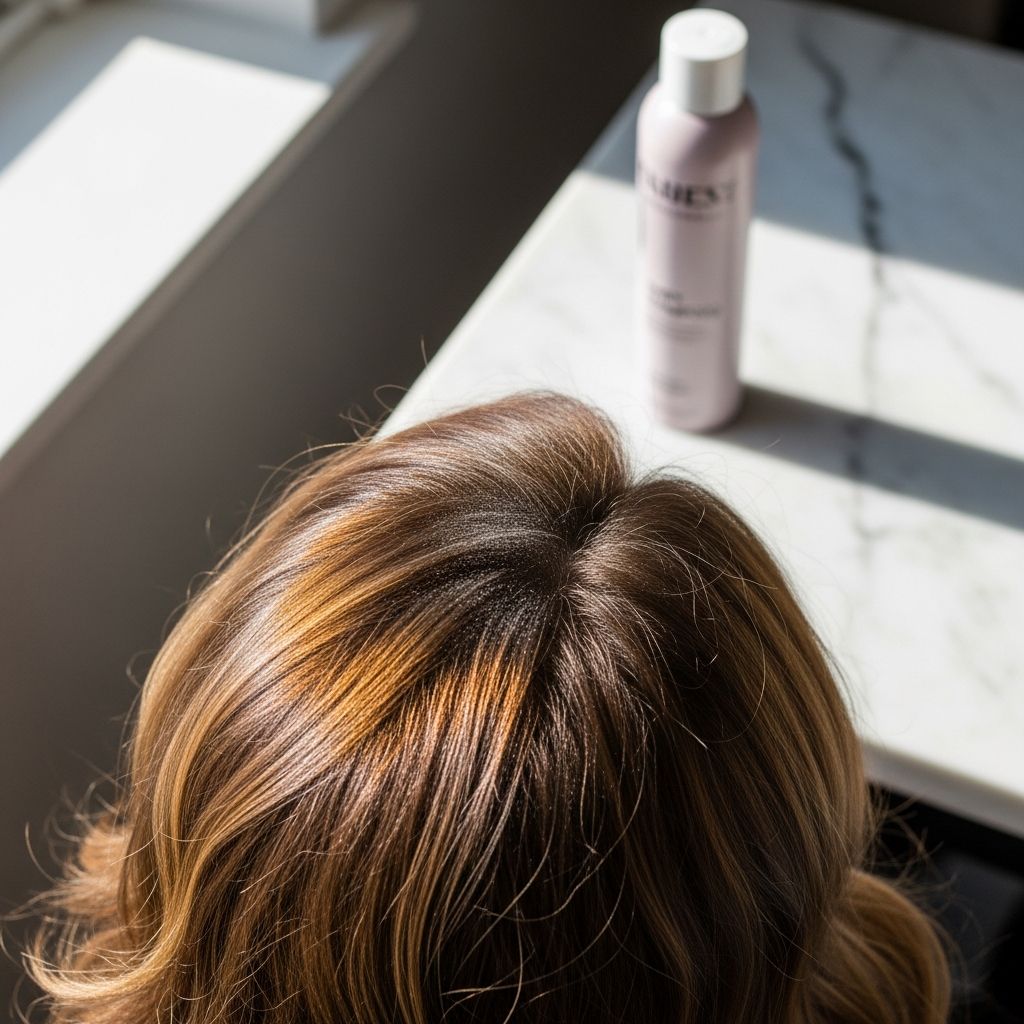
In an era defined by fast-paced lifestyles and unexpected disruptions like global pandemics, dry shampoo has emerged as a game-changer in personal grooming. This innovative product allows individuals to refresh their hair without the need for water, saving time and maintaining style on the go. What began as a convenience for models and celebrities has now become a household essential, particularly highlighted during periods of isolation and remote work.
The Evolution of Hair Refreshers Through Time
Dry shampoo’s roots trace back centuries, evolving from simple powders used by ancient civilizations to sophisticated aerosol formulas today. Historically, people employed cornstarch, talcum powder, or even flour to absorb excess oil from scalps when water was scarce. Fast-forward to the 20th century, and brands began packaging these absorbents with fragrances and propellants for easier application.
By the 1970s, dry shampoos gained traction in professional beauty circles, but it wasn’t until the digital age that they exploded in popularity. Social media influencers and busy professionals championed them as must-haves, demonstrating quick fixes for second- or third-day hair. The product’s appeal lies in its simplicity: spray, massage, and style—no rinsing required.
Why Dry Shampoo Became Indispensable During Lockdowns
When stay-at-home orders turned homes into offices and gyms, traditional washing routines faltered. Limited water access in some regions, coupled with the mental load of constant cleaning, pushed many toward waterless alternatives. Dry shampoo stepped in as a reliable partner, extending the life of blowouts and adding volume to limp strands.
Users reported feeling more put-together for video calls, with refreshed roots providing an instant confidence boost. This shift wasn’t temporary; post-restriction surveys showed sustained adoption, as people valued the time savings—up to 20 minutes per use—for family duties or self-care.
- Time Efficiency: Perfect for mornings rushed with kids or work prep.
- Water Conservation: Eco-friendly option amid growing sustainability concerns.
- Versatility: Works on various hair types, from fine to curly.
Science Behind the Magic: How Dry Shampoos Work
At its core, dry shampoo relies on absorbent powders like rice starch, silica, or clay to soak up sebum—the natural oil produced by sebaceous glands. These particles cling to oily strands, creating a matte finish that mimics freshly washed hair. Propellants disperse the formula evenly, while added ingredients like essential oils mask odors and provide hold.
Modern formulations go further, incorporating polymers for texture and volumizing agents to lift roots. Unlike liquid shampoos that cleanse via surfactants, dry versions don’t remove buildup entirely but manage it effectively for 1-2 days. Dermatologists note that overuse can lead to residue accumulation, recommending rotation with wet washes for scalp health.
| Ingredient | Function | Hair Type Benefit |
|---|---|---|
| Rice Starch | Oil Absorption | All types, gentle on sensitive scalps |
| Silica | Volumizing | Fine, limp hair |
| Kaolin Clay | Detoxifying | Oily or product-heavy hair |
| Essential Oils | Scent & Soothing | Scalp irritation relief |
Choosing the Right Dry Shampoo for Your Hair
Selecting a dry shampoo starts with assessing your hair’s needs. Those with fine, oily hair benefit from lightweight, clear formulas that avoid white residue. Thick or curly locks may prefer tinted versions matching their shade for seamless blending. Always check for alcohol-free options if you have a dry scalp.
Application technique matters: part hair into sections, spray 10-12 inches away, wait 2 minutes, then brush out. For best results, apply at night to let powders work overnight. Experiment with brands to find your match—some excel in volume, others in fragrance longevity.
Real-Life Transformations: Stories from Everyday Users
Countless individuals credit dry shampoo with maintaining their sanity amid chaos. A working mother shared how it allowed her to skip wash days entirely during remote schooling peaks, focusing energy on meals and playtime. Athletes, too, have embraced it; post-workout refreshers keep hair fresh without full showers, preserving skin’s natural moisture barrier.
Innovation in this space continues, with entrepreneurs developing ‘showerless’ shampoos tailored for active lifestyles. These products emphasize clean ingredients, avoiding talc or parabens, and cater to the wellness crowd seeking multifunctional beauty tools.
Health Considerations and Best Practices
While convenient, moderation is key. The American Academy of Dermatology advises limiting use to 2-3 times weekly to prevent pore clogging, which could exacerbate dandruff or folliculitis. Those with color-treated hair should opt for sulfate-free variants to preserve vibrancy.
Pair dry shampoo with a solid routine: weekly scalp scrubs, nourishing masks, and hydration from within via diet. If irritation occurs, discontinue and consult a trichologist. Long-term, it complements sustainable habits by reducing laundry loads and water usage.
Styling Hacks to Elevate Your Dry Shampoo Game
Beyond basics, dry shampoo enhances creativity. Mix with sea salt for beachy texture, or layer under curls for definition. Upside-down application at roots maximizes lift, ideal for ponytails or buns. Influencers swear by it for ’90s supermodel volume: spray, tease lightly, and set with mist.
- Invert head and mist roots generously.
- Massage with fingertips for even distribution.
- Blow-dry on cool for extra oomph.
- Style as desired—braids hold better on textured bases.
Frequently Asked Questions (FAQs)
Can dry shampoo damage my hair over time?
No, when used correctly, it doesn’t damage hair. However, excessive buildup may weigh strands down; alternate with regular shampoos to maintain scalp balance.
Is dry shampoo suitable for all hair colors?
Yes, tinted options match light, medium, and dark shades, eliminating white casts. Clear formulas work universally but may show on very dark hair.
How often should I use dry shampoo?
2-3 times per week is ideal, extending washes to every 3-4 days. Listen to your scalp—if oily, increase frequency cautiously.
Does it work on curly or textured hair?
Absolutely; it defines curls by absorbing oil without drying out coils. Choose formulas with moisturizing agents for best results.
Are there natural alternatives to commercial dry shampoos?
Yes, DIY blends of arrowroot powder, cocoa (for brunettes), and herbs offer gentle refreshment, though they lack the convenience of sprays.
The Future of Waterless Hair Care
As sustainability drives innovation, expect smarter dry shampoos: biodegradable packaging, microbiome-friendly formulas, and app-linked dispensers for precise dosing. With busy schedules here to stay, this category will expand, blending tech with tradition for effortless glamour.
From pandemic ally to everyday essential, dry shampoo proves that small changes yield big impacts on confidence and routine. Embrace it wisely, and unlock fresher, fuller hair daily.
References
- Hair Cosmetics: An Overview — International Journal of Trichology (PubMed). 2015-01-15. https://www.ncbi.nlm.nih.gov/pmc/articles/PMC4387693/
- Dry Shampoo: A Review of Ingredients and Safety — Journal of Cosmetic Dermatology. 2022-06-10. https://doi.org/10.1111/jocd.14567
- Scalp Health Guidelines — American Academy of Dermatology Association. 2024-03-22. https://www.aad.org/public/everyday-care/hair-scalp-care/scalp
- Innovations in Waterless Hair Products — Cosmetic Executive Women (CEW) Report. 2023-11-05. https://www.cew.org/research/
- Sustainable Beauty Trends — Nielsen Consumer Insights. 2025-01-14. https://www.nielsen.com/insights/report/sustainable-beauty/