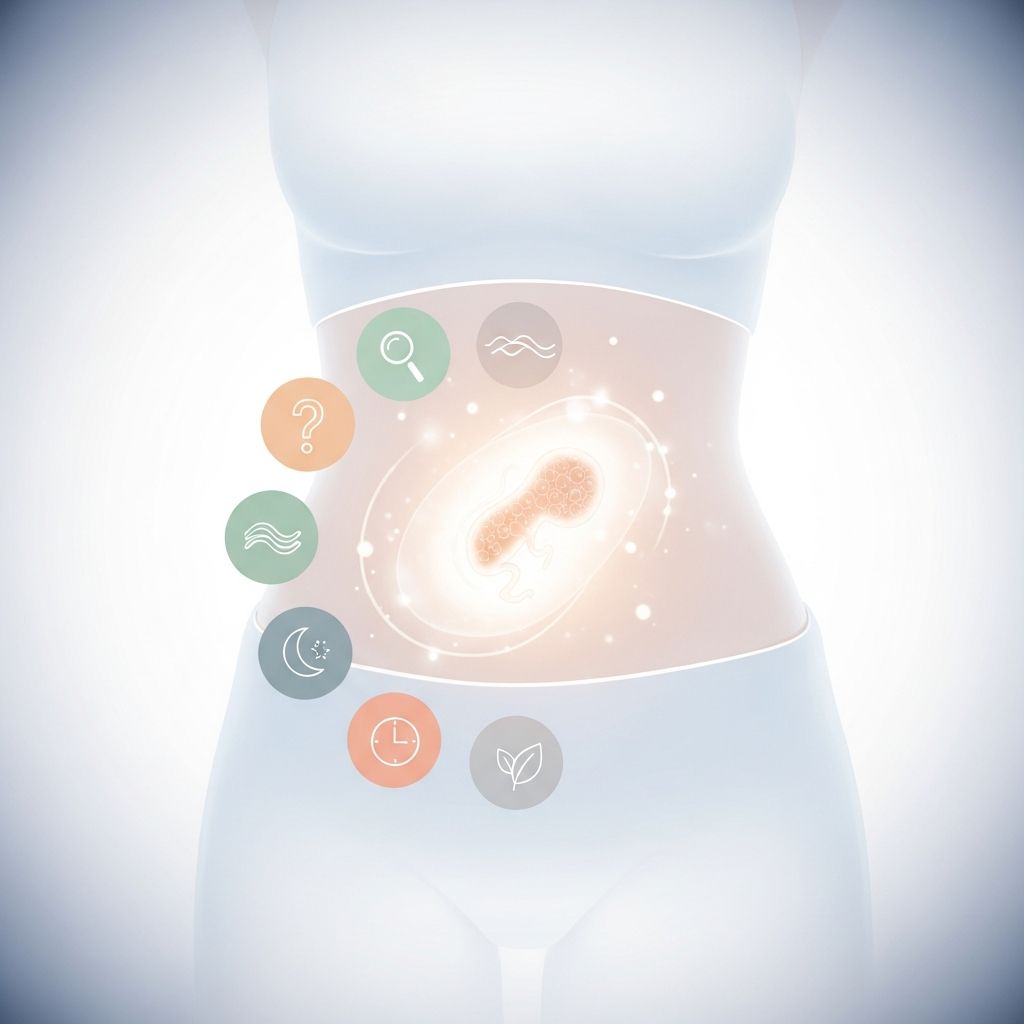
The days after ovulation can feel like an emotional roller coaster when you are trying to conceive. Every twinge, drop of fatigue, or change in your breasts can trigger the question: “Is this finally it?” Understanding what happens biologically after ovulation and which symptoms matter can help you feel calmer and more in control.
What “DPO” Actually Means
DPO stands for “days past ovulation.” It describes each day after your ovary releases an egg and before your next period starts or a pregnancy is confirmed. This time is also known as the luteal phase of your menstrual cycle.
During the luteal phase, your body produces more progesterone, a hormone that prepares the uterine lining for a possible pregnancy. Progesterone can create many sensations that feel similar to pregnancy symptoms, even when the egg has not been fertilized.
The Two-Week Wait: Why It Feels So Intense
Ovulation typically happens about two weeks before your next period. From that point until the day your period is due, you are in what many call the “two-week wait.” This stretch of time can feel long, uncertain, and emotionally charged, especially if you have been trying to conceive for a while.
Because pregnancy tests usually cannot detect the hormone human chorionic gonadotropin (hCG) immediately after fertilization, symptoms often become the only clues you have. That is why many people pay close attention to daily changes during this phase.
Key Hormones After Ovulation
To understand DPO symptoms, it helps to look at the major hormones working behind the scenes:
- Progesterone: Rises after ovulation, thickens the uterine lining, can cause fatigue, bloating, breast tenderness, and mood swings whether or not you are pregnant.
- Estrogen: Often dips right after ovulation and then rises again; shifts in estrogen can contribute to headaches, emotional changes, and cervical mucus changes.
- hCG (if pregnancy occurs): Released after implantation, typically several days after fertilization, and gradually increases. This hormone is what pregnancy tests detect.
What Is Happening in Your Body by Phase
Every body is unique, but it can be helpful to divide the days past ovulation into three broad phases and explore what many people notice in each.
Early Phase: 1–5 Days Past Ovulation
In the first few days after ovulation, fertilization (if it happens) takes place in the fallopian tube. The resulting cell cluster begins traveling toward the uterus. At this point, implantation has not yet occurred, so your body has not begun making pregnancy-specific hormones.
Most symptoms in this window are driven by progesterone, not pregnancy. Common experiences include:
- Mild pelvic or lower back cramping
- Breast fullness or tenderness
- Subtle bloating or a feeling of heaviness
- Tiredness or a desire to sleep earlier than usual
- Mood swings or increased irritability
Middle Phase: 6–10 Days Past Ovulation
For people who conceive, implantation often takes place somewhere in this middle phase, typically around 8–10 DPO, though there is a normal range on either side. Once the embryo attaches to the uterine wall, the body begins to produce hCG.
Symptoms might start to feel a little different as hormones shift, but they still strongly overlap with premenstrual symptoms. You might notice:
- Cramping that comes and goes, sometimes sharper or more localized
- Very light spotting or a tiny amount of brown or pink discharge
- Increased breast sensitivity or darker nipples
- A stronger sense of smell or new reactions to odors
- Mild nausea, especially on an empty stomach
- More frequent urination or a feeling of pressure low in the pelvis
Later Phase: 11–14+ Days Past Ovulation
As you approach the time your period is due, hormone levels diverge depending on whether implantation occurred. If pregnancy has begun, hCG rises and progesterone remains elevated. If not, progesterone begins to fall and your uterine lining prepares to shed.
In this phase, the most meaningful sign is often a missed or unusually light period, but other symptoms may include:
- Stronger breast tenderness or noticeable fullness
- More pronounced fatigue or feeling “wiped out”
- Nausea that is more persistent or appears at specific times of day
- Mood changes, from weepiness to irritability
- Abdominal or back cramping that may feel like PMS
Common DPO Symptoms and What They Can Mean
It is natural to search for a single, clear sign that confirms pregnancy, but most DPO symptoms have more than one possible explanation. The table below gives an overview.
| Symptom | Possible pregnancy link | Other common explanations |
|---|---|---|
| Mild cramping | Uterus responding to implantation and early hormonal changes | Normal luteal-phase cramps, digestive upset, muscle tension |
| Spotting | Light implantation bleeding around the time the embryo attaches | Hormonal fluctuations, irritation of the cervix, breakthrough bleeding |
| Breast soreness | Increasing progesterone and hCG after implantation | Typical premenstrual changes, new exercise routine, medication effects |
| Fatigue | Body diverting energy to support early pregnancy, higher progesterone | Poor sleep, stress, illness, anemia, or routine life demands |
| Nausea | Rising hCG and sensitivity of the digestive system | Viral illness, food sensitivities, anxiety, irregular eating patterns |
| Frequent urination | Increased blood flow to the pelvic area in early pregnancy | High fluid intake, caffeine, urinary tract irritation, anxiety |
| Heightened sense of smell | Hormonal shifts affecting sensory perception | Environmental changes, migraines, heightened awareness |
Implantation: How and When It Happens
After fertilization, the developing embryo travels down the fallopian tube toward the uterus. This journey may take several days. Once it reaches the uterine cavity, it must attach itself to the thickened lining to continue developing.
This process, called implantation, usually occurs somewhere between about 6 and 12 days past ovulation. Some people notice a brief change in discharge, subtle cramps, or very light spotting around this time, while others feel nothing at all.
Early Pregnancy vs Premenstrual Symptoms
Many early pregnancy sensations are nearly identical to what you might feel before your period. This overlap can be confusing, but you can look at patterns rather than focusing on a single symptom.
Things that may lean more toward early pregnancy (though never guarantee it) include:
- Breast changes that feel more intense or different than your usual PMS
- Nausea or food aversions that appear suddenly and persist
- Fatigue that feels disproportionately strong for your activity level
- A period that is late, unusually light, or shorter than normal
When to Take a Pregnancy Test
Home pregnancy tests are designed to detect hCG in urine. This hormone takes time to build up after implantation, which is why testing too early can give a false negative even if you are pregnant.
General guidance includes:
- Testing around the day your period is due or later provides the most reliable result.
- Some sensitive tests may show a faint positive a few days beforehand, but negative results that early are not conclusive.
- Testing first thing in the morning often yields a more concentrated sample and clearer result.
Practical Tips for Coping with the Two-Week Wait
The emotional strain of interpreting every DPO symptom can be exhausting. Building coping strategies can protect your mental and physical well-being while you wait for clearer answers.
Helpful approaches might include:
- Limiting how often you symptom-spot or search online each day.
- Focusing on routines that support overall health, such as gentle exercise, balanced meals, and consistent sleep.
- Journaling your feelings instead of repeatedly checking for physical changes.
- Talking openly with a partner, trusted friend, or counselor about your worries and hopes.
When to Talk to a Healthcare Professional
Mild discomfort, mood shifts, and slight changes in discharge are usually normal in the DPO window. However, there are times when professional advice is important.
Contact a healthcare provider if you experience:
- Severe or one-sided pelvic pain
- Heavy bleeding, especially with clots or dizziness
- Persistent vomiting or inability to keep fluids down
- Symptoms that worry you or feel very different from your usual cycle
Supporting Fertility During the Luteal Phase
While no lifestyle change can guarantee conception, certain habits can help support a healthy luteal phase and overall reproductive health. Many of these strategies also make the two-week wait more manageable.
- Eating a nutrient-dense diet rich in fruits, vegetables, lean protein, and healthy fats.
- Managing stress with techniques such as deep breathing, yoga, or meditation.
- Avoiding smoking and limiting alcohol, as they can affect both fertility and early pregnancy.
- Following medical guidance on supplements like folic acid when trying to conceive.
FAQs About DPO Symptoms
Can you feel pregnant just a few days after ovulation?
In the first several days after ovulation, most of what you feel is the result of progesterone, not pregnancy-specific hormones. Cramping, breast tenderness, and fatigue are common in a normal cycle and do not necessarily confirm conception.
Is implantation bleeding common?
Light spotting around the time the embryo attaches to the uterine lining is possible, but not everyone experiences it. When it does happen, it is usually lighter and shorter than a regular period and may appear as tiny spots of pink or brown discharge.
Does having no symptoms mean you are not pregnant?
Many people have no noticeable symptoms at all in the days after ovulation and still go on to have healthy pregnancies. The absence of symptoms is not a reliable indicator of whether you conceived in a given cycle.
Are strong DPO symptoms a sign of twins?
Intense early symptoms sometimes lead people to wonder about a multiple pregnancy, but sensation alone cannot confirm this. Only medical imaging and professional evaluation can determine whether you are carrying twins or more.
What if my symptoms change suddenly?
Symptoms can fluctuate from day to day as hormones shift, and a change does not always signal a problem. If you are concerned, especially if pain or bleeding becomes heavy, speak with a healthcare professional for personalized advice.
Taking a Balanced View of DPO Symptoms
Paying attention to your body is valuable, and recognizing patterns can help you feel more connected to your cycle. At the same time, it is important to remember that no single DPO symptom can definitively confirm or rule out pregnancy.
Using symptoms as gentle clues rather than final answers, and pairing them with well-timed pregnancy tests and professional guidance when needed, is the most reliable way to navigate the days after ovulation with clarity and self-compassion.