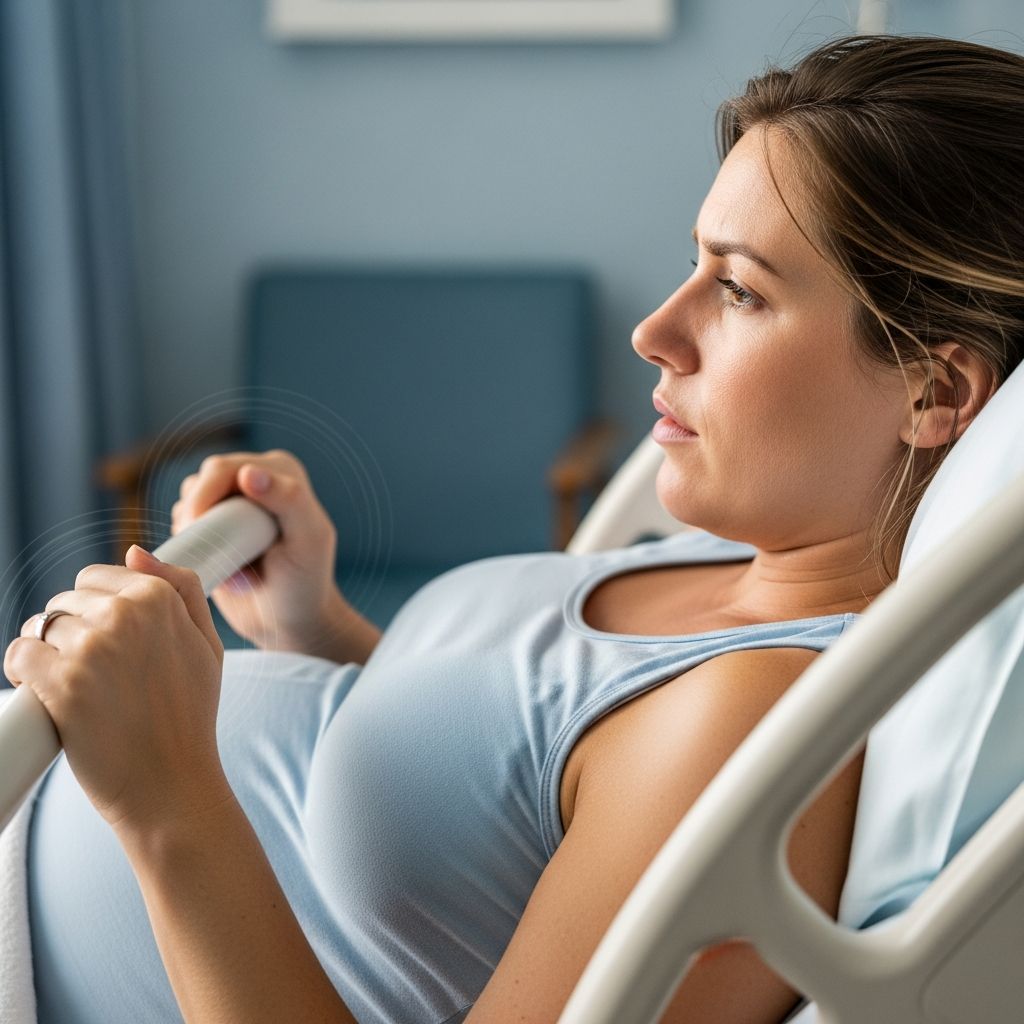
During the intense process of childbirth, many women experience involuntary tremors known as labor shakes. These uncontrollable movements, resembling shivers from cold, stem primarily from hormonal shifts and physical exertion, affecting up to 18-30% of laboring individuals in observed periods. Understanding this phenomenon empowers expectant parents to navigate it confidently without alarm.
The Physiology Behind Labor Tremors
Labor shakes arise from the body’s complex response to the demands of delivery. As contractions intensify, the endocrine system releases key hormones to facilitate birth. Oxytocin, essential for uterine contractions, surges alongside adrenaline and cortisol, preparing muscles for pushing while heightening alertness. This hormonal cocktail can trigger muscle tremors as the nervous system processes overwhelming stimuli.
Research indicates these shakes are often non-thermoregulatory, meaning they occur even when body temperature is normal and blood vessels are dilated, pointing to neurohormonal origins rather than just chilling. In one study of full-term labors, tremors appeared in 18% of pre-delivery observation epochs, with 15% classified as non-temperature related.
Key Hormones Driving the Shakes
- Adrenaline Surge: This fight-or-flight hormone spikes heart rate, redirects blood to muscles, and can induce jitters or tremors, especially as labor progresses.
- Oxytocin Flood: Known for promoting contractions, its postpartum release aids uterine clamping to prevent bleeding, with shakes as a side effect.
- Cortisol Influence: Stress hormone elevations amplify physical responses, contributing to shaking amid pain and fatigue.
These hormones work synergistically, but their rapid fluctuations can overwhelm the body, manifesting as visible trembling.
When Do Labor Shakes Typically Occur?
Tremors most frequently emerge during the transition phase, the final stretch of the first stage of labor (8-10 cm dilation). Here, contractions peak in intensity and frequency—often every 2 minutes lasting up to 90 seconds—pushing the body to its limits. Women often vocalize overwhelm here, aligning with peak hormonal activity.
| Labor Stage | Dilation Range | Shake Likelihood | Common Triggers |
|---|---|---|---|
| Early Labor | 0-6 cm | Low | Mild contractions |
| Active Labor | 6-8 cm | Moderate | Hormone buildup |
| Transition | 8-10 cm | High | Intense surges |
| Pushing/Postpartum | 10-10 cm + | Moderate-High | Exertion, fluid loss |
Post-delivery shakes persist in 16% of cases, lasting minutes to an hour, as hormones recalibrate and the uterus contracts.
Other Contributors to Trembling During Birth
Beyond hormones, several factors can exacerbate or mimic labor shakes:
- Temperature Drops: Sweating and exposure lead to chills; IV fluids or epidurals can cool the body, prompting shivers.
- Exhaustion and Pain: Prolonged labor fatigues muscles, with high pain scores predicting tremors in studies.
- Medical Interventions: Epidurals disrupt temperature sensation, causing the brain to signal shakes; opioids or sedation may contribute.
- Infections or Dehydration: Rare but serious; monitor for fever or other symptoms.
Not all women shake—reactions vary, with some experiencing nausea or itching instead.
Managing and Easing Labor Shakes
While benign in most cases, shakes can feel distressing. Practical strategies include:
- Warmth Application: Use blankets, warm towels, or heating pads to counteract chills.
- Hydrotherapy: Warm showers relax muscles, reduce stress hormones, and soothe tremors.
- Calm Environment: Dim lights, quiet support, and reassurance minimize adrenaline spikes.
- Breathing Techniques: Slow, deep breaths counteract hyperventilation-linked shakes.
- Partner Support: Gentle touch and verbal encouragement foster oxytocin release.
For providers, observing for non-hormonal causes like hemorrhage is key; shakes aid uterine contraction postpartum.
Postpartum Shaking: What to Expect
After birth, tremors help release residual stress hormones, allowing oxytocin to dominate and clamp the uterus—crucial as the placenta detachment creates a large internal wound. This physiologic response typically resolves within 45-60 minutes. Persistent shaking beyond an hour warrants checking for retained placenta or hemorrhage.
Expert Insights from Research
A PubMed study on 52 women confirmed multifactorial tremors: pain and vasoconstriction predicted shakes, even in normothermic states. Certified nurse-midwives note shakes mimic cold shivers but arise from hormonal overload. Doulas emphasize education reduces fear, enhancing birth outcomes.
Frequently Asked Questions (FAQs)
Is shaking during labor a sign of something wrong?
No, it’s usually a normal hormonal response, especially in transition. Consult providers if accompanied by fever, severe pain, or bleeding.
How long do postpartum shakes last?
Typically 15-60 minutes as hormones stabilize and the uterus contracts.
Can epidurals cause more shaking?
Yes, by altering temperature perception, prompting shivers.
Should I worry if I don’t shake?
Not at all—experiences vary; absence doesn’t indicate issues.
How can my birth partner help?
Stay calm, provide warmth, and offer reassurance to lower stress.
Preparing for a Shake-Free(ish) Birth
Prenatal classes on labor physiology build confidence. Discuss preferences in birth plans, including hydrotherapy access. Postpartum, rest and hydration aid recovery. Remember, shakes signal your body’s resilience in welcoming new life.
This guide synthesizes insights for informed, empowered births. Consult healthcare providers for personalized advice.
References
- Shaking During Labor: What is It and Why Does It Happen? — Esperanza Birth. 2023-03-18. https://esperanzabirth.com/shaking-during-labor/
- Why Am I Shaking?! — Doulas of Raleigh. 2023-08-03. https://www.doulasofraleigh.com/blog/2023/8/3/why-am-i-shaking
- Shaking After Birth?? — MamasteFit. N/A. https://mamastefit.com/shaking-after-birth/
- Let’s Talk Labor Shakes — Lori Bregman. N/A. https://www.loribregman.com/blog-1/lets-talk-labor-shakes
- Shivering and shivering-like tremor during labor with epidural analgesia — PubMed (NIH). 1999-06-01. https://pubmed.ncbi.nlm.nih.gov/10360859/
- The Labor Shakes — Pediatrix. N/A. https://www.pediatrix.com/about/for-media/news/the-labor-shakes