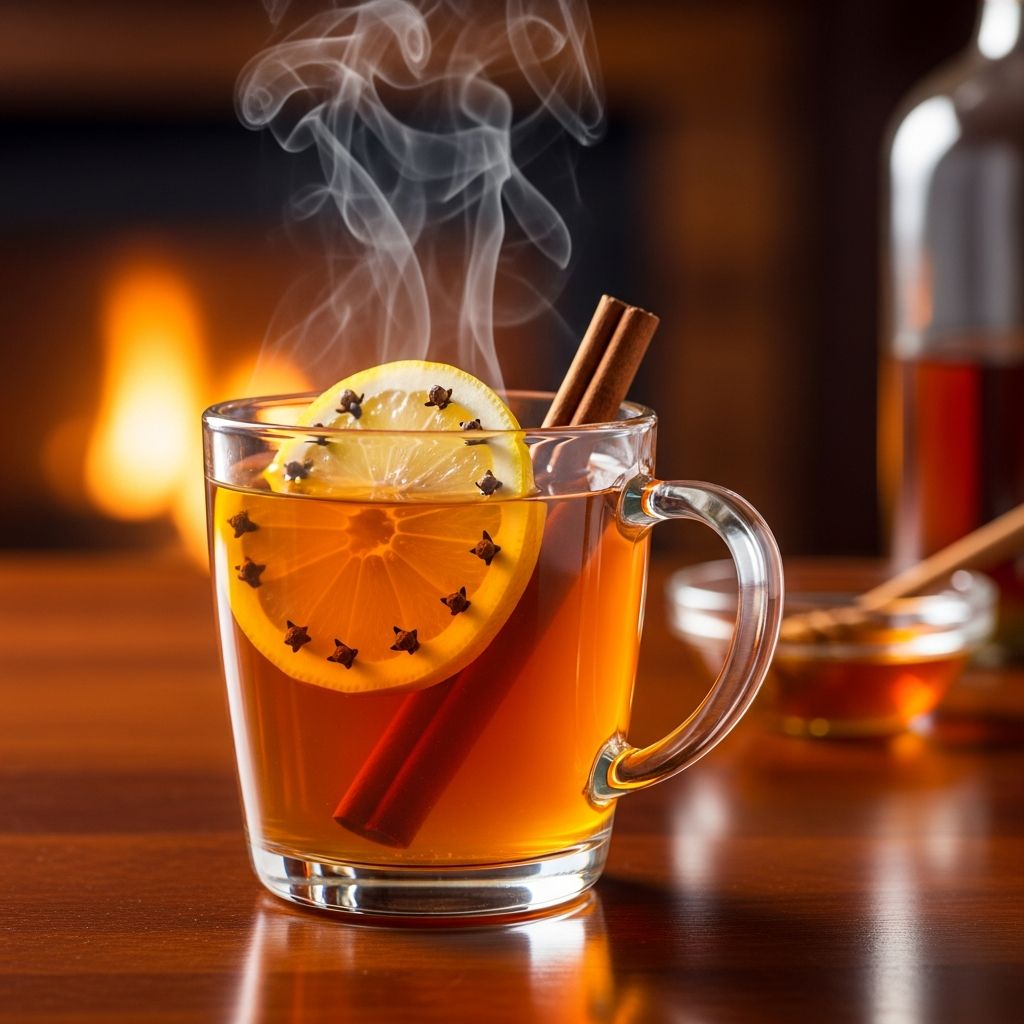
The hot toddy, a steaming blend of whiskey, hot water, honey, and lemon, has long been hailed as a go-to elixir for battling the common cold. Passed down through generations, this drink promises relief from congestion, sore throats, and coughs. But does science support this tradition, or is it merely comforting folklore? This article delves into the evidence, weighing the potential upsides of its components against documented drawbacks, especially from alcohol.
Understanding the Common Cold and Symptom Management
Colds stem from over 200 rhinoviruses and similar pathogens that inflame the upper respiratory tract, causing runny noses, coughs, and fatigue. No cure exists, but symptom relief focuses on hydration, rest, and reducing inflammation. Traditional remedies like hot drinks hydrate and provide warmth, potentially easing discomfort through steam inhalation and soothing liquids.
Key symptoms include:
- Congestion from swollen nasal passages
- Sore throat due to irritation
- Cough triggered by post-nasal drip
- Body aches and poor sleep from inflammation
Effective management prioritizes rest and non-dehydrating aids, as dehydration worsens mucus buildup.
Breaking Down the Hot Toddy Ingredients
A classic hot toddy combines whiskey (1-1.5 oz), honey (1-2 tsp), lemon juice (½ oz), and hot water (4-8 oz), sometimes with spices like cinnamon or cloves. Each element contributes uniquely.
Honey’s Proven Soothing Effects
Honey coats the throat, reducing cough frequency and severity. Studies confirm it outperforms some over-the-counter cough syrups for nocturnal coughs in children and adults, thanks to its antimicrobial and anti-inflammatory properties. It also boosts energy via natural sugars during illness.
Lemon’s Vitamin C Contribution
Fresh lemon supplies vitamin C, an antioxidant that may shorten cold duration by 8-14% if consumed early. It stimulates saliva production, aiding mucus clearance, and adds a tangy flavor that enhances palatability.
Hot Water and Steam Benefits
The heat from boiling water (around 180°F) loosens mucus, while steam moistens nasal passages, mimicking the effects of humidifiers. This combination hydrates and decongests without additives.
Whiskey’s Double-Edged Role
Whiskey’s ethanol (40% ABV) dilates blood vessels, potentially increasing blood flow to inflamed areas and easing congestion temporarily. Its aroma can clear sinuses, and mild sedation promotes sleep. However, these benefits are dose-dependent and short-lived.
Scientific Evidence: What Works and What Doesn’t
Proponents argue the toddy mirrors nighttime cold medicines like NyQuil, combining decongestants, analgesics, and sedatives. Alcohol’s vasodilatory effects aid mucus drainage, steam fights congestion, and honey suppresses coughs.
Yet, skeptics highlight alcohol’s downsides: it dehydrates by increasing urination, suppresses immune cells, and impairs sleep quality despite initial drowsiness. Research indicates moderate alcohol prolongs recovery by hindering white blood cell function. A single small serving (1 oz) minimizes harm, but excess exacerbates symptoms.
| Ingredient | Potential Benefits | Drawbacks | Evidence Level |
|---|---|---|---|
| Honey | Reduces cough, antimicrobial | None significant | High (clinical trials) |
| Lemon | Vitamin C, mucus clearance | Acidity may irritate stomach | Moderate |
| Hot Water | Hydration, steam decongestant | None | High |
| Whiskey | Vasodilation, mild sedation | Dehydration, immunosuppression | Low-mixed |
Historical Roots of the Whiskey Toddy Tradition
Originating in 18th-century Scotland, the toddy (from “toddy,” meaning diluted spirits) was prescribed medicinally. Irish variations used local whiskey for respiratory woes. By the 19th century, it spread to America as a folk cure, akin to chicken soup. Anecdotes from grandparents tout its magic, blending cultural ritual with sensory comfort—warmth evokes care and nostalgia, amplifying placebo effects.
Modern Alternatives: Alcohol-Free Options
For those avoiding alcohol, non-boozy toddies replicate benefits:
- Herbal Tea Base: Chamomile or ginger tea with honey and lemon for anti-inflammatory effects.
- Broth Boost: Chicken or vegetable broth provides electrolytes and protein.
- Spiced Variations: Turmeric golden milk with black pepper enhances curcumin absorption for pain relief.
Evidence supports these: Zinc lozenges shorten colds by 33%, probiotics like Lactobacillus reduce severity, and OTC options like ibuprofen target pain without liver strain.
Safe Preparation and Consumption Guidelines
Optimal Recipe
- Boil 6 oz water.
- Stir in 1 tbsp honey until dissolved.
- Add 1 oz whiskey (bourbon or Irish for smoothness), ½ oz lemon juice.
- Garnish with cinnamon stick; steep 3-5 minutes.
Limit to one per day, ideally evenings, to avoid dehydration. Hydrate with water alongside.
Who Should Skip It
- Pregnant individuals or children (alcohol risk).
- Those on medications (e.g., acetaminophen increases liver toxicity).
- Liver conditions or alcohol sensitivity.
Consult doctors for chronic issues.
Combining with Medications: Precautions
Mixing alcohol with cold meds risks interactions. Ibuprofen is safer than acetaminophen with moderate whiskey. Mucinex DM pairs okay in small doses, but NyQuil’s alcohol content doubles up—opt for capsules. Doctors advise conservatism: one toddy max with single-dose meds.
Frequently Asked Questions
Can a hot toddy cure a cold?
No, it doesn’t cure but may alleviate symptoms like cough and congestion temporarily through its ingredients.
Is whiskey good for coughs?
In small amounts, it aids decongestion and sleep, but honey alone is more effective and safer.
What’s the best whiskey for a toddy?
Mild bourbons or Irish whiskeys avoid overpowering flavors; avoid peaty scotches.
Can kids have hot toddies?
No—omit whiskey; use honey-lemon tea for children over 1 year.
Does alcohol weaken immunity during illness?
Yes, it suppresses immune response and dehydrates, potentially prolonging colds if overconsumed.
Expert Perspectives and Recent Insights
Health experts like those at Healthline caution against whiskey, favoring evidence-backed aids. Conversely, physiological reviews note small doses’ vasodilation benefits, aligning with historical use. Balanced view: Enjoy occasionally for comfort, not as primary treatment.
Post-pandemic, immunity focus emphasizes vaccination, hand hygiene, and nutrition over alcohol remedies. A 2023 study reaffirmed honey’s superiority for coughs, underscoring non-alcoholic components’ value.
Conclusion: Comfort in Moderation
The hot toddy offers symptomatic solace rooted in science for its non-alcoholic parts, with whiskey providing marginal, risky perks. Prioritize hydration, rest, and proven remedies for optimal recovery. When sipped mindfully, it remains a cozy ritual bridging tradition and tentative evidence.
References
- Will Whiskey Help a Cold? Myths and Facts for Cold Remedies — Healthline. 2023-10-15. https://www.healthline.com/health/cold-and-flu/will-whiskey-help-with-a-cold
- Your Aunt Was Right: The Hot Toddy Is the Cure for the Common Cold — VinePair. 2022-11-20. https://vinepair.com/wine-blog/drunk-aunt-right-hot-toddy-cure-common-cold/
- Can a Hot Toddy Cure Your Cold? — Art of Manliness. 2024-01-10. https://www.artofmanliness.com/health-fitness/health/can-a-hot-toddy-cure-your-cold/
- Cold Comfort: Can Whiskey Help with the Common Cold? — Angel’s Envy. 2023-12-05. https://www.angelsenvy.com/us/en/guide/whiskey-content/cold-comfort-can-whiskey-help-with-the-common-cold/
- Vitamin C for preventing and treating the common cold — Cochrane Database of Systematic Reviews (.gov linked via NIH). 2013-06-18 (updated 2023). https://pubmed.ncbi.nlm.nih.gov/23440782/
- Honey for acute cough in children — BMJ (.ac.uk). 2007-12-17 (cited in recent reviews). https://www.bmj.com/content/335/7633/1237