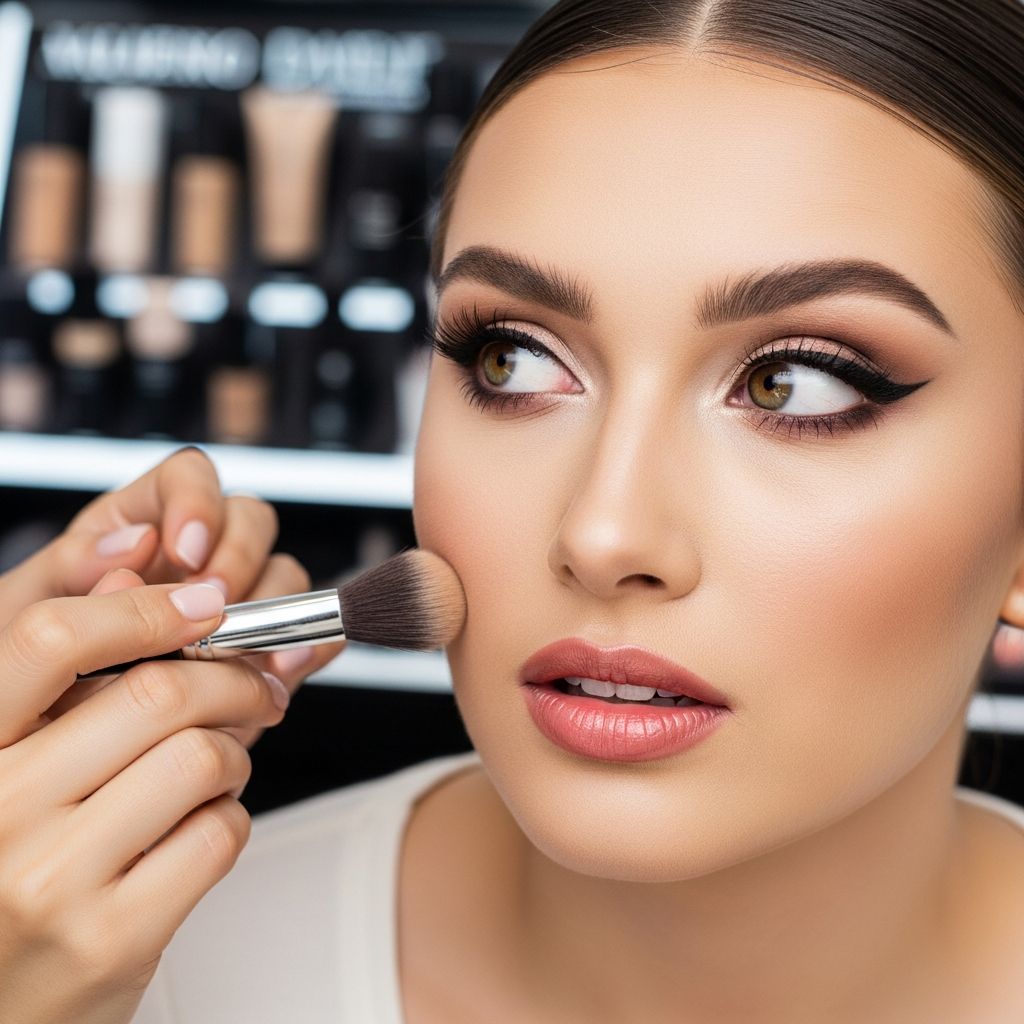
Standing up from a free in-store makeup demonstration and wondering if you should be fishing for your wallet is one of those oddly stressful social moments. Everyone seems to have an opinion about tipping, but the rules become murky when you have not technically paid for a service. This guide breaks down what those sessions really are, what is expected of you, and how to express appreciation without feeling pressured or guilty.
What a “Free” Makeup Demonstration Really Is
Most beauty counters and cosmetic stores offer complimentary makeup applications or mini-makeovers as part of their sales strategy, not as a traditional salon-style service. The goal is to let you experience products in action, build trust with the brand, and, ideally, encourage you to buy something you genuinely like. These demonstrations often come with time limits, focused areas (for example, just foundation matching or a quick eye look) and the clear expectation that you are a potential customer, not simply a client receiving a spa treatment.
Because the appointment exists primarily to promote products, many stores design these sessions to be free of tipping obligations. Staff are frequently paid hourly and may earn commission or sales-based incentives, so their main “reward” is often the sale you choose to make after the makeover. Understanding this basic structure helps explain why tipping norms at counters differ from those at salons or freelance makeup services.
How Counter Makeup Artists Are Typically Compensated
Unlike independent makeup artists who charge per face and rely heavily on gratuities, counter staff usually fall into one of three pay models: hourly plus commission, hourly with sales goals and bonuses, or salaried brand representatives. In these roles, the metrics that matter most to their managers are product sales, add-on recommendations, and overall customer experience reviews, not tips.
This is why many large retailers do not build tipping into their point-of-sale systems for cosmetics counters. They anticipate that shoppers will express appreciation primarily through product purchases and loyalty to the brand, which in turn can improve the artist’s standing, opportunities, and sometimes their income indirectly.
When You Generally Do Not Need to Tip
In most common makeup counter situations, a tip is not expected or required. You can safely skip tipping when:
- The store advertises the service as a complimentary demo, quick touch-up, or lesson tied to trying new launches or bestsellers.
- You are asked to book a free appointment with the understanding that it is a sales-driven consultation, not a stand-alone beauty service.
- The session takes place inside a large department store or chain beauty retailer that does not present itself like a salon and does not have a tipping line on receipts.
- The artist makes a clear point of recommending a few products while emphasizing that there is no pressure, which signals the sales nature of the interaction.
If you feel guilty walking away without handing over cash, remind yourself that trying the products and thoughtfully considering a purchase is already part of the exchange the store had in mind.
When a Tip Might Be Thoughtful (But Still Optional)
There are situations where offering a small tip can be a kind gesture, even if it is not required. Consider tipping if:
- The makeup artist spends a long time with you, going well beyond the scheduled slot to fix, redo, or fine-tune your look for an important event.
- They complete a full-face transformation that resembles what you would normally pay a freelance artist for, especially if it was booked specifically for a special occasion.
- The store mentions that tipping is allowed or has a discrete option for cash tips even if it is not heavily advertised.
- You requested numerous product swaps, color changes, or last-minute adjustments that required more effort than a standard demonstration.
In these circumstances, you are no longer just a shopper briefly test-driving a foundation. You are closer to a traditional client receiving a service, which makes a modest gratuity a gracious way to acknowledge the extra time and skill involved.
How Much to Tip If You Decide to Offer One
If you choose to tip for a complimentary session, aim for an amount that feels like a thank-you rather than full service pricing. Because you did not pay a base fee, percentage rules used in salons do not translate directly. Consider these general ranges instead:
- For a brief, focused mini-demo: a token cash tip such as the cost of a coffee can be plenty.
- For a full-face application that took 30–45 minutes: a moderate flat amount that acknowledges the time without exceeding what you might tip at a salon.
- For an elaborate event look with lashes, contouring, and detailed eye work: a higher gratuity is appropriate, especially if you are also purchasing several items.
Think of the tip as an optional bonus layered on top of your product purchases, not as the main payment for the work. If your budget is tight, prioritize buying the item that made the biggest impact on your look rather than stretching to leave a large tip you cannot comfortably afford.
Alternative Ways to Show Appreciation Without Tipping
Even when tipping is not expected or you are unable to offer cash, there are other ways to express gratitude that genuinely help the artist and the store. Many of these gestures have lasting value beyond a one-time gratuity and align perfectly with how counters measure success.
- Purchase thoughtfully. Buying at least one product used in the look signals that the demonstration worked and supports the artist’s sales goals.
- Ask for their card. Request the artist’s business card and mention that you would like to book with them again or send friends their way.
- Leave specific praise. Offer feedback to a manager or in a follow-up survey, naming the artist and describing what you loved.
- Return as a loyal customer. Returning to the same counter and artist for future purchases can be more valuable than a single small tip.
- Engage on social media. Follow the brand or artist (if allowed), share a photo of your look, and tag them with a kind comment.
These gestures recognize the artist’s talent and effort while also supporting their career growth and sales record, which many staff members value as much as or more than occasional cash gratuities.
Free Demo vs. Paid Application vs. Freelance Artist
Tipping norms make more sense when you compare a complimentary counter demo to paid beauty services that look similar on the surface. The key distinction is whether the session is a sales tool or a primary source of income for the artist.
| Service Type | Typical Payment Structure | Primary Goal | Tipping Expectation |
|---|---|---|---|
| Free in-store makeup demonstration | No service fee; revenue from product sales | Promote products, educate customers, drive sales | Usually not expected; optional for exceptional effort |
| Paid makeup application at a counter | Set application fee, often redeemable in product | Provide a defined service and encourage purchases | Modest tip appreciated but not always assumed |
| Salon or spa makeup service | Service fee paid directly to the business | Beauty treatment as the main product | Tip commonly expected, similar to hair or spa services |
| Freelance or on-location makeup artist | Per-person or per-event rate set by artist | Custom glam or special event services | Tip often seen as standard for good work |
Knowing which category your appointment falls into will quickly clarify whether you are in a “shopping experience” or a “service experience.” When in doubt, look at how the store describes the appointment and whether there is a service fee attached.
How to Avoid Awkwardness at Checkout
A big part of tipping anxiety comes from not knowing the script at the end of your appointment. You can reduce that awkward moment by planning what to say and watching a few cues as you sit in the chair. If there is no tip line on the receipt and the artist does not mention gratuities, assume that a purchase and a genuine thank-you are enough.
If you decide you want to offer a tip but are unsure of the store’s policy, keep it simple and low-pressure. At the end of the session, you might say something like, “I really appreciate the time you spent on this. Is it okay if I leave you a small tip?” If the store prohibits tips, the artist will likely tell you, and you can follow up by buying an item and offering kind words instead.
Budgeting for Beauty Without Guilt
Free demonstrations can be a smart way to test shades and formulas before committing, but they can also tempt you into overspending out of obligation. To keep your finances and your conscience clear, decide your product budget before you walk in the door. Treat tipping as optional and secondary to purchasing something you will truly use.
It is entirely reasonable to make one modest purchase as a thank-you rather than feeling pressured into buying an entire routine. Remember that the goal is a mutually beneficial experience: the artist helps you find flattering products, and you reward that effort through a realistic, thoughtful purchase or other supportive actions, not through financial strain.
Simple Etiquette Tips for Any Makeup Counter Visit
Good etiquette at the beauty counter goes beyond tipping. Small behaviors during your appointment can make the artist’s job easier and the whole interaction more pleasant. Courtesy is free and often more memorable than the exact dollar amount you spend.
- Arrive on time so the artist can complete your look without rushing or impacting the next customer.
- Come with a clean face or minimal makeup if the store recommends it, which saves time and product.
- Communicate your preferences clearly at the start: coverage level, colors you avoid, finishes you love.
- Be honest but kind with feedback; if something does not feel right, speak up so adjustments can be made.
- Respect boundaries by avoiding constant phone use or micromanaging every brush stroke in the mirror.
When you pair these etiquette basics with a genuine “thank you” and a purchase that suits your budget, you will leave both looking polished and feeling confident about having handled the situation gracefully.
Frequently Asked Questions
Do makeup counters ever expect you to tip?
Most large retailers and brand counters design their complimentary services around product sales, not gratuities, so tipping is generally not expected. While individual artists may appreciate an occasional tip, the default assumption is that you are there to explore and possibly buy products, not to pay for a traditional beauty service.
Is it rude to leave without buying anything?
Trying products without purchasing is part of the retail world, so it is not inherently rude to leave empty-handed. However, if the artist spent a significant amount of time with you, making a small purchase or expressing clear interest in returning can soften the interaction and show that you value their expertise.
What if the artist pushes products I do not want?
High-energy sales tactics can make you feel trapped into buying or tipping, but you are still in control of your budget and choices. The most polite response is to thank them for the recommendations, purchase only what you truly like (or nothing at all), and remember that you are not obligated to pay extra for a free promotional service.
Can you use loyalty points and still be polite?
Using points or store credits to cover your purchase is entirely acceptable and does not make you a less valuable customer. To keep the interaction gracious, still offer verbal appreciation, consider leaving positive feedback, and, if you can, plan to return for future shopping with the same artist.
How should teens or students handle tipping at counters?
Young shoppers often have limited budgets, and most counter staff understand this. In these cases, attentive listening, respectful behavior, and a small, carefully chosen purchase make far more sense than stretching finances to leave a tip.
Key Takeaways for Stress-Free Makeup Counter Visits
- Complimentary in-store makeup demonstrations are primarily sales experiences, so tips are typically optional rather than expected.
- Buying at least one item you enjoyed using is often the most meaningful way to say thank you.
- Reserve tipping for situations where the artist provides extra time, complexity, or clearly service-level work beyond a quick demo.
- If tipping is not possible or permitted, express appreciation through feedback, referrals, and repeat visits.
- Setting a budget and remembering you are a customer, not a captive audience, keeps the experience enjoyable and pressure-free.
With a little context and preparation, you can walk away from any free makeup counter makeover feeling polished, confident, and comfortable that you handled the etiquette just right.