Walk into any preschool classroom or daycare nap room and you will probably see a sea of colorful mats, blankets, and tiny pillows lined up on the floor. Nap mats have become a common item on school supply lists, but that doesn’t automatically mean every family truly needs one at home. This guide breaks down what nap mats are, when they help, when they are optional, and how to choose one wisely instead of buying something that gathers dust in a closet.
What Exactly Is a Nap Mat?
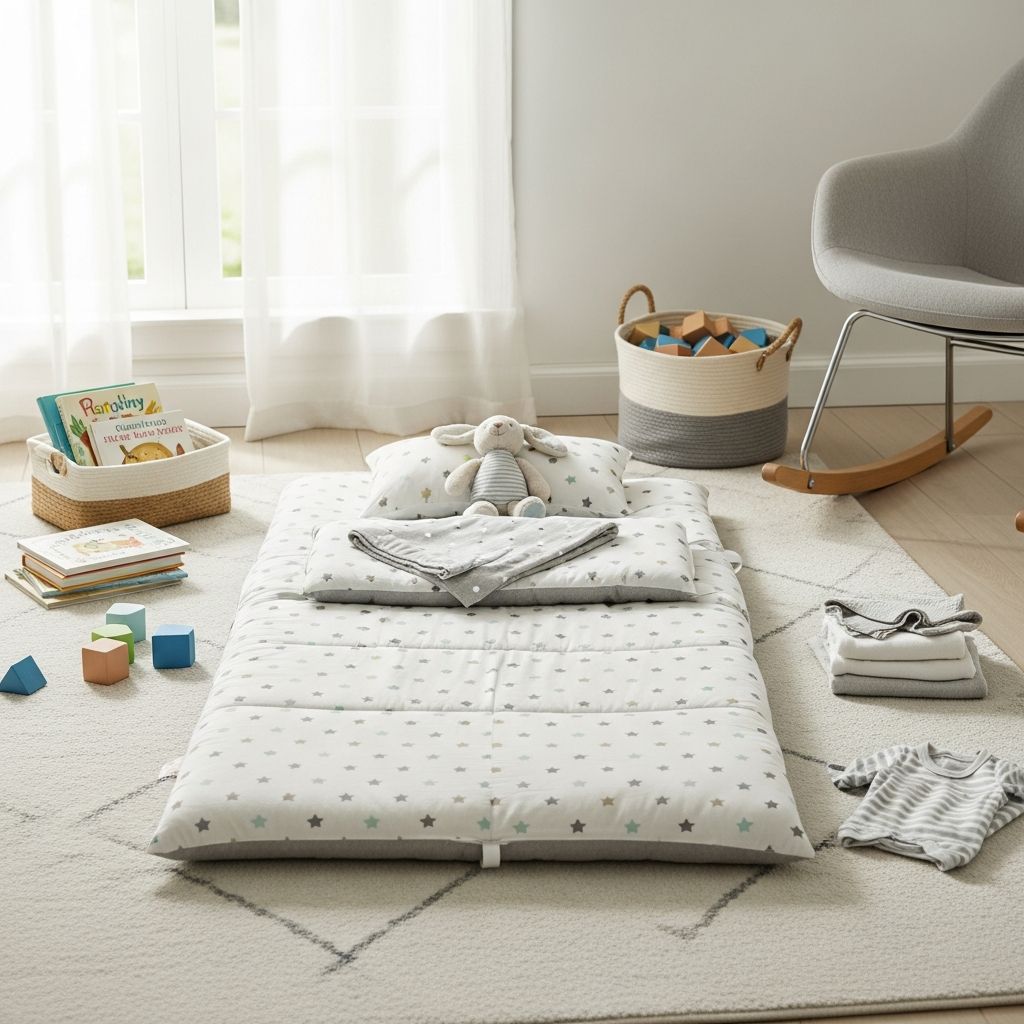
A nap mat is a portable, padded surface designed specifically for young children to rest on during the day. Most versions are sized for toddlers and preschoolers and can be rolled, folded, or carried so they are easy to transport between home, school, and other locations.
Many nap mats function as an all-in-one sleep set. They often combine a lightly cushioned base with an attached or coordinating blanket, and some include a small built-in pillow or pocket for a removable pillow. The goal is to give a child a defined, personal sleeping space wherever a full bed or crib is not available.
Common Situations Where Nap Mats Are Used
Nap mats are most useful when a child needs to sleep in a shared or temporary space. Parents often find them helpful once a child starts group care or participates in activities away from home.
- Daycare and preschool: Many programs ask each family to provide a labeled nap mat so every child has a separate, familiar place to rest during scheduled nap times.
- Grandparents’ houses and sitters: A mat can serve as a consistent “bed” when your child stays with relatives or a babysitter who does not have a crib or spare toddler bed.
- Travel and overnights: For road trips, hotel stays, and sibling sleepovers, a nap mat offers a predictable spot to sleep that packs smaller than a portable crib.
- Quiet time at home: Some families use a mat to help older toddlers transition from daily naps to quiet rest, stories, or calm play in the afternoon.
Age and Readiness: When Do Nap Mats Make Sense?
Nap mats are generally sized for children who are too big for safe portable bassinets but still young enough to benefit from daily daytime sleep. That typically means somewhere between about 18 months and 5 years, depending on your child’s development and temperament.
Readiness has more to do with behavior than birthdays. If your child can reliably stay on a mat with gentle reminders, understands simple boundaries like “this is your space,” and no longer needs the containment of a crib for daytime sleep, a nap mat can be a realistic option. Babies who are still mastering rolling and sitting usually rest more safely in cribs, play yards, or other products specifically designed for infant sleep.
Benefits of Nap Mats for Kids and Parents
For many families, the main question is not what a nap mat is but whether it offers enough benefits to justify the purchase. While no single item is essential for every household, nap mats can solve some common pain points around naps in shared environments.
- Clear personal space: In a room full of active toddlers, a designated mat helps your child understand where their body belongs during rest time. This can reduce bickering about space and make teachers’ jobs easier.
- Comfort and familiarity: Using the same mat each day gives your child a consistent texture, smell, and layout, which can be calming, especially in busy daycare rooms or unfamiliar settings.
- Hygiene and cleanliness: A personal mat means your child is not sharing a sleeping surface with every other child. You control how often it is washed and which detergent touches their skin.
- Portability and flexibility: Instead of moving furniture or hauling a travel crib, you unroll the mat and your child instantly recognizes it as a sleep cue.
- Encouraging independence: Older toddlers can learn to unroll, lie down, and later roll up and carry their own mat, which builds responsibility and confidence around daily routines.
Signs Your Family Might Not Need a Nap Mat
Not every child, schedule, or living situation calls for yet another piece of gear. In some homes, a nap mat would see very little use. Understanding these scenarios can spare you an unnecessary purchase.
- Your child doesn’t nap outside the home: If your little one is cared for at home and consistently naps in a crib or bed, a supplemental mat might offer little extra value.
- Your child is phasing out naps: If you are very close to dropping naps entirely, it may make more sense to adapt with quiet time on the couch, a sleeping bag, or a pile of pillows instead of buying a dedicated mat.
- Space and storage are tight: In a very small home, even roll-up mats might feel like clutter if you rarely attend events where a mat is necessary.
- Existing gear already does the job: A travel crib, foldable toddler cot, or thick play mat might already meet your occasional nap needs.
Types of Nap Mats and How They Differ
When you start browsing, you will notice that nap mats come in a wide range of designs. Understanding the basic types helps you match a mat to your child’s age, your storage space, and how often you expect to transport it.
| Type | Main Features | Best For |
|---|---|---|
| Roll-up mat | Thin to medium padding, often with attached blanket and pillow; rolls into a cylinder with straps or handle. | Daycare and preschool, frequent transport, families with limited storage space. |
| Foldable mat | Thicker, tri-fold or bi-fold design; more padding, bulkier shape, sometimes with removable cover. | Home use, occasional travel by car, kids who nap on hard floors. |
| Cot-friendly topper | Light mat sized to strap onto a school cot; usually includes sewn-in blanket and small pillow. | Centers that provide cots but require parents to bring bedding. |
| All-in-one sleeping bag style | Envelope or sleeping-bag shape with integrated padding and blanket; zips up around the child. | Cooler climates, sleepovers, older toddlers who can unzip independently. |
Key Features to Look For When Buying
Once you have decided that a nap mat belongs on your list, the next step is choosing a specific product. Marketing claims can be overwhelming, but a few core features usually matter more than the rest for day-to-day use.
- Size and fit: Check the dimensions against your child’s height and the school’s cot or floor space requirements. A mat that is too short will feel cramped quickly, while an oversize mat may be hard for your child to carry.
- Padding level: Consider where your child will nap most often. Very thin mats may be fine over carpet but uncomfortable on tile or hardwood. Extremely thick mats are cozy but take up more room in cubbies and washing machines.
- Materials: Choose fabrics that feel soft against the skin and do not irritate sensitive children. Cotton, bamboo blends, and certain microfibers are common. If your child has allergies, look for options labeled hypoallergenic and avoid heavy perfumes or chemical finishes.
- Washability: Nap mats live close to faces, noses, and snack crumbs, so machine-washable covers or entire mats are a major advantage. Removable pillow inserts and zippers make laundry less of a chore.
- Portability: Sturdy handles, easy-to-use straps, or buckles sized for small hands help kids learn to manage their own gear. If your child walks in from the car, you want a mat they can carry without dragging it.
- Durability and stitching: Reinforced seams, secure quilting, and strong attachment points for straps all help prevent ripping when the mat is rolled and unrolled day after day.
- Design and pattern: While looks are secondary to safety and comfort, a print your child loves can turn naptime into something to look forward to instead of resist.
Nap Mat Safety Basics
Although nap mats are marketed for children, not all are created with the same attention to safety. A few simple checks can keep naptime as secure as possible in both home and school settings.
- Age-appropriate use: Follow the manufacturer’s age and weight guidelines. Very young infants should not be placed on soft, padded mats that could interfere with breathing.
- Flat, stable surface: Always place a mat on the floor or another firm, non-elevated surface. Avoid stacking mats on top of furniture or placing them on beds where a child could roll off.
- Avoid strangulation hazards: Check for long strings, cords, or loose ties. Straps used to roll the mat should be secured out of reach while your child is sleeping.
- Supervision in group settings: Even if a mat is well-designed, adults should be present to monitor children, especially in classrooms full of active toddlers.
- Check for wear: Periodically inspect the mat for torn seams, exposed filling, broken zippers, or peeling coating. Replace mats that no longer maintain their structure.
How Nap Mats Fit Into Daycare and Preschool Policies
One of the biggest drivers of nap mat purchases is simple: many programs require them. Before you buy, review your daycare or preschool handbook carefully, because specific rules may narrow your options significantly.
- Required dimensions: Some centers list minimum or maximum sizes that fit on top of school-provided cots or must fit inside a dedicated cubby.
- Thickness limits: To keep mats from becoming tripping hazards or to allow stacking, a program may cap how thick a mat can be.
- Labeling expectations: You may need to add your child’s full name in permanent marker or on a sewn-in label in a specific location.
- Laundry schedule: Policies often require mats to be taken home weekly (or more often during illness seasons) for washing, so choose something you can toss into the machine without dread.
Using a Nap Mat at Home Without Creating Clutter
Even if you buy a nap mat primarily for school, you can still take advantage of it at home instead of letting it sit unused between wash days. With a bit of creativity, the mat can become a multi-purpose tool.
- Quiet-time corner: Set up a cozy spot with books and a soft light where your child knows they can retreat to rest, even on days they do not fully nap.
- Movie night bed: On family movie evenings, let your child unroll the mat as their personal “theater seat” on the floor, keeping crumbs and spills away from the main couch cushions.
- Playdate sleep space: When a cousin or friend naps at your home, the mat converts quickly into a guest bed in your living room or playroom.
- Outdoor lounging: On dry days, a mat can double as a soft surface for backyard cloud-watching or reading in the shade, as long as you are comfortable washing it afterward.
Budgeting: How Much Should You Spend?
Prices for nap mats vary widely, from budget-friendly options at big-box stores to premium mats with organic fabrics and designer prints. Deciding what you are willing to invest comes down to how long and how often you expect your child to use the mat.
- Low-cost options: These are suitable if your child is nearly done with naps, you are unsure whether they will tolerate mat sleeping, or you need a backup for occasional use.
- Mid-range mats: Often balance decent padding, washable covers, and kid-friendly designs with reasonable prices, making them a solid choice for everyday daycare use.
- Premium mats: Higher-priced mats may offer organic fabrics, thicker foam, or specialized design for children with sensory sensitivities. They can be worthwhile if comfort and long-term use are priorities.
Preparing Your Child to Use a Nap Mat
The transition from crib naps to mat naps can feel big, especially for toddlers who are sensitive to change. A little practice at home can make the first day at school or with a new caregiver much smoother.
- Introduce the mat during play: Let your child explore it first as a reading spot or pretend boat so it feels fun, not intimidating.
- Do a trial nap at home: Pick a day when you are not rushed and try having your child nap on the mat instead of in their usual crib or bed.
- Layer familiar comfort items: A favorite stuffed animal (if allowed) or a small blanket from home can make the new sleep surface feel safer.
- Practice the routine: Rehearse unrolling, lying down, and rolling the mat back up together while you narrate the steps.
- Talk positively about naps: Frame the mat as something special that “big kids” get to use at school.
Simple Cleaning and Care Tips
Because nap mats travel between home, daycare, cars, and classrooms, they pick up dust, crumbs, and germs quickly. Building a simple cleaning habit will keep the mat fresher and more inviting for your child.
- Follow the tag: Always check the care label before washing. Some mats are fully machine-washable; others require removing inserts or spot cleaning only.
- Schedule regular washes: Aim to wash the mat or its cover at least as often as your child’s sheets, and more frequently during allergy or cold seasons.
- Dry thoroughly: Let the mat dry completely before rolling it up again to prevent mildew or musty smells.
- Use gentle detergents: Fragrance-free or hypoallergenic detergents can reduce irritation for children with sensitive skin.
Quick Decision Checklist for Parents
If you are still on the fence, use the checklist below to clarify whether a nap mat belongs in your cart right now.
- Your child attends (or will soon attend) daycare or preschool that requires a mat or personal bedding.
- Your child often naps at relatives’ homes, in the car, or in other temporary spaces.
- You want a predictable nap setup that your child recognizes in multiple environments.
- You have a place to store and clean a mat without extra stress.
If you answered yes to most of these points, a nap mat is likely to earn its keep. If you answered no more often than yes, alternative arrangements might work just as well for your family.
Frequently Asked Questions About Nap Mats
Are nap mats safe for toddlers?
Yes, when used as directed for the appropriate age and placed on a flat, stable floor, nap mats are generally considered safe for toddlers. Avoid using them in cribs or on elevated furniture, and keep long straps or cords out of reach during sleep.
What age is too old for a nap mat?
Most mats are designed for children up to around preschool or early elementary age, depending on height. Once your child has fully outgrown naps or clearly prefers a regular bed for rest, the mat will naturally become less useful.
Can a nap mat replace a crib?
For infants, no. Cribs and other approved sleep spaces are designed to meet safety standards that nap mats do not replace. For older toddlers who have already transitioned out of a crib, a mat can complement their bed for naps in other locations, but it is not meant to be a full-time bed.
How many nap mats does one child need?
Most families manage with one primary mat, especially if it travels between home and school. Some parents choose a second, less expensive mat to keep at grandparents’ houses or for messy outdoor use so they are not constantly shuttling a single mat around.
What if my child refuses to sleep on a nap mat?
Resistance is common at first. Start with short rest periods instead of full naps, add familiar comfort items if allowed, and coordinate with teachers or caregivers so everyone uses the same calm, consistent language about rest time. Many children adapt within a few weeks once the mat is part of a predictable routine.