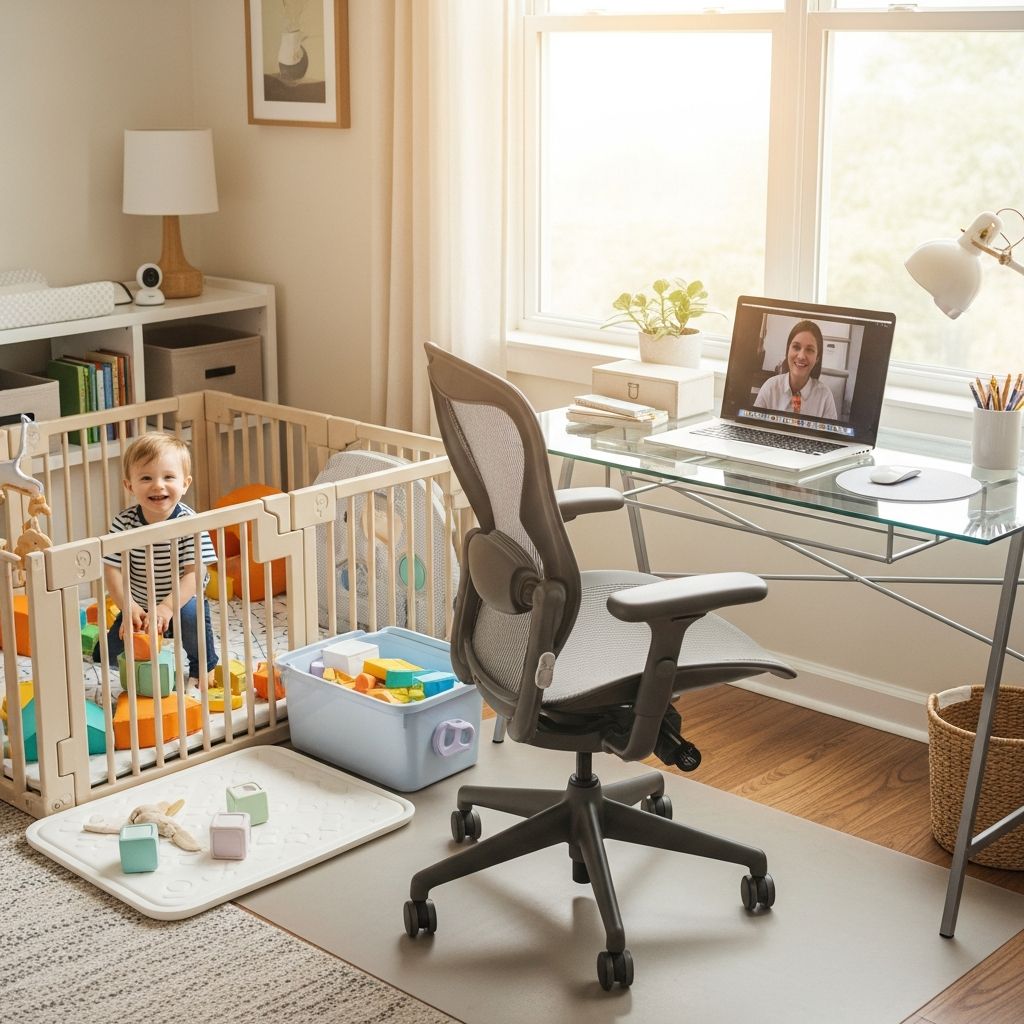
Remote work has transformed how parents manage professional responsibilities alongside family life, prompting many to question the necessity of formal childcare arrangements. While the flexibility of home-based employment offers unique advantages, it also introduces complexities in maintaining productivity and supporting child development.
Understanding the Shift to Remote Work and Family Dynamics
The rise of remote work, accelerated by global events, has allowed millions of parents to eliminate commutes and blend work with home life. However, this setup often blurs boundaries, leading to divided attention between job demands and child needs. Parents frequently report struggling with unexpected interruptions, such as a toddler’s sudden need for assistance during a video call, which can compromise work output.
Telework policies from official sources emphasize that while remote arrangements provide flexibility, they do not replace structured dependent care. Agencies recognize diverse options like on-site centers or home-based supervision, but stress that employees must ensure arrangements support consistent performance. This highlights a core tension: remote work’s promise of autonomy versus the reality of caregiving demands.
Key Advantages of Incorporating Childcare in Remote Setups
Opting for childcare while working from home yields multiple benefits, extending beyond mere convenience to foster both parental efficiency and child growth.
- Enhanced Professional Focus: Without constant distractions from children, parents can dedicate uninterrupted time to tasks, improving work quality and meeting deadlines more reliably.
- Child Socialization Opportunities: Structured programs enable children to build relationships with peers and caregivers, crucial for developing empathy, confidence, and social skills.
- Consistent Routines:Children thrive on predictable schedules, which childcare provides, shielding them from parental work fluctuations like impromptu meetings.
- Boundary Setting: Separating physical spaces for work and family helps parents mentally switch roles, reducing burnout and enhancing overall well-being.
These elements collectively create a more harmonious environment, where parents recharge during family time, free from lingering work stress.
Challenges of Managing Children at Home During Work Hours
Many parents successfully juggle remote duties with childcare at home, but this approach has notable drawbacks. Frequent disruptions—ranging from snack requests to play demands—fragment concentration, often resulting in extended work hours to compensate.
From an employer perspective, mandating childcare is inadvisable, as it intrudes on personal choices and could drive talent away. Instead, clear performance metrics allow accountability without micromanaging family arrangements. Employees value remote work for its flexibility to handle personal matters, so rigid policies might undermine this appeal.
| Scenario | With Childcare | Without Childcare |
|---|---|---|
| Daily Productivity | High focus, timely task completion | Interrupted workflow, overtime needed |
| Child Development | Social exposure, structured learning | Parental-led activities, potential inconsistencies |
| Parental Stress | Defined boundaries, better rest | Blurred lines, higher fatigue |
This comparison underscores trade-offs, where childcare often tips the scale toward sustainability for demanding roles.
Child Development Perspectives in Remote Work Contexts
Beyond logistics, childcare supports holistic child growth. Programs offer targeted activities stimulating cognitive, emotional, and physical milestones, which busy parents might struggle to replicate consistently. Research links early connections with non-parental adults to improved academic outcomes and sociability.
Government guidelines affirm telework’s role in aiding caregivers but note it complements, rather than substitutes, quality care options. This is particularly relevant for nursing mothers, where break accommodations apply regardless of location.
Employer Strategies and Benefits for Remote Parental Support
Forward-thinking companies are addressing these needs through innovative perks. Less than 10% currently offer childcare benefits, yet demand grows for remote workers, paralleling on-site needs. Options include subsidies, stipends, or flexible hours, benefiting retention and morale.
Official telework frameworks encourage agencies to support diverse care models, from nannies to family help, recognizing proximity’s value without imposing uniformity. Seasonal challenges, like summer breaks, amplify these issues in hybrid environments.
Practical Tips for Remote Parents Without Formal Childcare
For those forgoing childcare, strategic planning is key:
- Designate a dedicated workspace away from play areas to minimize interruptions.
- Schedule work around nap times or quiet activities, aligning peak productivity hours.
- Use noise-cancelling tools and status indicators (e.g., “Do Not Disturb”) during calls.
- Involve older children in simple responsibilities to build independence.
- Communicate transparently with employers about family commitments.
These measures, combined with realistic expectations, enable many to thrive without external care.
Financial Considerations and Cost-Benefit Analysis
Childcare expenses represent a significant investment, yet potential returns include higher earnings from promotions or bonuses due to sustained performance. Employers subsidizing costs see ROI through reduced turnover. Families must weigh local rates against income impacts from divided attention.
Real-World Experiences from Remote Working Families
Anecdotal evidence reveals varied outcomes. Some parents report thriving with home-managed care, leveraging flexibility for family bonding. Others find structured childcare transformative, citing sharper focus and happier children post-enrollment. Hybrid approaches, like part-time care, offer customized solutions.
Frequently Asked Questions
Is childcare mandatory for remote employees?
No, employers should avoid mandating it to respect personal boundaries and retain talent. Focus on performance standards instead.
Can remote work fully replace childcare needs?
While it provides flexibility, telework complements rather than eliminates dependent care, especially for focused work.
What benefits do children gain from childcare during parental work hours?
They access socialization, routines, and learning activities that boost development and confidence.
How can parents improve productivity at home with kids?
Set boundaries, use schedules, and communicate expectations with teams.
Should companies offer childcare perks to remote staff?
Yes, as remote workers face similar challenges, and benefits enhance equity and satisfaction.
Navigating Future Trends in Work-Life Integration
As remote work solidifies, expect expanded employer support like on-demand care platforms or mental health resources tailored for parents. Policymakers may push for incentives, drawing from federal models promoting flexible arrangements. Parents must advocate for needs while adapting to evolving norms.
In conclusion, childcare’s necessity hinges on individual circumstances—job intensity, child age, and support networks. While not universally required, its strategic use often unlocks greater balance and success in remote eras.
References
- Can we require employees to have childcare if they work from home? — Emplova. 2023. https://www.emplova.com/can-we-require-employees-to-have-childcare-if-they-work-from-home/
- 7 Reasons to Consider Child Care While Working from Home — The Gardner School. 2021. https://www.thegardnerschool.com/blog/7-reasons-to-consider-child-care-while-working-from-home/
- Do Remote Employees Need Childcare Benefits? — Upwards. 2023. https://upwards.com/blog/posts/employee-childcare-benefits-101-should-remote-workers-be-included/
- Dependent Care – Telework — U.S. Office of Personnel Management (OPM). 2024. https://www.opm.gov/telework/tmo-and-coordinators/dependent-care/
- Remote, Hybrid Work and Summertime Bring Child Care Challenges — SHRM. 2023. https://www.shrm.org/topics-tools/news/benefits-compensation/remote-hybrid-work-summertime-bring-child-care-challenges